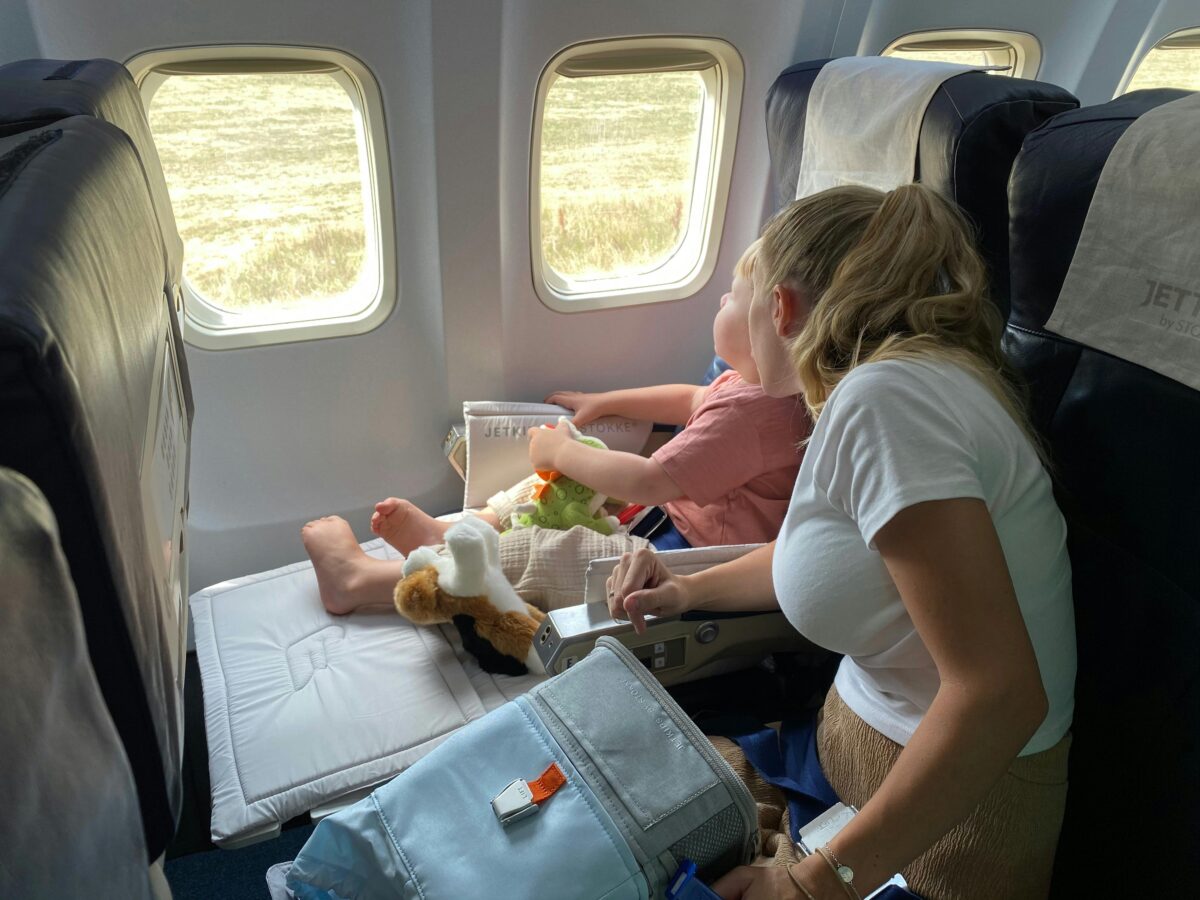
Traveling with a baby might sound overwhelming, but it really doesn’t have to be. Lots of parents worry their travel days are over after having a child, but honestly, bringing your little one along can lead to some of the best family memories. Wait until your baby is at least 7 days old to fly—ideally 2-3 months—when their immune system is stronger and they’ve settled into more of a routine.
Getting ready ahead of time makes everything easier. Book places that welcome families, grab a travel-friendly stroller, and request a bassinet early if you’re flying. Diaper bags usually count as a personal item on flights, not your main carry-on, so you get a bit of extra space for all the must-haves.
When you fly, you’ll have to choose: lap baby, or buy them their own seat and bring a car seat? Security asks you to send all baby gear—strollers, blankets, toys—through the X-ray. TSA staff usually get it and try to help when you’re wrangling a little one.
Key Takeaways
- Wait until your baby is at least 7 days old to fly; 2-3 months is ideal for their health and comfort.
- Pick baby-friendly places to stay, and pack essentials like a travel stroller, portable crib, and familiar comfort items.
- Know airport security policies for baby gear and give yourself extra time for every step.
Planning Your Trip With a Baby

Traveling with a baby takes more planning than going solo, but it’s worth it for the memories. Thoughtful prep that keeps your baby’s needs in mind at each step sets you up for a great family trip.
Choosing Baby-Friendly Destinations
When you’re picking a destination, think about travel time first. Short flights or car trips—under 4 hours—are definitely easier with babies. If you can, wait until your baby is at least 2-3 months old to fly; their immune system is a bit tougher by then.
Beach spots with calm water and plenty of shade are usually pretty relaxing with a baby. Cities with walkable areas and parks let you explore without totally wrecking nap schedules. Weather matters too—moderate temps are a lot easier on babies than blazing heat or freezing cold.
Look for family-focused vacation spots with cribs, high chairs, and maybe even baby monitors. Some resorts offer those, so you can sneak away for dinner while baby sleeps nearby.
For international trips, check if you’ll have easy access to baby supplies and medical care. Double-check vaccine rules and remember: babies always need their own passports!
Booking Accommodations for Babies
Apartments or vacation rentals usually beat hotels when you’re traveling with a baby. You get separate sleeping spaces, a kitchen for prepping bottles or baby food, and laundry for the inevitable messes.
When you’re booking family-friendly lodging, ask:
- Do they have cribs or pack-n-plays?
- Is there a bathtub, or just a shower?
- Are the rooms quiet and dark enough for naps?
- Is there an elevator if you’re not on the ground floor?
Location is huge. Staying central cuts down on transit time, and if you’re walking distance to attractions, you won’t have to keep loading and unloading the stroller from cabs.
Pick a room away from elevators and ice machines—those can be surprisingly loud for a sleeping baby. Some hotels offer baby-proofing kits if you ask, which is always nice to have.
Travel Insurance for Families
Don’t skip travel insurance when you’re bringing a baby. Medical emergencies happen, and nobody wants a massive bill in a foreign country.
Pick a policy that covers infants and includes:
- Emergency medical care and hospital stays
- Emergency evacuation
- Coverage for baby gear (strollers, car seats)
- Trip cancellation
Standard policies might not cover newborns, so read the details carefully. Some family plans let you add kids under 2 for free.
Look for insurance that covers pre-existing conditions for everyone. Cancel-for-any-reason coverage is worth considering, especially if your baby gets sick right before you’re set to leave.
Keep digital copies of your policy and emergency numbers on your phone. If you’re traveling abroad, registering with your country’s embassy can give you some extra support.
Packing Essentials for Baby Travel
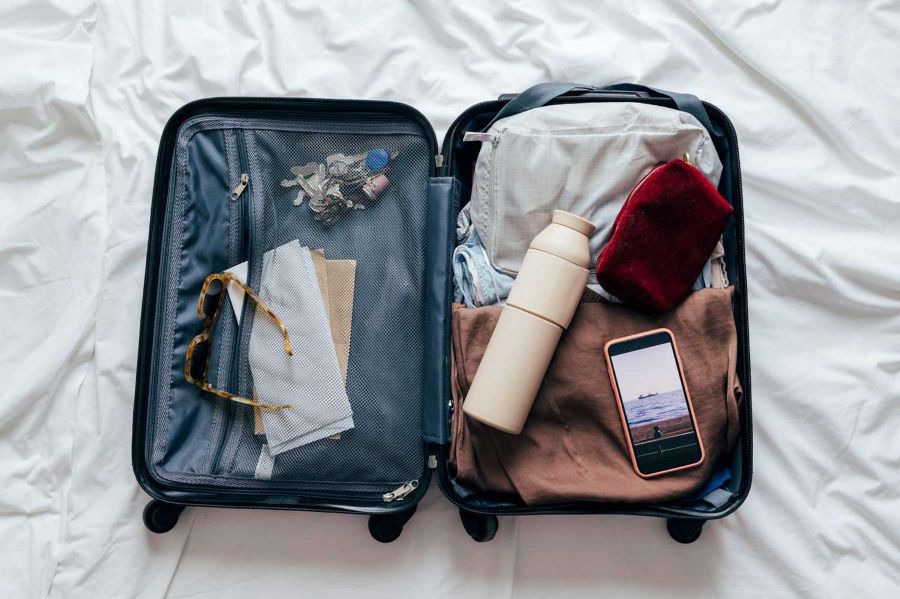
Traveling with a baby means you’ll need to plan and pack carefully so your little one stays comfy and happy. The right gear and a bit of organization can make a huge difference, whether you’re flying or driving.
Creating a Packing Checklist
Make a detailed checklist at least a week before your trip. That way, you’ve got time to grab anything you’re missing.
For clothes, pack:
- 2-3 pairs of pants or leggings
- 2-3 shirts or onesies (add a couple more if it’s cold)
- Weather-appropriate outerwear
- Socks and shoes (if needed)
- 1-2 pajamas
For diapering and hygiene:
- Enough diapers for the travel day, plus extras (about 1 every 2-3 hours)
- Travel pack of wipes
- Diaper cream
- Baby wash and lotion
- Infant nail clippers or file
- Baby-safe sunscreen
Don’t forget bottles, formula, or nursing supplies. I always toss in a small medical kit with infant fever reducer, gas drops, and any prescription meds your baby takes.
Using Packing Cubes and Organizers
Packing cubes honestly save my sanity when traveling with a baby. They keep everything organized—no more digging through bags in a dark hotel room.
Try color-coding: one cube for clothes, one for diapering, another for feeding stuff. Mesh cubes let you see what’s in there without unpacking everything.
For diaper changes on the go, set up a mini diaper station in a small cube: changing pad, a couple diapers, wipes, and travel-size cream. You’ll thank yourself during airport changes.
I like using a hanging toiletry organizer for bathroom stuff. Hang it on the towel rack or a doorknob—saves counter space in those tiny hotel bathrooms.
Selecting the Right Stroller and Baby Carrier
A good travel stroller should be lightweight, fold up small, and handle different sidewalks or paths. Look for one under 15 pounds with a recline for naps.
Check if your airline lets you gate-check your stroller for free. Most do, so you don’t have to drag it through the whole airport.
A baby carrier is a lifesaver for buying eSIMs for international travel or exploring spots where strollers aren’t practical. Soft structured carriers distribute weight well and make longer walks easier.
Think about your destination. If you’re headed to a city with good sidewalks, bring the stroller. For hiking or crowded markets, you’ll want the carrier. On longer trips, I usually bring both for options.
Must-Have Sleep Solutions: Pack and Play
Babies sleep better when things feel familiar. A portable Pack and Play gives you a safe spot for sleep and play.
Pick a lightweight model with a carrying case. Some weigh under 15 pounds and fit in overhead bins or car trunks.
To make things cozy, bring:
- The same sleep sack you use at home
- A portable sound machine
- Their favorite lovey or comfort item
- Blackout curtains or something to block light
If you’re staying at a hotel, call ahead to see if they have cribs. Decide if you want to bring your own, or just bring your own fitted sheet for the hotel crib so it smells like home.
Travel Documents and Safety

Traveling with a baby means you’ll need to handle paperwork and health stuff before you go. The right documents keep things running smoothly and help keep your little one safe.
Gathering Important Documents
Always bring proof of your parent-child relationship when you travel with a baby. You’ll need a birth certificate, even for U.S. domestic flights. For international trips, your baby needs a passport—yes, even if they’re just a few weeks old. Some countries want to see a travel insurance policy that covers your baby too.
If you’re traveling solo with your baby, bring a Child Travel Consent form signed by the other parent. It helps avoid awkward questions at border crossings.
Pack your baby’s vaccination records and a letter from the pediatrician if your baby has any medical issues. Some airlines require a doctor’s note if your baby is under 7 days old.
I keep all these docs in a waterproof folder that’s easy to grab but still secure. Digital copies as backups? Always a good idea.
Health Precautions and Vaccinations
Check vaccine requirements for your destination well in advance. Some countries need specific shots, and your baby may need an accelerated schedule for international travel.
Pack a solid baby first aid kit: infant meds, thermometer, and any prescriptions. Bring enough for the whole trip plus a little extra, just in case.
Think about time zone changes and how they might mess with sleep. If you can, start shifting nap times a bit before you leave.
Look up pediatric medical facilities where you’re going. Save contact info for hospitals and English-speaking pediatricians. In a new place, knowing where to get help quickly is huge.
Keep up with hand washing and sanitizing, especially in airports and other crowded spots.
Flying With a Baby

Flying with a baby takes some extra planning, but it’s totally doable. Knowing what to expect—from booking to landing—makes things a lot smoother.
Booking Flights and Seats for Comfort
When you book, you’ve got two choices: hold your baby on your lap (usually free or discounted for under-2s), or buy them a seat and use their car seat. Lap infants are cheaper, but having a separate seat gives you more space and usually makes it easier for everyone to sleep.
Try for direct flights if you can. Fewer takeoffs and landings mean less ear pressure for your baby. Morning flights often run on time, and babies are usually happier earlier in the day.
Choose your seats carefully. Bulkhead seats have extra legroom and sometimes bassinets for tiny babies. Aisle seats make it easier to get up for walks or diaper changes. Some airlines have family seating policies that help keep everyone together.
Airport Security With Infants
Security lines with a baby can be rough, but if you’re prepared, it’s manageable. Keep your IDs and boarding passes handy while you juggle everything else. Many airports have family lanes that give you a bit more time and help.
Formula, breast milk, and baby food don’t count toward the usual liquid limits. Just tell the TSA agent—they might test them, but they won’t make you throw them out.
For strollers and car seats, you’ll need to send them through the X-ray. Some airports let you use your stroller until you board, then you gate-check it.
Wearing your baby through security in a carrier keeps your hands free, and you usually don’t have to take your baby out.
Feeding During Flights: Breastfeeding and Bottles
Feeding during takeoff and landing can help your baby’s ears adjust to pressure changes. Swallowing makes a big difference, so time feeds for those moments if you can.
Breastfeeding on planes is totally fine. If you want privacy, try a window seat or a nursing cover. Most flight attendants are supportive, but a light blanket gives you options.
For bottle feeding, pack more formula than you think you’ll need. Delays happen! Pre-measure powder into containers, and ask for warm water on the plane. Some parents prefer pre-made formula bottles for convenience, even if they’re heavier.
Cabin pressure can make bottles leak, so open them carefully and point away from you and baby. Always bring an extra outfit for both of you—spills and spit-up are basically inevitable.
Managing Baby’s Comfort in Transit

Keeping your baby comfortable while traveling is key to a better trip for everyone. A little planning—and the right gear—goes a long way.
Keeping Babies Entertained On-the-Go
Pack a small bag of easy-to-reach entertainment. Mix familiar toys with a couple of new surprises to keep things interesting. Soft books, teething toys, and small stuffed animals are great—quiet, light, and easy to pack.
Don’t leave home without a pacifier clip. It saves you from constantly picking up dropped pacifiers off gross floors. Just clip it to baby’s clothes and relax a bit.
On longer trips, switch out toys every 15-20 minutes before your baby gets bored. Even small containers with lids can be fascinating—babies love opening and closing things.
Music helps too. Download a few songs or white noise tracks your baby likes from home.
Ensuring Safe Sleep Environments
Honestly, a pack and play is a lifesaver when you’re traveling with a baby. It gives your little one a safe, familiar sleep space no matter where you end up.
Some hotels provide them, but bringing your own just feels better—you know it’s clean and your baby recognizes it.
Try sticking with your usual bedtime routine as much as you can. If you always do bath, massage, pajamas, feeding, and then a book, keep that up on the road.
Babies love predictability, and these cues let them know it’s time to wind down, even in a new place.
Toss a crib sheet or small blanket from home into your bag. The familiar smell can help comfort your baby in an unfamiliar room.
Think about the temperature and lighting in your destination. If your baby needs a nightlight, pack a small one, and dress them for the local climate.
Always double-check the safety of any sleep setup. Skip soft bedding, pillows, or anything that could create a gap where your baby might get stuck.
Tips for Traveling Internationally With a Baby

Taking a baby across borders? That takes some extra patience and planning. Having all your documents sorted and thinking about time zones can make things way less stressful.
Navigating Customs and Immigration
Keep your baby’s passport and travel documents in a spot you can grab quickly. Some countries want to see a birth certificate too, even for tiny travelers.
Make copies of the important stuff and stash them separately from the originals—just in case.
Check visa requirements early. Some places have rules about kids traveling with just one parent or with guardians. You might need a notarized letter from the other parent if they’re not coming.
Show up at the airport extra early, like three hours before your flight. Babies are unpredictable, and you don’t want to rush through security or scramble for a diaper change.
If you travel a lot, Global Entry (or your local version) can be a game changer. Skipping long immigration lines with a cranky baby? Totally worth it.
Dealing With Jet Lag and Time Zone Changes
Babies sometimes adjust to new time zones faster than adults, but it can still be rough. Before your trip, try nudging naps and meals toward your destination’s schedule.
On the plane, keep your baby hydrated and as comfy as possible. If it’s an overnight flight, stick with your bedtime routine—pajamas, a story, a snuggle.
Once you arrive, get outside and soak up some daylight during the day. Natural light helps reset your baby’s internal clock.
You might be up at odd hours those first few nights, so brace yourself for some middle-of-the-night wake-ups.
Keep your schedule light for the first couple of days. Your baby could need extra naps or just be cranky as they adjust.
Try to stick with regular feeding and sleep patterns, even if the clock says it’s an odd time. Babies thrive on routine, even when you’re far from home.
Practical Feeding and Care Tips
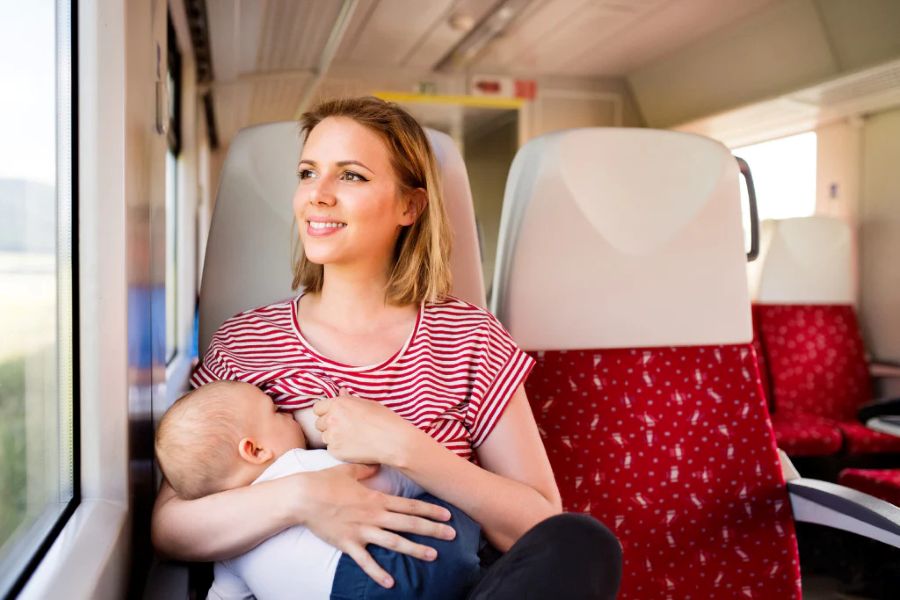
Keeping your baby fed and comfy on the go makes travel so much easier. With a little planning, you can handle meals and diaper changes without losing your mind.
Choosing Baby Food and Snacks
Pack more baby food than seems necessary—delays happen, and having extra is just peace of mind. If you’re breastfeeding, wear clothes that make it easy and bring a cover if you want a bit of privacy.
Formula feeding? Pre-measure formula into small containers and bring bottled water for mixing. Some parents swear by ready-to-feed formula on trips, even if it’s pricier.
If your baby’s on solids, food pouches are a total win. No refrigeration needed, and most come with built-in spoons. Soft fruits like bananas or avocados travel well too.
Bring a few familiar snacks. New places can be overwhelming for little ones, and something they know—like Cheerios or crackers—can be comforting.
Managing Diaper Changes on the Road
Always pack more diapers than you think you’ll need. The “diaper emergency rule” is real—add at least 50% to your normal count.
A portable changing pad is a must, since you never know what the facilities will be like.
Make a small diaper kit: diapers, wipes, a bit of cream, and maybe a tiny toy to keep your baby distracted. Plastic bags are a lifesaver for dirty diapers when you can’t find a trash can.
Keep a few diapers and wipes in your carry-on if you’re flying. Airplane bathrooms are cramped, so maybe practice changing your baby in a tight spot before you travel.
If you’re driving, plan to stop every 2-3 hours for a quick change. Lots of rest areas have family bathrooms with changing stations now.
Apps like “Diaper Dash” can help you find clean changing spots when you’re on the road.
Traveling With a Baby: Helpful Gear and Accessories

The right gear seriously makes all the difference when you’re on the move with a baby. It can turn a potentially stressful trip into something way more manageable.
Selecting the Best Baby Carrier
A solid baby carrier is a game changer at airports and for sightseeing. Look for one that’s comfy and spreads weight evenly on your shoulders and back.
Soft structured carriers work well for bigger babies, but wraps are great for newborns.
Check for adjustable straps, breathable fabric for hot places, and maybe some pockets for your stuff. Quick on and off is a plus.
Honestly, wearing your baby through security saves so much hassle. You can usually go right through, and you’ve got your hands free for bags or snacks.
If you’re planning long days, a Peak Design carrier is worth checking out—it’s built for comfort during extended wear.
Using Pacifier Clips and Small Essentials
Pacifier clips are tiny but mighty—they keep you from hunting for pacifiers on dirty floors.
Other little things to pack: silicone bibs that roll up, a portable sound machine, travel-size diaper cream, and some ziplock bags for dirty clothes.
I always throw in extra pacifiers because they seem to vanish into thin air. And a couple of new toys your baby hasn’t seen before? They’ll buy you some quiet time on the plane or in the car.
Stash these small items in the outer pockets of your carry-on. Nothing’s worse than digging through your whole bag while your baby starts to fuss.
Frequently Asked Questions
Traveling with a baby means having a million questions. Here are some real-world answers to the most common ones, from what to pack to getting through security.
What are the essential items to pack when flying with a baby?
When you fly with your baby, bring more diapers than you think you’ll need—one per hour of travel, plus a few extras for good measure.
Pack several changes of clothes for your baby, and at least one spare shirt for yourself. Trust me, blowouts happen at the worst possible moments.
Snacks are key if your baby’s eating solids. Go for familiar favorites in containers you can open one-handed. I learned this the hard way after wrestling with a tricky container while my baby screamed.
Don’t forget a comfort item or two, like a favorite blanket or stuffed animal. Those familiar things really help in new places.
How can you ensure a baby’s comfort during a long car journey?
Try to plan your drive around your baby’s nap schedule. A sleeping baby makes the miles go by so much easier.
Stop every 1-2 hours to change diapers, feed your baby, and let them stretch out. It helps prevent meltdowns for everyone.
Bring toys that attach to the car seat so you aren’t constantly reaching for dropped toys. Rotating different toys during the trip keeps things interesting for your baby.
If you can, have someone sit in the back with your baby. Sometimes just seeing a familiar face helps calm them down on long stretches.
What steps should parents take to prepare for international travel with a baby?
Start early with passport applications—babies need their own, and it can take 6-8 weeks or more.
Check your destination’s health requirements. Some places require vaccines for babies on a different schedule than at home.
Pack enough formula or baby food to last your trip. Foreign brands might not agree with your baby’s tummy, and familiar food is comforting.
Learn a few baby-related words in the local language. Being able to ask for diapers or a quiet spot can be a real lifesaver.
What steps should parents take to prepare for international travel with a baby?
Start early with passport applications—babies need their own, and it can take 6-8 weeks or more.
Check your destination’s health requirements. Some places require vaccines for babies on a different schedule than at home.
Pack enough formula or baby food to last your trip. Foreign brands might not agree with your baby’s tummy, and familiar food is comforting.
Learn a few baby-related words in the local language. Being able to ask for diapers or a quiet spot can be a real lifesaver.
What are the airline policies for flying with an infant for the first time?
Most airlines require babies to be at least 7 days old before flying, but waiting until they’re 2-3 months is usually better for their immune system.
You can choose to hold your baby in your lap (under 2 years) or buy them their own seat. Lap infants usually fly free or at a discount on domestic flights.
If you buy a seat, you’ll need an FAA-approved car seat. Double-check your car seat manual to be sure it’s allowed on planes.
Some airlines have bassinets for long-haul flights, but they’re limited and need to be reserved early. Always call the airline directly to ask.
How do you navigate airport security with a baby and their gear?
Let TSA agents know you’re traveling with a baby. They might send you to a family lane that moves at a more reasonable pace.
Put all baby gear—blankets, toys, bags—on the X-ray belt. Formula, breast milk, and baby food are exempt from the usual liquid limits.
Wear your baby in a carrier through security if you can. It keeps your hands free and makes everything smoother.
Collapsible strollers go through the X-ray, but bigger ones get hand-checked. Give yourself a little extra time for this part.
Are there any tips for keeping a baby healthy and safe during a flight?
Feed your baby during takeoff and landing. Swallowing helps equalize ear pressure—trust me, it can really prevent those painful ear pops.
Grab some sanitizing wipes and actually use them on tray tables, armrests, and any other surface your baby might reach. Planes just don’t get cleaned as thoroughly as you’d hope between flights.
Try sticking to your baby’s usual sleep schedule, even if it feels a bit tricky. Familiar sleep cues from home might help them settle down, even with all the noise and bustle.
Keep any medications right in your carry-on, within easy reach. Toss in infant pain reliever, prescriptions if you need them, and a basic first aid kit—just in case.
Leave a Reply