
Planning a trip can feel overwhelming, honestly. But if you create a solid itinerary, you’ll set yourself up for a much less stressful vacation.
When I plan my travels, I always start by picking a destination and figuring out my budget. Those two things really shape everything else about a trip.
The best way to build your itinerary is to lock in your transportation and accommodations first, then dig into the specific areas you’ll visit for attractions and activities that actually interest you.
I’ve noticed that digital tools make planning way easier. Apps and websites let you see your whole itinerary and map in one place, so you don’t have to bounce between tabs.
Before I even start planning day by day, I like to make a Google Map with all the places I want to check out. It’s super helpful for grouping nearby attractions and figuring out efficient daily routes.
Key Takeaways
- Set your destination and budget first; they’ll guide all your other decisions
- Secure transportation and accommodations before you plan daily activities
- Use digital tools like travel apps and custom Google Maps to keep your itinerary organized
Setting Your Trip Goals

Before you even think about packing, get clear on exactly what you want from your trip. Defining your goals shapes every part of the journey and helps you make the most of your time and money.
Defining the Purpose of Your Trip
Are you after adventure, relaxation, culture, or maybe a bit of everything? Your trip’s purpose will drive all your other choices.
If you’re craving relaxation, maybe a beach resort is the answer. For culture, look for cities packed with history and museums.
I always jot down my top three priorities. Maybe you want to unplug from work, try new foods, and pick up a new skill. Be specific! “Relaxing” could mean spa days, reading by the pool, or just not having a packed schedule.
Sometimes your travel purpose ties into a special occasion—anniversary, birthday, reunion. Those events can add a whole new layer to your travel planning.
Selecting Travel Destinations
Pick destinations that fit your trip’s purpose. Make a wishlist of places that excite you, then narrow it down based on practical stuff:
- Season and weather: Is it rainy season? Too hot? Too cold?
- Travel time: How far are you honestly willing to go?
- Safety concerns: Check current conditions and advisories
- Language barriers: Will you feel comfortable getting around?
I like to rate potential destinations on a 1-5 scale for things like affordability, available activities, and how well they match my goals.
Don’t sleep on hidden gems! Sometimes the best experiences come from less-touristy spots that line up perfectly with what you want.
Establishing a Trip Budget
Money shapes your whole trip, like it or not. Set a total budget, then break it down:
Transportation: 20-30%
Accommodation: 25-35%
Food & Drinks: 15-25%
Activities & Sightseeing: 10-20%
Shopping & Souvenirs: 5-10%
Emergency Fund: Always keep 5-10% as a buffer
Be real about your financial limits. I’ve learned trip planning is all about smart trade-offs—maybe you stay in a cheaper hotel so you can splurge on a once-in-a-lifetime activity.
Research costs for your destination. A Paris budget won’t look anything like a Bangkok budget. Use travel apps to track your spending and stay on track.
Choosing the Right Time and Duration

Figuring out when to travel and how long to stay can make or break your trip. The right timing helps you dodge crowds and save money, while the perfect duration lets you see everything you want—without feeling rushed or bored.
Identifying Travel Seasons
Most places have three travel seasons: peak, shoulder, and off-season. Peak gives you the best weather, but also the biggest crowds and highest prices. I’ve found shoulder season (just before or after peak) often offers the sweet spot—decent weather and fewer tourists.
Before booking anything, check your destination’s climate patterns. No one wants to show up in Southeast Asia smack in the middle of monsoon season, or hit Europe in August when it’s overrun with tourists and locals are gone.
Weather apps and travel blogs can help you predict conditions. Popular festivals or holidays can create mini-peak seasons too, even during quieter months.
My tip? Always check local holiday calendars before you lock in your dates.
Deciding on Trip Length
How long should you stay? For big cities like Paris or Tokyo, I’d say plan at least 3-4 days so you’re not rushing. Smaller towns might only need a day or two.
Your travel style matters, too. Are you a see-it-all type or do you prefer a chill pace? My go-to rule is “two days minimum per city” to start.
Don’t forget to factor in travel time between places. If you’re spending 8 hours on a train, that’s basically a full day gone. Build those transit days into your plan.
Jet lag is real, especially if you’re crossing lots of time zones. You might need a recovery day at the start. The first and last days usually get eaten up by logistics, like checking in and out.
Don’t overschedule! Leave space for spontaneous discoveries—they’re often the best part of any trip.
Researching Destinations and Attractions

Solid research is the backbone of any great trip. If you take the time to learn about your destination, you’ll find hidden gems and avoid the classic tourist traps.
Using Guidebooks and Online Resources
Start with classic guidebooks like Lonely Planet or Rick Steves. They’ve got curated info that’s usually reliable and organized for travelers. I find guidebooks super helpful in places where the internet is spotty.
For the latest info, check travel sites like TripAdvisor and Wikitravel. They’re packed with recent reviews and tips from fellow travelers.
Don’t underestimate social media! Instagram and Pinterest are gold mines for visual inspiration and lesser-known spots.
Reddit travel forums (like r/travel) are full of insider advice. People share their real experiences, mistakes, and discoveries. If you ask specific questions, you’ll usually get solid answers.
Travel blogs dive deep and offer personal perspectives you just can’t find in commercial guides.
Selecting Must-See Attractions
Make two lists: must-see spots and “if there’s time” places. This helps you prioritize when things get tight (and they always do).
Must-See Categories:
- Historical landmarks
- Natural wonders
- Cultural experiences
- Food destinations
Think about what makes each place special to you. Are you a history nerd, foodie, or adrenaline junkie? Let your interests guide your choices.
Check opening hours, ticket requirements, and the best times to visit the popular stuff. Some places need advance bookings or have weird hours. You might have to schedule certain attractions for specific days.
Ask yourself, “Will I regret missing this?” If yes, it goes on the must-see list.
Balancing Sightseeing and Relaxation
Classic rookie mistake: packing your days with way too many attractions. You’ll just end up exhausted and miss out on those spontaneous moments that make trips memorable.
Stick to 2-3 major activities per day, with buffer time in between. That way, you’ve got space for transportation hiccups, unexpected discoveries, and just soaking it all in.
Schedule downtime on purpose. Maybe you spend a morning at a local café or an afternoon just people-watching in a park. Those little breaks often become the best memories.
Sample Daily Balance:
- Morning: One big attraction
- Lunch: Try something local
- Afternoon: Free time or another sight
- Evening: Chill out or catch a cultural event
Travel isn’t a race to see everything. I’d take a few great experiences over a checklist any day.
Creating a Day-By-Day Itinerary

Now for the fun part—mapping out your days. A good daily plan balances activity, downtime, and how you’ll get from place to place.
Organizing Activities Chronologically
Plot your must-see attractions on specific days. Double-check opening hours for museums, parks, and other sights so you’re not disappointed. Some popular places, like the Louvre or Machu Picchu, require timed entry tickets that sell out fast.
Group nearby activities to save time. If you’re in Rome, see the Vatican Museums and St. Peter’s Basilica on the same day—they’re right next to each other.
Consider local quirks too. Some attractions are less crowded in the morning, others might be magical at sunset. Restaurants in Europe often open later than you’d expect, so plan dinner accordingly.
Use a travel itinerary planner app or template to keep everything in one spot. These tools let you store addresses, bookings, and notes all together.
Building in Flexibility
Don’t jam-pack every minute! I learned this the hard way after over-planning a day in Tokyo and missing out on a random food festival.
Plan for just 1-2 major activities per day. That gives you wiggle room if things run long or you stumble onto something cool.
Keep a “maybe” list for activities you’d like to do if you have time. These can fill in gaps or replace plans if the weather changes.
Weather can throw a wrench in your plans. Have indoor options for rainy days and outdoor picks for nice ones.
Jet lag can slow you down at first, so plan lighter activities for your first day or two after a long flight.
Incorporating Rest and Transit Times
Don’t forget about travel time between places! It’s easy to say “breakfast in Florence, lunch in Rome” without realizing there’s a 3-hour train ride in between.
Use maps to estimate realistic transit times, then add a buffer. Getting lost, traffic, or delayed trains happen to everyone.
Schedule downtime every day. Even just a mid-afternoon break at a café or a quick nap back at your hotel can totally recharge you for the evening.
Give yourself at least one sleep-in morning during your trip. Your itinerary should include these rest periods just like any other activity.
And don’t forget meal times! Nothing derails a day faster than being hangry because you didn’t leave time for lunch.
Mapping Out Transportation and Routes

Planning your trip routes and transportation options is absolutely crucial. Good route planning saves you time, money, and a lot of stress.
Planning Domestic and International Transport
For domestic travel, pick whatever’s most convenient and fits your budget. Driving gives you freedom, while trains and buses let you relax and enjoy the scenery. For longer hauls, domestic flights can be a huge time-saver.
For international trips, book flights 2-3 months ahead for better deals. I’d suggest buying eSIMs for international travel before you leave to dodge those nasty roaming charges. Many countries have awesome public transit that’s way cheaper than taxis or rentals.
Mix up your transportation for the best experience. I once used high-speed trains across Europe and honestly, they beat flying between cities. Plus, they drop you right in the city center.
Using Maps and Navigation Tools
Google Maps is a lifesaver for trip planning. Save your must-see spots, build custom maps for each day, and download areas for offline use if you won’t have data.
Pin all your key locations on a custom map. It gives you a real sense of distances, so you can group nearby attractions for each day. Google Maps also shows public transit options, walking routes, and travel times.
Other tools like Furkot and TravelMap let you lay out your entire journey and show the most logical route between stops. They help you estimate how long you’ll need at each destination.
Download offline maps before heading to remote areas! Even with the best planning, you might lose signal. Having maps saved offline has bailed me out more than once in rural spots.
Booking Accommodations and Key Activities
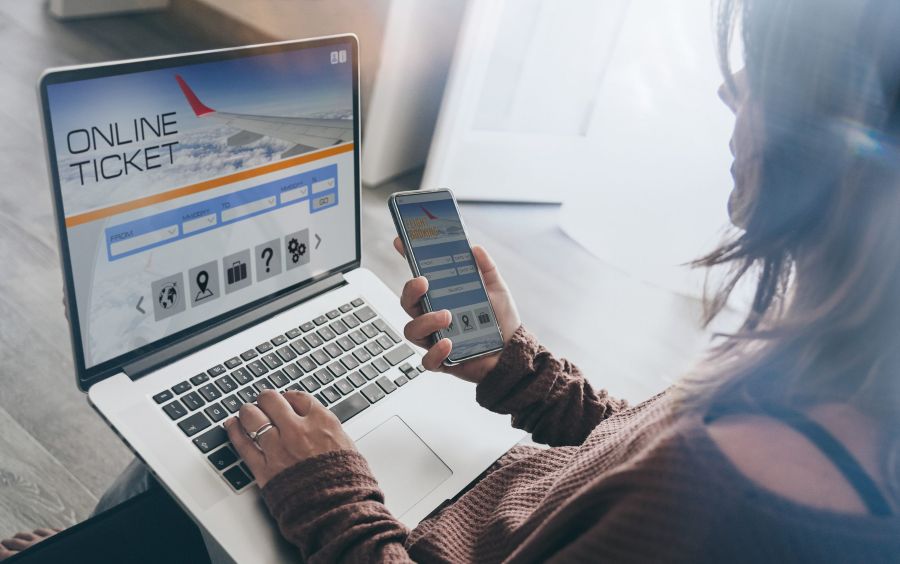
Where you stay and what you do can really make or break your trip. Locking in these essentials early gives you peace of mind and usually saves you cash compared to booking last-minute.
Comparing Lodging Options
When choosing where to stay, think about your budget, location, and what amenities you care about. Hotels offer convenience and daily housekeeping, but they’re often pricier.
Vacation rentals and apartments give you more space and a kitchen, which is perfect for longer trips or families.
Hostels are awesome for budget travelers who don’t mind sharing. Plus, they’re great for meeting new people. Bed and breakfasts feel homey and often come with a personal touch.
Location is huge! Staying central might cost more, but it’ll save you time and transit money. Always check reviews and cancellation policies before booking. Some places offer free cancellation until just a few days before arrival, which is a lifesaver if your plans change.
Securing Reservations and Tickets
Once you’ve nailed down your travel dates, go ahead and book your accommodations. If you’re traveling during peak seasons, waiting just means you’ll pay more and have fewer choices.
If there are must-see attractions on your list, check which ones require advance tickets. A lot of museums, theme parks, and tours now use timed entry. When you buy tickets early, you’re not just guaranteed entry—you’ll probably skip some of those infamous lines too.
Thinking about a complicated trip or want a unique experience? Maybe try a travel agent. They often have access to deals and packages you’d never find on your own. If you prefer to book things yourself, set reminders for when reservations open at popular restaurants or events. Those spots go fast.
Keep both digital and paper copies of your confirmations. If something goes wrong with the system or there’s a mix-up, you’ll thank yourself for having them close by.
Leveraging Technology for Trip Planning

Technology really has changed how we plan trips. It’s so much easier to organize everything now, and you can keep backup copies of your important info while you’re on the go.
Utilizing Itinerary Planners and Apps
Travel apps have made trip planning way less stressful. With apps like TripIt, Google Trips, and Wanderlog, you just forward your confirmation emails and they’ll build a detailed daily schedule for you.
AI-powered planners are popping up everywhere, too. Tools like ChatGPT can whip up custom itineraries based on your interests. You could ask for “a 3-day food tour of Chicago” or “family-friendly activities in Barcelona,” and get a decent starting point.
But let’s be real—AI isn’t perfect. Sometimes it suggests places that are closed or gives outdated info. Always double-check details on official sites after you get your AI-generated plan.
Here are a few more apps that might come in handy:
- Maps.me: Gives you offline maps for when you’re out of data range.
- Rome2Rio: Helps you compare transportation options between cities.
- Sygic Travel: Suggests walking routes between sights.
Saving Digital Copies of Plans and Maps
Always save digital backups of your travel docs. Take screenshots or save PDFs of your itinerary, hotel bookings, and tickets right on your phone. That way, even if you’re offline, you’re covered.
Cloud storage like Google Drive or Dropbox works great for this. Make a folder for each trip and share it with whoever you’re traveling with. Now everyone’s on the same page.
Download offline maps before you go. Google Maps lets you save whole areas, which is a lifesaver if you hit a bad signal or want to dodge roaming fees.
Email important documents to yourself as another backup. If your phone goes missing or dies, you can still pull up your plans from any computer.
Final Preparations and Travel Checklist
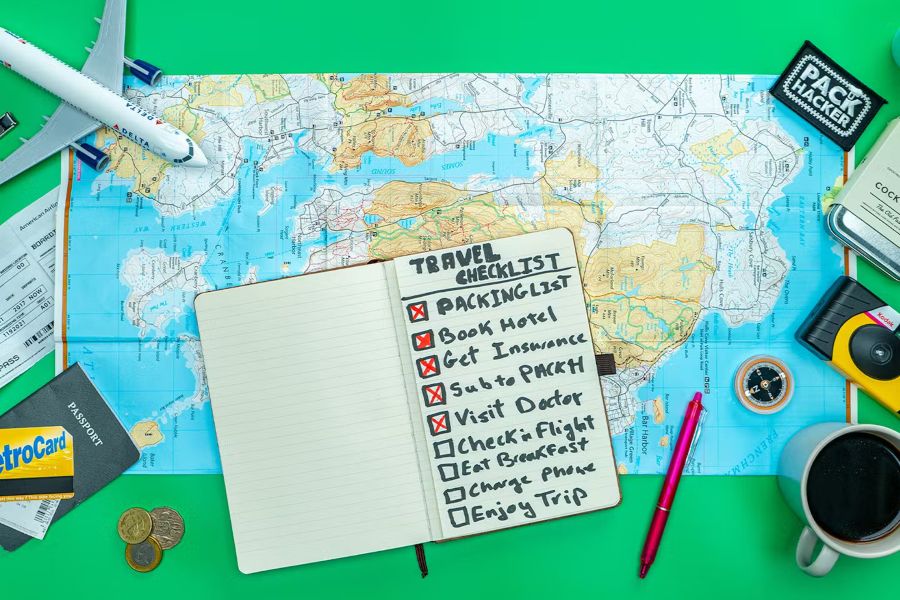
Those last few days before you leave? They’re more important than you think. Confirming your plans and packing thoughtfully now can save you from a world of hassle later.
Confirming Bookings and Documents
Double-check all your reservations. Call or email hotels to confirm your stay and see if they offer airport shuttles. Print or save digital copies of everything—hotels, flights, car rentals, activities.
Make a folder on your phone with screenshots of confirmation emails and travel insurance documents. I always stash a paper backup too, just in case my phone gives up on me.
Check your passport’s expiration date. Lots of countries want it valid for at least six months after you return. Don’t get caught off guard.
Share your full itinerary with someone you trust. Give them all your accommodation contacts and your daily plans. It’s one of those simple things that just makes everyone feel better.
Packing Essentials and Travel Gear
Start packing a couple of days before you leave. Trust me, packing the night before is a recipe for forgetting something. Make a checklist and break it down:
- Clothes (think about the weather)
- Toiletries (stick to travel sizes)
- Electronics and chargers
- Documents and money
- Meds
Get yourself a quality travel bag that fits your style. Backpacks are awesome for adventure trips, while roller bags are perfect for business travel.
Don’t forget those easy-to-miss items: power adapters, basic meds, a mini first aid kit, and a portable charger. I always throw in a reusable water bottle—it saves cash and cuts down on plastic.
Wear your bulkiest stuff, like boots or jackets, on travel days to save space in your bag. And hey, leave a little room for souvenirs or anything new you pick up along the way.
Frequently Asked Questions
Planning a trip can feel like a lot, right? Here are some answers to common questions that make organizing your itinerary a bit easier.
What are the essential steps in creating a travel itinerary for beginners?
First, pick your destination and decide how long you’ll stay. I know, it sounds basic, but your trip length shapes everything else.
Next, dig into your destination. Find out what you really want to see, check for local events, and consider the season. Make a list of what catches your eye.
Prioritize your top activities and group nearby sights together. You’ll save time and energy if you plan smart.
Figure out how you’ll get from place to place, and leave wiggle room for the unexpected. Surprises happen!
Book accommodations that match your daily plans. It’s way more efficient and lets you spend more time exploring.
How can one effectively organize their travel itinerary using a digital tool or app?
Google Maps is a lifesaver for visualizing your trip. Save must-visit spots with “Saved Places” or even make custom maps for each day.
TripIt is handy for pulling all your booking emails into a master itinerary. Just forward them and you’re set.
Use apps like Evernote or OneNote to stash your research. Separate notes for hotels, activities, and transportation keep things tidy.
Wanderlog and Roadtrippers are great for planning routes, estimating drive times, and finding cool stops along the way.
What should be included in a comprehensive travel itinerary template?
Your template needs dates and times for every activity, with clear start and end times so you don’t overbook yourself.
Add confirmation numbers and contact info for hotels, tours, car rentals, and restaurants. It makes checking in a breeze.
Include transportation details—flight numbers, train times, driving directions between places.
Jot down practical info like emergency numbers, embassy contacts, and where to find medical help nearby.
Estimate costs for activities, food, and transport to help you stick to your budget.
What are some tips for balancing free time and planned activities in an itinerary?
Limit yourself to 2-3 big activities each day. You’ll enjoy things more without feeling rushed.
Schedule downtime on purpose. Leave space for relaxing, people-watching, or wandering aimlessly.
Try planning just half-days. Structure your mornings, but keep afternoons open. It’s especially nice in hot places where you might want a break.
Keep your last day mostly free. It’s your chance to revisit favorites or check out new discoveries.
How can travelers accommodate flexibility within a structured itinerary plan?
Build in a couple of buffer days with no set plans, especially on longer trips. They’re perfect for weather hiccups or unexpected finds.
Have backup ideas for outdoor activities in case the weather turns. Indoor options can save the day.
Book hotels with free cancellation when you can. It gives you freedom to change plans without stress.
Only make dinner reservations for those truly special places. Let the rest happen naturally—sometimes the best meals are the ones you stumble into!
What are the advantages of using an Excel travel itinerary template over other formats?
With Excel, you can organize your trip details however you want—by date, location, or even by category if that’s your thing.
Sorting and filtering let you look at your plans from different angles, which is honestly pretty helpful.
When it comes to tracking your budget, Excel’s built-in formulas make it easy to calculate costs as you go.
You don’t have to stick to a default template, either. It’s simple to tweak things and add whatever you care about—maybe a packing list, emergency contacts, or just a list of restaurants you want to try.
And here’s something I really appreciate: you can use Excel offline. If the internet’s spotty or expensive where you’re going, just download your spreadsheet before you leave.
Sharing is straightforward, too. You can send the file to your travel buddies, and everyone gets to pitch in with their own ideas or preferences.
Leave a Reply