
Traveling with elderly parents can be an amazing way to make memories, but honestly, it takes a lot of planning and patience. I’ve realized the trick is finding the sweet spot between adventure and comfort.
When my mom hit 75, we went to Florida together and, wow, I learned a lot about what makes multigenerational trips both special and, let’s be real, occasionally challenging. Before you book anything, sit down and talk through your parents’ needs, limits, and wishes. Trust me, it’ll save you headaches later.
Airports usually have senior assistance—wheelchairs, priority boarding, the works. Just ask for it. It really can take the edge off the whole travel day. I always look for hotels with comfy seating and as few stairs as possible, and I add extra time for breaks. You’ll thank yourself later.
Key Takeaways
- Start with an honest chat about expectations and limitations.
- Request airport help and pick senior-friendly places to stay (think: few stairs).
- Bring all the meds, written prescriptions, and plan for regular rest breaks.
Planning the Trip With Elderly Parents

Honestly, a little extra planning goes a long way when you’re traveling with your parents. It’s about making things easier for them and making sure everyone actually has fun.
Good prep means you can focus on enjoying time together, not just managing logistics.
Assessing Mobility and Health Needs
Kick things off with a real conversation about what your parents can handle physically. Ask about how far they’re comfortable walking and how often they’ll need to stop and rest.
Write down every medication they take, including doses and times, and think about time zone changes if you’re going far.
If it’s a big trip, get their doctor involved for a quick pre-trip checkup. The doctor can clear them for travel and update any vaccines or prescriptions.
Pack extra meds just in case, and keep all the important health info handy. Even if your parents don’t usually use a walker or wheelchair, consider bringing one—airports and attractions can be way more tiring than you expect.
Selecting Accessible Destinations
Pick places that cater to seniors—think minimal stairs, easy transportation, and decent medical care nearby. Beach resorts, cruises, and big cities usually have great senior-friendly choices that mix comfort and fun.
Dig into the details when you research where to stay. Look for ground-floor rooms, elevators, grab bars in bathrooms, and places close to the action. Lots of hotels will help out if you ask ahead.
Don’t forget the weather. Older adults can struggle in extreme temps, so spring and fall are often best for getting out and about.
Ask your parents if there’s anywhere they’ve always dreamed of visiting. Sometimes that extra motivation makes a big difference.
Creating a Flexible Itinerary
Build in plenty of downtime. Let mornings start slow and plan to get back to your hotel early.
After a travel day, schedule a full rest day. Jet lag is no joke, especially for older folks.
Focus on a couple of main activities each day instead of trying to do it all. You’ll all enjoy each stop more if you’re not rushing everywhere.
Look for guided tours with small groups. These usually move at a gentler pace, and you’ll find more chances to sit and rest. Some companies even specialize in senior travel and know exactly what to offer.
Have backup plans in your back pocket. Know where the nearest medical facilities and pharmacies are. Travel insurance that covers medical emergencies and cancellations is a must when your parents are along for the ride.
Choosing Senior-Friendly Accommodation

Where you stay can make or break your trip with elderly parents. You want somewhere accessible, comfortable, and safe—otherwise, everyone’s going to be exhausted before you even start exploring.
Evaluating Accessibility Features
When I book hotels for trips with my parents, accessibility is my top concern. I filter for ADA-compliant or senior-friendly properties. Most booking sites let you do this now.
Look for:
- Wheelchair ramps and wide doors
- Grab bars in the bathroom
- Walk-in showers or shower chairs
- Emergency response buttons
- Staff who know how to help seniors
Call the hotel if you’re not sure about something. Most places are happy to explain their setup, and every senior has different needs.
Prioritizing Comfort and Safety
Comfort isn’t a luxury—it’s essential. I always look for hotels with good beds, quiet rooms, and solid temperature control.
Safety matters too. Check for:
- Well-lit hallways
- Non-slip bathroom floors
- 24-hour front desk
- Secure locks and entrances
- Close proximity to hospitals or clinics
I love when we can stay within a block or two of restaurants. After a long day, nobody wants to walk far for dinner. Vacation Rentals can sometimes feel more like home, which is nice for longer trips.
If you can, book somewhere with meals on-site. It’s so much easier at the end of a tiring day.
Booking Ground-Floor or Elevator Access Rooms
Stairs are the enemy when you travel with elderly parents. Always ask for a ground-floor room or double-check that the elevators work.
Think about:
- How far the room is from the lobby or dining area
- Number and reliability of elevators
- What happens if the elevator’s out of service
- Whether staff can help with luggage
Accessible rooms are usually close to elevators and exits. They don’t usually cost more, but they book fast, so reserve early.
At big resorts, ask if they have shuttle service between buildings. It’s a small thing, but it can save a lot of energy.
Transportation Considerations for Elderly Travelers

Getting around can be the trickiest part. The right transportation choices can make everyone’s life so much easier.
Assessing Air Travel Accessibility
When I fly with my parents, I always try for direct flights. Layovers just add stress and exhaustion.
Airlines usually offer special help for elderly travelers. Don’t be shy—ask for a wheelchair, even if your parent doesn’t always use one. Airports are huge and can tire anyone out.
Book seats with extra legroom near the front. It’s less walking and more comfortable. Ask about early boarding too. Most airlines let seniors and their companions board first, so you don’t have to rush.
Keep all medications in your carry-on. Fly Cheap to Top Destinations! sometimes lets you pick accessible seats right when you book.
Hiring Private Transfers and Accessible Taxis
Private transfers are a lifesaver. They pick you up at the door and drop you off exactly where you need to be—no wandering around with heavy bags.
Before you arrive, look up accessible taxi services. Lots of cities have cabs with ramps or extra space for wheelchairs. Book ahead if you can; these get snapped up quickly.
Rideshare apps work in many places, but check if they have accessible options. Some have “Assist” or “Access” rides for seniors or people with disabilities. Make sure your phone’s set up for international data or grab an eSIM so you’re not stuck without a ride.
Navigating Public Transit Options
Public transit can be a mixed bag for seniors. Research before you go—some systems have elevators and senior discounts, others not so much.
Try to avoid rush hour. Crowded buses or trains are tough for anyone, but especially for older adults. Late morning or early afternoon is usually quieter.
Bring a folding seat or a walking stick that doubles as a seat. It’s a lifesaver if you’re stuck waiting and there’s nowhere to sit.
Buy transit passes ahead of time to skip ticket lines. Visitor passes are often a great deal if you’ll use public transport a lot.
Packing Essentials for Senior Travelers
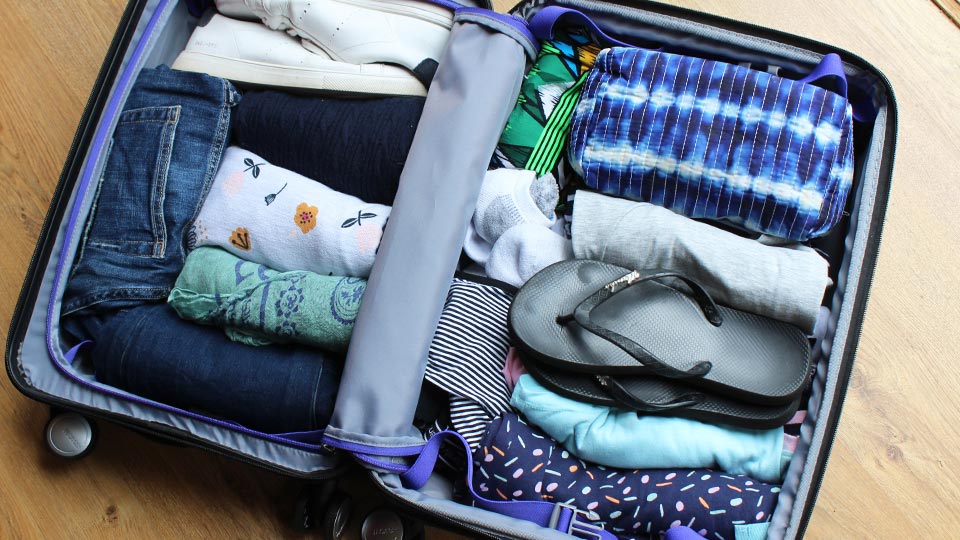
Packing right can make or break the trip. The right gear keeps things comfortable and stress-free.
Organizing Medications and Medical Supplies
Don’t mess around with medications—get a pill organizer with compartments for each dose.
Pack all meds in your carry-on, not checked bags. I always bring a printed list of prescriptions, including generic names, doses, and the doctor’s contact info.
A small medical kit is handy too:
- Painkillers
- Bandages and antiseptic
- Antacids or anti-diarrhea meds
- Blood pressure monitor if needed
Keep meds in original bottles, especially for international trips. Bring at least 50% more than you think you’ll need, just in case.
Clothing for Comfort and Weather
Layers are a must when traveling with elderly relatives. Go for lightweight, comfy clothes you can add or shed as needed.
Roll clothes to save space and avoid wrinkles. I always pack:
- Good walking shoes with non-slip soles
- Elastic-waist pants for easy dressing
- Light sweaters or jackets
- Something nice for a special night out
Don’t forget weather extras. Sun hats and scarves for hot places, gloves and warm hats for chilly spots.
Quick-dry and wrinkle-resistant fabrics are your friends. You can wash them in a hotel sink and they’ll be dry by morning.
Essential Travel Aids and Documents
A crossbody bag or money belt keeps valuables close and hands free.
Put these in a waterproof pouch:
- Passport and ID
- Insurance cards
- Emergency contacts
- Prescription copies
- Power of attorney documents
Bring extras like reading glasses (and a spare), a little magnifier for fine print, and a flashlight for dark hallways.
Packing cubes help keep things organized. Luggage with good wheels is a must. A travel pillow and sleep mask can make long journeys much more bearable.
Managing Health and Safety on the Road

Traveling with elderly parents means you have to stay on top of health and safety. A little prep can help you avoid most problems.
Arranging Travel Insurance for Seniors
Travel insurance for seniors is non-negotiable. Standard plans often skip pre-existing conditions, so shop for ones made for older travelers.
Some policies cover pre-existing conditions if you buy soon after booking your trip. Get a few quotes and compare.
Ask about:
- Emergency medical evacuation
- Trip cancellation for health reasons
- Coverage for medical equipment
- Prescription replacement
Medicare won’t cover you abroad, so double-check your policy. Some premium plans even let you cancel for any reason, which can be worth it for peace of mind.
Monitoring Health During the Trip
Keep meds in original bottles and bring extras. If your parent takes lots of meds at different times, write out a schedule.
Watch for:
- Dehydration (it sneaks up fast)
- Fatigue or low energy
- Bathroom needs
- Appetite or sleep changes
Build in rest days. Even a half-day off can make a huge difference.
Weather swings can hit seniors hard. Pack layers and keep an eye out for heat or cold stress. Check in often—just ask how they’re feeling instead of assuming all’s well.
Knowing Emergency Contacts and Local Healthcare
Before you leave, look up hospitals, urgent care, and 24-hour pharmacies at your destination. Save their addresses and numbers in your phone.
Keep this info handy:
- Doctor’s contact
- Medications and doses
- Brief medical history
- Insurance policy and phone numbers
- Embassy or consulate info
A temporary medical alert bracelet with key info isn’t a bad idea. Emergency numbers aren’t always 911—learn the local one before you go.
If you’re going abroad, double-check that your parent’s prescriptions are legal where you’re headed. Some common US meds are restricted elsewhere. Always carry a doctor’s note for prescription drugs.
Adapting Activities and Sightseeing

You have to tweak your sightseeing plans when you travel with elderly parents. Balancing fun activities with comfort keeps everyone happy and makes the trip genuinely enjoyable.
Selecting Senior-Friendly Tours
Search for tours that actually cater to seniors or folks with limited mobility. These days, a lot of destinations now feature “slow travel” options, which means less walking and more rest stops.
Before you book, just call and ask about accessibility. Find out if they have ramps, elevators, or plenty of places to sit down.
Consider these senior-friendly tour ideas:
- Small group tours (usually fewer than 12 people)
- Hop-on, hop-off buses so you can take breaks as needed
- Guided tours with flexible, knowledgeable guides
- Museum tours where benches are easy to find
Plenty of historic sites and museums lend out wheelchairs or mobility scooters. Go ahead and request these ahead of time. Your parents might resist at first, but after a long day, they’ll probably be glad for the help.
Balancing Rest with Exploration
Plan days around your parents’ energy. Most older travelers handle active mornings best, then need restful afternoons.
Try sticking to one big activity per day rather than cramming in too much.
Make regular breaks part of your routine. A coffee stop or a park bench can really make the difference between a fun day and total exhaustion.
If your parents usually nap, consider heading back to your hotel in the afternoon.
Keep your schedule flexible. Adjust plans on the fly if someone’s tired or the weather turns. Maybe that walking tour becomes a scenic drive or a quiet museum visit instead.
Focus on quality experiences over checking off a list of sights.
Nutrition and Dining With Elderly Parents

Feeding your elderly parents well on a trip takes some extra thought. Food is more than fuel—it’s often a highlight, but you’ll need to plan with their needs in mind.
Planning for Dietary Restrictions
Before you leave, jot down your parent’s dietary restrictions and any meds that affect their eating schedule. Many seniors need to take medicine with food or at set times.
Pack snacks they like and can eat easily—granola bars, dried fruit, or nuts usually work.
Booking a place with a kitchen can make things easier. You’ll have the option to cook simple meals that fit their diet, especially if restaurants can’t accommodate.
Remember to bring any special utensils or feeding aids your parent relies on. And always have extra water—dehydration sneaks up fast, especially for older travelers.
Call airlines or tour companies ahead of time if you need special meals. Most are pretty willing to help if you give them some notice.
Finding Accessible Restaurants
Check out restaurant options before you arrive. Look for places with easy entrances, comfy seating, good lighting, and bathrooms on the main floor.
Review sites can help, but don’t be shy about calling to ask about accessibility.
Try eating during quieter times. Off-peak hours usually mean less noise, faster service, and a lot less waiting around.
Buffets can be tricky for folks with mobility issues. If you do go, offer to get their food, or ask staff if they can help.
Supporting Independence and Well-being
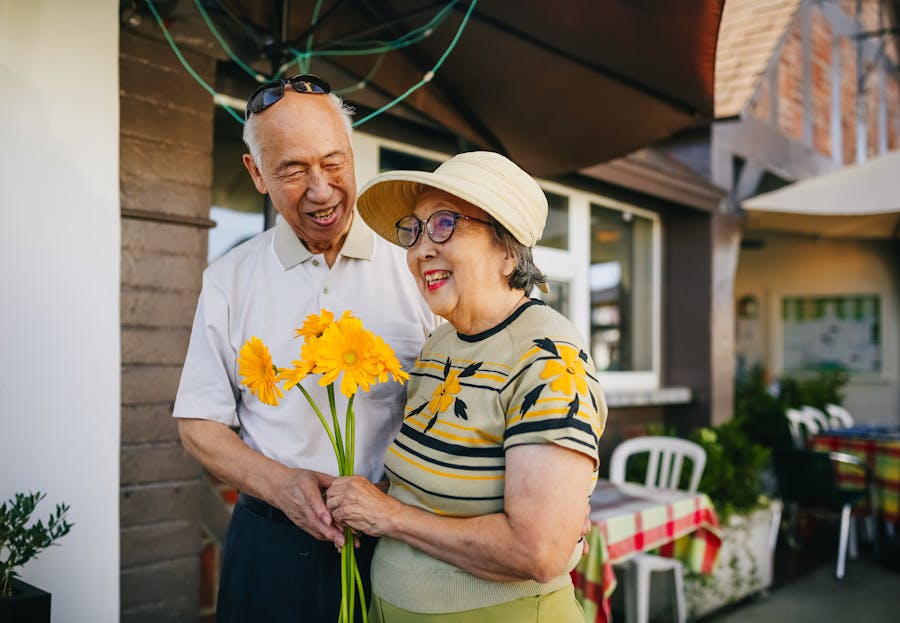
Traveling with elderly parents is all about striking a balance—helping out when needed, but letting them stay independent. The goal? Keep their dignity intact while making sure everyone’s comfortable.
Encouraging Participation and Enjoyment
Bring your parents into the planning from the get-go. Ask what they want to see and do. It gives them a sense of ownership.
“My mom always surprises me with what she wants to do,” one traveler said. “I assumed she’d skip the hiking trail, but it ended up her favorite part of our Colorado trip!”
Try these ideas to keep everyone involved:
- Morning planning sessions over breakfast
- Adaptive activities that work with mobility challenges
- Flexible schedules with plenty of downtime
- Photo ops to help them feel included
Give them little responsibilities that suit their abilities. Maybe they can hold the map, pick a restaurant, or keep an eye out for souvenirs.
Respecting Preferences and Boundaries
Pay attention if your parents seem uncomfortable or say “no.” Some older travelers get overwhelmed by too much activity or unfamiliar places.
Set up a simple signal for when they need a break or want to head back to the hotel. This can spare everyone some awkwardness.
People’s preferences around privacy and care differ a lot. Some are fine with help managing medication, others want to do it solo.
Watch out for common boundary missteps:
- Jumping in to help with things they can do themselves
- Making choices without their input
- Answering for them at restaurants or on tours
- Rushing them through something they’re enjoying
“You know your parents best,” a family travel expert points out. “If your dad’s always been fiercely independent, he’ll still want to carry his own bag—even if it takes longer.”
Communication Tips for Multigenerational Trips

Good communication is the backbone of a successful trip with elderly parents. When you’ve got different generations traveling together, understanding each other’s needs can make the whole experience better.
Addressing Concerns and Expectations
Have a family chat before you go. Ask your parents what they want out of the vacation and talk honestly about any health issues or physical limitations.
Sometimes, they won’t bring up concerns unless you ask. “I can’t walk as far as I used to,” my dad finally admitted before our Rome trip. That little confession helped us plan so much better.
Make a short list of must-see attractions and rank them. This helps when you need to prioritize on the fly.
Be upfront about:
- How fast you’ll move each day
- How much rest everyone needs
- Food preferences
- Budget stuff
Your parents might worry about slowing you down. Let them know their comfort matters and that moving slowly often leads to the best memories.
Bridging Technology Gaps
Tech can bring generations together—or leave some folks out. Set up a family group chat that your parents can actually use. If they’re not techy, go with the simplest option and show them how it works.
I spent an afternoon helping my mom install WhatsApp before our trip. Totally worth it—she loved sharing photos with us.
Try these tech ideas:
- Shared photo albums for everyone’s pictures
- Voice messages for easier chatting
- Navigation apps with big text
- Portable chargers—especially helpful for seniors
Don’t count on digital tools alone. Print out hotel addresses, reservations, and emergency contacts. A paper backup can be a lifesaver for anyone uneasy with smartphones.
Budgeting for Senior Travel
Traveling with elderly parents takes some financial planning if you want to avoid money stress. Smart budgeting means hunting for age-based discounts and padding the budget for surprises.
Identifying Senior Discounts
Loads of businesses offer deals for older travelers, but you often have to ask. Your parents might get cheaper rates on hotels, trains, or attractions if they’re over 60 or 65.
AARP membership is a real bargain—just $16 a year for discounts on hotels (up to 15% off), car rentals, and cruises.
Don’t overlook these senior perks:
- National parks (lifetime pass for US citizens 62+ is $80)
- Museums and cultural spots (often 10-20% off)
- Amtrak (10% off for 65+)
- Restaurants (many give 10-15% off at certain times)
Planning for Additional Costs
Traveling with elderly parents means factoring in extras that younger folks might skip. Travel insurance becomes more important—and yes, it costs more as you age—but it’s worth the peace of mind.
Medical needs might require a bigger budget. Pack enough meds for the trip plus a few days extra. Some medicines need special storage, which could mean pricier accommodations.
Comfort upgrades can be worth every penny. Pay extra for:
- Direct flights (skip the hassle of connections)
- Better seats with more legroom
- Ground floor hotel rooms
- Private transportation instead of public transit
I usually budget about 15-20% more than I would for a regular trip. That covers senior-specific needs without stressing over money while you’re away.
Frequently Asked Questions
Traveling with elderly parents brings up lots of practical questions—comfort, accessibility, planning, and more. Here are some answers that might help your next family adventure go a bit smoother.
What are some essential tips for making international travel comfortable for elderly parents?
Always keep necessary medications in your carry-on, and bring extra doses in case of delays. Make copies of prescriptions and, if possible, have them translated into the local language.
Request special accommodations like wheelchair assistance or dietary-specific meals before your trip. Many hotels abroad have senior-friendly rooms with grab bars and emergency buttons.
Buy travel insurance that covers pre-existing conditions and emergency medical evacuation. It could save you thousands if something unexpected happens.
How can you make air travel a smooth experience for seniors with mobility issues?
When you book, request wheelchair assistance—even if your parent only needs it for long distances. It’s free and lets you skip lines and get help through the airport.
Pack comfort items: compression socks, a neck pillow, and a light blanket can help with circulation and comfort. Noise-canceling headphones are a game-changer, too.
Book direct flights when you can. If you need to connect, make sure there’s at least 90 minutes between flights so you don’t have to rush.
What should you consider when planning a road trip with elderly parents?
Plan shorter driving days and stop every 1-2 hours so everyone can stretch and use the bathroom. This helps prevent stiffness and discomfort.
Check out medical facilities along your route, just in case. Keep a list of hospitals and urgent care centers near your stops.
Pick hotels with first-floor rooms or reliable elevators. Plenty of budget hotels now offer accessible rooms with walk-in showers and other helpful features.
Which travel groups and tours are best suited for seniors looking for companionship on trips?
Road Scholar (formerly Elderhostel) specializes in educational trips for older adults. Their tours accommodate all sorts of mobility levels.
Viking River Cruises and Holland America attract mature travelers and offer less physically demanding excursions and plenty of onboard activities.
AARP members get discounts on group tours through companies like Collette and Grand Circle Travel. These trips are known for their senior-friendly pace and itineraries.
What are the procedures and assistance available at airports for traveling with elderly passengers?
Most airports have special assistance services you can book 48 hours in advance. These include dedicated check-in and security lanes for those who need extra help.
TSA Cares offers extra support through security for seniors with medical devices or mobility aids. Contact them 72 hours before your flight for personalized help.
Many international airports run electric carts between gates for passengers who have trouble walking long distances. If you don’t see them, just ask at an information desk.
How much should you budget for when hiring a travel companion for an elderly family member?
Most professional travel companions charge somewhere between $150 and $300 a day, plus whatever their travel expenses end up being. The price really depends on what kind of medical background they have and what you’ll actually need them to do.
Sometimes, insurance will pick up part of the tab if your companion needs to provide medical help. It’s worth digging into your parent’s policy before you start making calls.
If you’re hoping to save a bit, you might want to look into student nurses or certified nursing assistants. They usually ask for less money but can still offer good care while traveling.
Leave a Reply