
Planning a round-the-world trip can feel overwhelming at first, but breaking it down into bite-sized steps really helps. I think the trick is figuring out if you want to dive deep into one region or bounce between continents for more variety.
Start by jotting down your bucket list of dream destinations, then sketch out a logical route—east or west, whatever makes sense.
There are so many ways to travel. Some people swear by booking round-the-world flight tickets for multiple stops in a single direction. Others like to mix it up—maybe trains in Europe, overland buses in Asia, and flights for those big ocean crossings.
Your budget, how much time you have, and your personal travel style will all shape what works best.
Key Takeaways
- Start with a bucket list, then arrange your destinations in a logical east-to-west or west-to-east route to avoid backtracking.
- Decide between round-the-world flight tickets or a mix of transportation, depending on your budget and what feels right.
- Choose to either explore one region in depth or hop between continents, based on your time and travel goals.
Defining Your Round The World Trip
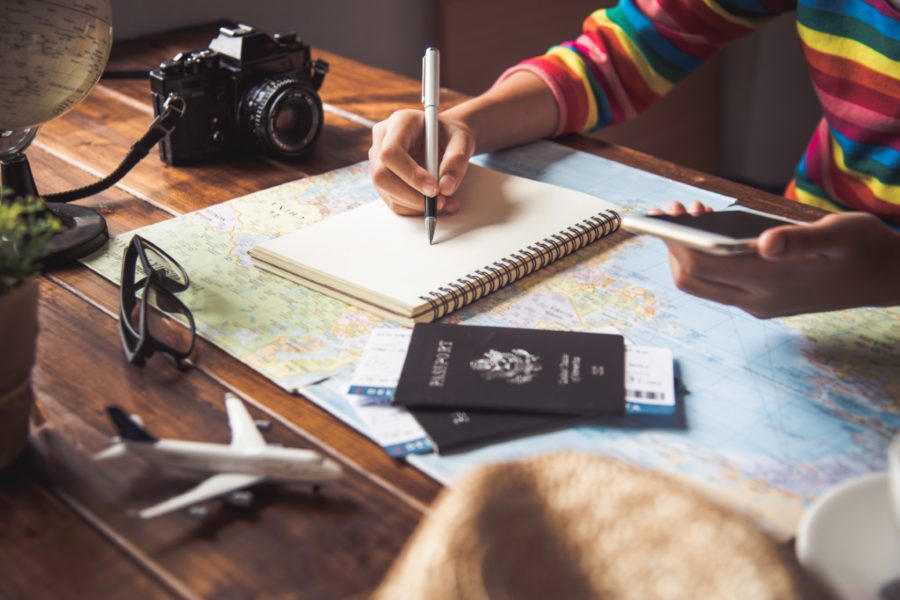
Before you start booking anything, take a moment to define what a round-the-world (RTW) trip really means for you. Your personal vision will shape every decision, from the length of your journey to the continents you’ll visit.
Clarifying Your Travel Goals
What do you want from this trip? It’s a simple question, but it deserves some real thought. Are you after adventure in remote places or do you want the comfort of big cities?
Some travelers chase new cultures, others are all about natural wonders or adrenaline activities.
Write down your must-have experiences. Maybe you’ve always wanted to hike Machu Picchu, see Japan’s cherry blossoms, or volunteer somewhere in Southeast Asia.
Your goals could include learning to cook local dishes or picking up a new language.
Don’t just focus on places—think about experiences too. Want to work remotely on the road? Make friends with locals? Your answers will help you narrow down where to go.
Choosing a Travel Duration
Time is probably the biggest factor in planning your RTW trip. Most people who travel long-term spend anywhere from 3 months to a year on the road, but it all depends on your situation.
Think about:
- Budget: Longer trips need more savings.
- Work: Can you take a break or work as you go?
- Visas: Some places only let you stay 30-90 days.
- Pace: Moving too fast can burn you out.
Honestly, slower travel usually feels more rewarding—and it’s cheaper. Spending a few weeks in each spot helps you see more than just the tourist highlights.
Weather matters too. You probably don’t want to hit Southeast Asia in monsoon season or Australia during peak summer, right?
Setting Priorities for Destinations
With the whole world out there, you need to set some priorities. Start with your dream list, then sort it into “must-visit” and “nice-to-visit.”
Group places by region to cut down on long-haul flights. Zigzagging across the world wastes money and time. Pick a general direction—east or west—and stick to it.
Consider:
- Seasonality: What’s the best time for each place?
- Cost: Mix pricey countries with budget-friendly ones.
- Proximity: Keep nearby destinations together.
- Events: Festivals or natural wonders you want to catch.
Be realistic about what you can do in your timeframe. It’s better to really experience six countries than rush through fifteen.
Budgeting and Saving Money

Money can make or break your adventure. With some planning and clever choices, you can stretch your cash and see more of this planet.
Estimating Costs for Your Trip
Start by listing out every possible expense—flights, places to sleep, food, activities, visas, transport, and that emergency stash you hope not to touch. A rough guide: budget $50-150 per day, depending on your style and where you’re headed.
Costs swing wildly between regions. Southeast Asia might run you $30-40 a day, but Western Europe? Easily $100+.
Don’t forget sneaky extras like travel insurance, phone plans, shots, and gear. Those add up fast.
I’m a fan of spreadsheets for this. Break down costs by country and category—it gives you a clearer idea of what you’ll really need.
Strategies for Saving Money
Start saving as early as you can. Set up a travel fund and automate your deposits—even small amounts grow over time.
Look for ways to cut back on daily expenses. Those fancy coffees and streaming subscriptions could pay for days of travel if you stash the cash instead.
Be flexible. Traveling in shoulder seasons (between peak and off-peak) can save you 30-40% on places to stay and flights.
Check out work exchange programs like Workaway or WWOOF. Trading a few hours of work for a free bed can keep you on the road longer.
Travel slow. The less you move, the less you spend on transport—and you can often score better deals for longer stays.
Use flight comparison sites and set up fare alerts. Jump on deals when they pop up—you can save hundreds.
Planning a Realistic Daily Budget
Track your spending closely during your first few weeks. It’ll help you spot where your money’s going and adjust as you need.
Divide your daily budget into:
- Essentials: Accommodation, food, transport (60-70%)
- Activities: Tours, attractions, fun stuff (20-25%)
- Miscellaneous: Laundry, souvenirs, surprises (10-15%)
Live like a local when you can. Eat at local spots, use public transport, shop at markets. It’s cheaper and honestly, way more fun.
Mix hostels and guesthouses with occasional splurges. Hostels are great for meeting people, while apartments work well if you’re staying longer.
Treat yourself now and then—it’s your trip! Some experiences are worth going over budget for.
Choosing Destinations and Crafting an Itinerary

Planning a round-the-world trip means picking your dream spots and mapping out a route that actually works. You want to balance your bucket list with real-world stuff like weather, distance, and must-see sights.
Highlight Destinations Around The World
Start with your dream list. South America’s got it all: ancient ruins like Machu Picchu, lively cities like Buenos Aires. India? The Taj Mahal is just the beginning—there’s so much to see.
Southeast Asia should be high on your list for cheap travel and amazing food. Angkor Wat at sunrise in Cambodia is unforgettable, and you really need a couple of days to take it all in.
If you love the outdoors, New Zealand’s wild landscapes are straight out of a fantasy movie. And don’t sleep on Scandinavia—Oslo has cool design vibes and those epic fjords.
Mix big-name spots with lesser-known places that fit your interests. Into hiking? Nepal’s trails or New Zealand’s tracks are hard to beat.
Planning Multi-Continent Routes
The smartest RTW routes stick to one direction—east or west. Backtracking wastes your time and money.
A lot of people go for a northern route (Europe, Asia, North America) or a southern route (South America, Africa, Oceania). Here’s a sample route you might try:
- Start in North America
- Hop over to Europe
- Continue into Asia/Southeast Asia
- Wrap up in Australia or New Zealand
Alliance-based RTW tickets can be a good deal, but they come with strings attached—usually 3-5 stops, and you have to keep moving in one direction.
If you book flights separately, you get more freedom but need to plan carefully. Budget airlines for short hops and the occasional splurge for long-hauls can balance things out.
Scheduling for Seasonality and Weather
Timing is everything. You don’t want to be in India during monsoon or hiking in Nepal in the pouring rain.
Think about:
- Southeast Asia: Best in the dry season (November-April)
- New Zealand: Warmest from December to February
- South America: September-November works for lots of places
- India: October-March is the sweet spot
Peak season means higher prices and more crowds. Shoulder seasons are often perfect—good weather, fewer tourists. April-May in Europe, for example, gives you nice temps without the summer mobs.
Stay flexible so you can chase good weather around the globe.
Incorporating Iconic Sites and Experiences
Go beyond landmarks—think about experiences that make a place special. Sure, see the Taj Mahal, but maybe take a cooking class in India or hit up a local festival.
Make two lists: must-sees and nice-to-haves.
Must-See Examples:
- Hike to Machu Picchu
- Explore Angkor Wat temples
- Watch the sunrise at the Taj Mahal
- Take a fjord cruise near Oslo
If you’re active, add in hikes like New Zealand’s Great Walks or trekking in the Himalayas. These things often end up being the highlight of your trip.
Don’t overplan. Leave space for spontaneous adventures and local suggestions. Some of your best memories will come from stuff you didn’t expect.
Mix iconic sights with real, local experiences. That’s how you get to know a place for what it really is.
Understanding RTW Tickets and Flights
Round-the-world (RTW) tickets let you visit lots of places across different continents on a single trip. They have their own quirks, pros, and cons, so it’s good to know what you’re signing up for.
What Is a RTW Ticket?
A Round-the-World ticket bundles your flights into one big package, letting you travel in one direction (east or west) with several stops.
Usually, you’ll need to:
- Start and finish in the same country
- Keep moving in one direction
- Cross both the Atlantic and Pacific
- Finish your trip within a set time (usually 12 months)
The big perk is saving money compared to booking all those flights separately. You also get your route planned out ahead of time, though that means you lose some flexibility. Most RTW tickets let you pick 3-15 stops, depending on your budget and the ticket.
Major Airline Alliances and Options
Three big airline alliances offer RTW tickets, each with their own rules:
Oneworld Alliance uses continent-based fares through their “Oneworld Explorer.” You pick based on the number of continents, not miles.
Star Alliance does distance-based tickets—tiers like 26,000, 29,000, or 34,000 miles. Your price depends on your total distance and class.
SkyTeam has similar distance-based options.
Travelers often share their RTW experiences on FlyerTalk forums. Each alliance covers different regions better, so your choice depends on your route.
Booking Stopovers and Open Jaws
Stopovers and open jaws are what make RTW tickets flexible. A stopover means you stay in a city for more than 24 hours before moving on. Most RTW tickets let you plan several stopovers, so you actually get to experience each place.
Open jaws are when you fly into one city and leave from another. For instance, you could land in Rome, travel overland to Venice, then catch your next flight from there. This helps you see more without backtracking.
When you book, think about:
- Planning longer stopovers in complex places
- Using open jaws to explore by land
- Booking Fly Cheap to Top Destinations for side trips
You can usually change dates on RTW tickets, but switching destinations can cost you. So, choose your main stops carefully before you lock in your ticket.
Visas and Entry Requirements
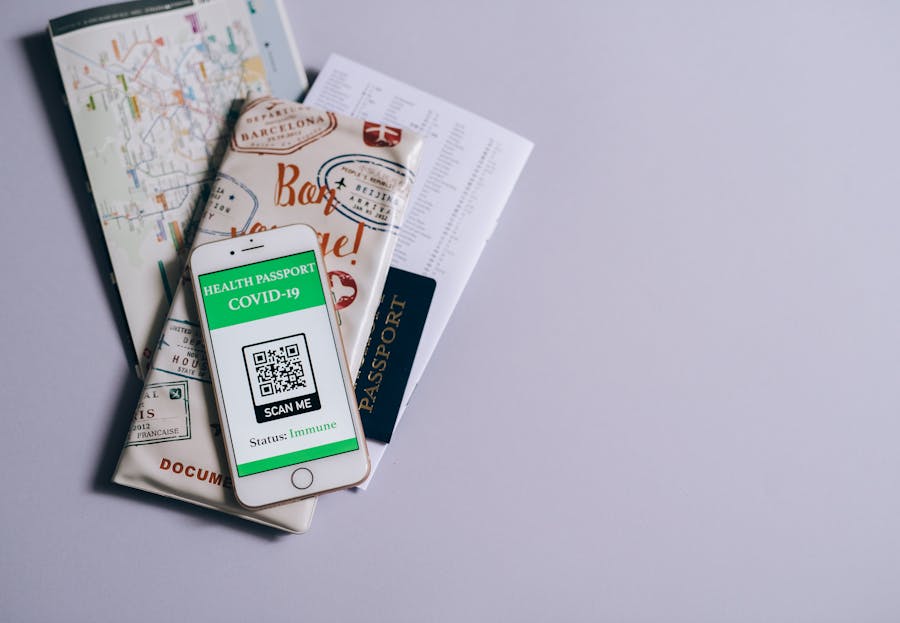
When you’re planning a round-the-world trip, you need to pay attention to entry rules for every country you’ll visit. Each place has its own quirks—how long you can stay, what paperwork you need, and when to apply.
Researching Visa Requirements for Each Country
Make a list of every country on your route and check their entry rules. Most countries want your passport to be valid for at least six months past your departure date. Places like Australia, New Zealand, and Canada need electronic travel authorizations, even if you don’t need a full visa.
For India, you’ll have to apply for a visa in advance. They offer e-visas online, but it can take three or four days to process.
Visa rules change all the time, so always check official embassy sites or use services like VisaGuide.World for the latest info. Some countries let certain nationalities in visa-free, while others are stricter.
Organizing Visa Applications and Documentation
I usually create a spreadsheet or use a travel app to keep track of visa requirements, costs, and deadlines for each country on my itinerary. Apply for visas in the order you’ll need them, but honestly, start early—some embassies take ages to process applications and you don’t want last-minute stress.
Keep both digital and physical copies of these essentials:
- Passport (make sure you have at least 10 blank pages)
- Visa applications and receipts
- Extra passport-sized photos
- Proof of onward travel (lots of countries ask for this)
- Travel insurance papers
- Vaccination records if needed
If your route looks complicated, you might want to hire a visa service company. They do charge extra, but they can save you a ton of hassle with tricky countries.
Back up your digital documents in cloud storage you can access from anywhere. I always email copies to myself and someone I trust back home, just in case.
Health, Safety, and Travel Insurance

Taking care of your health while traveling the world needs more than just tossing a first aid kit in your bag. You have to think about preventive steps, solid insurance, and how to stay healthy on the road.
Immunizations and Vaccinations
Check what shots you need at least 4-6 months before leaving. Every country has its own set of rules and recommendations.
Most travelers get these vaccines:
- Hepatitis A and B
- Typhoid
- Yellow Fever (sometimes required)
- Tetanus-diphtheria
- COVID-19 (plus boosters)
Sure, the CDC’s travel website lists country-specific advice, but honestly, visiting a travel clinic is way better. Those folks can tailor a vaccination plan just for you.
Keep both digital and paper copies of your immunization records. Border officials sometimes ask for proof, especially for yellow fever in parts of Africa and South America.
Selecting Travel Insurance
Don’t even think about leaving home without travel insurance. Regular health insurance almost never covers you abroad, and nobody wants to deal with huge medical bills in a foreign country.
Pick a travel insurance policy that covers:
- Emergency medical care (shoot for $250,000+)
- Medical evacuation (absolutely necessary if you’re going off the grid)
- Trip cancellation or interruption
- Lost luggage
- Adventure activities if you plan on doing anything wild
Compare travel insurance quotes from different companies to find what works for you. If you’re going around the world, multi-trip or long-term policies usually give you better value than single-trip ones.
Some countries now require proof of travel medical insurance for entry. Double-check visa requirements and keep your policy details handy.
Staying Healthy on the Road
Staying healthy on the road is a constant thing—not just something you do before you leave. Clean drinking water should be at the top of your list in a lot of countries.
Pack these basics:
- Water purification tablets or a portable filter
- Hand sanitizer and wet wipes
- First aid kit
- Prescription meds (with copies of your prescriptions)
- Over-the-counter stuff for common issues
Jet lag and travel fatigue will mess with your immune system. Give yourself time to adjust, drink water, and try to keep up some kind of exercise routine.
Food safety changes a lot from place to place. The old rule “boil it, cook it, peel it, or forget it” still holds up in sketchy food situations. Street food is awesome, but stick to busy stalls where locals eat and food gets cooked right in front of you.
Accommodation Options for Round The World Travel

Where you sleep each night can make or break your trip. The kind of accommodation you pick will affect your budget and your experience way more than you might expect.
Choosing Between Hotels, Hostels, and Alternative Stays
Hotels give you privacy and comfort, but the cost adds up fast. Hostels are perfect if you’re watching your budget and want to meet other travelers. I once stayed in a Bangkok hostel for $8 a night and made friends I’m still in touch with years later.
Vacation rentals like apartments or houses offer more space and a kitchen, which saves you money on food. Don’t forget about quirky options like:
- Homestays with locals
- House-sitting gigs
- Couchsurfing
- Monasteries or temples (in some countries)
- Overnight trains or buses that double as accommodation
Let your budget and the experience you want guide your choices. Mix things up. Sometimes, splurging on a nice place is just what you need to recharge.
Booking in Advance vs. Spontaneously
Booking your first few nights in each place is a lifesaver, especially after a long flight. For popular spots or high season, book ahead—I once landed in Amsterdam during a festival with no reservation and paid three times the normal rate.
But leaving some nights open gives you flexibility for detours or longer stays in places you fall in love with. In less touristy areas, you can often just walk in and negotiate a better rate. Guesthouses sometimes offer discounts for longer stays or if you pay cash.
I usually book the first 2-3 nights in each new country, then play it by ear. That gives me time to get my bearings without locking me into a rigid schedule.
Packing For a Round The World Trip
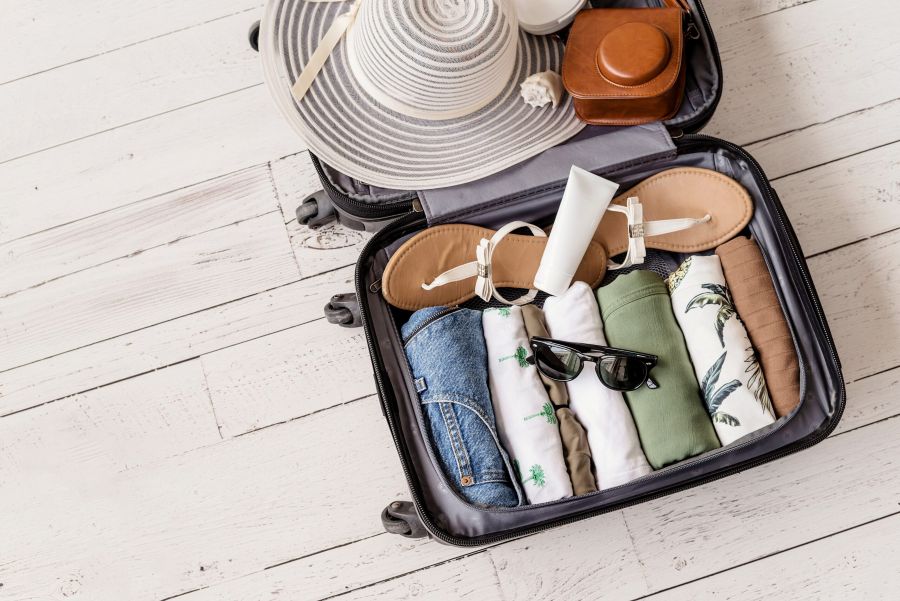
Packing for a trip like this takes more thought than you might expect. The right gear makes everything easier, but overpacking is a mistake you’ll regret every single day.
Creating a Practical Packing List
Start by looking up the weather for everywhere you’re going. In my experience, layers are a life-saver on a round-the-world trip. Stick to clothes that mix and match—neutral colors make it easy to create different outfits.
Here’s what usually works: 5-7 tops, 2-3 bottoms, one warm layer, a rain jacket, and about a week’s worth of underwear. Quick-dry fabrics are a godsend—they wash easily in a sink and dry fast.
Don’t forget:
- Passport and copies of important docs
- Universal power adapter
- First aid basics
- Comfortable shoes
- Small daypack
Most things can be bought abroad if you forget them. I used to stress about little things like sunscreen, but sometimes it’s even cheaper at your destination.
Essential Gear and Luggage Choices
Choosing your main bag is a big deal. A good travel backpack usually beats rolling luggage for trips like this. Aim for 40-65 liters, and make sure it has decent back support and compartments.
Be picky about tech. A smartphone with a solid camera might be all you need. Consider:
- Portable charger
- Unlocked phone for local SIMs
- Compact travel towel
- Security items (locks, money belt)
Packing cubes honestly changed how I travel. I use different colors for clothes, toiletries, and electronics.
Toiletries? Go minimal—travel sizes only. Hotels often provide the basics, and you can restock as you go. Solid shampoo bars and toothpaste tablets save space and skip liquid restrictions.
Finding and Booking Travel Deals

Hunting for deals can make your round-the-world adventure way more affordable. It takes some patience and a bit of strategy, but the savings are worth it.
Working with a Travel Agent
Travel agents still have a place, especially for complicated trips like these. They get access to special RTW fares through airline alliances like Star Alliance and Oneworld that you might never find online. A good agent can help you hit more destinations for less money.
If things go sideways, they can really save your trip. Flight gets canceled in Bangkok at 2 AM? Let your agent deal with rebooking while you get some sleep.
Look for agents who know round-the-world trips inside out. They know tricks like which direction is cheaper or which airports make the best hubs. Some will even help with visas and insurance.
Leveraging Travel Communities and Forums
Online communities like FlyerTalk are packed with deal info from seasoned travelers. People share mistake fares, secret promos, and creative routes that can save you a fortune.
Reddit’s r/travel is another goldmine—tons of real-world advice about planning, budgeting, and finding hidden gems.
Join Facebook groups for RTW travelers. Folks post about deals they’ve just found or share discount codes.
Don’t just read—ask questions about your route. Travelers love sharing tips and might point out deals you’d never find on your own.
Maximizing Experiences While Traveling

Traveling the globe is about collecting moments, not just passport stamps. The best memories usually come from diving into local culture or trying something you never thought you’d do.
Exploring Local Culture and Cuisine
Local markets are goldmines on a round-the-world trip. You get a real sense of daily life, and the food is often incredible. Show up early for the best action—locals shop and street vendors serve breakfast then.
Learning even a few words in the local language goes a long way. A simple “hello” or “thank you” can open doors you never expected.
Try a homestay with a local family. When I stayed with a family near Angkor Wat, they showed me temples I never would have found on my own.
Food tours are absolutely worth it. You get to try new dishes and hear the stories behind them. For street food, follow the locals—if there’s a line, it’s probably good.
Participating in Outdoor Adventures
Nature delivers some of the best travel moments. Hiking gives you views you just can’t get any other way. I’ll never forget the sunrise hike at Angkor Wat—even if it meant waking up at 4 a.m.
Pack gear that works for different environments. Quick-dry clothes, sturdy shoes, and a daypack are musts.
If you’re visiting the Taj Mahal, go at sunrise. The light is unreal, and you’ll avoid the crowds and midday heat.
Look for community-based tourism. Local guides know the area best, and hiring them puts money right back into the community.
Frequently Asked Questions
Planning a round-the-world trip gets complicated fast. Here are some answers to common questions that might help you get started.
What are the essential steps to organizing a round-the-world trip?
Decide how long you can travel—this shapes everything from your budget to your visa needs. Two weeks? Six months? A year? Be honest about what works for you.
List your “must-see” destinations. These anchor points help you map out your route.
Check seasons. You don’t want to hit Southeast Asia during monsoon or Patagonia in the dead of winter (unless you like that sort of thing).
Look up visa requirements early. Some places need months of lead time, while others let you get a visa on arrival.
How can I create an itinerary for a 6-month globe-trotting adventure?
If you’ve got six months, aim for 8-12 countries. Trying to cram in more usually leads to burnout.
Space out long-haul flights every 2-3 weeks. That way, you actually get to enjoy each region and avoid constant jetlag.
Stay flexible. Some of my best adventures happened when I ditched my plan after meeting other travelers with great tips.
Group countries by region to avoid backtracking and save money. For example, hit Southeast Asia before heading to Oceania.
What are the average costs associated with a year-long world trip, and how can I budget for it?
A year-long trip usually costs $20,000-$50,000 per person, depending on your style and where you go. Hostels and budget travel keep you on the lower end.
Places like Western Europe, Australia, and Japan will eat through your budget fast. Southeast Asia, India, and South America are much cheaper.
Set a daily budget for each country. Include everything—accommodation, food, activities, transport, and a little extra for surprises.
Keep an eye on seasonal prices. Traveling in the shoulder season (just before or after peak) can save you a lot and still give you decent weather.
How do you choose destinations for a global trip lasting several weeks to several months?
Let your interests guide you, not just famous sights. Into diving? Pick places with great reefs. Food lover? Plan around culinary hotspots.
Think about weather and go during the best season for each spot. Sometimes, that means going against the typical round-the-world direction.
Map out a logical route to cut down on travel time and costs.
Ask yourself what kind of experiences you want, not just which boxes to tick. Sometimes the best memories come from less famous places.
What are the best resources for booking around-the-world trip packages?
Specialized travel agencies like STA Travel and Flight Centre offer RTW ticket packages—these can be way cheaper than buying separate flights.
Airline alliances like Star Alliance, Oneworld, and SkyTeam sell RTW tickets with rules about direction and number of stops.
Airtreks is great for creative multi-stop routes that traditional agencies might not catch.
For DIY booking, use flight comparison tools like Skyscanner and Google Flights to hunt for deals on each leg.
Can you provide tips for planning a round-the-world trip using a trip planner map?
Grab a physical or digital world map and start dropping pins on all the places you absolutely have to see. There’s something satisfying about seeing your dream trip take shape like that.
Try using Google My Maps to build your own custom map. You can stash away potential destinations, accommodations, and activities right there—super handy.
If you’re picky about weather (and who isn’t?), color-code your destinations by season. That way, you’re not sweating buckets or freezing somewhere you’d rather be out exploring.
Remember to jot down estimated travel times between each spot straight onto your map. It’s way too easy to think places are closer together than they really are.
And don’t forget to download offline maps for those places where Wi-Fi is just a rumor. Apps like Maps.me or even Google Maps can save you from getting totally lost.
Leave a Reply