Category: Travel Tips

Explore a world of travel wisdom on our travel tips page. Here, we share essential advice, clever hacks, and insightful recommendations to enhance your journeys. Whether you’re a seasoned globetrotter or planning your first adventure, our tips will help you travel smarter, safer, and more enjoyably.

  • 10 Ways to Travel Like a Local Anywhere in the World

    10 Ways to Travel Like a Local Anywhere in the World

    Want to have a real adventure on your next trip? Forget the tourist traps and cookie-cutter experiences. It’s time to get authentic!

    Authentic travel means immersing yourself in the local culture, meeting real people, and seeing a place through new eyes. It’s about slowing down, getting off the beaten path, and soaking up the true essence of a destination. You don’t need fancy tours or expensive guides—just an open mind and a willingness to step out of your comfort zone.

    Ready to make your next trip unforgettable? Let’s explore some easy ways to travel more authentically.

    These tips will help you connect with locals, discover hidden gems, and create memories that last a lifetime. Get ready to see the world in a whole new way!

    Ways to Travel Like a Local Anywhere in the World

    1. Learn Basic Local Phrases

    Learn Italian language online using a phone and laptop
    NicoElNino / Adobe Stock

    You’ll get so much more from your trip if you learn a few key phrases in the local language. Trust me, it makes a huge difference! I always try to memorize at least 5-10 basic expressions before I visit a new place.

    Start with the essentials like “hello,” “please,” “thank you,” and “goodbye.” Locals really appreciate the effort, even if your pronunciation isn’t perfect.

    Here are some other handy phrases to learn:

    • “Do you speak English?”
    • “Where is the bathroom?”
    • “How much does this cost?”
    • “Can you help me?”
    • “Cheers!” (for toasting)

    Practice saying these out loud before your trip. You can use language apps or YouTube videos to hear native speakers.

    Don’t be shy about using your new phrases! Most people are patient and happy to help. If you mess up, just laugh it off. The important thing is trying.

    Knowing local lingo helps you connect with people and have more authentic experiences. Plus, it’s fun! You might even pick up some cool new words to use back home.

    2. Stay In Homestays Or Airbnbs

    Agriturismo farm stay in the countryside of Tuscany, Italy
    nikol85 / Adobe Stock

    Want to get to know a place really well? Skip the big hotels and stay with locals instead. Homestays and Airbnbs let you see how people actually live.

    You’ll get to eat home-cooked meals and chat with your hosts. They might even take you to cool spots tourists don’t know about. It’s like having a built-in tour guide!

    Here are some tips for a great homestay:

    • Be open-minded and respectful of different cultures
    • Try to learn a few words in the local language
    • Bring a small gift from your home country
    • Ask your hosts about their daily lives and customs

    Airbnbs can be awesome, too. You might rent a whole apartment and live like a local for a week. Cook your meals, shop at neighborhood markets, and hang out in cafes.

    Remember to read reviews carefully before booking. Look for hosts who seem friendly and helpful. Don’t be afraid to ask questions before you arrive.

    Staying with locals is way more fun than a boring hotel room. You’ll make new friends and create memories that last a lifetime. Give it a try on your next trip!

    3. Eat At Local Markets

    Locals and tourists walking around the stalls, products, and goods at the Chatuchak Weekend Market in Bangkok, Thailand
    tuayai / Adobe Stock

    You can’t beat local markets for authentic eats. These bustling hubs are where locals shop and snack, making them perfect for soaking up the food culture.

    Wander through the stalls and let your nose guide you. Look for long lines – that’s usually a sign of something tasty! Don’t be shy about pointing and smiling if there’s a language barrier.

    Try these market tips:

    • Go early for the freshest picks
    • Bring small bills for easy transactions
    • Ask vendors for cooking tips
    • Sample unfamiliar fruits and veggies

    Markets are great for people-watching, too. You might spot grandmas haggling over produce or chefs selecting premium ingredients.

    For a truly local experience, buy portable snacks and have a picnic in a nearby park. Grab a baguette, cheese, and fruit in France or steamed buns and dumplings in China.

    Remember to be respectful. Don’t touch food without asking, and be mindful of cultural norms regarding eating and drinking in public.

    Markets let you eat like a local on a budget. You’ll find affordable meals and snacks while supporting small businesses. It’s a win-win!

    See Related: The Complete Guide to German Christmas Markets for a Magical Winter

    4. Use Public Transportation

    Panoramic viewa train passing by the Glenfinnan Railway Viaduct in Scotland
    Tomas Marek / Adobe Stock

    Ready to dive into local life? Hop on a bus or train! Public transport is your ticket to authentic experiences. It’s cheaper than taxis and lets you rub elbows with locals.

    In big cities, subways are often the fastest way to get around. You’ll zip past traffic jams and see cool underground art. Just grab a map or use a transit app to plan your route.

    Buses give you a street-level view of neighborhoods. You might spot hidden gems like cute cafes or street art. Don’t hesitate to ask other passengers for help if you’re lost.

    Trams and light rail are fun options in some cities. They’re usually above ground, so you can sightsee while you ride. Listen for stops being announced to know when to get off.

    Here are some quick tips:

    • Buy a multi-day pass to save money
    • Avoid rush hour if possible
    • Keep your ticket handy for inspections
    • Watch locals to learn proper etiquette

    Using public transport might feel scary at first. But you’ll get the hang of it fast. Soon, you’ll navigate like a pro and feel like a local!

    5. Participate In Cultural Festivals

    Tourists and people in costume wearing masks in Venice, Italy
    Marchal Jérémy / Adobe Stock

    Want to truly experience a place? Join in on local festivals! These events are a feast for the senses and a window into the heart of a culture. You’ll see colorful costumes, hear traditional music, and taste authentic foods.

    Do some research before your trip to find out what’s happening. Many places have calendars of events online. You might stumble upon a harvest celebration, a religious ceremony, or a music festival.

    Once there, don’t be shy! Jump in and take part. If offered, try on traditional clothes and learn a few dance steps.

    Sample local delicacies. Chat with the people around you—they’re often happy to explain what’s happening.

    Remember to be respectful. Some festivals have sacred elements. Watch what others do and follow their lead. Ask before taking photos, especially of religious rituals.

    Festivals are great for meeting people, too. You’ll find locals and travelers alike enjoying the fun. It’s a chance to make new friends and hear interesting stories.

    Here are some tips for festival fun:

    • Bring cash for food and souvenirs
    • Wear comfy shoes – you might be on your feet a lot
    • Check if you need tickets in advance
    • Learn a few words in the local language

    Give festivals a try on your next trip. They’re a fun and lively way to dive into local culture!

    6. Volunteer In The Community

    Group of diverse volunteers wearing a white shirt with the printed word volunteer
    Platoo Studio / Adobe Stock

    Want to make your travels more meaningful? Volunteering in local communities can be a great way to do that. It lets you connect with people and give back while exploring new places.

    Before you sign up, do some research. Look for reputable organizations that work closely with local groups. This helps ensure your efforts actually benefit the community.

    Pick projects that match your skills. If you’re good with kids, maybe help out at a school. See if a wildlife sanctuary needs a hand nearby if you love animals.

    Keep your expectations in check. You’re there to help, not be a hero. Small contributions can make a big difference over time.

    Try to volunteer for at least a week or two. This gives you time to get involved and build relationships, while short drop-ins can sometimes do more harm than good.

    Be open to learning from the community. They know their needs best. Listen more than you speak, and be humble about what you can offer.

    Remember to respect local customs and ways of doing things. You’re a guest, so follow their lead.

    Stay in touch after your trip if you can. Share your experience with others to inspire more responsible travel.

    See Related: How to Book Cheap Flights to Europe: Tips and Top Destinations

    7. Hire Local Guides

    Male travel guide with two tourists
    LIGHTFIELD STUDIOS / Adobe Stock

    Want to truly experience a place? Hire a local guide. These folks know their hometowns like the back of their hand. They’ll show you hidden gems tourists often miss.

    Local guides can take you to the best restaurants. You’ll eat where locals eat, not at tourist traps. They know which street food is safe and delicious.

    You’ll learn about local customs and traditions. Your guide can explain why people do certain things, helping you avoid cultural faux pas.

    Worried about safety? Local guides know which areas to avoid. They can help you navigate public transport too.

    Here are some ways to find a good local guide:

    • Ask your hotel for recommendations
    • Check online platforms like ToursByLocals or WithLocals
    • Look for free walking tours (tip your guide!)

    Remember to agree on a price before starting the tour. It’s okay to negotiate, but be fair. Your guide’s knowledge is valuable.

    A local guide can turn a good trip into an amazing one. You’ll see the place through local eyes. It’s like having a friend show you around their hometown.

    Don’t be shy to ask questions. Good guides love sharing their knowledge, and you might even make a new friend in the process!

    8. Shop At Local Stores

    Christmas market stand souvenirs in Nuremberg, Germany
    Noradoa / Adobe Stock

    Want to really get a feel for a place? Skip the touristy gift shops and visit local stores instead. You’ll find unique items and chat with friendly locals.

    Start with the neighborhood grocery store. It’s a great spot to peek into everyday life. Check out unfamiliar snacks or produce – you might discover a new favorite!

    Don’t forget about local markets and street vendors. These are perfect for scoring handmade crafts or regional specialties. Plus, haggling can be a fun cultural experience.

    Boutiques and small shops are treasure troves, too. Look for:

    • Locally made clothing or accessories
    • Regional food products
    • Handcrafted home goods
    • Unique souvenirs

    Shopping local helps support the community you’re visiting. It’s also a chance to pick up truly special mementos of your trip.

    Pro tip: Ask locals for their favorite shops. They often know hidden gems tourists miss. And don’t be shy about striking up conversations with shopkeepers. You might learn fascinating tidbits about the area.

    Remember to pack light so you have room for your finds. Happy shopping!

    9. Attend Local Classes

    Female hands mixing flour for homemade pasta dough during a cooking class in Italy
    Some Other Planet / Adobe Stock

    Want to really get to know a place? Sign up for a local class! It’s a fun way to learn something new while meeting people who live there. Cooking classes are super popular – you can pick up recipes for yummy local dishes at home.

    Language classes are great, too. Even learning a few basic phrases can help you chat with locals. You’ll feel more confident ordering food or asking for directions.

    Try looking for art or craft workshops. You might learn traditional techniques like pottery or weaving. These skills have been passed down for generations in many places.

    Dance classes are another cool option. Learn some salsa moves in Cuba or try Thai boxing in Bangkok. It’s a workout and a cultural lesson rolled into one!

    Don’t forget about outdoor activities. Join a local hiking group or take a surfing lesson. You’ll see beautiful spots tourists often miss.

    Where can I find classes? Check community centers, libraries, or local Facebook groups. Airbnb Experiences sometimes offers neat options, too. Remember to book early—the best classes fill up fast!

    See Related: Free Flights: Unlock Secret Tips for Zero-Cost Travel

    10. Engage In Home Exchanges

    Woman giving keys to the young  female backpacker staying at the apartment
    pikselstock / Adobe Stock

    Home exchanges are a great way to travel on a budget and live like a local. You stay in someone’s home while they stay in yours. It’s a win-win!

    To get started, join a home exchange website. Make your listing shine with photos and info about your place and area. Be honest about what you’re offering.

    When you find a potential swap, chat with the other family. Video calls help you get to know each other. Ask lots of questions and share your expectations.

    Before the exchange, tidy up and make space for your guests. Put away valuables and personal items.

    Leave a welcome note with tips about your home and neighborhood. During your stay, treat the home with respect, follow the house rules, and keep in touch with your exchange partners if any issues arise.

    Home exchanges let you uniquely experience new places. You’ll save money on lodging and get to live like a local. It’s a fun adventure for open-minded travelers!

    Remember to communicate clearly, be flexible, and keep an open mind. With the right attitude, home exchanges can lead to amazing travel experiences and new friendships.

  • 9 Mind-Blowing Street Food Experiences You Need to Try Before You Die

    9 Mind-Blowing Street Food Experiences You Need to Try Before You Die

    Get ready for a mouthwatering adventure! Street food is the beating heart of a city’s culinary scene. It’s where you’ll find the most authentic flavors and vibrant local culture. From sizzling tacos in Mexico City to steaming bowls of pho in Hanoi, street food offers a world of delicious discoveries at your fingertips.

    Picture yourself strolling through bustling markets, following tantalizing aromas to hidden food stalls. You’ll rub elbows with locals, watch skilled cooks work their magic, and savor dishes bursting with bold flavors. It’s an experience that engages all your senses and creates lasting memories.

    Street food isn’t just about eating – it’s about connecting with a place and its people. You’ll learn the stories behind family recipes passed down for generations. You’ll witness age-old cooking techniques that have stood the test of time. Best of all, you’ll taste the true essence of a destination, one bite at a time.

    Mind-Blowing Street Food Experiences You Need to Try Before You Die

    1. Night Markets In Taipei, Taiwan

    Sign and entrance of the Shilin Night Market in Taipei, Taiwan at night
    efired – stock.adobe.com

    Get ready for a feast for the senses! Taipei’s night markets are a must-visit on your Taiwan trip. These bustling bazaars come alive after dark, offering a dizzying array of mouthwatering street food and local treats.

    Shilin Night Market is the king of them all. It’s huge and packed with tourists, but don’t let that stop you.

    Dive into the crowds and sample some stinky tofu or oyster omelets. The smells and sizzles will guide you to the tastiest bites.

    For a more local vibe, check out Raohe Street Night Market. It’s smaller but equally delicious. Look for the big red arch marking the entrance. You’ll find traditional Taiwanese snacks like pepper buns and herbal soups inside.

    Feeling adventurous? Head to Linjiang Night Market.

    It’s off the beaten path but loved by locals. Try some gua bao (Taiwanese hamburgers) or lu rou fan (braised pork rice). Your taste buds will thank you!

    No matter which market you choose, come hungry and bring cash. Get ready to eat your way through a sea of food stalls. It’s the best way to experience Taipei’s vibrant food culture!

    2. Tacos In Mexico City, Mexico

    Man wearing a short with "You had me at Tacos" shirt ready to eat delicious tacos with a side of margarita
    David Prahl / Adobe Stock

    You’re in for a treat regarding tacos in Mexico City! This bustling metropolis is a taco lover’s paradise, with mouthwatering options on every corner.

    Al pastor tacos are a must-try. Picture juicy pork spinning on a spit, sliced thin, and served with pineapple. Yum! Head to Tacos El Paisa for a delicious version.

    Suadero tacos will make your taste buds dance. These soft, slightly greasy beef tacos are a local favorite, and Don Juan serves some of the best in town.

    For a unique twist, check out Taqueria Orinoco. They offer a variety of taco styles, so you can sample different flavors in one spot.

    Don’t forget street food! Wander through neighborhoods like Roma Norte or Condesa. You’ll find taco stands galore, each with its own special touch.

    Remember, tacos in Mexico City are more than just food – they’re an experience. Enjoy the sizzle of meat on the grill, the aroma of fresh tortillas, and the buzz of locals gathering for a quick bite.

    Tip: Look for places with long lines. It usually means the tacos are worth the wait!

    Best spots for tacos:

    See Related: Best Places to Visit in Mexico

    3. Kebab In Istanbul, Turkey

    Close-up of a traditional Turkish food chicken doner and beef doner kebab sold by a street vendor on Istanbul, Turkey
    bignai / Adobe Stock

    You can’t visit Istanbul without trying its famous kebabs. These mouthwatering meat dishes are a staple of Turkish cuisine and street food culture. As you wander the bustling streets, the aroma of grilled meats will tempt you at every turn.

    Istanbul offers many kebab varieties to tantalize your taste buds. Döner kebab, thinly sliced meat cooked on a vertical rotisserie, is a popular choice. It spins slowly, getting crispy on the outside while staying juicy inside.

    For a sit-down meal, seek out restaurants specializing in Adana kebab. This spicy minced lamb kebab, named after its city of origin, is grilled on skewers and served with fluffy rice and grilled vegetables. The flavors will dance on your tongue.

    Craving something different? Try İskender kebab, a Bursa specialty featuring sliced döner meat over pita bread, smothered in tomato sauce and melted butter. It’s a rich, indulgent treat that will leave you satisfied.

    Kebab prices in Istanbul are generally affordable. Most places offer a delicious meal for around $6-8. Street food kebabs are even cheaper, often costing just $2-3 for a hearty portion.

    Don’t forget to pair your kebab with Ayran, a refreshing yogurt drink that complements the flavors perfectly. Dig in and savor every bite of Istanbul’s kebab culture!

    3. Pad Thai In Bangkok, Thailand

    Pad Thai dish at a food market in Bangkok, Thailand
    streetflash / Adobe Stock

    You’re in for a treat when it comes to Pad Thai in Bangkok! This iconic dish is a must-try on any street food adventure in Thailand’s bustling capital.

    Want to taste the best Pad Thai in town? Head to Thip Samai, a legendary spot that’s been serving up noodles for over 60 years. The wok-tossed noodles are perfectly chewy, and the shrimp is always fresh.

    For a more upscale experience, check out Err Urban Rustic Thai. Their Pad Thai has a modern twist to make your taste buds dance.

    Don’t miss the street food scene on Yaowarat Road in Chinatown. You’ll find countless vendors whipping up steaming plates of Pad Thai right before your eyes.

    Here’s a quick list of top Pad Thai spots to try:

    • Thip Samai
    • Err Urban Rustic Thai
    • Pad Thai Thip Samai
    • Baan Pad Thai
    • Pad Thai Ekkamai

    Remember, the best Pad Thai often comes from humble street carts. Don’t be afraid to follow your nose and join the locals at a busy stall.

    Pro tip: Look for places that wrap their Pad Thai in banana leaves. It’s a sign of authentic, traditional preparation.

    Happy noodle hunting in Bangkok! Your taste buds will thank you for this delicious culinary adventure.

    4. Paella In Valencia, Spain

    Man cooking and serving Paella In Valencia, Spain
    Marcos / Adobe Stock

    You’re in for a treat when you visit Valencia, the birthplace of paella! This iconic Spanish dish is more than just food – it’s a cultural experience. As you wander the streets, the aroma of saffron and seafood will tempt your taste buds.

    Head to the Albufera region, where paella originated. Here, you’ll find family-run restaurants serving up the real deal. El Palmar, a charming village, is home to Restaurante El Graner. They’ve been perfecting their paella for over 30 years.

    Want to eat like a local? Try these authentic spots:

    • La Pepica: Open since 1898, it’s a favorite among celebrities
    • La Riuá: Affordable and delicious in the historic center
    • Restaurante Levante: Known for their traditional Valencian paella

    Remember, good paella takes time. Be prepared to wait at least 30 minutes for your dish. It should arrive in the pan cooked in, with a flat layer of rice and a crispy bottom called socarrat.

    Paella Valenciana is the classic choice, but don’t be afraid to try other varieties. Seafood paella is popular along the coast. For the adventurous, some places even offer snail paella!

    As you savor each bite, you’ll taste the passion and history that go into this beloved dish. Paella in Valencia isn’t just a meal—it’s a journey through Spanish culture.

    5. Roti In Mumbai, India

    Close-up of Roti next to a bowl of Indian chicken curry
    Photographielove / Adobe Stock

    You can’t visit Mumbai without trying some delicious roti. This flatbread is a staple of Indian cuisine and comes in many tasty varieties. As you wander the bustling streets, the aroma of freshly baked roti will make your mouth water.

    One popular type you’ll find is butter roti. Vendors slather it with melted butter for an extra rich flavor. Pair it with spicy curry for a perfect combo of textures and tastes.

    For something heartier, try rumali roti. This paper-thin bread is folded like a handkerchief. It’s ideal for scooping up flavorful dishes like chicken tikka or paneer.

    Don’t miss out on tandoori roti, either. Cooked in a clay oven called a tandoor, it tastes slightly smoky. The crispy exterior gives way to a soft, pillowy inside.

    Here’s a quick list of roti varieties to look for:

    • Butter roti
    • Rumali roti
    • Tandoori roti
    • Naan (a leavened flatbread)
    • Paratha (a flaky, layered bread)

    As you explore Mumbai’s street food scene, look for these roti options. They’re the perfect accompaniment to the city’s vibrant flavors and spices.

    See Related: Top Tourist Attractions in India to Visit

    6. Poutine In Montreal, Canada

    Close-up of a plate of poutine next to a glass of drink and spices
    fudio / Adobe Stock

    Get ready to indulge in Montreal’s iconic street food – poutine! This hearty dish will make your taste buds dance with joy. Picture crispy golden fries smothered in rich gravy and topped with squeaky cheese curds. Yum!

    La Banquise is a must-visit spot for poutine lovers. Open 24/7, it’s perfect for late-night cravings. Over 30 varieties are available. Feeling adventurous? Try the T-Rex with ground beef, pepperoni, and bacon.

    For a classic take, head to Paulo & Suzanne. This charming 1950s-style diner serves up a mean traditional poutine. The gravy is to die for!

    Broue Pub Brouhaha offers a unique twist with their “Poutiflette”. It’s topped with caramelized onions, leeks, and bacon. Trust us, it’s worth the trip to Rosemont.

    Here’s a quick list of top poutine spots to try:

    • La Banquise
    • Paulo & Suzanne
    • Broue Pub Brouhaha
    • La Belle Province
    • Poutineville

    Don’t forget to pair your poutine with a local craft beer for the Montreal experience. Your taste buds will thank you!

    7. Bánh Mì In Ho Chi Minh City, Vietnam

    Close-up of a hand holding a Bánh Mì  in Ho Chi Minh City, Vietnam
    Scottiebumich / Adobe Stock

    Prepare to sink your teeth into the most mouthwatering sandwich you’ll ever taste! Bánh mì, Vietnam’s beloved street food, is a must-try when you visit Ho Chi Minh City.

    Picture this: a crusty baguette stuffed with savory meats, crisp veggies, and zesty sauces. Your taste buds will dance joyfully as you bite into this flavor-packed delight.

    Where can you find the best bánh mì in town? Head to District 10 and seek out Banh Mi Sau Le. It’s a hidden gem that locals swear by. You won’t find it in guidebooks, but trust us, it’s worth the trek!

    Another spot to check out is Banh Mi Hoa Ma in District 3. Locals and tourists alike flock here for their mouthwatering sandwiches. Don’t be surprised if you see a line – it’s that good!

    Try the boiled pork sandwich at Tam Cau in District 10 or Bay Ho in District 1 for a unique twist. These spots put their own spin on the classic bánh mì.

    Pro tip: Grab your sandwich and find a nearby park or street corner to enjoy it. There’s nothing quite like munching on a fresh bánh mì while watching the bustling city life go by.

    Remember, bánh mì isn’t just food – it’s an experience. So dive in and savor every bite of this Vietnamese culinary treasure!

    8. Pierogi In Krakow, Poland

    Pierogi and zureg soup  Polish food served on a tray
    Matyas Rehak / Adobe Stock

    You can’t visit Krakow without trying pierogi, a delicious Polish dumpling that is a must-eat street food when exploring the city.

    Where can you find the best pierogi in Krakow? Head to Przystanek Pierogarnia, a local favorite with multiple locations. Their pierogi are made from family recipes passed down through generations.

    Try these classic pierogi fillings:

    • Ruskie: Potato, cheese, and onion
    • Kapusta i grzyby: Cabbage and mushroom
    • Mięso: Meat

    For a sweet treat, sample pierogi filled with cheese and cinnamon. Yum!

    Want a more upscale pierogi experience? Visit Pod Aniołami, set in a medieval cellar. Their “nobleman’s dumplings” are pan-fried in butter and onions.

    Watch for pierogi shops as you wander through Kazimierz, the historic Jewish quarter. This area is full of great options to satisfy your dumpling cravings.

    Pro tip: Order your pierogi topped with crispy fried onions and a dollop of sour cream. It’s the perfect comfort food after a day of sightseeing!

    See Related: Ways to See the World: A Guide to Every Type of Traveler

    9. Hot Dogs In New York City, USA

    Close-up shot of a hotdog in New York City in New York, USA
    pict-japan / Adobe Stock

    You can’t visit the Big Apple without trying its iconic street food – the New York hot dog! These savory sausages have been a city staple for generations, offering a quick and tasty bite for locals and tourists alike.

    As you stroll through bustling Manhattan, you’ll spot countless hot dog carts on street corners. The aroma of grilled franks wafts through the air, tempting your taste buds. For just a few bucks, you can grab a classic dog topped with mustard, sauerkraut, or onions.

    Want to try the most famous New York dog? Head to Nathan’s Famous on Coney Island. Their snappy all-beef franks have been a city favorite since 1916. Sink your teeth into one as you people-watch on the boardwalk.

    For gourmet twists on the classic, check out these spots:

    • Crif Dogs: Bacon-wrapped dogs with crazy toppings
    • Gray’s Papaya: No-frills dogs with tropical drinks
    • Frankel’s Delicatessen: Jewish deli-inspired dogs

    As you munch on your hot dog, you’ll feel like a true New Yorker. The salty-savory flavors and satisfying snap of the casing are pure NYC magic. It’s the perfect fuel for exploring a city that never sleeps.

    So grab a dog, find a bench in Central Park, and savor a taste of New York’s culinary heritage. Just don’t forget the napkins – things might get messy!

  • The 9 Worst Tourist Traps in Europe You Should Avoid

    The 9 Worst Tourist Traps in Europe You Should Avoid

    Planning a European getaway? Hold on to your euros! While the continent has amazing sights, some spots can leave you feeling more ripped off than enchanted.

    You’ll want to avoid tourist traps that waste your time and money. The London Eye might sound cool, but it’s pricey and often has long lines. And Mini-Europe in Brussels? Those tiny models of landmarks just don’t measure up to the real deal.

    Don’t worry, though – Europe still has tons of hidden gems waiting for you! Instead of battling crowds at overrated spots, why not check out the Sky Garden in London for awesome views without the wait? Or explore a charming small town off the beaten path? Your wallet (and Instagram feed) will thank you!

    Worst Tourist Traps in Europe

    1. Eiffel Tower, Paris

    Tourists and locals exploring the Eiffel Tower in Paris, France
    phalia / Adobe Stock

    You’ve seen it in movies and postcards, but the Eiffel Tower experience might not live up to the hype. Sure, it’s an iconic symbol of Paris, but the long lines and hefty price tag can damage your visit.

    Expect to wait hours just to ride the elevator up. Once you’re at the top, you’ll be squished with other tourists trying to snap photos. The views are nice, but you can’t actually see the tower itself—which is the point of visiting Paris, right?

    The restaurants inside are another letdown. They’re overpriced and not that great. You’re paying for the location, not the food quality.

    Instead, try these alternatives for awesome Eiffel Tower views:

    • Trocadero Square – Free and perfect for photos
    • Montparnasse Tower – Shorter lines; includes the tower in your pics
    • Printemps department store rooftop – Free panoramic views

    Pro tip: Pack a picnic and head to Champ de Mars Park. You’ll get great tower views without the crowds or cost. Bring a bottle of wine to make it extra French!

    Remember, Paris has much more to offer than just one metal structure. Don’t waste your whole day there when you could be exploring charming neighborhoods or world-class museums instead.

    2. Leaning Tower of Pisa, Italy

    Tourists and the Leaning Tower of Pisa in Pisa, Italy
    joyt / Adobe Stock

    You’ve seen it in countless photos – tourists pretending to prop up that iconic tilted tower. But is the Leaning Tower of Pisa worth the trip? Sadly, it often disappoints.

    The tower itself is smaller than you might expect. At just 56 meters tall, it’s dwarfed by many modern buildings. And forget about climbing to the top for amazing views. The 294-step ascent is steep, narrow, and often crowded.

    Once you arrive, prepare for tourist overload. The small area around the tower gets packed, especially in summer. You’ll find yourself jostling for space just to snap that cliche photo.

    Speaking of photos, they rarely turn out as cool as you imagine. Getting the angle right is tricky; other tourists constantly photobomb your shots.

    Don’t waste your precious Italy time here. Instead, head to nearby Lucca. This charming walled city offers:

    • Beautiful medieval architecture
    • Scenic bike rides along the city walls
    • Far fewer crowds than Pisa
    • Authentic Tuscan cuisine

    Lucca gives you a taste of real Italian life without the tourist trap feel. You’ll create more meaningful memories there than at an overcrowded slanted tower.

    See Related: Best Places to Visit in Italy

    3. The London Eye, UK

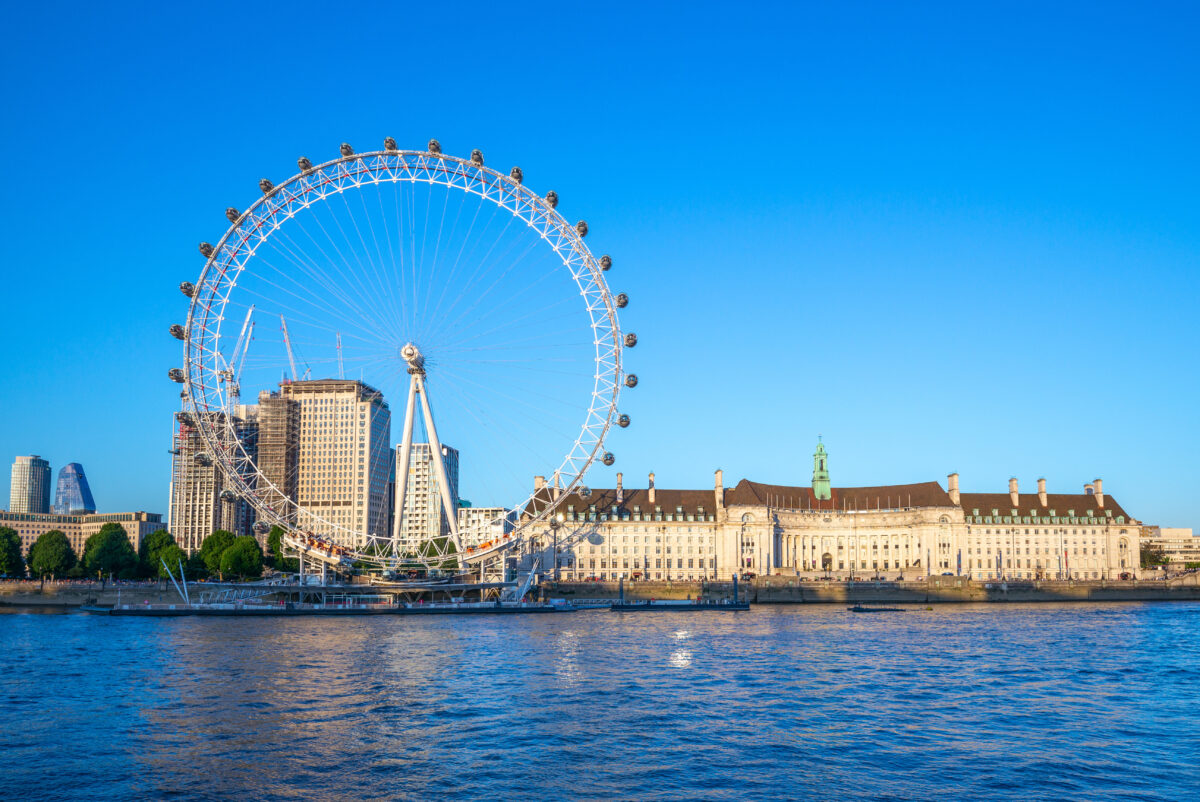
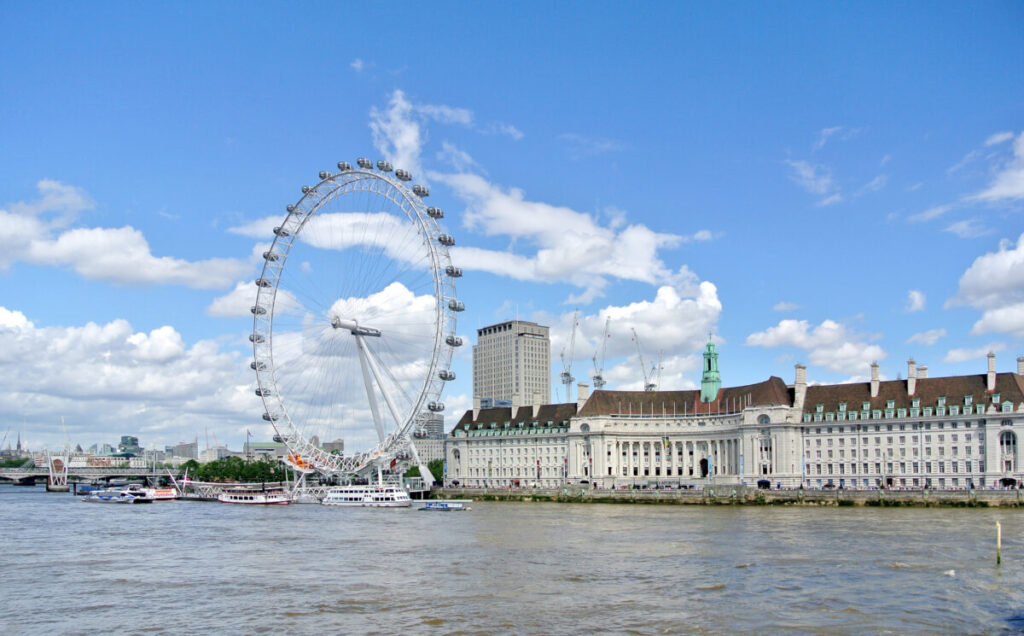
    Panoramic view of the London Eye and London, United Kingdom skyline
    elena / Adobe Stock

    You’ve probably seen pictures of that giant Ferris wheel on the Thames. The London Eye looks impressive, right? Well, it might not live up to the hype.

    Sure, you’ll get a bird’s eye view of London. But you’ll also spend much of your day waiting in line. And those tickets? They’ll make your wallet cry.

    Here’s the deal:

    • Long queues (often 2-3 hours)
    • Pricey tickets (£30+ per adult)
    • Crowded pods
    • Only 30 minutes in the air

    Instead, why not try the Sky Garden? It’s a hidden gem that locals love. You’ll get amazing views without the crazy crowds or costs.

    The Sky Garden offers:

    • Free entry (book online in advance)
    • 360-degree views of London
    • Beautiful indoor gardens
    • A bar and restaurant

    You can even time your visit for sunset. Grab a drink, watch the city light up, and pat yourself on the back to avoid a tourist trap. Smart move!

    4. La Rambla, Barcelona

    Aerial view of La Rambla boulevard and Barcelona, Spain cityscape
    dudlajzov / Adobe Stock

    You’ve probably heard of La Rambla, Barcelona’s famous pedestrian street. It’s a lively spot with street performers, cafes, and shops. But watch out – this popular area is also a magnet for pickpockets and tourist traps.

    Those paella restaurants with big photos of food? Skip ’em. The paella is often overpriced and not very tasty. Instead, try a local spot like Amaya at the bottom of La Rambla for authentic Mediterranean and Basque cuisine.

    Beware of people trying to lure you into the Museum of Erotics. It’s not worth your time or money. A better choice is Palau Güell, a lesser-known Gaudí masterpiece just around the corner.

    Want to experience La Rambla without the crowds? Visit early in the morning. You can explore La Boqueria market before 11 AM and avoid the tourist rush.

    For a more relaxed stroll, check out the nearby Gothic Quarter. Its winding medieval streets offer a glimpse of old Barcelona without the tourist chaos.

    Don’t fall for the cava sangria pitchers on La Rambla—they’re often watered down. Try a glass at a local wine bar instead for the real deal.

    Remember, the best experiences in Barcelona are often found by stepping off the beaten path. Keep your wits about you on La Rambla, but don’t let the tourist traps stop you from enjoying this iconic street.

    5. The Little Mermaid Statue, Denmark

    Close-up of the Little Mermaid statue at the Langelinie promenade in Copenhagen, Denmark
    olyasolodenko – stock.adobe.com

    You’ve probably seen pictures of Copenhagen’s famous Little Mermaid statue. It’s on postcards, in guidebooks, and all over Instagram. But here’s a secret – it’s not worth the hype.

    The statue is tiny – just 4 feet tall! You’ll have to elbow through crowds of tourists to catch a glimpse. And when you do, you might think, “Is that it?”

    Don’t waste your time in lovely Copenhagen on this underwhelming attraction. There’s so much more to see and do in the Danish capital.

    Instead of the Little Mermaid, check out these gems:

    • Tivoli Gardens: A charming amusement park with rides and beautiful gardens
    • Nyhavn: A colorful harbor area with great restaurants and boat tours
    • Christiansborg Palace: Home of the Danish Parliament with stunning royal rooms

    If you want to see mermaids, head to the Ny Carlsberg Glyptotek Art Museum. It has beautiful mermaid sculptures without the crowds.

    Remember, the best travel experiences often happen away from the big tourist spots. Wander Copenhagen’s cozy streets, chat with locals at a café, and make your own discoveries. You’ll have much more fun than staring at a tiny statue!

    See Related: Top Places to Visit in Denmark

    6. Santorini, Greece

    Navigating Santorini is a breeze as visitors choose between local taxis, buses, or rental cars.
    pavantt / Adobe Stock

    Ah, Santorini – that picture-perfect Greek island you’ve seen plastered all over Instagram. But before you book your trip, let’s chat about avoiding the tourist traps.

    First, skip the overcrowded towns of Oia and Fira during peak season. You’ll be shoulder-to-shoulder with selfie sticks and cruise ship crowds. Instead, try staying in quieter villages like Pyrgos or Megalochori for a more authentic experience.

    Don’t fall for those overpriced caldera view restaurants either. Sure, the sunset is nice, but do you want to pay 30 euros for a mediocre moussaka? Head inland to local tavernas where the food is better and cheaper.

    Speaking of food, steer clear of those “traditional Greek nights” with plate-smashing and ouzo-chugging. That’s about as Greek as a frozen pizza. Look for smaller festivals in villages away from tourist centers for local culture.

    Here’s a quick list of Santorini tourist traps to avoid:

    • Overpriced cable car rides
    • Donkey rides up steep stairs (not great for animal welfare)
    • Crowded sunset spots in Oia
    • “Authentic” Greek pottery shops (most are mass-produced)

    Instead, try these alternatives:

    Remember, Santorini isn’t found in gift shops or all-inclusive resorts. It’s in the hidden corners, local hangouts, and off-the-beaten-path adventures. Happy exploring!

    7. Neuschwanstein Castle, Germany

    Close-up of the Neuschwanstein Castle in Schwangau, Germany
    yorgen67 – stock.adobe.com

    You’ve probably seen pictures of this fairy-tale castle in the Bavarian Alps. It looks magical, right? Well, brace yourself for a reality check.

    Neuschwanstein is a tourist magnet, drawing millions of visitors each year. That means long lines, crowded tours, and hefty ticket prices. It’s not exactly the peaceful mountain retreat you imagined.

    Want to dodge the crowds? Book your tickets online way in advance. Or better yet, visit off-season in late fall or early spring. The views are still stunning, minus the summer hordes.

    For a more authentic experience, skip the interior tour. Instead, hike up to Marienbrücke bridge for that postcard-perfect photo op. It’s free and offers the best views of the castle.

    If you’re set on seeing a Bavarian palace, try Linderhof instead. It’s smaller but just as pretty and way less crowded. Plus, the gardens are gorgeous.

    Remember, sometimes the best adventures happen when you veer off the beaten path. So ditch the tourist traps and explore the charming villages nearby. You might stumble upon a hidden gem that’s all your own.

    8. Piazza San Marco, Venice

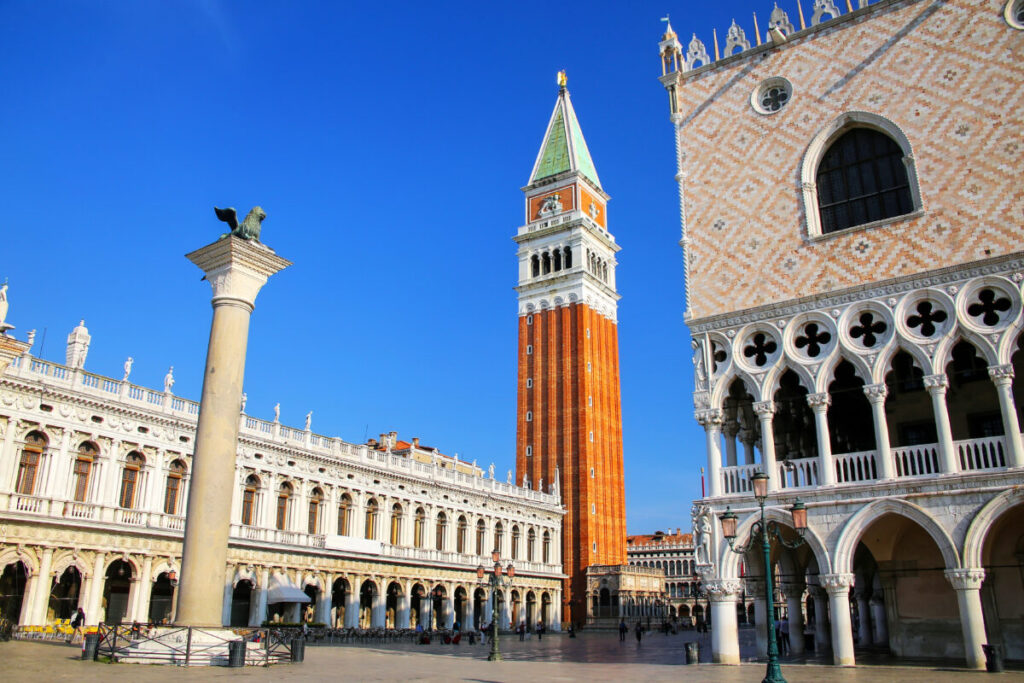
    Panoramic view of the Piazza San Marco with St Mark's Campanile in Venice, Italy
    donyanedomam / Adobe Stock

    You’ve seen the pictures – Piazza San Marco is stunning. But beware, it’s also a prime spot for tourist traps. Those charming outdoor cafes with views of the basilica? They’ll cost you an arm and a leg for mediocre coffee and snacks.

    Skip the overpriced sit-down spots. Instead, grab a quick espresso at a local bar for a fraction of the price. You’ll blend in with the Venetians and save your euros for gelato later.

    Watch out for the “free” rose scam, too. Friendly folks may offer you flowers and then demand payment. A firm “no grazie” is your best defense.

    Hungry? Don’t eat right on the square. Walk a few blocks away to find tastier, cheaper options where the locals dine. Your taste buds and wallet will thank you.

    Visiting the basilica? Book ahead online to avoid long queues. Early morning or evening visits mean smaller crowds and better photo ops.

    Tempted by a gondola ride from the nearby docks? You’ll pay top dollar there. Find a quieter canal for a more authentic (and affordable) experience.

    Remember, Piazza San Marco is magical – just don’t let the magic trick you out of your travel budget!

    See Related: Top Tourist Attractions in France

    9. Bran Castle (Dracula’s Castle), Romania

    Panoramic view of the Bran Castle in Transylvania, Romania
    ecstk22 / Adobe Stock

    You’ve probably heard of Dracula’s Castle, right? Well, get ready for a bit of a letdown. Bran Castle in Romania is marketed as the home of the famous vampire, but it’s more hype than history.

    The castle is pretty cool – a 14th-century fortress perched on a hilltop. But it has very little to do with Bram Stoker’s Dracula. The author never even visited Romania!

    Inside, you’ll find lots of tourists and not much vampire lore. The rooms are filled with furniture and art from Queen Marie of Romania. Nice, but not what you came for.

    Tickets aren’t cheap, and the lines can be long. You might spend more time waiting than exploring. And forget about spooky vibes – it’s usually packed with people taking selfies.

    Want a real taste of Transylvania? Skip Bran and head to Sighisoara instead. This colorful medieval town is the actual birthplace of Vlad the Impaler, Dracula’s inspiration. You’ll get authentic history without the touristy gimmicks.

    Or try Corvin Castle in Hunedoara. It’s less crowded, more impressive, and has real connections to Vlad. Plus, its Gothic architecture is way spookier than Bran’s.

    Remember, the best travel experiences often come from less hyped places. Don’t let Bran Castle suck the fun out of your Romanian adventure!

  • 10 Flight Attendant-Approved Travel Hacks for Stress-Free Journeys

    10 Flight Attendant-Approved Travel Hacks for Stress-Free Journeys

    Tired of the same old travel routine? Get ready to shake things up with insider secrets from the pros who know air travel best – flight attendants! These sky-high experts have all kinds of clever tricks to make your next trip smoother, cheaper, and way more enjoyable.

    Flight attendants know how to score free upgrades, pack like pros, and easily breeze through security. Their hacks can save you time, money, and hassle at every journey step. From rolling clothes to maximizing suitcase space to nabbing the best seats without paying extra, these tips will transform how you fly.

    Want to feel like a VIP without the price tag? Flight attendants have the scoop on snagging surprise perks and freebies, too.

    Get ready to travel smarter and have more fun doing it. These game-changing hacks are about to become your new travel BFFs.

    Flight Attendant-Approved Travel Hacks for Stress-Free Journeys

    1. Use Packing Cubes to Maximize Space

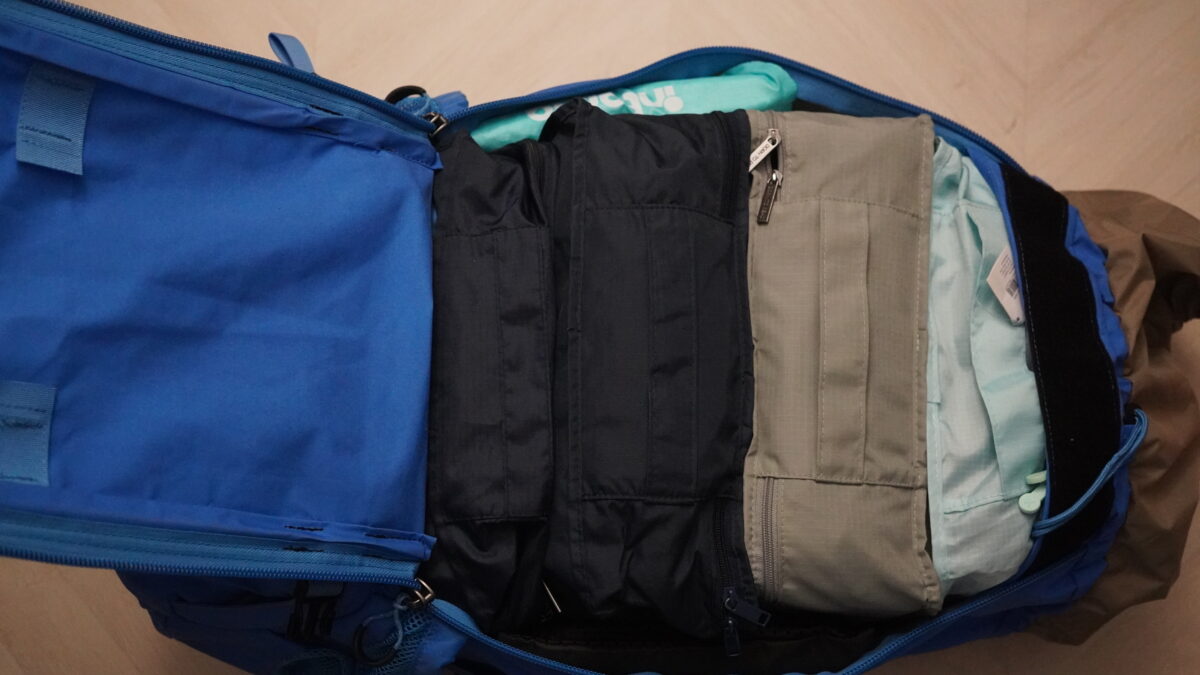
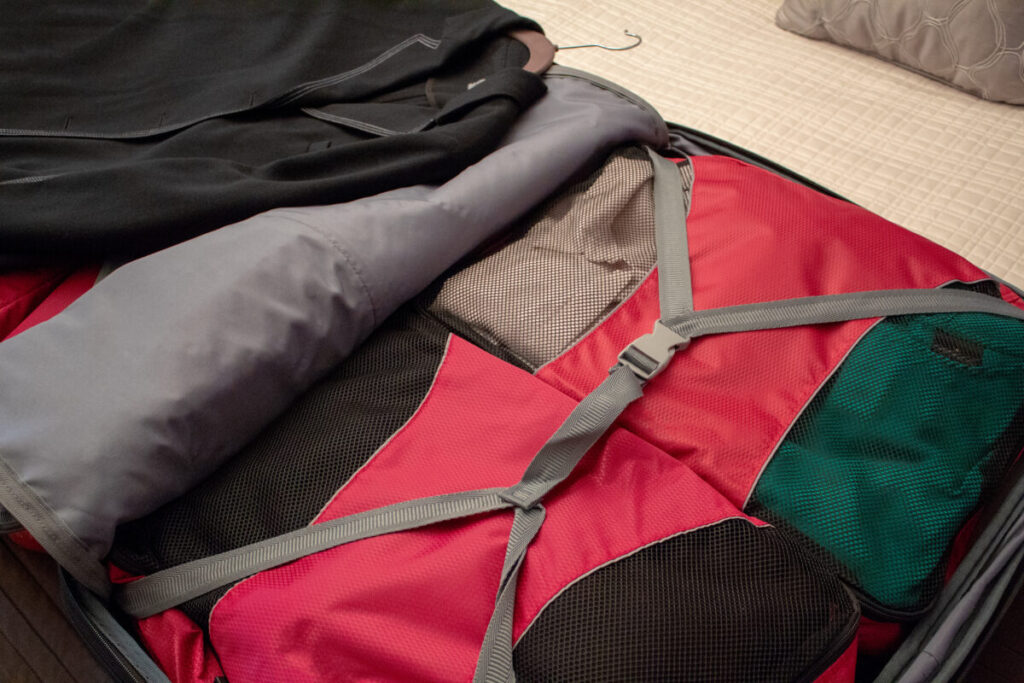
    Packing cubes inside an open travel suitcase
    Romar66 / Adobe Stock

    Packing cubes is a game-changer for organizing your suitcase. You’ll wonder how you ever traveled without them! These handy fabric containers come in different sizes to fit all your clothes and gear.

    Here’s why packing cubes rock:

    • Keep clothes neatly rolled or folded
    • Separate outfits by day or type
    • Compress bulky items to save space
    • Make unpacking a breeze

    Try rolling your clothes instead of folding them to use packing cubes like a pro. This technique saves tons of space. Stuff socks and underwear into shoes to use every inch.

    You can even use packing cubes in your carry-on. Put toiletries in one and electronics in another. When you get to security, just pull out the cubes you need.

    Don’t forget to label your cubes. Use different colors or tags to know what’s inside at a glance. This makes finding things so much easier when living out of a suitcase.

    Packing cubes aren’t just for clothes. Use them for makeup, charging cords, or snacks.

    The possibilities are endless! Once you start using packing cubes, you’ll never return to a messy suitcase again.

    2. Always Carry a Collapsible Water Bottle

    Hand holding and showing a reusable and collapsible lilac water bottle on a pink background
    Darya Lavinskaya / Adobe Stock

    You know that feeling when you’re parched on a long flight but don’t want to keep bugging the flight attendants for tiny cups of water? Enter the collapsible water bottle – your new travel bestie.

    These nifty bottles fold small when empty, so they won’t hog space in your carry-on. Once you’re through security, fill up at a water fountain and stay hydrated all flight long.

    Pro tip: Look for bottles with a clip or carabiner. You can attach it to your bag for easy access during the journey.

    Some key benefits:

    • Save money on overpriced airport drinks
    • Reduce plastic waste from disposable bottles
    • Always have water handy during delays
    • Avoid dehydration on long flights

    I never fly without mine anymore. It’s a game-changer, especially on those red-eye flights when the drink cart seems to disappear for hours.

    Remember to empty it before going through security. Nothing ruins your travel zen-like chugging a full water bottle while holding up the line!

    3. Wear Compression Socks for Long Flights

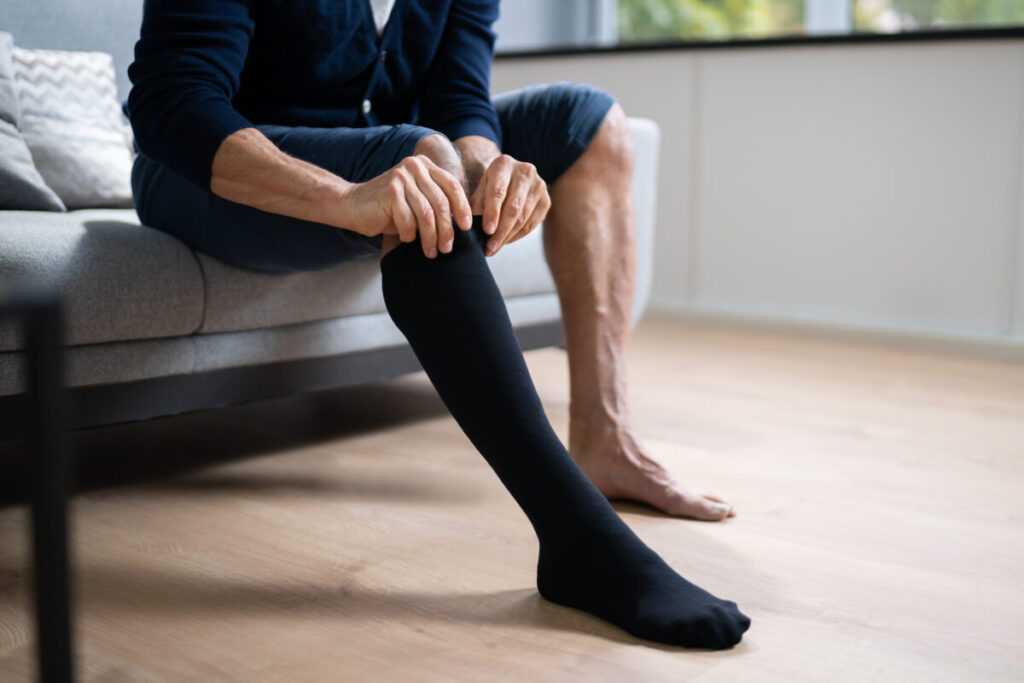
    Man putting on a color black medical compression socks or stockings
    Andrey Popov / Adobe Stock

    You’ve probably seen flight attendants sporting knee-high socks and wondered what’s up. Those aren’t just a fashion statement—they’re compression socks and a game-changer for long flights.

    Compression socks gently squeeze your legs, helping blood flow and reducing swelling. They’re especially useful when stuck in a cramped plane seat for hours.

    Here’s why you should consider packing a pair:

    Not all compression socks are created equal. Look for ones with graduated compression – tighter at the ankle and looser as they go up. Aim for 15-20 mmHg pressure for most people.

    Put them on before you board and keep them on until you reach your destination. Your legs will thank you when you land feeling refreshed instead of puffy and achy.

    Pro tip: Break in your socks before your trip. Wear them around the house to get used to the snug fit. And don’t forget to move your toes and stretch your legs during the flight, too!

    Remember, compression socks aren’t just for the elderly or those with health issues. They’re a smart choice for anyone taking a long flight. Your future self will be grateful you made the investment.

    See Related: Travel and Wellness: How to Rejuvenate Your Mind and Body on the Go

    4. Download Offline Maps

    Hand holding a smartphone showing a GPS map navigation
    onephoto / Adobe Stock

    You know that feeling when you’re in a new city and suddenly lose cell service? It’s the worst! That’s why downloading offline maps is a total game-changer for travelers.

    Google Maps lets you save areas for offline use. Here’s how:

    1. Open Google Maps
    2. Search for the city or area you want
    3. Tap the city name at the bottom
    4. Select “Download”

    It’s that easy! Now, you can navigate even without data. Just remember to download maps before your trip while you have good wifi.

    Pro tip: Save maps for your whole itinerary. You never know when you might need them!

    Another great option is the HERE WeGo app. It offers offline navigation and public transit information for over 100 countries—perfect for navigating the metro system in a new place!

    Don’t forget to clear some space on your phone before downloading. Those map files can be pretty big!

    With offline maps, you’ll never get lost in a new city again. Well, maybe you will – but at least it won’t be because your phone lost signal!

    5. Invest in a Noise-canceling Headset

    Close-up of a noise-cancelling headphones on a table next to a keyboard
    Myst / Adobe Stock

    Flight noise can drive you crazy. A good noise-canceling headset is a game-changer for your travel experience. These awesome gadgets block out engine roar, crying babies, and chatty seatmates.

    You’ve got options. Over-ear headphones offer the best noise cancellation. But if you prefer something smaller, noise-canceling earbuds work great, too. Apple’s AirPods Pro and Sony’s WH-1000XM5 are top picks for 2024.

    Here’s why noise-canceling headphones rock:

    • Better sleep on long flights
    • Clearer audio for movies and music
    • Less stress and fatigue from constant noise
    • Easier to focus on work or reading

    Don’t cheap out here. A quality pair is worth every penny. Your ears (and sanity) will thank you on your next red-eye.

    Pro tip: Test different models before you buy. Comfort is key for long-haul flights; ensure they’re compatible with the in-flight entertainment system.

    Remember to pack extra batteries or a charging cable. Nothing’s worse than dead headphones halfway through your trip!

    6. Keep a Go-to Toiletries Bag

    Woman carefully packs her toiletries into a small travel bag, ensuring she has all necessary items for her trip
    New Africa / Adobe Stock

    Flight attendants know the value of a well-packed toiletries bag. Having a dedicated bag always ready to go will save you time and stress. Stock it with travel-sized essentials you use daily.

    Here’s what to include:

    Pro tip: Get a clear, TSA-approved bag to breeze through security. Look for one with multiple compartments to stay organized.

    Don’t forget your medication! Keep a small supply of any daily meds in your toiletry kit. Throw in some pain relievers and antacids, too.

    A leave-in product can be a lifesaver for hair care. It detangles, conditions, and protects all in one. Pack travel-sized versions of your favorite shampoo and conditioner as well.

    Consider getting refillable travel bottles. Fill them with your preferred products from home. This will save you money and ensure you always have your favorites.

    Toss in a few extras, like lip balm, hand sanitizer, and face wipes. These are handy for freshening up mid-trip.

    Update your kit regularly. Replace empty products and check expiration dates. A well-maintained toiletry bag makes packing a breeze every time you travel.

    See Related: The Best Wheeled Garment Bags to Transform Your Travel Experience

    7. Choose a Travel-friendly Blanket

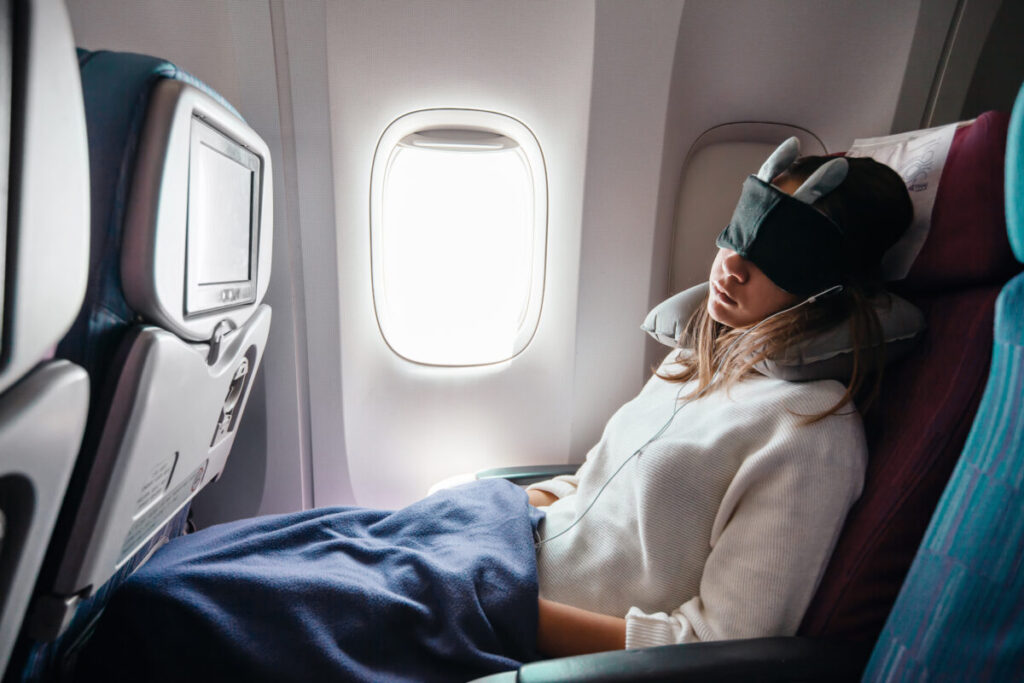
    Female airplane passenger sleeping peacefully, wearing an eye mask and wrapped in a cozy travel blanket
    Alena Ozerova / Adobe Stock

    You know that feeling when the plane’s AC hits you like an arctic blast? That’s where a good travel blanket comes in clutch. But not just any old blanket will do.

    Look for something lightweight and compact. You don’t want to lug around a bulky comforter. Opt for materials like fleece or microfiber that pack down small but keep you toasty.

    Size matters, too. A too-small blanket leaves your feet freezing, while one too big becomes a tangled mess. Aim for something that covers you from chin to toe without excess fabric.

    Here’s a quick checklist for your perfect travel blanket:

    • Lightweight (under 1 pound)
    • Compact (should fit in a small carry-on pocket)
    • Soft and cozy material
    • Machine washable (planes are germy!)
    • Comes with a storage pouch

    Pro tip: Look for a blanket with a foot pocket. It’ll keep your toes warm and stop the blanket from slipping off while you snooze.

    Remember, your travel blanket might double as a pillow or lumbar support. So, choose one versatile enough to meet all your comfort needs at 30,000 feet.

    8. Know How to Manage Jet Lag

    Tired male passenger with a jet lag napping on an Airport terminal bench
    rohawk / Adobe Stock

    Jet lag can be a real pain when traveling across time zones. But don’t worry, there are ways to fight it! Flight attendants have some tricks up their sleeves that you can use, too.

    First things first, adjust your sleep schedule before you leave. Try going to bed earlier or later, depending on where you’re headed. This can help your body get ready for the time change.

    During your flight, drink lots of water and skip the booze. Alcohol might make you sleepy, but it can mess with your sleep cycle later. Stick to water to stay hydrated and feel better when you land.

    Here are some quick tips to beat jet lag:

    • Get some sunlight when you arrive
    • Take short naps (20-30 minutes max)
    • Eat meals at local times
    • Use lavender essential oil to help you sleep
    • Try melatonin supplements (ask your doctor first)

    When you reach your destination, stay awake until the local bedtime. It might be tough, but it’ll help you adjust faster. If you must nap, keep it short so you can sleep at night.

    Remember, everyone’s different. What works for one person might not work for you. Don’t be afraid to experiment and find what helps you feel best when traveling.

    9. Use Sleep Aids Responsibly

    Melatonin supplement bottles next to the pills and a sleep mask
    Svetlana / Adobe Stock

    Getting shut-eye on a plane can be tricky. Some folks turn to sleep aids for help. But you gotta be careful with these.

    Over-the-counter options like melatonin might work for you. Just check with your doctor first. They can tell you if it’s safe and how much to take.

    Prescription sleep meds are stronger. Only use them if your doctor says it’s okay, and follow the instructions to a T.

    Here are some tips for using sleep aids on flights:

    • Take them at the right time (usually 30 minutes before you want to sleep)
    • Don’t mix with booze
    • Bring only what you need for the trip
    • Keep meds in your carry-on, not checked bags

    Remember, sleep aids can make you groggy. That’s no fun if you gotta hit the ground running at your destination.

    Natural alternatives might also be worth a shot. Chamomile tea or lavender essential oil could help you relax without the side effects.

    Bottom line: Sleep aids can be handy for long flights. But use ’em wisely and safely. Your health comes first, even at 30,000 feet!

    See Related: Travel Hacks Every Frequent Flyer Should Know

    10. Bring an Emergency Snack

    Close-up of homemade granola bars
    mizina / Adobe Stock

    You never know when hunger might strike on a long flight. Packing a small snack can be a lifesaver when you’re stuck on the tarmac or facing delays. Choose something that won’t spoil easily and won’t make a mess.

    Here are some good options to tuck in your carry-on:

    Avoid anything too smelly or messy. Your seatmates will thank you! Remember to check customs rules if you’re flying internationally. Some countries restrict the import of certain foods.

    Pro tip: Pack your snack in a clear, resealable bag. This makes it easy to access and keeps things neat in your bag. It also helps when going through security screening.

    Don’t rely solely on airplane food. Flights can run out of meal options, especially on long-haul routes. Having your own snack gives you a backup plan if you get hungry between meal services.

    Be sure to stay hydrated, too. Bring an empty water bottle to fill up after security. Snacking can make you thirsty at altitude!

  • The Ultimate Guide to Train Travel in Europe: New Routes and Hidden Gems for 2026

    The Ultimate Guide to Train Travel in Europe: New Routes and Hidden Gems for 2026

    Prepare for an exciting new way to explore Europe by rail in 2025! Fresh train routes will launch, allowing you to zip between cities and countries in comfort and style.

    One of the most anticipated new routes will connect Paris and Berlin directly, cutting travel time between these iconic capitals. You can hop on in Paris and arrive in Berlin without changing trains, making the journey smoother. This high-speed link will make combining French and German adventures easier in one trip.

    European night trains are making a comeback too. A new overnight service from Brussels to Prague is planned for 2024, with stops in Amsterdam and Berlin along the way.

    You can save on hotel costs by sleeping as you travel, waking up refreshed in a new city. Ticket sales for this route are expected to start in October 2024, so watch out if you want to snag a spot. Night train trips like this let you maximize your vacation time while seeing more of Europe.

    France-Spain New High-Speed Rail

    TGV Euroduplex inOui high speed train heading to Paris, France
    olrat – stock.adobe.com

    Get ready for faster trips between France and Spain! New high-speed trains are making cross-border travel a breeze. You’ll zip from Paris to Barcelona in 6 hours and 29 minutes. That’s way quicker than before!

    These speedy trains stop at 12 stations in both countries. You can hop on in Paris, Lyon, or Montpellier.

    In Spain, Barcelona is the main hub. The trains are run jointly by Spanish Renfe and French SNCF.

    Want to save some cash? Look for deals on low-cost routes.

    Prices can vary, so book early for the best rates. You might snag tickets for as low as €39 one-way if you’re lucky.

    Here’s a quick look at some journey times:

    • Paris to Barcelona: 6h 29m
    • Lyon to Barcelona: 5h
    • Montpellier to Barcelona: Even faster!

    The trains are comfy, too. You’ll ride in style on double-decker TGV INOUI trains between Paris and Barcelona. They’ve got plenty of legroom and big windows for sightseeing.

    This new service makes it easy to see both countries. You can start your day in France and end it in Spain! It’s perfect for a two-country trip without the hassle of airports.

    Bernina Express

    Bernina Express train passing by the Landwasser Viaduct railway bridge in Switzerland Swiss Alps
    Leonid Andronov / Adobe Stock

    You’re in for a treat with the Bernina Express! This scenic train route takes you through stunning Swiss and Italian landscapes. The journey starts in Chur or St. Moritz and ends in Tirano, Italy.

    As you board, make sure you have your passport handy. The train crosses international borders, so you’ll need it.

    In summer, about five trains run daily. Winter sees fewer trips, with only two per day.

    The views are breathtaking from both first- and second-class panorama cars. You’ll climb to the Bernina Pass at 2,253 meters without any special rack-and-pinion system—pretty impressive!

    Want to save some cash on tickets? Book in advance and travel during off-peak times. If you’re exploring more of Switzerland, consider getting a Swiss Travel Pass. It can offer good value.

    Here’s a quick rundown of the route:

    • Chur/St. Moritz → Thusis → Tiefencastel → Filisur → Bergün
    • Preda → Ospizio Bernina → Alp Grüm → Poschiavo → Tirano

    Fancy extending your trip? There’s an optional bus from Tirano to Lugano. It runs daily from late March to late October. Outside these dates, it’s available from Thursday to Sunday.

    Remember, train schedules can change. Always double-check before you travel, especially in 2025!

    Switzerland

    Swiss Federal Railways SBB Train at Grosser Mythen mountain in the Swiss Alps in Arth, Switzerland
    Markus Mainka / Adobe Stock

    Switzerland’s train system will get even better in 2025. You’ll be able to zip between cities faster and more comfortably. The Swiss Federal Railways (SBB) is upgrading routes and adding new high-speed connections.

    Zurich to Milan will take just 3 hours on a sleek new train. You’ll whisk through the Alps in style. The route passes stunning mountain scenery and crystal-clear lakes.

    Basel to Geneva is another route that is getting a speed boost. Travel time will drop under 2.5 hours, perfect for a quick city break or business trip.

    Here are some ticket tips:

    • Book early for the best deals
    • Look for off-peak discounts
    • Consider a Swiss Travel Pass for multiple journeys

    Prices vary, but expect to pay around:

    • Zurich-Milan: 89-120 CHF
    • Basel-Geneva: 60-90 CHF

    Don’t forget smaller scenic routes, too. The Glacier Express and Bernina Express offer breathtaking views. They’re slower but worth every minute.

    Switzerland’s punctual trains are getting even better. Pack your bags and prepare to explore this beautiful country by rail in 2025!

    See Related: Two Weeks in Switzerland: A Winter Wonderland Itinerary

    Douro Line

    Train passing on the Douro  line railway transit  line in the middle of the port wine vineyards
    Armando Oliveira / Adobe Stock

    You’ll love the scenic Douro Line train journey through Portugal’s wine country. This route takes you from Porto to Pocinho along the Douro River, passing vineyards and picturesque villages.

    The trip offers breathtaking views of the Douro Valley‘s terraced hillsides. You’ll see charming stations like Pinhão, known for its beautiful blue and white tiles depicting local scenes.

    For the best experience, catch the morning train from Porto’s São Bento station. It leaves at 9:20 AM and reaches Pocinho at 12:38 PM without any changes. This gives you plenty of time to enjoy the scenery.

    Ticket prices vary based on the distance:

    • Porto to Régua: €10-15
    • Porto to Pinhão: €12-18
    • Porto to Pocinho: €14-22

    Book in advance for better rates, especially during peak season. If planning a day trip, consider a return ticket to save money.

    There are plans to extend the line to Barca de Alva on the Spanish border. This could happen by late 2024 or 2025, potentially connecting to Spanish cities like Vigo in the future.

    Remember to bring a camera – you’ll want to capture the stunning landscapes along this unforgettable train ride through the heart of Portugal’s wine region.

    Portugal

    Close-up of the Metro do Porto light rail train in Portugal
    katatonia / Adobe Stock

    Get ready for a new rail adventure in Portugal! A high-speed train network will connect Lisbon and Porto with Vigo in Spain. This exciting route is set to open in late 2024 or early 2025.

    You’ll zip between Portugal’s two biggest cities faster than ever before. In record time, the sleek new trains will whisk you from Lisbon’s historic streets to Porto’s charming riverside.

    Fancy a trip to Spain? The line extends north to Vigo, making cross-border travel a breeze. You can explore the beautiful Galicia region without the hassle of flying or driving.

    Here are some key details to note:

    • Route: Lisbon – Porto – Vigo
    • Expected launch: Late 2024 or early 2025
    • Operator: To be confirmed

    Ticket prices aren’t available yet, but here’s a pro tip: book early! High-speed rail often offers discounts for advance purchases. Also, keep an eye out for launch promotions.

    This new route will transform travel in western Iberia. You’ll have more options to explore Portugal’s diverse landscapes and connect with neighboring Spain. It’s an exciting time for train enthusiasts and travelers alike!

    West Highland Line

    Train passing by the a viaduct in Scottish Highlands or the West Highland Line
    Yan Leder/Wirestock Creators / Adobe Stock

    The West Highland Line is a scenic railway journey through Scotland’s rugged landscapes. You’ll see stunning views of mountains, lochs, and moorlands as you travel from Glasgow to coastal towns like Oban, Fort William, and Mallaig.

    The line covers over 160 miles, winding through some of Scotland’s most remote and beautiful areas. You’ll cross impressive structures like the Glenfinnan Viaduct, made famous by the Harry Potter films.

    Here are some key stops along the route:

    • Glasgow: Starting point
    • Crianlarich: Gateway to the Highlands
    • Fort William: Near Ben Nevis, Britain’s highest mountain
    • Mallaig: Fishing port with ferries to the Isle of Skye

    Ticket prices vary based on your journey. A one-way trip from Glasgow to Mallaig costs about £40-50 for adults. You can save money by booking in advance or using a railcard.

    For the best experience, try these tips:

    • Sit on the left side for loch views
    • Pack a picnic to enjoy onboard
    • Bring a camera for epic scenery shots

    The West Highland Line runs year-round, but summer offers the best weather. Spring and fall give you a chance to see beautiful seasonal colors. You might spot wildlife like deer or eagles along the way.

    Scotland

    Panoramic viewa train passing by the Glenfinnan Railway Viaduct in Scotland
    Tomas Marek / Adobe Stock

    You’re in for a treat with new rail options to explore Bonnie Scotland in 2025! Grand Union Trains will launch direct services between London and Stirling. This means you can zip from England’s capital straight to the heart of Scotland without changing trains.

    Want to experience luxury on the rails? Check out the new Edinburgh & Highlands steam train journey.

    You’ll chug along in style, taking in stunning views of lochs and glens. The trip includes stops at castles and quaint towns along the way.

    For a comprehensive Scottish adventure, consider a 10-day rail tour. You’ll start in Edinburgh, then head north to Inverness. Don’t miss a detour to the magical Isle of Skye! The journey wraps up in Fort William, nestled near breathtaking Glencoe.

    Ticket prices for these new routes vary:

    • London to Stirling: Expect to pay £70-100 one-way
    • Luxury steam tours: Around £1500-2000 for a multi-day package
    • 10-day Scotland rail pass: Roughly £300-400

    Pro tip: Book early for the best deals, especially on those fancy steam trips. They’ll sell out fast!

    See Related: Best Affordable Castle Hotels: Experience Luxury Without Breaking the Bank

    Inlandsbanan

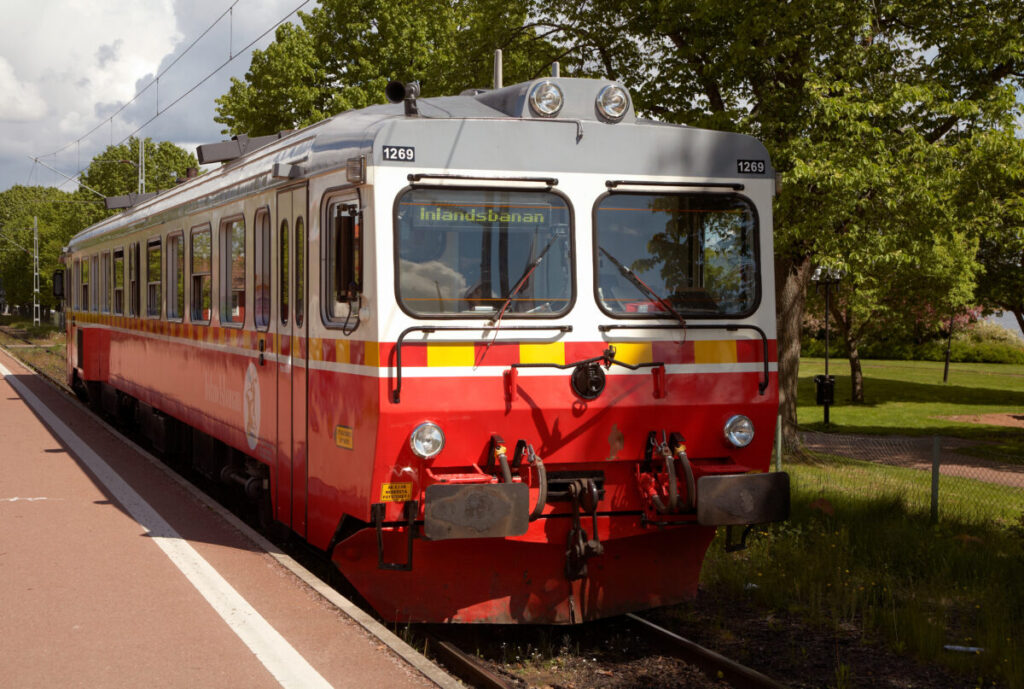
    Close-up of the Inlandsbanans railcar number 1269 at station Mora Strand, Sweden
    Roland Magnusson – stock.adobe.com

    Sweden’s Inlandsbanan is a hidden gem for train lovers. This scenic route stretches 1,300 km from Kristinehamn in the south to Gällivare in the north. You’ll journey through Sweden’s stunning inland, crossing the Arctic Circle.

    The train runs from June 17 to August 25 2024. It’s perfect for summer travel when you can experience the midnight sun. You’ll pass through magnificent forests and bogs, with chances to spot reindeer.

    Here are some tips for your Inlandsbanan adventure:

    • Get a flexible ticket to hop on and off as you please
    • Pack light – storage space can be limited
    • Bring snacks, though there are food stops along the route
    • Charge your camera for amazing photo ops

    Ticket prices vary based on your journey. A full route ticket costs around 1,700 SEK (about €150). For shorter trips, expect to pay 300-500 SEK (€25-45). Book early for the best deals!

    The Inlandsbanan is fully covered by Eurail passes, making it a great addition to your European train trip. You’ll get a unique glimpse of Swedish Lapland that many travelers miss.

    Don’t forget to check out local attractions when you stop. The Jokkmokk Winter Market in February is a special treat if you visit in winter.

    Sweden

    Panoramic view of a train passing on the west coast in Sweden
    Tommy / Adobe Stock

    Get ready for an exciting new train adventure in Sweden! A fresh route connecting Finland and Sweden might open by 2025. This line will allow you to travel from central Europe to Lapland.

    Sweden’s trains are comfy and modern. You’ll love the views of forests, lakes, and charming towns as you zip through the countryside. The journey from Stockholm to Lapland is especially pretty.

    Here are some ticket tips for your Swedish train trip:

    • Book early for the best prices
    • Look for off-peak deals
    • Consider a rail pass if you plan to ride a lot

    Sweden’s train network is growing. Soon, you might be able to take a night train from Berlin to Stockholm. Imagine falling asleep in Germany and waking up in Sweden!

    Train travel in Sweden is eco-friendly, too. It’s a great way to see the country while being kind to the planet. Pack your bags and get ready for a Swedish rail adventure!

    Venice Simplon-Orient-Express

    Close-up of the legendary Venice Simplon Orient Express is ready to depart a railway station
    Roberto Sorin – stock.adobe.com

    The Venice Simplon-Orient-Express is the crème de la crème of luxury train travel. As you board the beautifully restored 1920s and 1930s carriages, you’ll feel like you’ve stepped back in time.

    This iconic train offers several glamorous routes across Europe. The classic journey takes you from London to Venice, passing through Paris. You’ll spend one night aboard in a private cabin, enjoying gourmet meals and impeccable service.

    Want to splurge? Book a Grand Suite for the ultimate in luxury. These spacious accommodations feature private bathrooms, plush double beds, and 24-hour butler service.

    New for 2024, the train will travel to Italy’s stunning Ligurian coast. The Paris to Portofino route lets you experience the glitz of the Italian Riviera.

    Pricing tips:

    • Book early for the best availability and rates
    • Consider shoulder season for lower prices
    • Twin cabins start around $3,600 per person
    • Grand Suites cost about $10,350 per person

    The dress code is formal, so pack your finest attire. You’ll want to look your best for the champagne reception and four-course dinners.

    Remember, this journey is about the experience, not speed. Relax and savor every moment as you travel in unparalleled style across Europe.

    See Related: Surprise Vacation: Hidden Gems for Unforgettable Last-Minute Getaways

    Austria to France

    DB train arrives at Vienna Hauptbahnhof in Vienna, Austria
    Vitezslav Vylicil – stock.adobe.com

    Get ready for an exciting new train journey connecting Austria and France! Starting in 2025, you can hop on a night train from Vienna to Paris. This new route will make it easier than ever to explore both countries without flying.

    The overnight train leaves Vienna in the evening and arrives in Paris the next morning. You’ll wake up refreshed and ready to start your day in the City of Light. The journey takes about 14 hours, giving you plenty of time to sleep and relax.

    Here are some key details about the new route:

    • Departure: Vienna Hauptbahnhof
    • Arrival: Paris Gare de l’Est
    • Travel time: Approximately 14 hours
    • Frequency: Likely to run 3-4 times per week

    Ticket prices aren’t set yet, but you can expect them to be competitive with flights. To get the best deals:

    • Book early – prices often go up closer to travel dates
    • Look for promotional fares when the route launches
    • Consider getting a rail pass if you plan to take multiple trips

    The train will offer different accommodation options:

    • Sleeper cabins (1-3 beds)
    • Couchettes (4-6 beds)
    • Seated carriages

    You’ll be able to enjoy dinner and breakfast on board. The route will pass through beautiful scenery, including the Alps. It’s a great way to see more of Europe while reducing your carbon footprint.

  • 19 Travel Hacks Every Frequent Flyer Should Know

    19 Travel Hacks Every Frequent Flyer Should Know

    Are you tired of the hassle and discomfort of air travel? You’re not alone. Flying can be stressful, but you can make your journey smoother with clever tricks. Packing your carry-on bag with easy-to-access items for security screening can save you time and frustration at the airport. No more fumbling around for your laptop or liquids while holding up the line!

    (more…)
  • How to Book Cheap Flights to Europe: Tips and Top Destinations

    How to Book Cheap Flights to Europe: Tips and Top Destinations

    Thinking about a European vacation but worried about the cost of flights? You’re lucky because finding cheap flights to Europe is easier than ever. Many options are available, whether you’re flying from a major hub or a smaller airport. From tools like KAYAK and Expedia to Google Flights, it’s simple to compare prices and snag the best deals. For instance, you might find flights starting as low as $25, though prices can vary depending on the airline and timing.

    (more…)
  • Travel Inflation: How to Navigate Rising Costs and Still Enjoy Your Trip

    Travel Inflation: How to Navigate Rising Costs and Still Enjoy Your Trip

    Thinking about your next trip but worried about rising costs? You’re not alone. Travel prices are increasing, but that doesn’t mean you must stay home. With thoughtful planning and clever tricks, you can still enjoy amazing vacations without breaking the bank in 2024.

    (more…)
  • What to Pack for Every Climate: The Ultimate Guide

    What to Pack for Every Climate: The Ultimate Guide

    Packing for a trip can be stressful, but it doesn’t have to be. You can make your next adventure a breeze with a few smart tips.

    The key is to pack light and organize, bringing only what you truly need. This will save you hassle at the airport and give you more freedom to explore once you reach your destination.

    You might think you need to bring your entire closet but trust me, you don’t. Start by laying out everything you want to pack, then cut that amount in half. Choose versatile pieces that can be mixed and matched.

    Roll your clothes instead of folding them to save space and reduce wrinkles. Use packing cubes to keep things tidy and easy to find.

    Don’t forget about the little things that can make a big difference. Bring a portable device charger, a reusable water bottle, and a small first-aid kit.

    If your luggage is delayed, pack a change of clothes in your carry-on. And always leave some extra room in your bag for souvenirs!

    • Pack light, bring only essentials
    • Roll clothes to save space
    • Use packing cubes for organization
    • Include a portable charger and water bottle
    • Leave room for souvenirs

    Packing For Tropical Destinations

    Woman packing travel bag with various travel essentials
    Dragana Gordic / Adobe Stock

    Ready for some fun in the sun? Packing for a tropical getaway doesn’t have to be stressful. Here are some tips to help you pack like a pro:

    Don’t forget comfortable sandals and water shoes for the beach. Pack a light jacket or sweater for cool evenings or air-conditioned spaces.

    A beach bag is a must-have for carrying your essentials. Look for one that’s waterproof and sand-resistant. Throw in a good book or e-reader for lazy days by the pool.

    Worried about laundry? Pack travel-sized detergent so you can wash clothes in the sink if needed. This lets you pack less and travel lighter.

    Remember to bring any medications you might need. Packaging a small first aid kit with basics like bandages and pain relievers is also smart.

    Want to capture memories? Don’t forget your camera or smartphone charger. A waterproof phone case can protect your device at the beach or pool.

    With these items packed, you’ll be ready for your tropical adventure. Just add a sense of excitement, and you’re good to go!

    Packing For Cold Climates

    Open suitcase displaying winter clothes and travel accessories arranged on a carpet
    Pixel-Shot / Adobe Stock

    Brr! Cold weather trips need smart packing. Let’s get you ready for those chilly adventures.

    Start with layers. Think thin, warm fabrics that you can pile on or peel off. Merino wool is your best friend – it’s cozy and doesn’t get stinky.

    Don’t forget your extremities! Pack:

    A puffy-down jacket is a must. It’s super warm but packs small. To save space, zip it up in a compression sack.

    Protect your face from harsh winds and the sun. Bring lip balm and sunglasses—snow glare is no joke!

    Pack smartly with packing cubes. They keep your bulky winter gear organized and compressed.

    Remember, you can always wash clothes on longer trips. Pack light, but pack smart. You’ll thank yourself when you’re not lugging a giant suitcase through snowy streets.

    Stay toasty out there, travelers!

    See Related: Top Travel Hacks to Score Cheap Flights This Year

    Packing For Rainy Regions

    Close-up of an open suitcase with clothes, accessories, shoes, and compact umbrella
    New Africa / Adobe Stock

    Rainy weather can damage your trip if you’re not prepared. Here are some practical tips to keep you dry and comfortable:

    Invest in waterproof bags to keep your stuff dry. They’re also great for separating wet clothes from the rest of your gear.

    Consider packing:

    A hat with a brim can help keep rain off your face. Throw in a packable poncho as a backup – they take up almost no space.

    Don’t let your electronics get soaked. When not in use, keep them in waterproof cases or ziplock bags.

    Remember to bring extra socks and underwear. Nothing’s worse than soggy feet all day.

    You might want to pack a small towel to dry off. Microfiber towels dry quickly and don’t take up much room.

    With the right gear, a little rain won’t ruin your trip. Stay dry and have fun exploring!

    See Related: Most Romantic Getaways in the World: Destinations for Couples

    Packing For Dry Deserts

    Young woman packing suitcase  with sunglasses and hat at home for a vacation travel
    Pixel-Shot / Adobe Stock

    You must be smart about your pack when heading to a dry desert. The harsh environment demands careful preparation.

    First things first: water is your best friend. Pack more than you think you’ll need, and a reusable water bottle is necessary.

    Protect yourself from the sun:

    Don’t forget about nighttime. Deserts can get chilly after dark. Pack a warm jacket or sweater for those cool evenings.

    Footwear is crucial. Bring sturdy, closed-toe shoes that can handle hot sand and rough terrain. Pack some comfy socks, too.

    A cooling towel can be a lifesaver. Wet it, wring it out, and drape it around your neck for instant relief from the heat.

    Lip balm and moisturizer will help combat the dry air. Your skin will thank you.

    Pack a small first aid kit. Include basics like bandages, pain relievers, and any personal medications you need.

    Bring a daypack for short trips away from camp. Stock it with snacks, a map, and a compass.

    Remember toiletries like toilet paper, hand sanitizer, and wet wipes. They’ll keep you clean when water is scarce.

    See Related: Sustainable Tourism: Ways Travelers Can Make a Positive Impact

    Packing For Mixed Seasons

    Woman organizing her suitcase on the bed, preparing a packing list for her upcoming journey and planning her vacation
    Shi / Adobe Stock

    Traveling to places with changing weather can be tricky. You need to be ready for anything! Here are some tips to help you pack smart:

    • Layer up: Bring clothes you can mix and match. Think light shirts, sweaters, and a jacket.
    • Choose versatile pieces: Pack items that work for both warm and cool days. A light scarf can be great for chilly nights or as a beach cover-up.
    • Don’t forget rain gear: A small umbrella or packable rain jacket can save the day.

    Shoes are key! Pick ones that can handle different weather:

    Fabrics matter, too. Go for:

    Remember to check the weather before you go. This helps you pack just what you need. You might want to bring:

    Packing cubes can help you organize your mixed-season clothes. Keep warm stuff together and cool clothes in another cube.

    By planning ahead, you can be ready for any weather without overpacking. You’ve got this!

  • The Essential Guide to Packing for Budget Travelers

    The Essential Guide to Packing for Budget Travelers

    Planning a budget trip? Smart packing can save you money and hassle. You don’t need to bring your whole closet or spend a fortune on gear. You can pack light and cheap for your next adventure with a few simple tricks.

    Stick to carry-on luggage to avoid checked bag fees. Pick versatile clothes you can mix and match.

    Basic items like t-shirts, pants, and a light jacket can create many outfits. Roll your clothes instead of folding them to save space and reduce wrinkles.

    Pack a reusable water bottle and snacks to cut costs on the go. Bring entertainment like an e-reader or tablet loaded with books and shows.

    Don’t forget a portable charger to keep your devices powered up. With some planning, you can travel light and spend less without missing out on comfort.

    Essentials For Any Trip

    Young woman traveler sitting on the bed packing her suitcase preparing for travel on summer vacation
    Kittiphan/ Adobe Stock

    Packing light is key for budget travel. Start with a sturdy backpack or carry-on bag to avoid checked luggage fees.

    Choose versatile clothing you can mix and match. Pack 3 to 4 shirts, 2 pairs of pants, and comfortable walking shoes.

    Don’t forget toiletries! Bring travel-sized shampoo, soap, and toothpaste. A quick-dry towel saves space. Toss in some band-aids and pain relievers for emergencies.

    Electronics are must-haves. Pack your smartphone, charger, and a portable battery pack.

    A universal adapter lets you charge up anywhere. Bring headphones for entertainment on long rides.

    Stay organized with packing cubes. They compress clothes and keep items tidy.

    A small daypack is handy for daily outings. Bring a reusable water bottle to stay hydrated and save money.

    Keep important documents safe. Carry copies of your passport, ID, and travel insurance.

    Store digital backups in the cloud, too. A money belt protects cash and cards.

    Don’t overstuff your bag! Leave room for souvenirs. Remember, you can usually buy anything you forget. Packing light gives you the freedom to explore on a budget.

    See Related: Free Flights: Unlock Secret Tips for Zero-Cost Travel

    Packing For Different Climates

    Open suitcase displaying winter clothes and travel accessories arranged on a carpet
    Pixel-Shot / Adobe Stock

    Traveling to places with varying weather can make packing a real challenge. But don’t worry – with a few smart tips, you can be ready for anything without overpacking.

    Layers are your best friend. Pack thin, lightweight items you can mix and match. A basic outfit might include:

    This combo works for cool mornings, warm afternoons, and chilly evenings. Just add or remove layers as needed.

    For bottoms, bring versatile options like zip-off pants that convert to shorts. Pack one pair of comfy walking shoes that work in multiple settings.

    Don’t forget accessories! A light scarf can warm you up or protect you from the sun. A packable hat serves double duty for sun and rain.

    Choose fabrics wisely. Quick-dry, wrinkle-resistant materials are worth the investment. They’re easy to wash in a sink and dry overnight.

    Thermal underwear is a game-changer for cold climates. It takes up little space but keeps you toasty. Wear it under regular clothes for extra warmth.

    In hot places, loose, light-colored clothing helps you stay cool. Bring a reusable water bottle to stay hydrated without wasting money on bottled water.

    Remember, you can usually buy anything you forget. So pack light and leave room for souvenirs!

    See Related: What to Pack in Your Travel Bag: Essential Tips to Know

    Reducing Costs With Compact Essentials

    Woman busy packing clothes and travel essentials on a backpack
    Halfpoint / Adobe Stock

    Packing smart can save you big bucks on your travels. Start by ditching that bulky suitcase and opt for a carry-on backpack instead. You’ll dodge those pesky checked bag fees and breeze through airports.

    Compression packing cubes are your new best friend. These nifty tools let you squeeze more into less space. Plus, they keep your stuff organized, so you’re not rummaging around like a madman.

    Multi-use items are key. Pack a sarong – a beach cover-up, towel, and even makeshift curtain all in one.

    A Swiss Army knife is another jackpot item. It’s a bottle opener, scissors, and more in your pocket.

    Toiletries can quickly take up space. Ditch the full-size bottles and go for travel-sized or solid versions. A multipurpose soap bar can work in a pinch for the body, hair, and laundry.

    Speaking of laundry, pack quick-dry fabrics. You can wash them in the sink, and they’ll be ready to wear again soon. This means you can pack less and wear items multiple times.

    Don’t forget a reusable water bottle. It’ll save you from buying overpriced airport water and keep you hydrated. Throw in some protein bars, too – they’re cheap meals when you’re in a rush.

    With these compact essentials, you’ll travel light and keep more cash in your pocket. It’s a win-win for budget-savvy adventurers like you.

    See Related: The Ultimate Packing List for Long Trips: Tips and Hacks

    Maximizing Carry-On Space

    A set of blue packing cubes
    sasimoto / Adobe Stock

    Packing light can save you money and hassle when traveling. Here are some tips to make the most of your carry-on:

    • Roll your clothes instead of folding them. This saves space and reduces wrinkles. Stuff socks and underwear into shoes to use every inch.
    • Use packing cubes to keep things organized. They come in different sizes and help compress clothes. Vacuum bags can also squish bulky items.
    • Wear your bulkiest items on the plane. Put on that heavy coat and boots to free up bag space.
    • Pick clothes that do double duty. A sarong can be a skirt, towel, or blanket. Dark colors hide stains and can be worn multiple times.
    • Don’t pack “just in case” items. If needed, you can usually buy toiletries at your destination.
    • Choose a soft-sided backpack as your personal item. It can squish under the seat and hold more than a purse.
    • Bring a collapsible water bottle to fill after security. This saves money on airport drinks.
    • Pack sample sizes of toiletries in a clear bag. Liquids should follow the 3-1-1 rule to breeze through security.

    These tricks allow you to fit everything in one bag and skip checked luggage fees. Happy travels!

    Sustainable Packing Tips

    Close-up of a bag with a reusable steel thermo water bottle
    Lalandrew / Adobe Stock

    Packing light is key for budget-friendly and eco-conscious travel. Choose a small carry-on bag to avoid checked luggage fees and reduce your carbon footprint. Pick versatile clothes you can mix and match to create multiple outfits.

    Bring a reusable water bottle to stay hydrated without buying plastic bottles. A collapsible one saves space in your bag. Pack a few cloth bags for shopping or storing dirty laundry.

    Opt for solid toiletries like shampoo bars and deodorant to reduce plastic waste. These last longer and won’t leak in your bag. Also, bring a small container of multipurpose soap for washing clothes and dishes.

    Here are some affordable, eco-friendly packing essentials:

    When possible, choose secondhand or borrowed gear. You’ll save money and reduce consumption. Rent bulky items like camping gear at your destination instead of buying new ones.

    Remember to pack light – you can always buy things you need on the road. Carrying less means using less fuel, whether you’re flying or driving. It’s better for the planet and your wallet.