Spain continues to dominate global tourism in 2025, welcoming a record-breaking 94 million visitors in 2024 and expecting even higher numbers this year. As Europe’s second most visited country, Spain offers an irresistible combination of rich history, vibrant culture, Mediterranean beaches, and world-renowned cuisine that captivates millions of travelers annually.
From the architectural wonders of Barcelona to the sun-drenched beaches of Costa del Sol, Spain delivers unforgettable experiences for every type of traveler.
Let’s explore the most compelling reasons to visit this Mediterranean jewel and why Spain should top your travel bucket list.
1. Marvel at Gaudí’s Architectural Masterpieces in Barcelona

Barcelona showcases the revolutionary works of Antoni Gaudí, whose organic architecture continues to inspire visitors from around the globe. The iconic Sagrada Familia, still under construction after 140+ years, represents one of the world’s most ambitious architectural projects, with completion targeted for 2026—the centenary of Gaudí’s death.
Beyond the famous basilica, explore the whimsical Park Güell, where colorful mosaics and serpentine benches offer panoramic views of Barcelona. Don’t miss Casa Batlló and Casa Milà (La Pedrera) along Passeig de Gràcia, where Gaudí’s nature-inspired facades transform everyday buildings into living art. Pro tip: Book tickets online in advance to skip the long queues, especially during peak season (June-August).
2. Experience Royal Grandeur at Madrid’s Palace

The Royal Palace of Madrid (Palacio Real) stands as Western Europe’s largest royal palace, boasting 3,418 rooms filled with priceless art and lavish decorations. While the Spanish royal family no longer resides here, the palace serves as a stunning museum showcasing Spain’s imperial heritage.
Highlights include the Throne Room with its ceiling painted by Tiepolo, the Royal Armory featuring medieval suits of armor, and the Royal Pharmacy with its collection of ancient medicine jars. Visit on Wednesday or Saturday mornings to witness the solemn Changing of the Guard ceremony. The adjacent Sabatini Gardens provide a peaceful retreat with perfectly manicured hedges and fountains—ideal for a post-palace stroll.
3. Discover the Moorish Wonder of Granada’s Alhambra
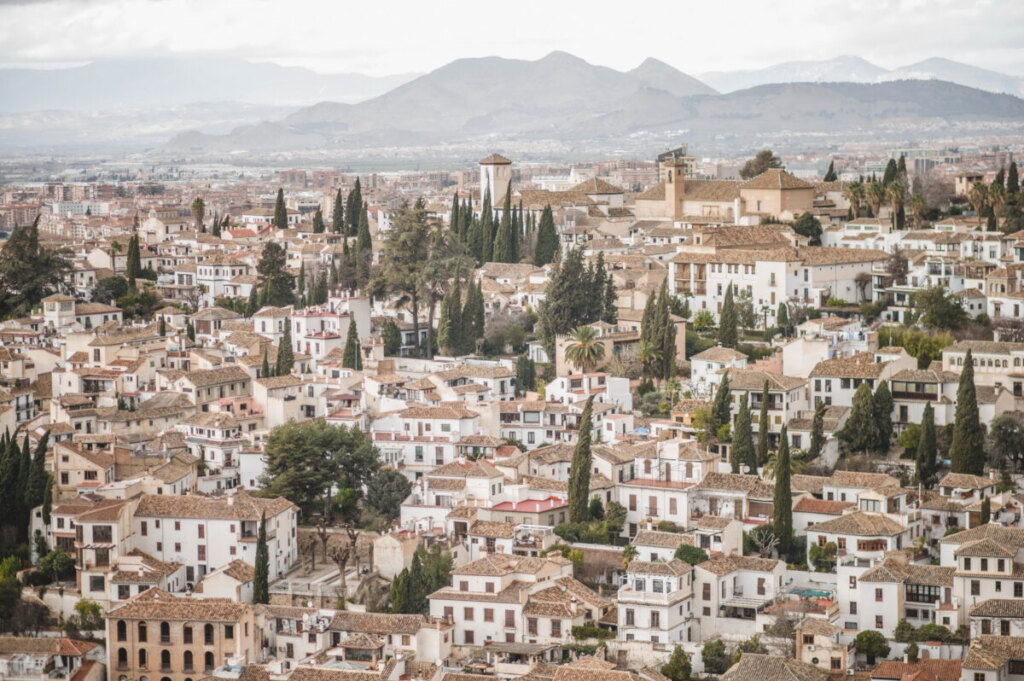
The Alhambra palace complex represents the pinnacle of Islamic art in Europe, attracting over 2.7 million visitors annually. This UNESCO World Heritage site combines fortress walls, royal palaces, and serene gardens, creating an unforgettable journey through Spain’s multicultural past.
The Nasrid Palaces showcase intricate stucco work, honeycomb ceilings, and the famous Court of Lions with its marble fountain. The Generalife gardens offer a sensory experience with fragrant roses, flowing water channels, and stunning views of the Sierra Nevada mountains. Essential tip: Tickets sell out months in advance, so book online as early as possible. Consider a night visit to see the palaces illuminated under the stars—a truly magical experience.
See Related: Best Beaches in Spain
4. Unwind on Costa del Sol’s Golden Beaches
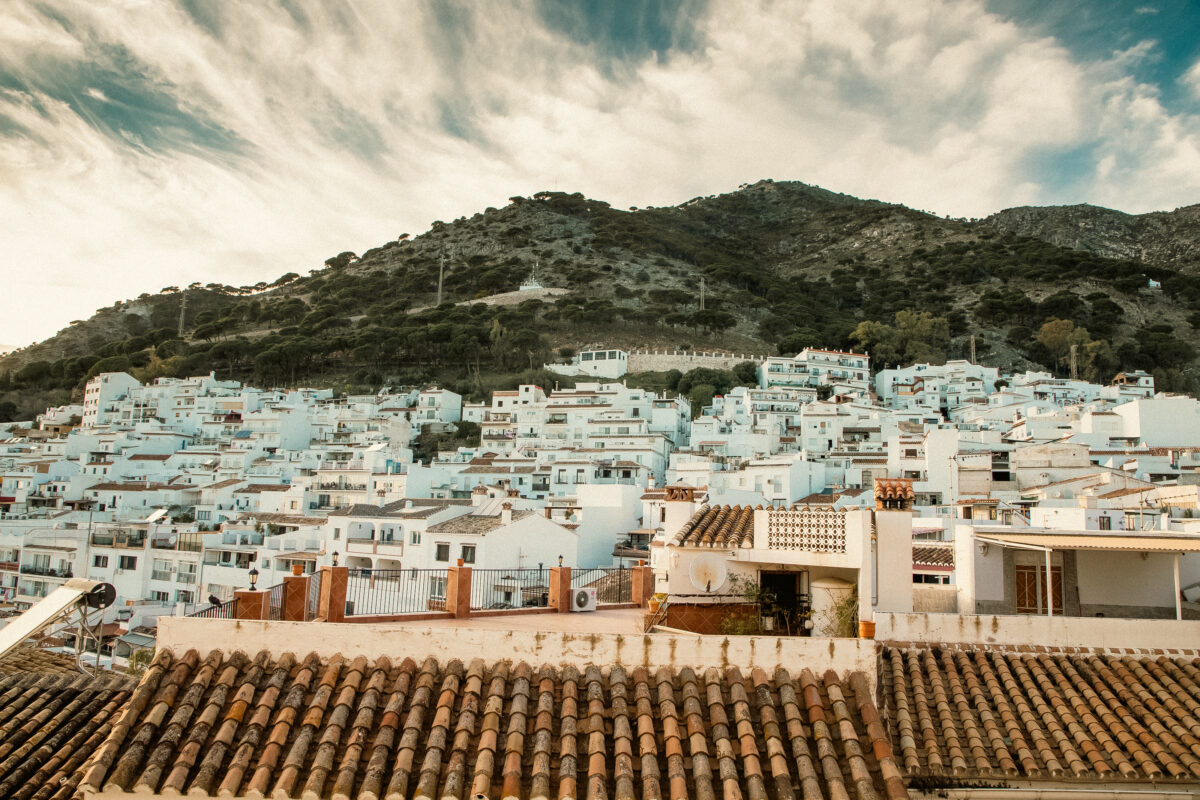
Costa del Sol lives up to its name as the “Coast of the Sun,” offering 320 days of sunshine annually along 150 kilometers of Mediterranean coastline. This southern Spanish paradise combines luxurious beach resorts, charming white villages, and vibrant nightlife, making it perfect for all types of beach holidays.
Marbella attracts jet-setters with its glamorous Puerto Banús marina and upscale beach clubs, while families prefer the wide sandy beaches of Torremolinos and Benalmádena. For authentic Spanish charm, explore the hilltop village of Mijas with its whitewashed houses and donkey taxis, or discover the quieter coves near Nerja. The region also offers excellent water sports, from jet skiing to paddleboarding, and beach chiringuitos (beach bars) serve fresh seafood and cold sangria right on the sand.
5. Savor Authentic Paella and Tapas in Valencia

Valencia, the birthplace of paella, offers food lovers an authentic taste of Spain’s most famous dish. Traditional Valencian paella features rabbit, chicken, beans, and saffron—not the seafood versions found elsewhere. Visit during Las Fallas festival (March 15-19) to see locals cooking massive paellas in the streets.
The city’s Central Market, housed in a stunning Art Nouveau building, showcases local produce, fresh seafood, and the region’s famous oranges. For the ultimate tapas experience, explore the Ruzafa neighborhood’s trendy bars or the traditional taverns in Barrio del Carmen. Don’t miss trying horchata, Valencia’s refreshing tiger nut drink, at the historic Horchatería Santa Catalina. Pro tip: Join a paella cooking class to master this iconic dish and impress friends back home.
6. Step Inside Córdoba’s Mesmerizing Mezquita
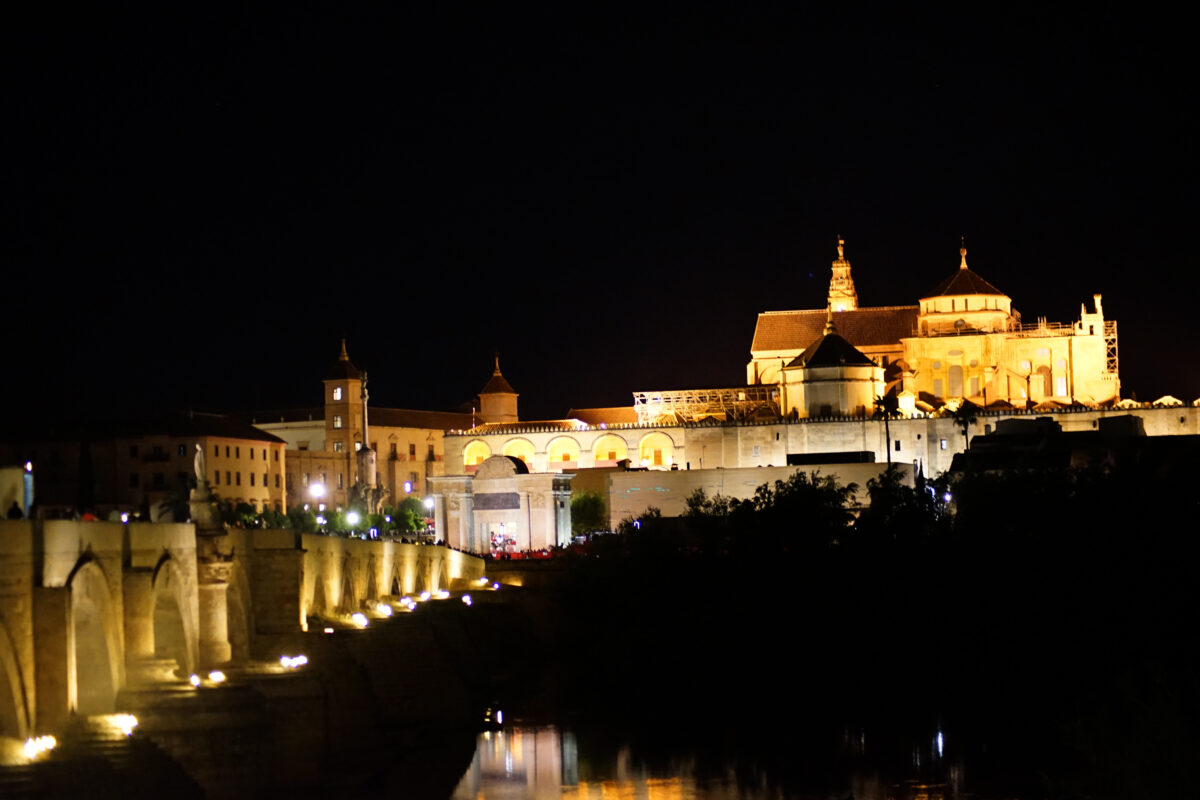
The Mezquita-Cathedral of Córdoba stands as one of the world’s most extraordinary religious buildings, where Islamic and Christian architecture blend in stunning harmony. Its forest of 856 columns creates mesmerizing red-and-white striped arches that seem to extend infinitely, while a Renaissance cathedral rises unexpectedly from the center.
Visit early morning or late afternoon to avoid crowds and experience the spiritual atmosphere. The surrounding Jewish Quarter (Judería) features narrow streets lined with flower-filled patios—especially beautiful during the May Patio Festival. Climb the bell tower (originally a minaret) for panoramic views, and don’t miss the orange tree-filled Patio de los Naranjos. The Roman Bridge offers the perfect sunset photo opportunity with the Mezquita reflected in the Guadalquivir River.
See Related: Does It Snow in Spain? Exploring Winter Weather and Ski Resorts
7. Experience Passionate Flamenco in Seville

Seville pulses with the rhythm of flamenco, where this passionate art form originated in the neighborhoods of Triana and Santa Cruz. Experience authentic performances in intimate tablaos (flamenco venues) where guitarists, singers, and dancers create an electrifying atmosphere that will give you goosebumps.
Beyond flamenco, Seville enchants with its massive Gothic cathedral (the world’s third-largest), the Moorish Alcázar palace with its stunning gardens, and the mushroom-shaped Metropol Parasol offering city views. Time your visit for Feria de Abril (April Fair) to see locals in traditional dress dancing sevillanas, or witness the solemn beauty of Semana Santa (Easter Week) processions. The city’s tapas culture thrives in neighborhoods like Alameda and Macarena—order a caña (small beer) and enjoy free tapas with each drink.
8. Walk the Ancient Camino de Santiago Pilgrimage
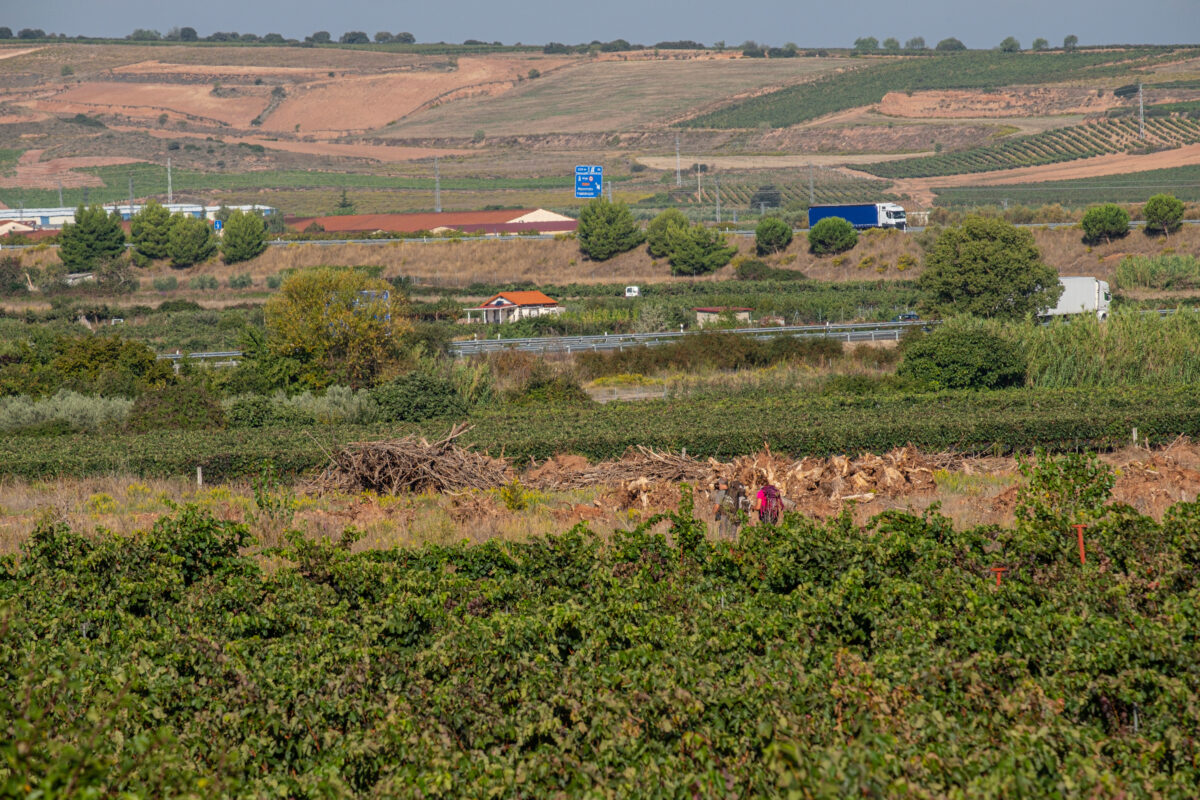
The Camino de Santiago offers more than just a walk—it’s a transformative journey attracting over 400,000 pilgrims annually from all backgrounds and beliefs. Multiple routes cross Spain, with the French Way (Camino Francés) being the most popular, stretching 800km from the Pyrenees to Santiago de Compostela.
You don’t need to walk the entire route; many pilgrims complete the final 100km to earn their Compostela certificate. The path leads through medieval villages, rolling vineyards, and ancient forests, with pilgrim hostels (albergues) providing affordable accommodation and community. Spring (April-May) and autumn (September-October) offer ideal weather. The journey culminates at Santiago’s magnificent cathedral, where pilgrims embrace the statue of St. James and attend the Pilgrim’s Mass—an emotional finale to an unforgettable adventure.
9. Explore the Unique Culture of the Basque Country
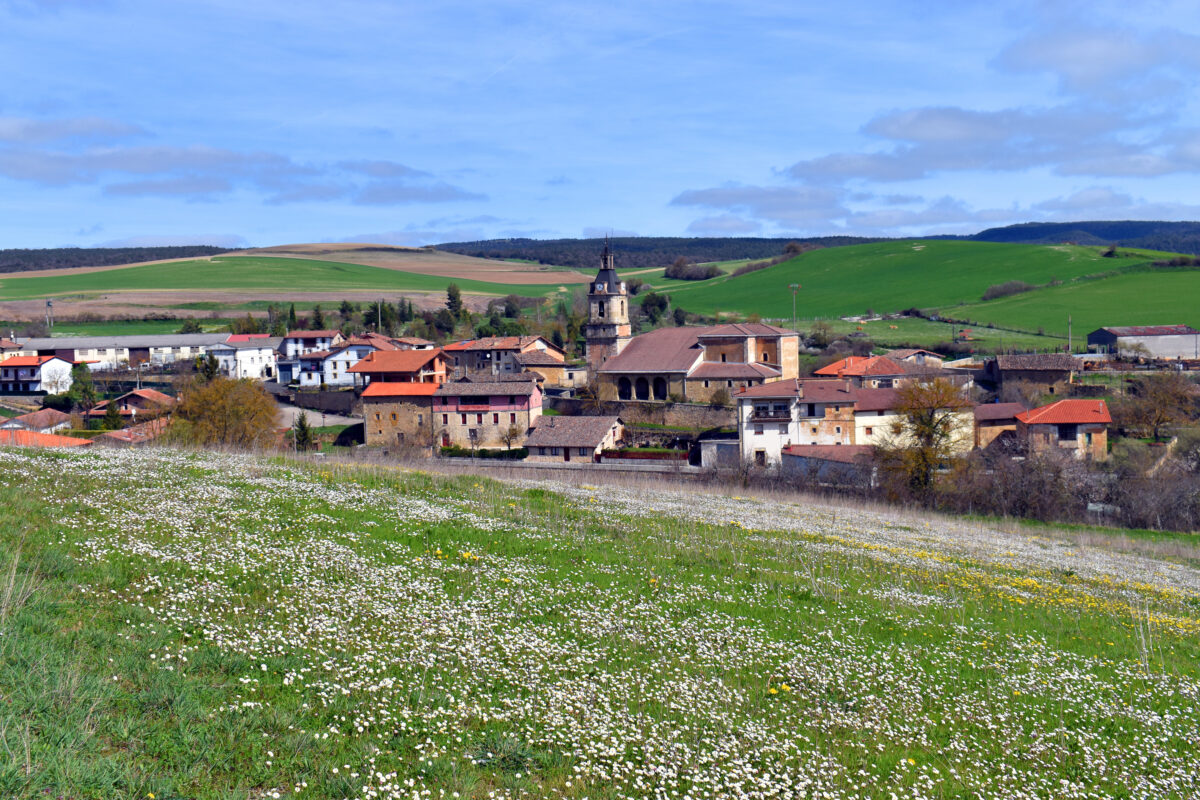
The Basque Country offers a fascinating blend of ancient culture, innovative cuisine, and dramatic landscapes. San Sebastián (Donostia) dazzles with its perfect city beaches and the world’s highest concentration of Michelin stars per capita. Sample pintxos (Basque tapas) in the Old Town, hopping between bars for these elaborate small plates.
Bilbao has transformed from industrial port to cultural capital, anchored by Frank Gehry’s titanium-clad Guggenheim Museum. The surrounding green mountains invite hiking, while coastal towns like Getaria and Zarautz offer excellent surfing. Experience unique Basque traditions like pelota (handball), txakoli wine pouring, and the mysterious Euskera language—one of Europe’s oldest. Don’t miss trying Idiazabal cheese, txuleta (massive T-bone steak), and the region’s famous cheesecake at La Viña in San Sebastián.
See Related: Top Attractions & Things to do in Spain
10. Join the World’s Biggest Food Fight at La Tomatina

La Tomatina transforms the quiet town of Buñol into a chaotic battlefield every last Wednesday of August, where 20,000 participants hurl 150,000 kg of overripe tomatoes at each other. This quirky festival, dating back to 1945, represents Spanish joie de vivre at its messiest and most joyful.
The one-hour tomato fight follows strict rules: squash tomatoes before throwing, stop when the second cannon fires, and wear old clothes you’ll never wear again. The festival week includes parades, fireworks, paella cooking contests, and live music. Due to popularity, tickets now sell out months in advance (limited to 20,000 participants), so plan early. Pro tip: Wear goggles to protect your eyes and secure accommodation in nearby Valencia, as Buñol’s limited lodging fills quickly. The post-battle cleanup is amazingly efficient—within hours, fire trucks wash the streets cleaner than before!
Essential Spain Travel Tips for 2025
Best Time to Visit: Spring (March-May) and autumn (September-November) offer pleasant weather and fewer crowds. Summer brings heat and tourists, while winter is ideal for city breaks and skiing in the Sierra Nevada.
Getting Around: Spain’s high-speed AVE trains connect major cities efficiently. Budget airlines serve regional routes, while renting a car allows exploration of rural areas and coastal towns.
Money Matters: Spain uses the Euro. Tipping isn’t obligatory but rounding up bills is appreciated. Many businesses close for siesta (2-5 PM), especially in smaller towns.
Language: While Spanish (Castilian) is universal, regional languages include Catalan, Basque, and Galician. English is widely spoken in tourist areas, but learning basic Spanish phrases enhances your experience.
Cultural Etiquette: Dinner is late (9-10 PM), dress modestly when visiting churches, and greet with two cheek kisses. Spaniards value personal relationships—don’t rush interactions.
Start Planning Your Spanish Adventure
Spain offers an intoxicating mix of experiences that satisfy every travel desire. From world-class museums and UNESCO World Heritage sites to pristine beaches and mountain trails, from Michelin-starred restaurants to humble tapas bars, Spain delivers memories that last a lifetime. As tourism continues to boom in 2025, booking accommodations and major attractions in advance is essential, especially for popular destinations like Barcelona, Madrid, and Seville.
Whether you’re drawn to architectural wonders, culinary adventures, beach relaxation, or cultural festivals, Spain welcomes you with open arms and warm hospitality. ¡Buen viaje!
Related Resources:
Leave a Reply