South America has some of the most enchanting small towns you could ever stumble upon. From colorful colonial gems tucked into the Andes to coastal villages with winding cobblestone streets, these places offer a real escape from the continent’s crowded cities.
Sure, Rio de Janeiro and Buenos Aires usually grab all the attention, but South America’s smaller towns show off the region’s true culture, jaw-dropping landscapes, and deep history—minus the crowds.
Maybe you’re daydreaming about Cartagena’s lively streets, tracing ancient footpaths in Cusco, or unearthing hidden villages in Colombia and Chile. These towns always deliver something memorable.
Each spot tells its own story through its architecture, food, and traditions that locals have kept alive for generations. The genuine warmth of the people you meet makes these destinations feel even more special, especially if you’re after a real South American experience.
1. Yanque, Peru
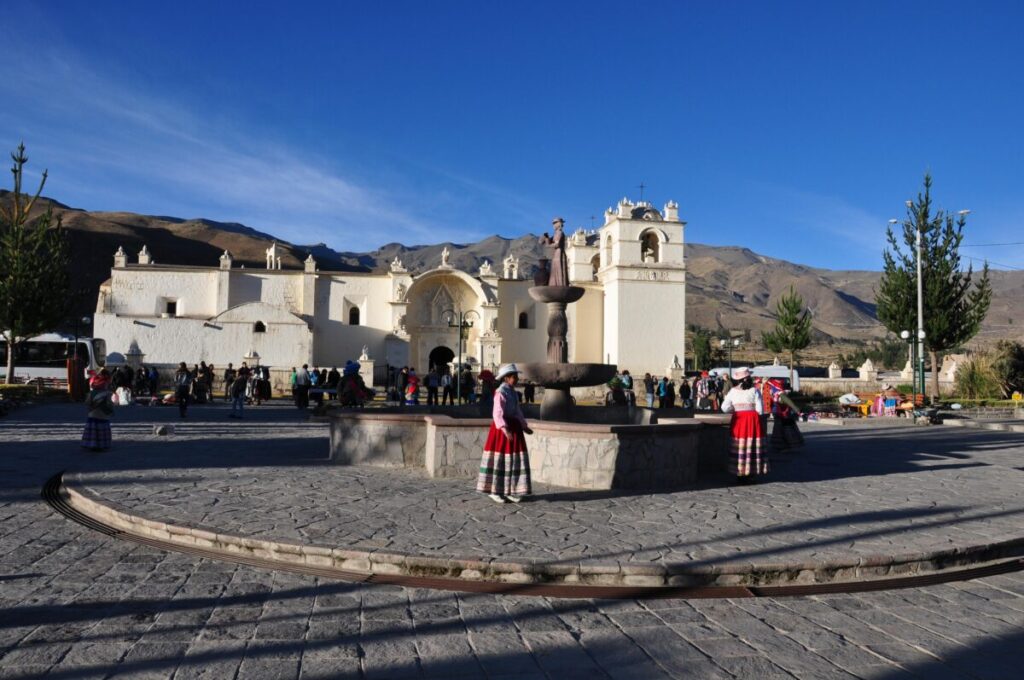
• In Peru’s dazzling Colca Valley, Yanque is a village where colonial Spanish and indigenous pre-Incan cultures blend in a way that just feels right.
Step into Yanque and you’ll sense its cozy, inviting vibe right away. The town square boasts a lovely church, with the majestic Andes looming behind—honestly, it’s hard not to snap a photo every few minutes.
Travelers can find several places to stay if they want to spend a few days poking around this hidden gem. Yanque makes a perfect base for exploring the Colca Valley.
If you’re into history, don’t skip the hike to Uyo Uyo. It’s an archaeological site that gives you a real sense of the area’s past.
After trekking around, you can unwind in the Hot Springs Chacapi. These natural baths, surrounded by mountain views, are just what you need to relax.
If you want to see the countryside in a different way, hop on a horse trek. It’s a laid-back way to connect with both the land and the local culture.
2. Coporaque, Peru

- Hidden gem in the Colca Canyon region that offers authentic Peruvian village life away from tourist crowds
Just five miles down a bumpy road from Chivay, Coporaque feels like a peaceful sanctuary lost in time. Right away, you’ll notice how different it is from Peru’s busier towns—life here moves at its own pace.
The cobblestone streets and old-school buildings give you a window into real Peruvian culture. As you wander, you’ll spot locals tending the terraced fields they’ve farmed for centuries.
Coporaque balances peace with adventure. The surrounding Andes offer breathtaking views and hiking trails, so you can explore at your own speed.
Descendants of the pre-Inca Collaguas community still call this village home, and you can experience traditions that stretch back thousands of years. Community tourism lets you stay with local families and join in on daily life.
Unlike nearby hotspots, Coporaque stays refreshingly uncrowded. It’s the kind of place where you can really soak up authentic Peruvian hospitality.
3. Maca, Peru

• One of the lesser-known gems nestled in Peru’s stunning Colca Canyon region
Maca sits quietly in the Colca Canyon, offering a peek into rural Peruvian life that bigger tourist towns just can’t match.
Locals, many descended from the pre-Inca Collaguas, greet you with genuine friendliness. Their cultural roots show up in everyday life, making your visit feel like a step back in time.
The village church, whitewashed and proud, anchors the main square. Inside, you’ll find ornate decorations that have survived for generations.
Maca has some of the best views around, with the Andes rising up and terraced fields painting the hillsides. And with Colca Canyon nearby—one of the deepest on earth—the scenery’s nothing short of dramatic.
It’s a peaceful stop if you’re exploring the valley. The mountain air and quiet vibe are a welcome break from busier places.
4. Lari, Peru

• Tucked away in the Colca Valley, Lari offers visitors a glimpse into authentic Peruvian village life away from tourist crowds.
Most travelers rush past Lari on their way to bigger names, but they’re missing out. At over 11,000 feet, this town sits high in the Colca Valley, surrounded by mountains and rolling countryside.
The main attraction? A stunning colonial church, sometimes called the “Cathedral of Colca” because it’s so large for such a tiny village. Made from white volcanic stone, it pops against the Andes backdrop.
Lari feels untouched in the best way. Locals still farm the terraced fields just as their ancestors did, using techniques that haven’t changed much in centuries.
If you stop by, try the local cheese and corn dishes—they’re simple but delicious. The calm atmosphere lets you experience a slice of rural Peru that’s getting harder to find these days.
5. Aguas Calientes, Peru

- This charming small town sits at the foot of Machu Picchu and serves as the gateway to one of the world’s most famous archaeological sites.
Aguas Calientes nestles in a deep valley, surrounded by towering mountains that almost swallow it up. With hardly any traffic, the town feels peaceful as you stroll its bright, narrow streets.
Most people just pass through on their way to Machu Picchu, but Aguas Calientes deserves a little love too. The natural hot springs—yep, that’s where the town got its name—are perfect for a soak after a long hike.
Check out the Mariposario, a butterfly sanctuary that’s surprisingly cool and shows off the region’s wild side. Waterfall hikes around town give you a chance to get out into nature and take in some killer views.
Public art pops up everywhere, and the mountain backdrop doesn’t hurt either. If you can, spend a night here to really enjoy the quiet and see the town’s softer side once the day-trippers leave.
6. Paraty, Brazil
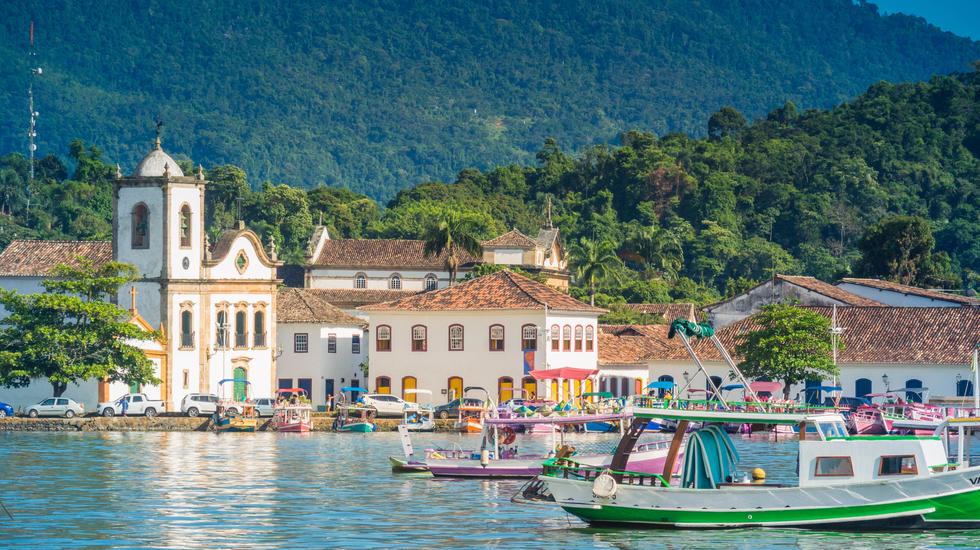
• Nestled between São Paulo and Rio de Janeiro, Paraty stands out as a peaceful colonial gem on Brazil’s coast.
Paraty feels like time just… slowed down. In the historic center, cars aren’t allowed, so you can wander cobblestone streets lined with whitewashed buildings and splashy doors.
The town sits between the lush Atlantic Forest and the calm waters of Ilha Grande Bay. You can see the whole historic area in a day, but honestly, you’ll probably want to linger.
If you love the beach, head to Praia do Cachadaço for clear water and chill vibes. Nature tours are a big deal here too, letting you get up close with the surrounding forests and wildlife.
Paraty is a breath of fresh air if you’re tired of Brazil’s crowded cities. The colonial buildings remind you this was once a major gold port, and the history still echoes through the streets.
Traveling between Rio and São Paulo? Paraty is a perfect spot to pause for a couple of days and soak in some of Brazil’s prettiest coast.
7. Ouro Preto, Brazil

• This colonial gem nestled in Brazil’s Minas Gerais state is a living museum of baroque architecture and fascinating gold rush history.
Ouro Preto means “Black Gold” in Portuguese, and that pretty much sums up its beginnings. Founded during the 18th-century gold rush, the town quickly became one of South America’s richest places.
Walk the steep cobblestone streets and you’ll feel like you’ve stepped into another century. Ornate churches are everywhere—São Francisco de Assis Church, in particular, is jaw-dropping.
What’s cool about Ouro Preto is how much of its historic charm remains. Unlike some towns that have modernized, Ouro Preto keeps its old-world vibe. Colorful buildings set against green hills make for postcard moments at every turn.
The hills can be a workout, but the views are worth it. If you can, visit during a local festival—music and celebrations fill the streets and bring the town to life.
8. Valparaíso, Chile

- This colorful coastal city is often called “The Jewel of the Pacific” and was declared a UNESCO World Heritage site in 2003.
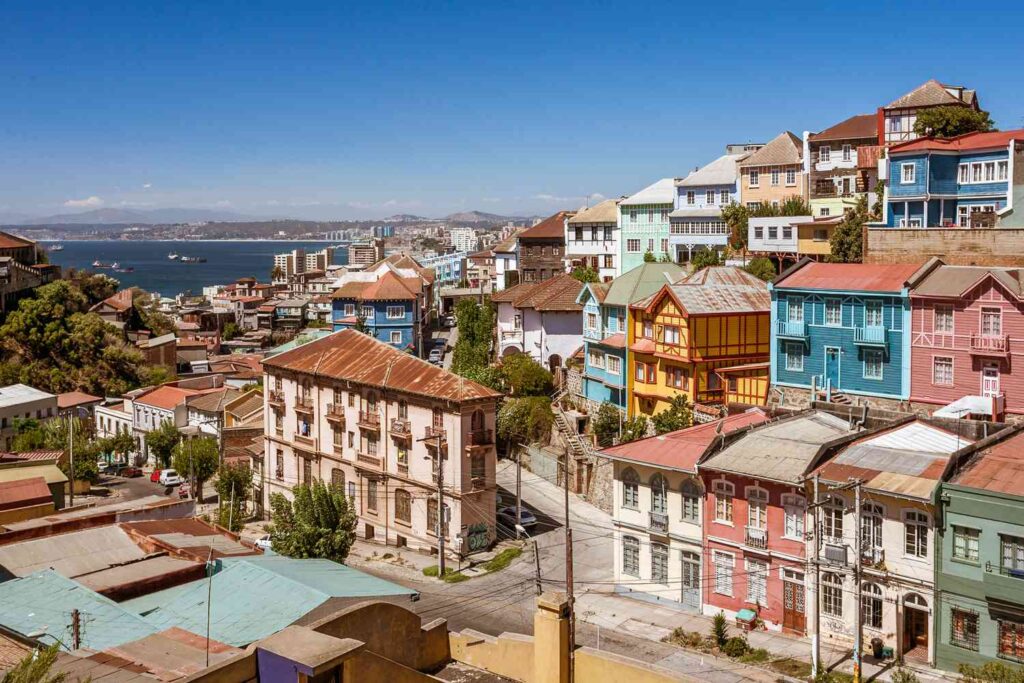
Valparaíso is a visual feast—rainbow houses spill across steep hills, and street art covers almost every wall. The city’s quirky funiculars (cable cars) help locals and visitors get around the crazy slopes.
The bohemian spirit here is contagious. Artists, writers, and musicians have flocked to Valparaíso for ages, and you can feel that creative buzz as you explore the twisting streets.
La Sebastiana, one of Pablo Neruda’s old homes, is now a museum—definitely worth a visit for the views alone. When you’re hungry, the port area dishes up some of Chile’s best seafood.
Valparaíso is made for slow travel. Spend the morning sipping coffee at a café and the afternoon wandering the colorful cerros (hills). The laid-back vibe is hard to beat.
9. Quebrada de Humahuaca Villages, Argentina

- This UNESCO World Heritage site in northwest Argentina features a string of colorful mountain villages set along an ancient valley corridor that has been used for over 10,000 years.
Hidden in Argentina’s Jujuy Province, the Quebrada de Humahuaca villages feel like a painting come to life. The narrow valley, framed by dramatic mountains, is dotted with settlements that seem frozen in time.
Start in Purmamarca, famous for the Cerro de los Siete Colores (Hill of Seven Colors). The rainbow hills make a stunning backdrop for the tiny village, its craft market, and whitewashed church.
Tilcara, further north, balances pre-Columbian ruins with cozy cafés. Maimará boasts the “Painter’s Palette,” a hillside streaked with wild natural colors.
Humahuaca, at the northern end, is all colonial charm and home to the Monument to Independence. Volcan, at the southern tip, has a serene lagoon nestled among red hills.
As you move through these villages, local artisans, Andean dishes, and a blend of indigenous and colonial culture greet you at every turn.
10. Cartagena, Colombia

• A colonial gem with Caribbean flair on Colombia’s northern coast
Cartagena is the crown jewel of Colombia’s Caribbean side. With its perfectly preserved colonial buildings and splashes of color everywhere, this UNESCO site feels like another world. The walled Old Town is pure magic.
It’s hard not to fall for the balconies draped in bougainvillea and the vivid facades. Women in traditional dress sell fruit, and horse-drawn carriages clatter down the stone streets.
The city’s Caribbean twist gives it a vibe you won’t find anywhere else. By day, you can wander the old fortifications that once kept pirates at bay. At night, plazas fill with music and dancing—Cartagena really comes alive.
Don’t skip Getsemaní, the artsy neighborhood just outside the walls. Once rough around the edges, it’s now a hub of street art, cool cafés, and genuine local life.
11. Santuario de las Lajas, Colombia

• This Gothic-style cathedral built dramatically over a gorge is one of South America’s most breathtaking architectural wonders.
Near the border town of Ipiales, Santuario de las Lajas will probably leave you speechless. This isn’t your average church—it’s a neo-Gothic masterpiece built right over a deep canyon, spanning the Guáitara River.
The legend behind it just adds to the magic. Locals say the Virgin Mary appeared on the rock face, and now the cathedral rises 100 feet above the canyon, connected to the opposite cliff by a striking stone bridge.
When you visit, both tourists and pilgrims gather to marvel at this wild piece of architecture and soak up the atmosphere. The clash of ornate stonework and rugged canyon creates a scene you won’t forget.
The small town next to the sanctuary has a few simple places to stay and local spots where you can try Colombian classics after a day of exploring.
12. Malpelo Island Village, Colombia

- This remote Colombian island gives you one of the world’s most extraordinary shark diving experiences, all while keeping a tiny, secluded village vibe you just can’t find anywhere else in South America.
Malpelo Island Village hides out in the eastern Pacific Ocean, and honestly, most people haven’t even heard of it. This tiny settlement sits right on what many call the “Shark Diving Capital of the World.” Its isolation keeps both the wild beauty and the quirky, close-knit community intact.
Getting here isn’t simple—you’ll have to hop on a liveaboard boat. The trip turns into its own adventure as you drift away from civilization and spot this rugged rock rising out of the endless blue.
The village itself is small, but the people? They’re welcoming, and you can tell they’ve figured out how to make life work on this far-flung outpost. They’ll probably share stories about island life that’ll stick with you long after you leave.
Malpelo really shines underwater. The marine life is wild—hammerhead sharks, silky sharks, and a ton of other species swim all around. When you dive here, you come face-to-face with these amazing creatures right where they live.
Between dives, you might wander the island’s dramatic cliffs or watch the bird colonies that somehow thrive in this remote place.
13. Medellín, Colombia

• Medellín used to have a rough reputation, but now it stands out as one of South America’s most innovative and beautiful cities.
Medellín sits in a valley surrounded by the Andes, and the weather is just about perfect all year—no wonder people call it the “City of Eternal Spring.” The green mountains wrap around the city, and modern buildings mix in with the old, making for a pretty striking backdrop.
The city’s transformation pops up everywhere, especially in its slick public transit. Those famous cable cars don’t just get you up the hills—they show off jaw-dropping views of the whole valley.
Medellín feels alive. Plaza Botero puts Fernando Botero’s chunky bronze statues on display, and Parque Explora is a science museum that’ll keep anyone curious busy for hours. When night falls, El Poblado buzzes with nightlife and restaurants that stay open late.
Locals here—Paisas—are warm, proud, and quick to make you feel at home. Their hospitality and excitement for their city’s rebirth just add to the energy of this South American gem.
14. Cusco, Peru
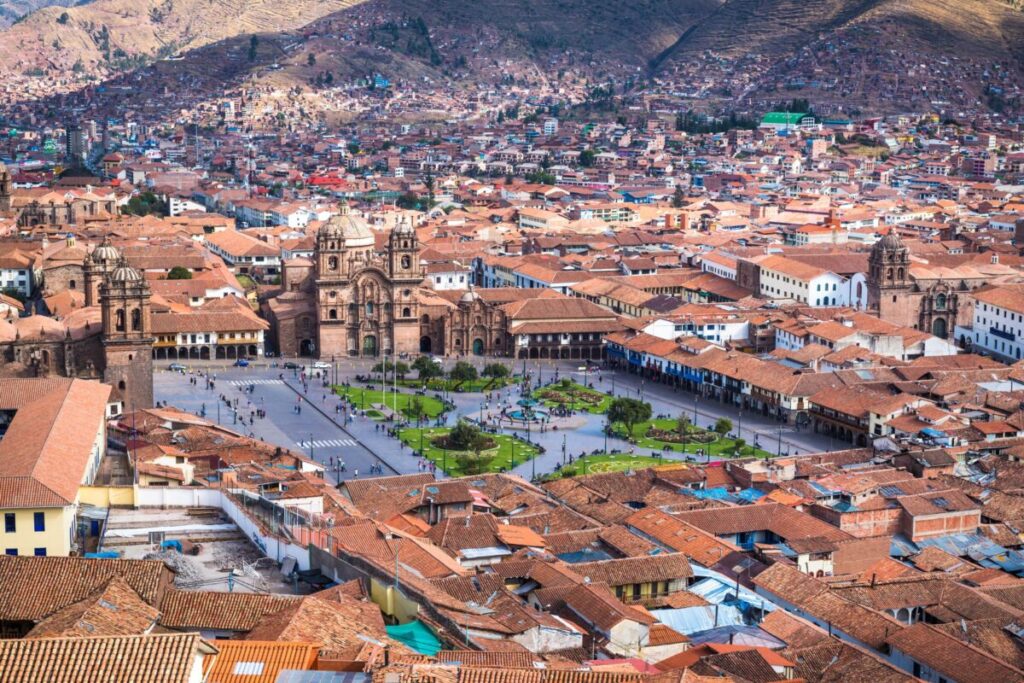
• Ancient Inca capital with stunning colonial architecture and incredible historical significance
High up in the Peruvian Andes—over 11,000 feet, actually—Cusco feels like pure magic. The city weaves together its Incan roots and Spanish colonial past, creating a culture you honestly won’t find anywhere else.
Wandering Cusco’s cobblestone streets, you feel like you’ve stepped into another era. The stonework from the Incas is unreal, forming the base of so many buildings. Plaza de Armas, with its cathedral and arched walkways, is the perfect spot to sip coca tea and watch the world go by.
Cusco isn’t just a pretty face; it’s the gateway to Machu Picchu. But don’t rush out! The Sacred Valley and ruins like Sacsayhuamán are absolutely worth a detour.
San Pedro Market bursts with life—vendors sell everything from fresh fruit to woven blankets. And when hunger strikes, Cusco’s food scene mixes old-school Andean flavors with modern Peruvian twists.
15. Buenos Aires, Argentina

- The grand capital of Argentina blends European elegance with Latin passion, creating a vibrant metropolis unlike any other in South America.
Buenos Aires might not fit the “charming town” label—let’s be real, it’s massive—but it earns its place here for the way each neighborhood feels like its own little world. It’s a patchwork of villages, each with a totally different vibe.
In Palermo, trees line the streets, and the cafes and boutiques could easily belong in Brooklyn or Berlin. San Telmo pulls you in with cobblestones and a Sunday antique market that’s perfect for treasure hunting.
La Boca is a riot of color, with houses painted every shade and tango dancers twirling right on the street. Recoleta, meanwhile, feels almost Parisian with its elegant buildings and that famous, hauntingly beautiful cemetery.
Porteños—locals—pour their passion into everything, from soccer matches to the city’s late-night food scene. There’s something unforgettable about sipping wine at a sidewalk table at 11pm, just watching Buenos Aires come alive.
What Makes a Town Charming in South America?

South American charm? It’s that mix of old architecture, vibrant traditions, and scenery that just stops you in your tracks. Every town has its own personality, and that’s what pulls you in.
Unique Architectural Styles
Architecture here tells stories—colonial history, indigenous flair, and a lot of color. You’ll spot buildings with wooden balconies, terracotta roofs, and streets that look straight out of a postcard.
In places like Cartagena or Salta, the facades pop with color and show off Spanish colonial style with a local twist. These aren’t just pretty buildings—they’re living, breathing history.
Some towns have kept their historic centers almost untouched. You’ll walk cobblestone streets lined with whitewashed walls, ornate churches, and plazas that haven’t changed in centuries. The way European, African, and indigenous styles blend makes streetscapes you just won’t see anywhere else.
Cultural Heritage and Local Traditions
The real heart of these towns? It’s the traditions and the people. Communities hold tight to customs passed down for generations.
Festivals light up towns with music, dancing, costumes, and food. You might stumble onto a parade, a religious procession, or a market packed with handmade goods.
Food is huge here. Bakeries, markets, and little family restaurants serve dishes that have been in the family for ages. If you’re in the right spot, try the empanadas, arepas, or ceviche.
Crafts bring even more character. In Peru, you’ll see hand-woven textiles; in Argentina, look for leatherwork; and ceramics pop up all over. These crafts show off local materials and artistry.
Natural Scenery and Surrounding Landscapes
Charming towns in South America often perch in places that make your jaw drop. Hillsides, coastlines, valleys—there’s always a view, and usually some wild adventure waiting.
The Andes loom behind towns in Peru, Chile, Colombia, and Argentina. Sometimes you wake up to misty mountains or sunsets that light up volcanic peaks. Baños in Ecuador and Purmamarca in Argentina are perfect examples of nature stealing the show.
Coastal towns have their own laid-back charm—fishing boats, fresh seafood, and a slower pace. Think of Chile’s fishing villages or Brazil’s historic beach towns where time seems to slow down.
Rivers and lakes shape life, too. Towns near Lake Titicaca or the Amazon’s tributaries connect deeply with their waterways, changing everything from transport to traditions.
Tips for Experiencing South America’s Most Picturesque Towns
Exploring these towns takes a little planning and a lot of openness. The right timing, genuine connections, and a bit of responsibility can turn a regular trip into something special.
Best Times of Year to Visit
Weather is all over the place here, so timing matters. December to March works great for the south—think Argentina and Chile—while the Andes are best from May to September when it’s dry.
If you’re heading to Brazil’s colonial towns like Paraty or Ouro Preto, try to skip the rainy season (November to March). Ecuador and Colombia’s gems are pretty much good all year, but April to September is usually nicest.
Festivals can totally change a town. Cusco lights up for Inti Raymi in June, and Colonia del Sacramento in Uruguay is lovely and less crowded during their fall (March-May).
Connecting With Local Communities
People are the heart of these towns. Even learning a few words of Spanish or Portuguese goes a long way—locals appreciate the effort.
Check out community tourism options. Local guides share stories and insights you won’t find online. Markets are my favorite for meeting people—some of my best travel conversations happened over coffee with vendors in Bolivia.
Try a cooking class or a craft workshop. In Barichara or Ollantaytambo, you might meet families who’ve been perfecting their art for generations.
Don’t try to see it all in a day or two. Stick around for 2-3 days if you can, and let the rhythm of the place sink in.
Responsible and Sustainable Tourism Practices
These towns are beautiful, but they’re also fragile. Book local guesthouses or posadas—besides being more authentic, they help the community.
Be careful with water, especially in desert places like San Pedro de Atacama. Some of these towns cater to tourists, but their resources are limited.
Buy crafts straight from the source. Skip the mass-produced stuff and support local artisans, but always ask before snapping photos of people or their work.
Respect traditions and sacred sites, especially in indigenous communities. In Peru’s Sacred Valley, for example, ancient customs are still alive—your guide can clue you in on what’s appropriate.
Frequently Asked Questions
South America’s smaller towns offer real-deal experiences far from the tourist crowds. These places show off the continent’s wild diversity, deep culture, and layered history.
What are the top small towns in South America that travelers should not miss?
Colca Canyon in Peru hides some real gems. Yanque has a gorgeous colonial church and mountain views that are hard to beat.
Coporaque feels even more authentic, with barely any tourists and hiking trails that go on forever. The stone streets and old architecture pull you right into the past.
Aguas Calientes is more than just Machu Picchu’s gateway—it’s got hot springs and bustling markets that make it worth a stop, even if the ruins are your main goal.
Which towns in South America are known for their exceptional charm and beauty?
Maca, in Peru’s Colca Canyon, surprises you with its white church set against volcanic peaks. The views are honestly breathtaking.
Lari, sometimes called the “town of witches,” has one of the region’s most impressive churches and a mysterious vibe thanks to its folklore.
Barichara in Colombia almost always makes the beauty lists, with its cobblestones, terracotta roofs, and artisan shops that make you feel like you’ve time-traveled.
What are some underrated yet beautiful places to visit in South America?
Purmamarca in Argentina doesn’t get much international buzz, but the Hill of Seven Colors is stunning. You’ll find great hikes, local crafts, and way fewer crowds.
Villa de Leyva in Colombia feels like a secret. Its huge cobblestone plaza and whitewashed buildings look frozen in time.
Cafayate, in Argentina’s wine country, pairs red rock landscapes with vineyards. It’s relaxed, beautiful, and a fantastic alternative to the bigger wine regions.
Can you suggest quaint towns in South America for an authentic cultural experience?
Ollantaytambo in Peru’s Sacred Valley is about as real as it gets. People still live in original Inca homes, and water runs through ancient stone channels.
San Pedro de Atacama in Chile gives you a window into indigenous cultures, surrounded by landscapes that look like another planet. Adobe buildings and epic night skies make it unforgettable.
Salento, right in Colombia’s coffee region, shows off traditional farming and rainbow-colored buildings. Spend time with local coffee growers and you’ll get a true taste of the culture.
What are the best destinations in South America for travelers seeking a picturesque setting?
Colonia del Sacramento in Uruguay charms with its old quarter—cobblestone streets, vintage cars, and sunsets over the Rio de la Plata that feel almost unreal.
Paraty in Brazil mixes a perfectly preserved colonial center with gorgeous coastlines. The colorful buildings and blue water are a photographer’s dream.
Huacachina in Peru is a wild surprise—an oasis ringed by huge sand dunes. The palm-lined lagoon and golden sands make for a scene you just don’t expect.
Where can one find the most unique and off-the-beaten-path towns in South America?
Pucón, tucked away in Chile’s Lake District, blends a quirky mix of German vibes with the deep-rooted Mapuche culture. The town sits right beneath a striking, cone-shaped volcano, and you’ll also find steamy hot springs nearby—honestly, it’s hard not to be impressed.
San Pedro de Quemez in Bolivia hugs the edge of the Uyuni Salt Flats, way out in the middle of nowhere. Salt brick buildings line the streets, and the sheer isolation gives the place a surreal, almost dreamlike atmosphere.
Mompox in Colombia? Getting there isn’t easy, and that’s kind of the point. Its colonial architecture and lazy river culture have stuck around, mostly untouched by the usual crowds of tourists. This UNESCO spot feels like a hidden gem waiting for someone curious enough to seek it out.
Leave a Reply