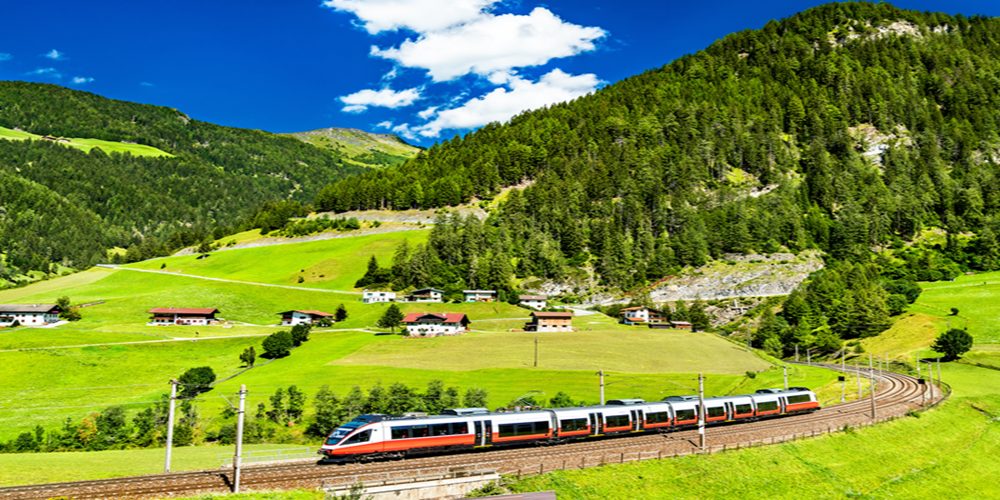
Traveling Europe by train has to be one of the most enchanting ways to see the continent. The rail networks connect everything, from bustling cities to sleepy villages, and you’re free to hop on and off as you please, soaking up Europe’s endless mix of cultures, food, and landscapes. A single Eurail Pass lets you visit up to 33 countries, so you can skip airport headaches and confusing highways, making it a pretty flexible and convenient choice if you want to cover a lot of ground.
Before you set off, figure out if you want individual tickets or a rail pass like Eurail. Your itinerary really determines what makes sense—if you’re bouncing around several countries in a short time, a pass usually pays off. Staying longer in one spot or visiting just a few places? Buying tickets for specific routes might save you more. Always check if your trains need reservations on top of your ticket or pass.
Key Takeaways
- Train travel’s a scenic, easy way to explore Europe, and a single Eurail Pass covers 33 countries.
- Weigh individual tickets against rail passes—what’s best depends on how often and where you’re traveling.
- Pack snacks, get to stations early, and double-check if your trains need seat reservations beyond your ticket or pass.
Planning Your European Train Adventure
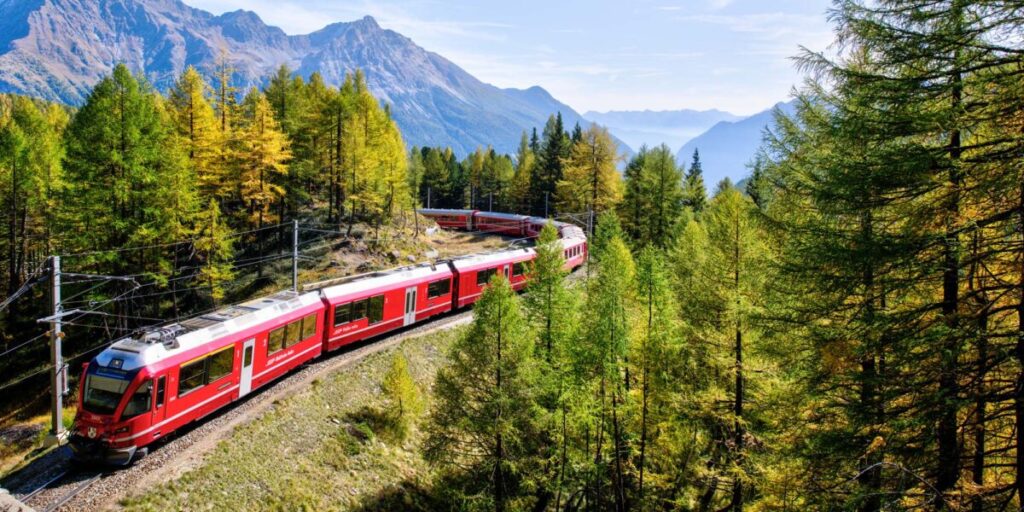
Planning a European train trip might feel overwhelming at first, but honestly, it’s half the fun. The network stretches across the continent, linking big cities and tiny towns, and you’ll get views you’d never see from a plane.
Choosing Your Route
Decide if you want to stick to one region or zip through several countries. For first-timers, the “Golden Triangle” of Paris, Amsterdam, and Berlin is a fantastic intro to European rail. If you’re after a southern vibe, Italy’s main cities—Rome, Florence, Venice—are all connected by speedy trains.
The Rail Planner App makes mapping out your journey way easier. I’ve leaned on it a ton to check train times and connections, even without wifi. For longer hauls, try an overnight train—you’ll save on hotels and wake up somewhere new.
Don’t rush through just the capitals. I once squeezed in a stop at Bruges between Paris and Amsterdam—absolutely worth it.
Popular Destinations and Itineraries
Some itineraries just work perfectly by train:
Classic Western Europe (2 weeks):
- Paris (3 days)
- Amsterdam (2 days)
- Cologne (1 day)
- Munich (3 days)
- Zurich (2 days)
- Back to Paris (1 day)
Mediterranean Magic (10 days):
- Barcelona (3 days)
- Nice (2 days)
- Florence (2 days)
- Rome (3 days)
The Alpine routes in Switzerland are stunning—the Bernina Express is a highlight. If you’re into history, Eastern Europe has great value, with Prague, Vienna, and Budapest all linked by rail.
Direct trains zip between big cities, but you’ll probably need to change trains for smaller towns. Honestly, that’s part of the adventure—some of my favorite finds have been in places I’d never planned to visit.
When to Travel
Summer (June-August) has the best weather and the longest days, but you’ll run into crowds and higher prices. Spring (April-May) and fall (September-October) hit that sweet spot: pleasant weather, fewer tourists.
Winter can be magical, especially for Christmas markets in Germany and Austria. Just keep in mind, mountain routes might get disrupted by snow.
Book high-speed and overnight trains a couple of months in advance, especially during peak season. Most regional trains don’t need reservations, so you can stay spontaneous.
Try to avoid traveling during big European holidays unless you’re after the festivities. Trains fill up fast around Easter, Christmas, and August, and some southern countries cut back service then.
Understanding Train Types in Europe
Europe’s train system can feel like a maze at first, but once you get the hang of the different types, planning gets a lot simpler. Each train has its own vibe and purpose, from fast city connections to jaw-dropping scenic rides.
High-Speed Trains
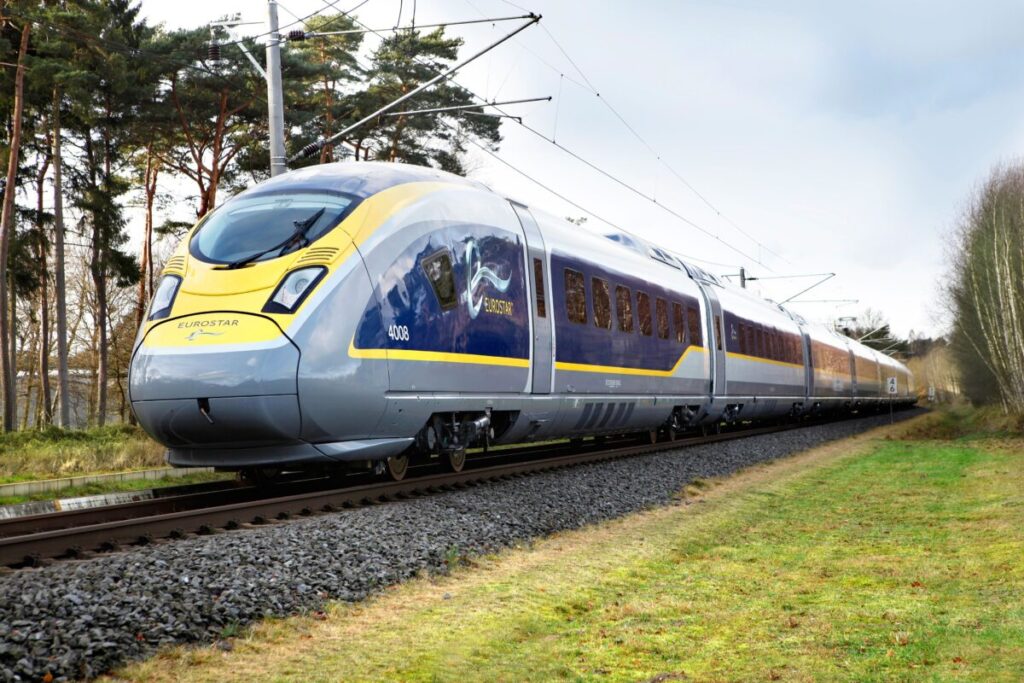
High-speed trains are the rockstars of European rail, zipping you between cities at up to 320 km/h (200 mph). The Eurostar links London to Paris and Brussels through the Channel Tunnel in just over 2 hours. France’s TGV network is huge, and you can get from Paris to Marseille in about 3 hours.
Germany’s Deutsche Bahn runs ICE trains—think comfy seats, dining cars, free WiFi. Spain’s AVE and Italy’s Frecciarossa are just as slick.
High-speed trains almost always need reservations and cost more than regional trains, but honestly, the speed and comfort often make it worthwhile.
Regional Trains
Regional trains link up smaller towns and cities and stop more often. They’re perfect for exploring off-the-beaten-path spots or short hops between close destinations.
They’re usually cheaper than high-speed trains and often don’t need reservations. In Germany, watch for RE (Regional Express) or RB (Regionalbahn). France has TER (Transport Express Régional).
Regional trains chug through scenic countryside and villages you’d never see from a high-speed window. They’re also great for day trips from bigger cities.
Your Eurail or Interrail pass usually covers these trains without extra reservation fees, so they’re a solid bet for budget travelers who want flexibility.
Scenic Trains
Europe’s got some train rides that are just as much the destination as the cities themselves. The Glacier Express in Switzerland is legendary: 8 hours through the Alps, across 291 bridges and 91 tunnels.
Norway’s Bergen Railway dishes up crazy fjord and mountain views. The Flåm Railway? One of the steepest in the world, with waterfalls and valleys everywhere you look.
In Scotland, ride the Jacobite Steam Train (yep, the real Hogwarts Express) over the Glenfinnan Viaduct. Switzerland’s Bernina Express climbs past glaciers with giant panoramic windows.
You’ll need to book these scenic trains ahead of time, especially in summer. It’s worth the extra planning for the views alone.
Rail Passes and Ticket Options Explained
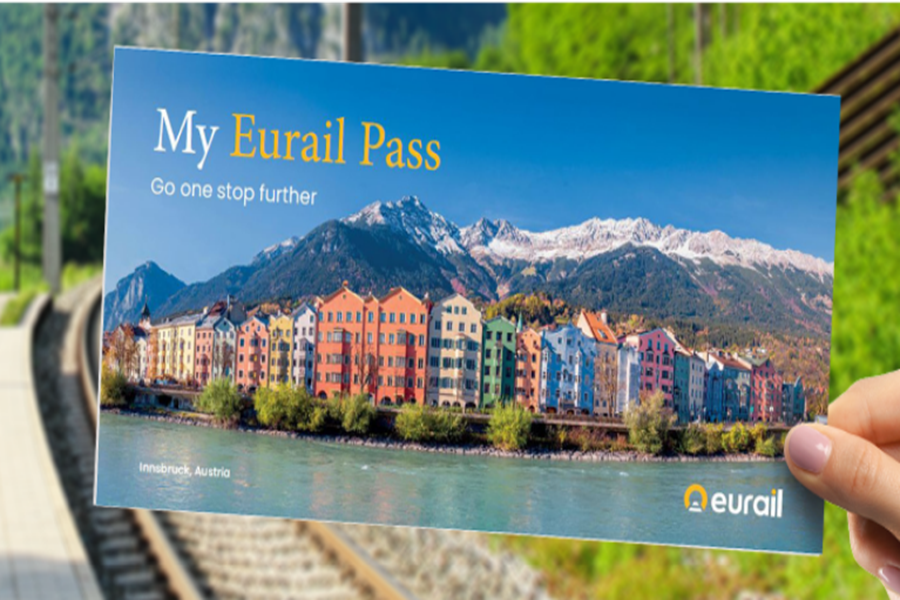
Train travel gives you loads of flexibility and makes getting around Europe a breeze. Knowing your ticket options can save you cash and stress.
Rail Passes vs Point-to-Point Tickets
You’ll have to choose between buying individual tickets or grabbing a rail pass. Point-to-point tickets are best if you’re only taking a handful of trips or sticking to one area—you pay for what you use, simple as that.
Rail passes give you unlimited travel for a set time and region. They’re usually a better deal if you’re hopping on trains a lot, especially in pricier places like Switzerland or Scandinavia.
Do the math: add up the cost of individual tickets and compare it to a pass. Some high-speed or overnight trains still need paid seat reservations, even if you have a pass. For short trips between nearby cities, individual tickets usually win on price.
Eurail Pass and Other Regional Passes
The Eurail Pass (sometimes called Eurorail) is probably the most famous—it gets you on trains in 33 countries. You can pick a Global Pass (all countries) or a One Country Pass.
Passes come in two main flavors: continuous (unlimited train rides for a set number of days) or flexi (a certain number of travel days in a longer period). For instance, you might have 10 travel days over 2 months.
There are also country-specific options, like Germany’s Deutsche Bahn pass or the Swiss Travel Pass. These sometimes throw in extras, like museum entries or local transit. What’s best really depends on your route—sometimes a country pass makes more sense than a big multi-country one.
Where and How to Buy Train Tickets
You can buy European train tickets in a bunch of ways. Try official national railway sites (like SNCF for France), third-party sellers like Rail Europe, or apps like Trainline or Omio.
For rail passes, buy before your trip—they’re usually available up to 11 months ahead. Most passes get shipped to your home, so leave time for delivery. Some are mobile now, but paper passes are still common.
You can buy point-to-point tickets at the station, but booking online almost always gets you a better deal, especially for high-speed trains. Many countries set prices like airlines: the earlier you book, the cheaper it is.
Don’t forget to validate your ticket before boarding if you need to. Skipping this step can mean a hefty fine, even if your ticket’s legit.
Making Reservations and Seat Choices
Figuring out the reservation system can seem confusing, but it’s actually not too bad once you know the basics. Knowing when you need a reservation and picking the right seat can make a huge difference.
When Reservations Are Required
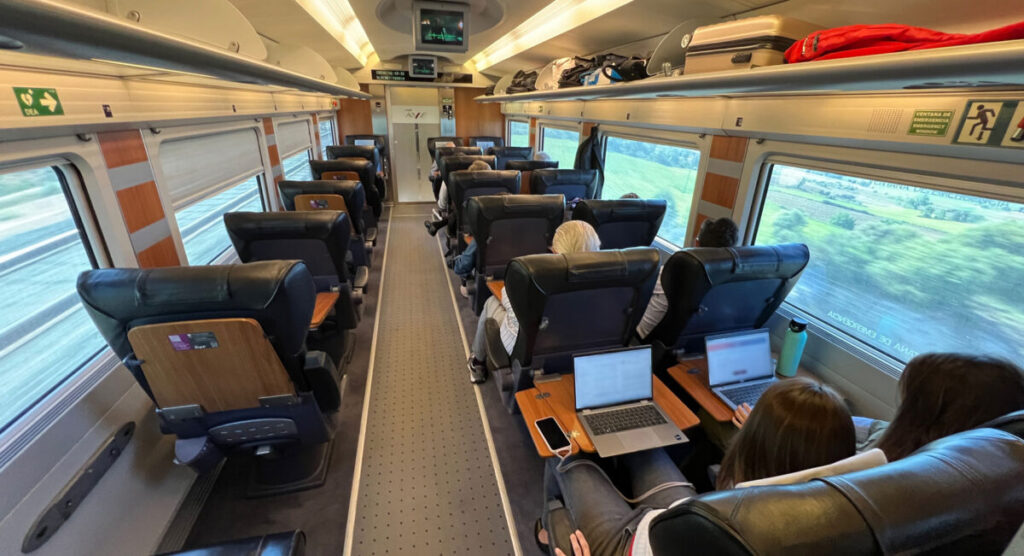
Some trains in Europe need seat reservations, others don’t. High-speed trains like the French TGV, Spanish Renfe AVE, and Eurostar always require them. If you buy a point-to-point ticket, the reservation is usually included, but with a rail pass, you’ll pay extra.
The Deutsche Bahn website lays it all out clearly—look for an “R” symbol to see if a reservation’s needed.
Most regional and local trains let you just hop on with your ticket or pass. But during busy times or on popular routes, reserving ahead can save you stress.
Reservation rules can change by season. In summer, you’ll see more mandatory reservations, especially on routes to the coast.
Booking Tips for Popular Routes

For popular routes, book reservations a few weeks in advance, especially in summer. Eurostar tickets disappear fast, as do overnight and scenic trains like Switzerland’s Glacier Express.
You can book reservations:
- Online at rail company sites
- At European train stations
- Through the Eurail/Interrail reservation service
- Using third-party sites like Trainline
Think about the direction you’re traveling. If you get motion sickness, seats facing forward are usually better.
Morning trains are often less crowded than afternoon ones. If you’re flexible, you might dodge the need for a reservation by picking off-peak times.
If you’re taking an overnight train, splurging on a couchette is worth it. You’ll actually get some sleep instead of nodding off in a seat.
Class Types and Seating Options
Most European trains have two main classes:
First Class:
- Comfier, wider seats
- More legroom
- Quieter cars
- Power outlets are common
- Sometimes free drinks or snacks
- Usually 2+1 seating (two seats on one side, one on the other)
Second Class:
- Standard but comfortable seats
- Usually 2+2 seating
- Great value
- Honestly, plenty comfy for most trips
Pick your seat based on what matters to you. Window for the views, aisle for easy access, or a table if you’re traveling with family or need a workspace.
Some trains have quiet zones, family sections, or spots for bikes. If you’ve got kids, look for family carriages—they’re a lifesaver.
Experiencing Overnight and Night Trains
Overnight trains in Europe are a magical way to travel. You fall asleep in one country, wake up in another, and save on hotel costs at the same time.
Types of Accommodation
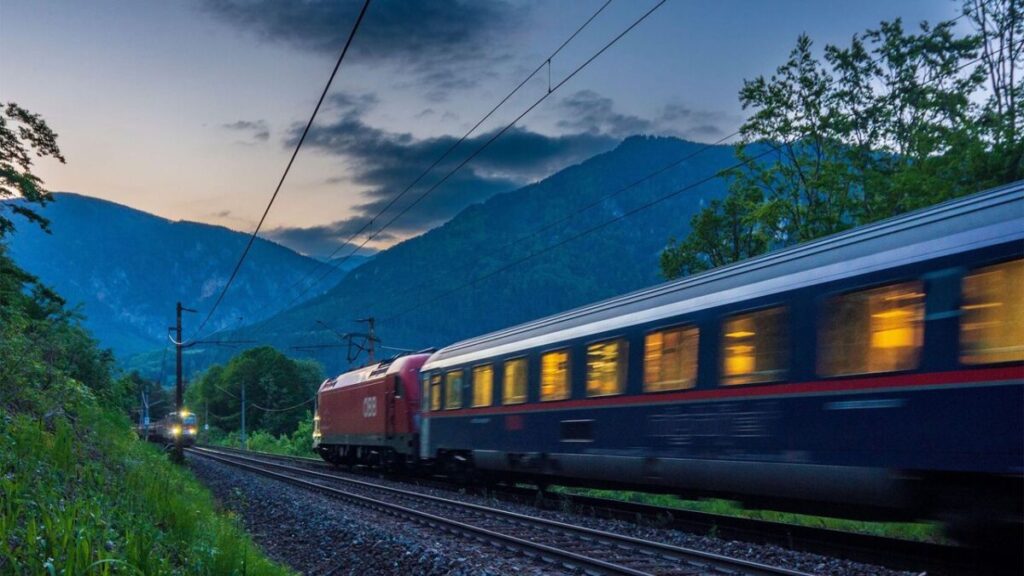
Night trains usually offer a few different comfort levels. The cheapest is a regular seat—not ideal for sleeping, but it’ll do in a pinch.
Couchettes are the next step up: basic bunks in shared compartments (4-6 beds), bedding included. You’ll sleep in your clothes, but it’s a solid budget option.
Sleeper cabins are the most comfortable, with different setups:
- Standard sleepers: Compartments with 1-3 beds, shared
- Deluxe sleepers: Private cabins with your own toilet and shower
- Double sleepers: Great for couples or friends
Prices go up with comfort, but even the fanciest options are often cheaper than a hotel in a big city.
Booking and Using Couchettes and Sleepers
Book your night train at least a few days ahead, especially in summer or around holidays—they fill up fast. Routes linking Austria and Germany with neighboring countries get particularly busy.
Reserve through:
- Rail company websites (like ÖBB Nightjet)
- European booking platforms (Eurail.com)
- Rail pass services if you have a Eurail pass (reservation fees still apply)
Have your ticket and reservation ready when you board. Conductors check your documents and sometimes keep your passport overnight for security—it’s normal on some routes.
Set an alarm if you need to get off early. Conductors might not wake you, especially if the train has multiple destinations.
What to Expect Onboard
Night trains can really differ in quality and amenities, depending on who’s running them and the route you’re on. Newer services like European Sleeper and Nightjet usually give you modern, comfortable accommodations—honestly, it’s a pleasant surprise.
Most night trains offer:
- Bedding (sheets, blankets, pillows)
- A small sink in sleeper compartments
- Electrical outlets for charging devices
- Sometimes a welcome kit with basic toiletries
You’ll want to bring a few essentials:
- Eye mask and earplugs
- Water bottle and snacks
- Small toiletry kit
- Comfortable clothes to sleep in
Many night trains include a dining car, or at least a trolley that rolls by with drinks and snacks. Some premium services even throw in breakfast with your fare, which is a nice touch.
The gentle rocking of the train helps a lot of people sleep surprisingly well. You might wake up feeling refreshed, ready to tackle a new city without having lost a whole day to travel.
Major Train Operators and Iconic Routes
Europe’s rail network has several major operators connecting cities with convenient and scenic routes. Each company seems to have its own signature journeys that really show off the best of European rail travel.
Eurostar: London to Continental Europe
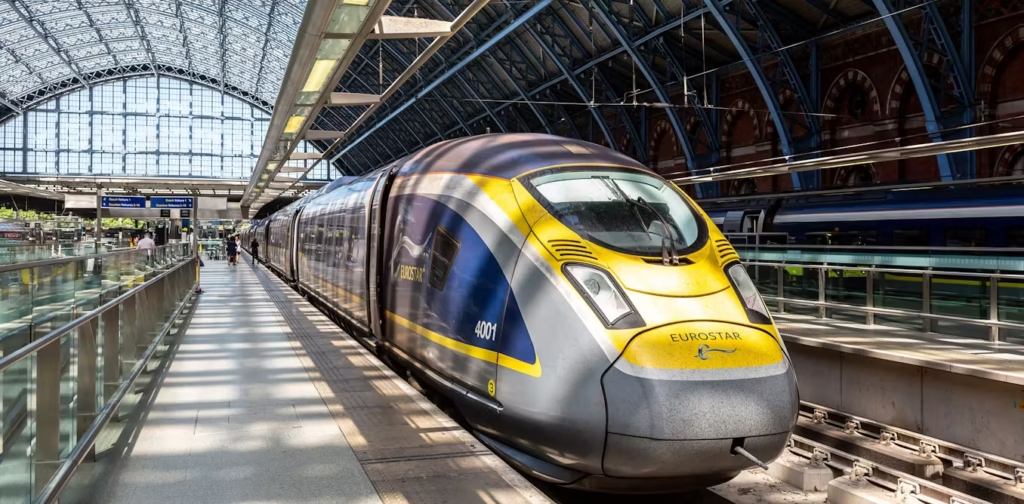
Eurostar opens up the UK to mainland Europe. This high-speed train zips you through the Channel Tunnel in about 20 minutes, connecting London to Paris in roughly 2.5 hours and reaching Brussels in around 2 hours.
These sleek, modern trains come in different classes to fit your budget. Standard Premier and Business Premier get you meals and extra comfort, which can make longer trips much nicer.
Some favorite Eurostar routes:
- London to Paris: Great for quick getaways
- London to Amsterdam: A newer, increasingly popular option
- London to Brussels: The perfect entry point to Belgium and beyond
If you want the best fares, book Eurostar tickets at least three months ahead. By the way, St. Pancras International is a lovely terminal—plenty of shops and restaurants if you arrive early.
Trenitalia and Italian Rail Experiences
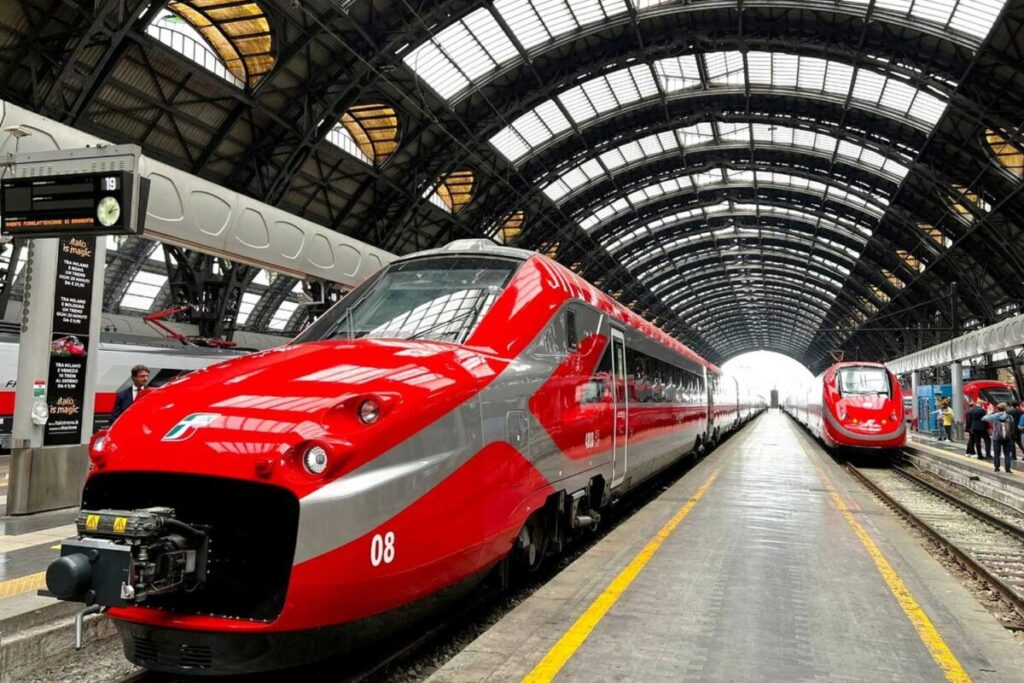
Trenitalia, Italy’s main rail operator, connects all the major cities across the country. Their high-speed Frecciarossa (Red Arrow) trains can reach up to 300 km/h, so getting between cities is fast and comfortable.
The Rome to Florence line is one of Europe’s busiest, getting you between these two gems in just 1.5 hours. The Milan to Venice route treats you to some beautiful countryside views along the way.
For something a bit different, hop on the Intercity Notte to Sicily. The train boards a ferry to cross the Strait of Messina, and you can just sleep through the whole thing in your cozy cabin.
Italy’s regional trains work well for exploring smaller towns at a slower pace. They’re cheaper, but you’ll spend a bit more time on the rails compared to the high-speed options.
Deutsche Bahn: Germany’s Railways
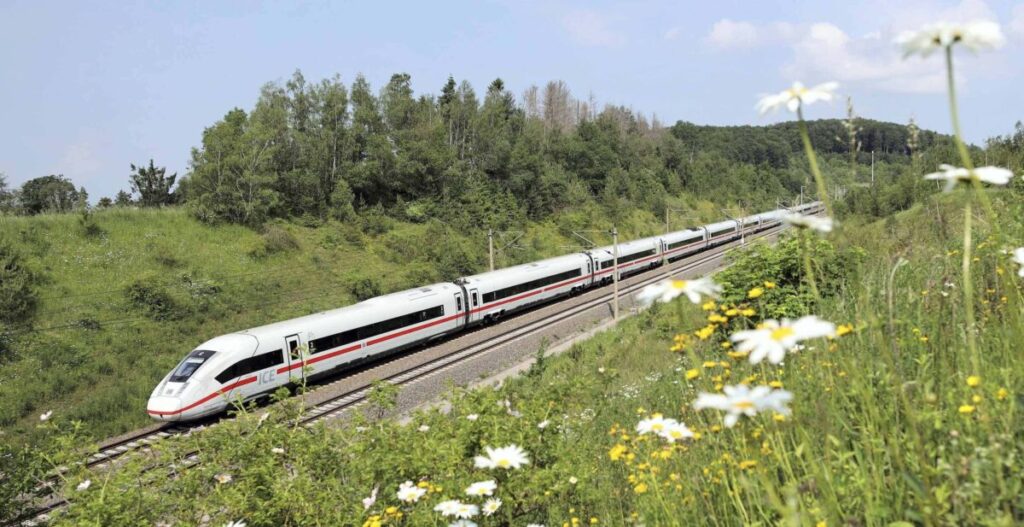
Deutsche Bahn (DB) runs Germany’s famously efficient rail network. Their high-speed ICE (InterCity Express) trains link major cities and even head into neighboring countries.
Popular routes include:
- Berlin to Munich: A direct shot through the heart of Germany
- Frankfurt to Cologne: Just about an hour between these hubs
- Hamburg to Berlin: Germany’s two largest cities, well connected
DB has the handy Rail&Fly program, letting you combine your flight to Germany with onward train connections. It’s a real money and time-saver.
You’ll want the Deutsche Bahn app for your travels. It gives you real-time updates, platform info, and even shows which carriages are less crowded.
RENFE: Exploring Spain by Train
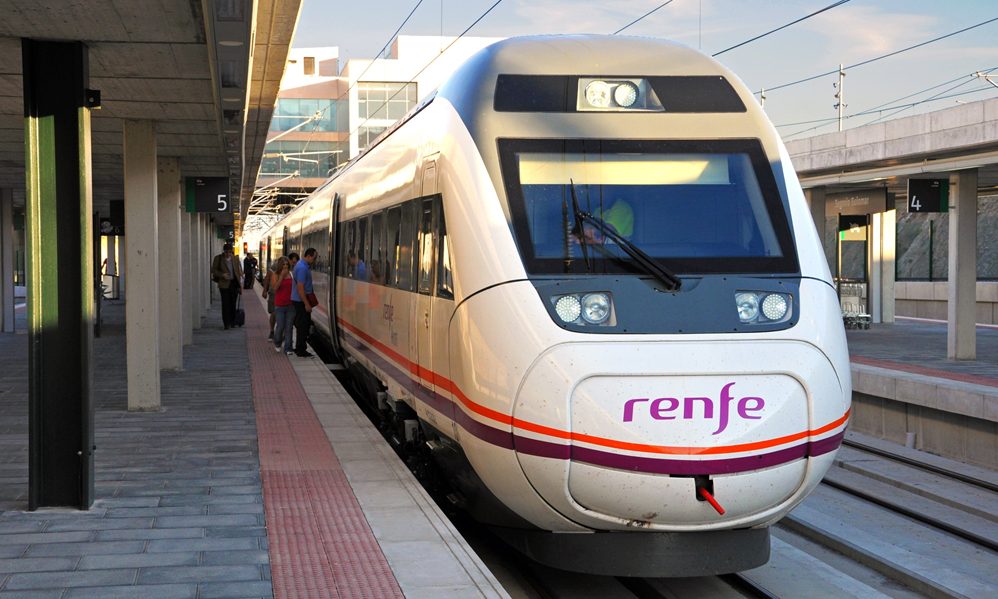
RENFE, Spain’s national rail operator, runs the AVE (Alta Velocidad Española) high-speed network. These trains hit up to 310 km/h, so crossing the country is quick and, honestly, pretty comfortable.
The Madrid to Barcelona route is RENFE’s showpiece—it connects Spain’s two biggest cities in just 2.5 hours. Before high-speed rail, that trip took nearly 9 hours!
For gorgeous views, try the coastal routes along the Mediterranean. Barcelona to Valencia is especially scenic, with sea views that make the 3-hour journey fly by.
RENFE usually offers several service classes. Preferente (first class) gets you meals on some routes and more space to stretch out. Most trains have cafeteria cars, so snacks are never far away.
Travel Tips for a Smooth Train Journey
If you’re prepared, traveling Europe by train is genuinely delightful. A few practical tips can make your rail adventures smoother and a lot more enjoyable.
Packing for Train Travel
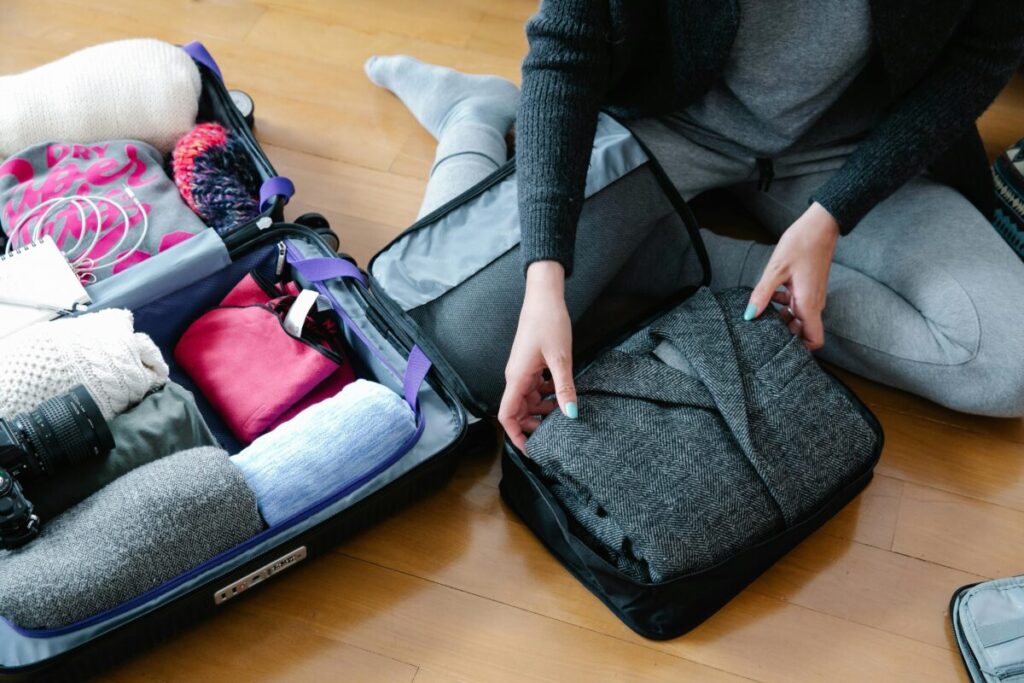
Pack light! You’ll have to manage your own luggage on and off the trains, sometimes with little time between connections. I suggest a backpack or a small wheeled suitcase you can lift into overhead racks without much trouble.
- Water bottle and snacks (station prices can be steep)
- Travel pillow and eye mask for comfort
- Portable charger for your devices
- Entertainment (books, downloaded movies, whatever keeps you happy)
- Layered clothing (train temperatures are unpredictable)
Keep a small day bag handy for stuff you’ll want during the ride—think tickets, passport, wallet, and anything else you won’t want buried in your main bag.
Train compartments don’t have much space. Avoid bulky items if you can, and packing cubes help keep things organized.
Onboard Etiquette and Comfort
Check your ticket and respect assigned seats—no one likes confusion. If you’re in an open-seating car, just find a free seat that isn’t reserved.
Noise can be an issue in shared spaces:
- Use headphones for music or videos
- Keep phone calls short and quiet
- Stay quiet in designated quiet cars
If you’re prone to motion sickness, book a seat facing forward. Window seats are great for views; aisle seats make bathroom and snack runs easier.
Watch out when reclining your seat so you don’t squish anyone. Many trains have tables between facing seats—perfect for cards or a little picnic with friends.
Staying Connected and Informed
Before you leave, download a few key apps:
- Rail planner apps (DB Navigator, Trainline, etc.)
- Offline maps for your destinations
- Language translation apps
- Your rail company’s official app
Most modern European trains have Wi-Fi, but it’s hit or miss depending on where you are. High-speed trains usually have better connections. Personally, I find a local SIM card or international data plan is more reliable.
Listen for announcements—even if they’re not in English. Station names usually come up in the local language, so try to learn how they sound. Station boards often show info in multiple languages, which helps.
Have a backup plan. Delays happen, and it’s good to know your options for catching a later train if needed.
Keeping Your Belongings Secure
Always keep your valuables close. When you leave your seat:
- Take your passport, wallet, and phone with you
- Ask a travel buddy to keep an eye on your stuff
- Use small locks on zippers for basic security
On overnight trains, secure your bag to the rack with a cable lock or keep it in your sleeping compartment. Some night trains have lockers, which is handy.
Stay alert in crowded stations and on busy routes—pickpockets target distracted travelers. Keep your day bag in front of you and consider a money belt for the important documents.
Transfers are when things go missing, so pay extra attention when you’re moving between trains.
Safety, Insurance, and Practical Advice
A bit of preparation goes a long way toward staying safe and enjoying the rails across Europe. Taking a few precautions can really smooth out your journey and keep stress to a minimum.
Understanding Travel Insurance
Travel insurance is essential for European train trips. Look for policies that specifically cover rail travel, including cancellations and delays. Standard plans don’t always include trains, so check the details before you buy.
Comprehensive coverage should include:
- Medical emergencies and evacuation
- Lost or stolen baggage
- Trip interruptions (strikes, weather, etc.)
- Personal liability
Don’t skip insurance just to save a few euros. I once got stranded in Italy during a rail strike, and my insurance covered the hotel and extra travel—definitely worth it.
Most policies run between €30-100, depending on your trip length and what’s covered. If you’re planning a few trips in a year, multi-trip annual policies can save you money.
Handling Emergencies on the Railway
Emergencies on trains are rare, but knowing what to do helps. Every train has emergency brakes and communication systems—look for them when you board.
Save these numbers in your phone:
- European emergency number: 112
- Your country’s embassy contact
- Your insurance’s emergency assistance line
Keep digital and paper copies of your important documents. I always email myself scans of my passport, insurance, and tickets before I leave.
If you miss a connection because of delays, talk to station staff right away. Most rail companies have policies to get you on the next train without extra charges if the delay was their fault.
Accessibility and Special Needs
Accessibility across European train systems can be hit or miss. Western Europe—think Germany and France—usually has great facilities for travelers with limited mobility, but Eastern Europe can be trickier.
When you’re planning:
- Request assistance at least 48 hours ahead
- Check if your trains have wheelchair spaces
- Confirm bathroom accessibility for long trips
Most big stations have ramps, elevators, and staff to help. Eurostar and high-speed trains usually offer spaces for wheelchair users and priority seating for those who need it.
If you’re traveling with hearing or visual impairments, you can request special assistance. Many stations have tactile paving, and announcements are often both visual and audio.
Notable Cities and Scenic Destinations by Train
Europe’s rail network links up some of the continent’s most beautiful cities and landscapes. Traveling by train lets you soak up iconic urban scenes and jaw-dropping nature—no need to drive or fly.
Visiting Venice by Train

Venice is pure magic when you arrive by train. Santa Lucia station sits right on the Grand Canal, so you step out and you’re instantly in the thick of it. From there, you can grab a vaporetto (water bus) to St. Mark’s Square or the Rialto Bridge.
Overnight trains from Paris, Munich, or Vienna bring you straight to Venice. These usually have comfy sleeper compartments, so you can drift off in one country and wake up in Italy.
For quick day trips, take a regional train to Verona or Padua. These are about an hour away and give you a taste of the Veneto countryside.
If you’re heading to Venice in summer (June-August), book your tickets early—seats fill up fast. Spring and fall are much quieter and honestly, probably the best times to visit by train.
Exploring Alpine Routes
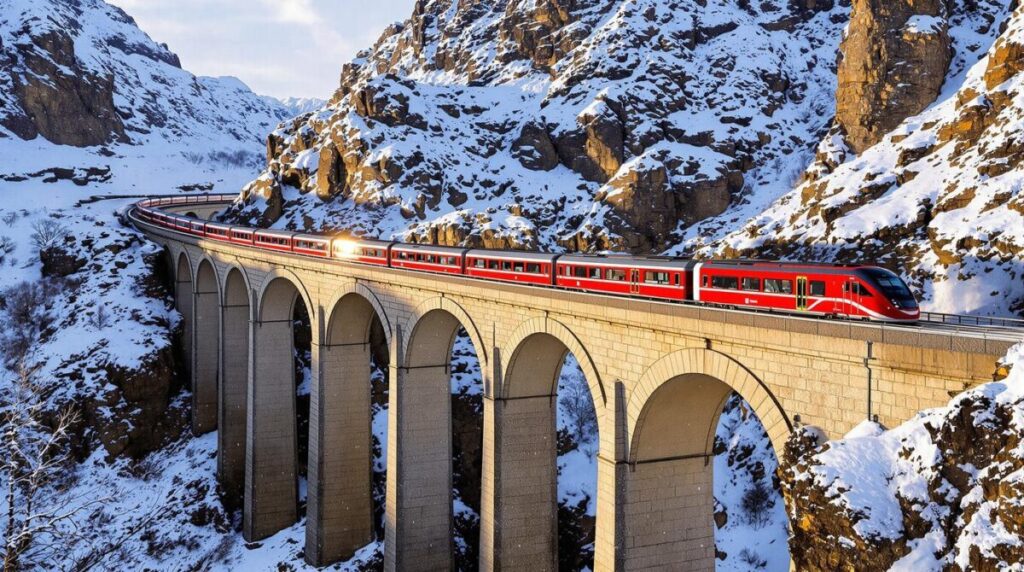
The Alpine rail routes are just stunning. The Glacier Express in Switzerland, often called “the slowest express train in the world,” takes eight hours to wind between St. Moritz and Zermatt.
You’ll get massive panoramic windows for views of valleys, lakes, and snow-capped peaks. The train crosses 291 bridges and passes through 91 tunnels—it’s kind of wild.
The Bernina Express is another must. It climbs over 2,200 meters and gives you glacier views year-round, connecting Chur in Switzerland to Tirano in Italy.
If you’re on a budget, regular regional trains follow similar routes and cost less. Sit on the right side heading south, or the left going north, for the best scenery.
Bring layers, even in summer—mountain weather changes in a blink.
Coastal and Countryside Journeys
Some of Europe’s best train rides hug coastlines or wind through rural valleys you’d never see from a highway. The trip between Nice and Monaco follows the Mediterranean, with turquoise water and glamorous beaches right outside your window.
In Spain, the Barcelona to Montserrat route mixes city views with rugged mountains. The last stretch uses a rack railway that climbs steep slopes to the famous monastery.
The Jacobite Steam Train in Scotland (yep, the “Hogwarts Express”) runs from Fort William to Mallaig, crossing the Glenfinnan Viaduct. Window seats are worth fighting for.
For a bit of old-world charm, take the vintage wooden train from Palma to Soller in Mallorca. It winds through orange groves and tunnels to a postcard-perfect town.
Most coastal routes don’t need advance booking outside peak season, so you can be spontaneous.
Frequently Asked Questions
Train travel across Europe is both an adventure and, sometimes, a bit of a puzzle. People tend to have similar questions about how to get the most out of their journey.
What are the most cost-effective strategies for train travel across Europe?
Booking train tickets early can save you a lot. Many rail companies offer big discounts if you buy two to three months ahead.
Try traveling during off-peak times and on weekdays. Weekend and holiday trains usually cost more, while midweek journeys can be much cheaper.
If you’re planning multiple long-distance trips, consider a rail pass like Eurail. Add up the cost of individual tickets and compare—it’s not always obvious which is the better deal.
Night trains double as both a ride and a place to sleep. You’ll save on a hotel and wake up somewhere new.
Can you recommend a train itinerary for a grand tour across Europe?
Kick things off in Paris, then head east to Strasbourg. Cross into Germany and use Munich as your home base for a bit.
After Munich, hop over to Vienna, Austria. The city’s architecture and musical vibe are just incredible.
From Vienna, make your way to Budapest, Hungary. The thermal baths there? Absolutely worth a soak.
Next, roll north to Prague in the Czech Republic. You’ll get your fill of castle views and winding cobblestone streets.
Then, head to Berlin for a mix of history and vibrant culture. After that, drift west to Amsterdam and wander the canals.
Wrap up your journey in Brussels. Don’t skip the Belgian chocolate—seriously. From there, you can catch the Eurostar back to London or Paris.
This route covers big highlights and lets you enjoy gorgeous scenery between stops. Most train rides take just 2-5 hours, so day trips feel pretty relaxed.
How do travelers navigate between European countries using the train system?
Crossing borders by train in Europe is surprisingly easy. Thanks to the Schengen Agreement, most trains just breeze through borders without stopping.
Still, keep your passport handy. Sometimes there are random checks, and on routes to the UK, you’ll go through regular immigration procedures.
European train stations use clear signage in several languages. Departure boards and platforms show train numbers and times that match your ticket.
Most major rail companies have mobile apps with real-time updates. These apps make it easier to check your train’s status and find your platform, even if you don’t speak the language.
Could you suggest train passes that are ideal for exploring Europe extensively?
The Eurail Global Pass is a great pick if you’re planning to visit a bunch of countries. You can choose passes from 4 days up to 3 months, and travel as much as you want in 33 countries.
If you’re sticking to the UK, BritRail passes are a solid option. They even offer a 20% discount when three or more people travel together, which is perfect for groups.
For travelers focusing on one country, passes like the Swiss Travel Pass or German Rail Pass offer good value. These usually include public transportation and museum discounts too.
The Interrail Pass (for European residents) gives similar perks to Eurail, sometimes at a better price if you’re eligible. Double-check eligibility before you buy, though.
What are the must-see train journeys to experience while in Europe?
Hop on the Bernina Express through the Swiss Alps for jaw-dropping mountain views. The four-hour ride from Chur to Tirano passes over 196 bridges and through 55 tunnels.
Norway’s Bergen Railway links Oslo and Bergen, winding through fjords and mountains. It’s about seven hours of some of Europe’s most stunning scenery.
The Flåm Railway in Norway is short—just 12 miles—but it’s one of the steepest standard-gauge railways in the world. You’ll see valleys and waterfalls that really stick with you.
If you love coastal views, try the Cinque Terre route in Italy. The train hugs the Mediterranean, linking five colorful fishing villages perched right on the cliffs.
How do you use a European train map planner to optimize travel routes?
First off, figure out which destinations you absolutely can’t miss. Grab a rail map—it really helps you see how far apart things are and where the main connections run.
I usually check out sites like Rail Europe or Trainline. You can punch in several stops and they’ll lay out the best routes, showing which ones are direct and which ones need a change or two.
You might want to try a “hub and spoke” approach. Stay in a big city and use it as your base, then take day trips out from there.
Just keep travel time in mind! Sometimes a short hop on the map turns into a much longer ride, especially if you’re crossing mountains or using slower regional trains.
Leave a Reply