
Let’s be honest: searching for cheap flights can feel impossible at times. Still, if you know where to look and use a few smart tricks, you’ll find some jaw-dropping deals to just about anywhere.
If you want the best shot at cheap flights, start with comparison tools like Google Flights, Skyscanner, or KAYAK. These sites pull results from hundreds of airlines and travel sites, so you can see the lowest prices all in one place.
Flexibility with your travel dates is a total game-changer. Most search tools now have calendar views and price graphs, so you can spot the cheapest days to fly without much effort.
Sometimes, this simple move saves you hundreds on a single ticket. Try checking for flights midweek—Tuesday to Thursday often comes out cheaper than weekends.
Key Takeaways
- Use flight comparison sites like Google Flights or Skyscanner to check multiple airlines at once and find the best prices.
- Stay flexible on your travel dates and use price calendars to pick the cheapest days.
- For the best prices, book flights 1-3 months ahead for domestic trips, and 2-5 months ahead for international journeys.
Understanding How Cheap Flights Work

Finding affordable flights sometimes feels like a black box. Airlines use complicated pricing systems, and so many factors go into what you’ll actually pay for a seat.
What Influences Flight Prices
The day and time you fly really matter. Tuesday, Wednesday, and Saturday flights usually cost less than weekends.
That’s because fewer business travelers fly then, so airlines have more empty seats they’re eager to fill.
Season makes a big difference too. If you’re headed to Europe in July, expect steep prices. Airlines know when everyone wants to travel and crank up fares during those times.
Distance affects cost, but not always in the way you’d think. Sometimes, flights with connections are cheaper than direct ones, since airlines need to fill more planes.
Fuel prices hit ticket costs directly. When oil prices jump, airlines pass the cost along to you. If gas prices go up, you’ll probably notice your ticket does too.
The Role of Airlines in Pricing
Airlines use “dynamic pricing” to squeeze out the most profit. Their computers track how fast seats sell and bump prices up or down in real time.
If a flight fills up quickly, prices shoot up. If not, fares can drop.
Budget airlines lure you with low base fares, but then charge for everything else. That $49 ticket? After you add a carry-on and pick a seat, it’s suddenly $150.
Airlines compete fiercely on some routes. If several carriers fly between the same cities, you’ll often see much better deals. That’s why flights between big hubs like New York and Chicago can be shockingly cheap.
If you fly a lot, loyalty programs can really cut your costs. Those points add up to free flights if you play your cards right.
Why Prices Fluctuate
Flight prices bounce around all day long. Airlines tweak fares constantly based on demand, what their competitors are charging, and how quickly seats are selling.
When you book matters. Buying way early (over 6 months ahead) or super late (under 2 weeks before) usually means you’ll pay more. The sweet spot is often 3-4 months out for domestic, and 4-6 months for international.
Special events send prices through the roof. Want to fly to New Orleans for Mardi Gras? So does everyone else, and airlines know it. Fares can double or triple for holidays, festivals, and big sports events.
Some folks swear that your search history affects the prices you see. They use “incognito mode” to dodge price hikes from repeated searches, although airlines say they don’t do this.
Finding the Best Flight Deals

Getting a good flight deal is mostly about knowing where to look and having the right tools. The best bargains aren’t always obvious, but with a few strategies, you can find some awesome savings.
Using Online Travel Agencies
Online Travel Agencies (OTAs) like KAYAK make it easy to compare flights in one place. They pull in options from tons of airlines, so you get a broad view.
One big perk: OTAs sometimes negotiate special rates with airlines you won’t see anywhere else. They might even bundle in hotels or car rentals for a little extra savings.
But here’s the catch—some OTAs tack on booking fees that can eat up your savings. Always double-check the final price before you hit confirm.
I’ve noticed OTAs sometimes drop exclusive deals during off-peak times. Try searching on a Tuesday or Wednesday; prices seem to dip a bit then.
Comparing Prices Across Travel Sites
Don’t jump at the first price you see. Check Google Flights, Skyscanner, and airline sites too.
Each platform uses different algorithms and has unique airline partnerships, so prices can vary. Google Flights’ date grid is especially handy for seeing when flights are cheapest.
Here’s a tip: search in incognito mode. Some travel sites have been known to nudge prices up if they think you’re ready to buy.
I always check at least three different sites before booking. That extra 10 minutes has saved me hundreds on international trips.
Utilizing Price Alerts
Quit refreshing those flight prices every hour—let price alerts do the heavy lifting.
Most travel sites let you set up alerts for specific routes. You’ll get notifications when fares drop or a special deal pops up. This works best if you can be flexible with your dates.
Price tracking tools use past data to guess when fares might drop. Usually, booking 1-3 months ahead for domestic and 2-5 months for international flights gives you the best shot at a deal.
Keep tracking prices even after you book. Some airlines have price guarantees, so you might snag a partial refund if fares fall.
A price alert once saved me $200 on a flight to Europe—caught a flash sale that lasted less than a day!
Smart Booking Strategies for Cheap Airfare

Scoring a great flight deal comes down to when and how you book. The right moves can save you hundreds. I’ve picked up a few tricks over the years that really work.
Flexible Travel Dates and Times
If you can be flexible with your schedule, you’ll almost always pay less. Tuesday and Wednesday flights usually cost less than weekends.
I’ve seen price swings of $200 or more just by flying on a different day.
Google Flights’ calendar view is a lifesaver—you can see the cheapest days at a glance, color-coded across the month. Mid-week departures almost always have the best rates.
Flight times matter too. Nobody’s excited about a 6 AM or red-eye flight, but they’re often 20-30% cheaper than midday options.
Try traveling during shoulder seasons (May-June or September-October). Destinations are still nice, but prices drop a lot from peak times.
Choosing Nearby Airports
Don’t just stick to the main airport. Many cities have more than one, and the differences can be huge.
Flying into Oakland instead of San Francisco, or Burbank instead of LAX, can save you a lot. Same goes for where you depart—I once saved $350 by driving an extra hour to a bigger airport.
Check all nearby options before you book. Sometimes the money saved outweighs the extra travel time. Just remember to factor in ground transport like Fly Cheap to Top Destinations! shuttles or parking.
Smaller airports sometimes run promos to attract travelers. I’ve found some hidden gems with crazy low fares!
Booking Round-Trip vs. One-Way
People used to say round-trips were always cheaper, but that’s not always true now, especially with low-cost airlines.
Always compare both. Some airlines price each leg separately, so two one-ways might match the round-trip, or even beat it.
Mixing airlines for your outbound and return flights can also unlock deals, especially for international trips.
Just watch out for connections—if you book separate tickets and miss a connection, you’re on your own. I always leave extra buffer time if I’m mixing and matching.
Filtering and Customizing Your Flight Search
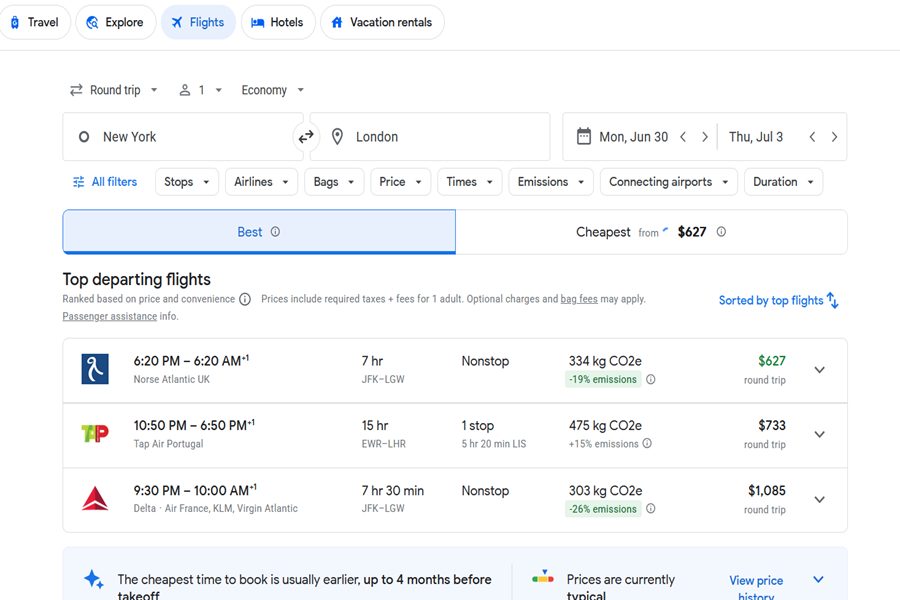
Getting the right flight at the right price is all about using search filters smartly. With the right settings, you’ll find options you might have missed—and save money, too.
Applying Useful Filters
Filters are your best friend when searching for flights. Sites like Google Flights, KAYAK, and SeatGuru let you narrow things down fast.
Filter by number of stops—direct flights cost more but save you hassle.
Time filters are super helpful. Hate early mornings? Block out those 5 AM departures. Want to avoid red-eyes? Set a latest arrival time.
Price filters are a no-brainer, but don’t make them too tight. Sometimes spending just $20 more gets you a much better flight.
Other handy filters:
- Specific airlines (if you’re chasing miles)
- Flight duration (skip those 30-hour odysseys)
- Layover length (no one wants an 18-hour layover)
- Baggage allowance (if you need more than a carry-on)
Selecting Your Destination Smartly
If you’re flexible on where you go, you can score awesome deals. Google Flights has a map feature that shows prices for destinations all over the world from your home airport.
I’ve stumbled onto trips I never planned just because the flights were too cheap to pass up.
Nearby airports can make a big difference too. Flying into Oakland instead of SFO, or Midway instead of O’Hare, sometimes saves you hundreds. Just remember to check the cost of getting from the airport into the city.
Timing matters a lot. Beach spots get expensive during school breaks, while European cities are cheaper in shoulder seasons (April-May or September-October). The sweet spot is finding a place that’s still fun but not packed with tourists.
Exploring Different Plane Ticket Options
Not all tickets are created equal. Basic economy might look cheapest, but once you add bags and seat selection, main cabin can actually be a better deal.
Round-trip tickets are usually cheaper, but not always! Sometimes, booking two one-ways—especially with different airlines—saves money.
Consider these options:
- Open-jaw tickets: Fly into one city, out of another
- Multi-city bookings: Add stops without paying for separate tickets
- Hidden city ticketing: Book a flight with a layover and get off early (but airlines really don’t like this, so be careful)
Mistake fares are rare but incredible. These are airline pricing slip-ups that sometimes get honored. Sites like Scott’s Cheap Flights or Going will tip you off when these pop up. I once got to Tokyo and back for $350 because of a mistake fare!
Tips to Save Even More on Airline Tickets

Snagging a great flight deal is just the start. There are a few more tricks that’ll help you stretch your travel budget even further.
Traveling During Off-Peak Seasons
When you travel makes a huge difference. Flying during shoulder seasons (between peak and off-peak) can save you hundreds. Visiting Europe in May or September instead of July can cut your airfare by 20-30%.
Weather plays a role too. The Caribbean’s hurricane season (June-November) means cheaper flights, but you’ll want travel insurance. Tuesday and Wednesday are typically the cheapest days to fly, while Friday and Sunday are the most expensive.
Early morning or late-night flights (the ones most people avoid) often have the lowest fares. I’ve saved more than $200 by taking a 6 AM flight instead of one at 10 AM!
Signing Up for Deals and Newsletters
Airlines and travel sites usually send their best deals to subscribers first. Sign up for fare alerts from sites that track cheap tickets, and you’ll get notified when prices drop for your favorite routes.
Some airlines run subscriber-only flash sales that can slash prices by half or more. Scott’s Cheap Flights and Airfarewatchdog are great for spotting error fares and limited-time deals that never show up in regular searches.
Don’t overlook social media. Following airlines on Twitter or Facebook often gets you first dibs on flash sales. Some of my cheapest flights have come from a newsletter or alert that hit my inbox at just the right time.
Bundling Flights With Hotels
When you package your flight with accommodations, you can unlock discounts you won’t see if you book each part separately. Plenty of travel sites toss in exclusive deals when you bundle both.
You’ll often save 10-15% compared to booking flights and hotels on their own. Airlines and hotels team up to fill empty seats and rooms, especially during slow periods—sometimes the best flight deals only show up as part of a package.
Try comparing the bundled price with the cost of booking each separately before you decide. Vacation Rentals: Homes and Apartment Rental Deals can sometimes beat traditional hotels, especially when you bundle with flights.
Some credit cards throw in extra discounts if you book travel packages through their portals. You might end up stacking savings on top of already reduced prices.
Important Considerations When Booking Cheap Flights

Scoring a bargain flight feels great, but there’s more to it than just the sticker price. Hidden fees or comfort issues can turn that “deal” into a headache if you’re not paying attention.
Checking Baggage and Service Fees
Budget airlines love to advertise rock-bottom fares. Sometimes they’re legit, but honestly, it’s easy to get tripped up by extra charges for everything from checked bags to picking your seat.
Check the baggage policy before you book anything. Some airlines tack on $30-60 for a checked bag, and others get strict about carry-on weight limits.
I once snagged a $200 discount on a flight, then got hit with $150 in baggage fees. Ouch—not much of a win.
Look for airlines that let you bring at least one carry-on for free. If you’re traveling with family, add up the total for everyone’s bags. Sometimes paying a little more for a full-service airline actually saves you money.
Budget carriers love their sneaky service fees. Watch out for:
- Printing boarding passes at the airport
- In-person check-in
- Seat selection
- Priority boarding
Reviewing Wi-Fi and Inflight Amenities
Wi-Fi varies a ton between airlines and it can make or break a long flight. JetBlue, for example, gives you free basic Wi-Fi on a lot of domestic routes, but some airlines charge $8-30 depending on how far you’re going.
If you really need to stay connected, double-check the airline’s website before you book. Not every plane in a fleet has the same setup, so peek at your specific flight’s details.
Think about what else matters to you. Need power outlets? Care about in-seat entertainment? Budget airlines usually don’t offer much in the way of comforts.
Food service is another thing. On some discount flights, even water isn’t free! Bring your own snacks and an empty water bottle to fill up after security if you’re flying a bare-bones carrier.
Frequently Asked Questions
Finding cheap flights gets confusing fast with all the tips floating around. Here are answers to some of the most common questions travelers ask when they’re trying to save on airfare.
What are some effective strategies for securing the best deals on international flights?
If you’re booking international flights, flexibility is your best friend. Try flying into alternate airports near your destination—flying to Milan instead of Rome, for example, can save you a surprising amount.
Being open to layovers can slash your costs too. Sure, direct flights are easier, but agreeing to a longer trip with a stop or two might drop your fare by 20-30%.
Sign up for fare alerts from sites like Skyscanner or Google Flights. You’ll get a heads up when prices drop on routes you care about.
Can booking at certain times improve my chances of finding lower-priced airfare?
The cheapest days to fly are usually Tuesday, Wednesday, and Saturday. Midweek flights tend to cost less since business travelers fly Monday and Friday.
There’s no magic day to book tickets, despite what people say. Still, airlines often release new fares on Monday nights, so Tuesday mornings can be a sweet spot.
Early morning or late-night flights—the dreaded “red-eyes”—are often cheaper than daytime options.
Are there any lesser-known tips for finding budget-friendly flights to various destinations?
Try searching for flights in an incognito browser window. Some folks swear airlines hike prices if you keep searching the same route over and over.
Booking two one-way flights instead of a round trip can sometimes save you money. Mixing and matching airlines isn’t always obvious, but it can pay off.
Check out budget airlines that might not show up on big search engines. Sometimes you’ll need to visit their websites directly to see their best deals.
What are the best tools and websites to compare prices when hunting for affordable airline tickets?
Google Flights is great for quickly comparing dates and nearby airports. Their calendar view lets you see price swings across a whole month.
Skyscanner has a cool “Everywhere” search if you just want to see the cheapest places you can go. Perfect if you’re feeling spontaneous.
Kiwi.com digs up creative combinations of flights—so-called “hacker fares”—that bigger search engines might miss.
Momondo and Kayak are both worth checking too. Sometimes they’ll pull up deals you won’t see elsewhere.
How far in advance should I plan to book my travel to get the cheapest flight options available?
For domestic flights, booking 1-3 months ahead usually gets you the best price. Last-minute deals are rare these days.
International flights tend to be cheapest when you book 2-6 months in advance. If you’re traveling during a holiday rush, book even earlier.
Flight prices often jump in the last 2-3 weeks before departure. Try to avoid booking during that window if you can help it.
What techniques can I use to navigate airline pricing and pay less than the average ticket price?
Try mixing up your airlines for the outbound and return flights. No one says you have to stick with the same carrier both ways—sometimes, you’ll find a much better deal that way.
Ever heard of “open-jaw” tickets? You fly into one city and leave from another. Oddly enough, this can end up costing less than buying two separate one-way flights.
Take a peek at the airline’s foreign website or try searching in a different currency. Pricing really does change depending on the country, and you might stumble onto a surprisingly good deal.
Leave a Reply