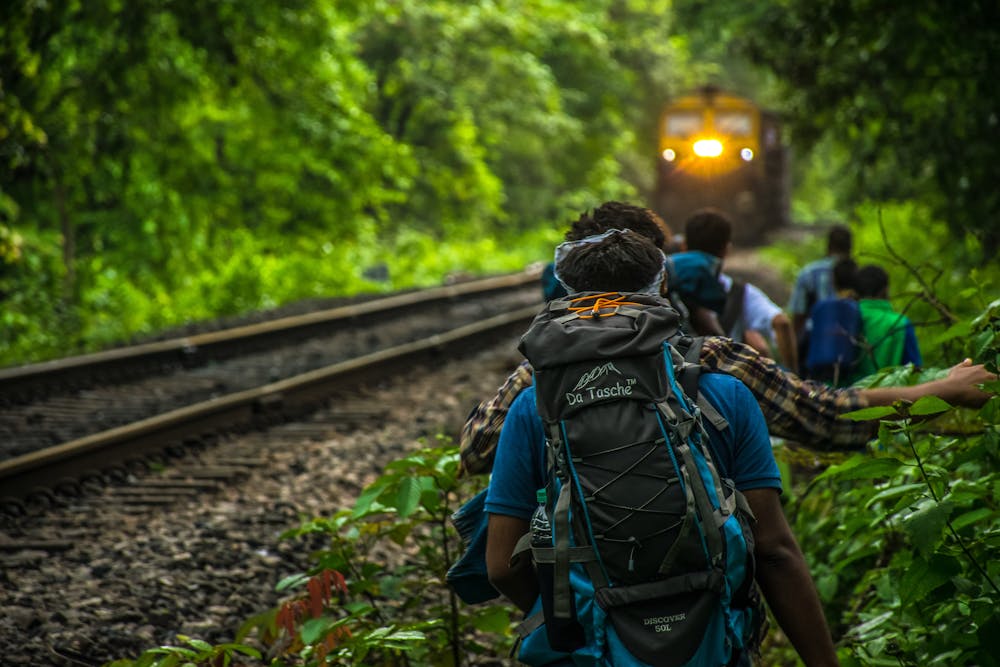
Backpacking through Southeast Asia is one of those adventures you’ll never forget. You get everything—pristine beaches, ancient temples, wild cities, quiet villages. The backpacker trail links Cambodia, Laos, Thailand, Vietnam, Malaysia, and Singapore, so you can hop borders and soak up different cultures all in one trip.
If you plan carefully, you can explore this amazing region on a budget of $30-50 a day and rack up memories you’ll be talking about for years.
Planning your Southeast Asia adventure can feel overwhelming at first. But honestly, this region makes it easy for backpackers. Buses connect most big destinations, hostels are everywhere and cheap, and the food is both delicious and easy on your wallet.
Thailand makes a great starting point with its established tourist infrastructure. Laos, on the other hand, feels a bit more off-the-grid when you’re ready for something quieter.
Key Takeaways
- Southeast Asia gives you an affordable backpacking experience where you can eat, sleep, and get around for under $50 a day.
- It’s easiest to combine the mainland countries (Thailand, Vietnam, Cambodia, Laos, Malaysia, Singapore) in one trip because the bus connections are pretty solid.
- A little research, a loose itinerary, and a willingness to follow local tips make for the best backpacking adventure.
Planning Your Southeast Asia Backpacking Trip
Planning a backpacking trip through Southeast Asia takes some prep, but it’s so worth it. Nail down where to start, which countries to hit, and your budget—you’ll thank yourself later.
Choosing an Entry Point
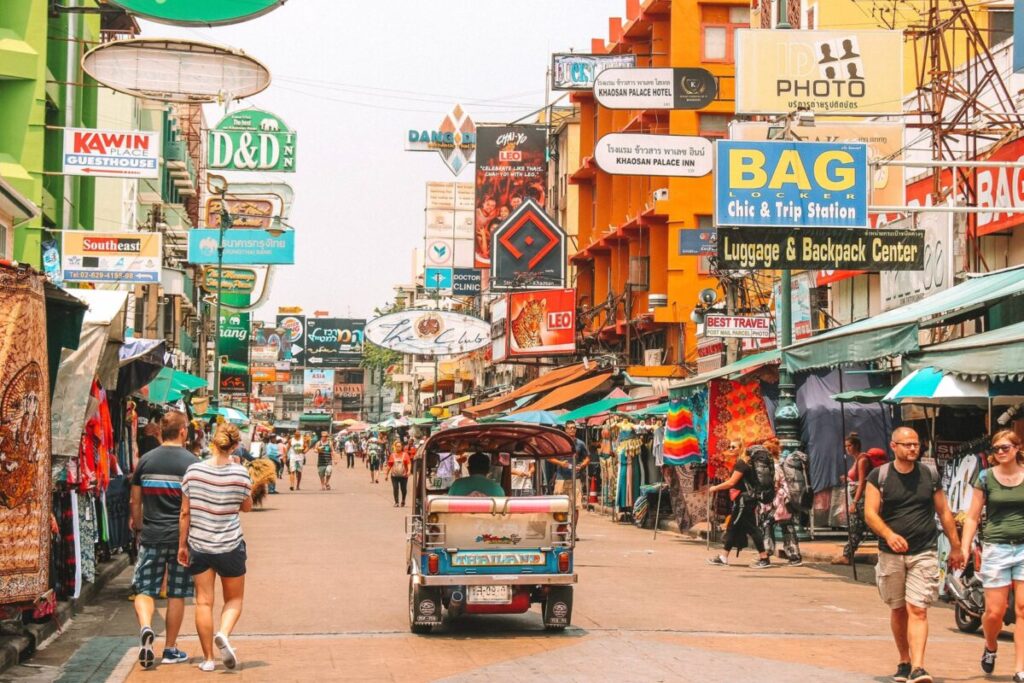
Bangkok and Singapore are the top entry points for backpacking Southeast Asia. I always go for Bangkok—it’s usually cheaper to fly into, there’s a built-in backpacker scene, and you’re right in the thick of things. Sure, Khao San Road is touristy, but it’s awesome for first-timers to get their bearings.
Singapore feels cleaner and more organized, so it’s less overwhelming if Asia is totally new for you. It’s pricier, though, and might make your wallet sweat before you reach the cheaper spots.
Think about which countries you’re most excited for. If Vietnam’s your dream, flying into Hanoi makes sense. Kuala Lumpur is another good and affordable hub with easy connections.
Here’s a tip: Compare flight prices to different cities. Sometimes the money you save on airfare covers several days of travel!
Crafting a Backpacking Itinerary
Don’t try to see everything. Seriously, that’s the biggest mistake new backpackers make. If you’ve got three months, stick to four or five countries tops.
Thailand, Vietnam, Cambodia, and Laos form a classic northern route. If you’re leaning south, Thailand, Malaysia, Singapore, and Indonesia work well together.
Keep your schedule flexible. Some places will steal your heart and you’ll want to linger. I once planned three days on a Thai island and ended up staying two weeks.
Weather’s a big deal too. Rainy season (May-October) means afternoon storms but fewer tourists and lower prices. November to February? Perfect weather, but you’ll have crowds.
Here’s a rough idea for how long to spend in each country:
- Thailand: 3-4 weeks
- Vietnam: 3-4 weeks
- Cambodia: 10-14 days
- Laos: 2-3 weeks
- Malaysia: 2-3 weeks
Budgeting and Daily Costs
Southeast Asia is incredibly affordable! You can get by on $30-40 a day, covering your bed, meals, travel, and some fun. Here’s how it usually breaks down:
- Hostels: $5-15 per night
- Street food: $1-3 per meal
- Restaurants: $5-10 per meal
- Buses/trains: $5-20 between cities
- Activities: $5-20
Flights and gear will cost the most upfront. Pack light, but don’t cheap out on a good backpack and comfy shoes.
Most cities and tourist spots have plenty of ATMs, though I always keep some cash on me. Thai baht and even US dollars work in a pinch in many places.
Add a 20% buffer to your budget. You’ll want to splurge on a diving course or join a festival you didn’t expect!
Preparing for Your Journey
Getting ready for Southeast Asia means more than just buying a ticket. The right gear, insurance, and health prep will make your trip smoother and way more enjoyable.
Essential Gear and Packing Tips
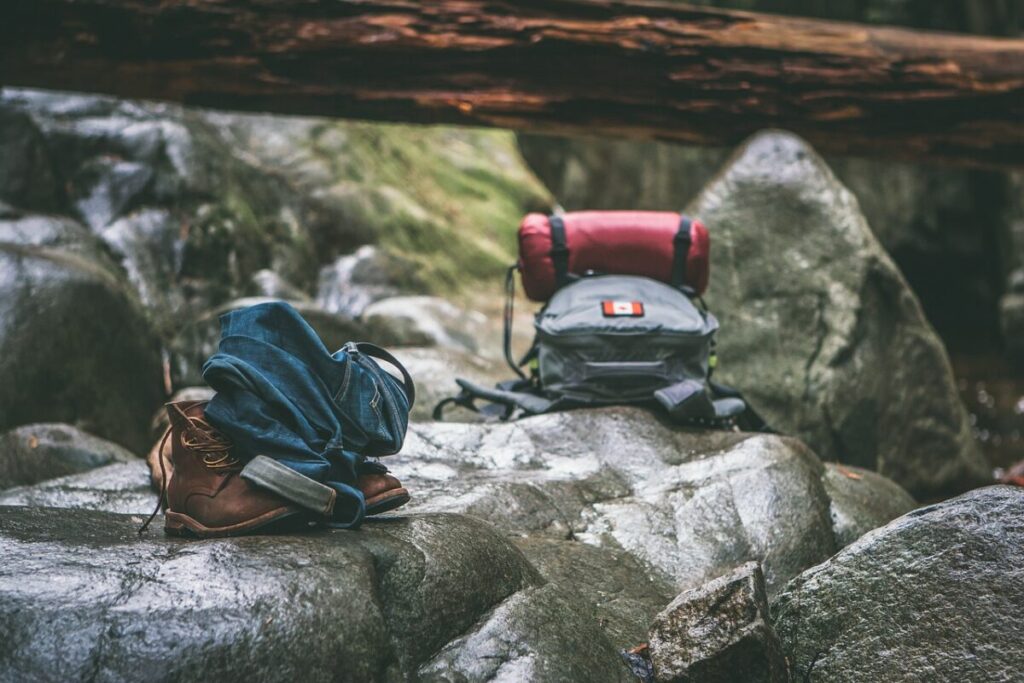
Pack light. Seriously, it’s the golden rule here. The heat and humidity are no joke, so bring quick-dry clothes you can wash easily. I usually take 3-4 t-shirts, a couple pairs of shorts, some lightweight pants, and a rain jacket.
Don’t forget these basics:
- A solid backpack (40-50L is plenty)
- Universal power adapter
- Microfiber towel
- Good walking shoes
- Flip-flops for beach and showers
- Reusable water bottle with filter
- First aid kit
- Smartphone with offline maps
I’d recommend a sturdy travel backpack from Peak Design if you want something that lasts and keeps you organized.
Leave space for souvenirs—you’ll find great stuff to buy, and picking up extra clothes is easy and cheap.
Getting Travel Insurance
Travel insurance isn’t just a nice-to-have—it’s a must for backpacking Southeast Asia. Medical care varies a lot, and tourist hospitals can get expensive.
Pick a policy that covers:
- Emergency medical and evacuation
- Trip cancellations or interruptions
- Lost or stolen stuff
- Adventure sports (if you’re into that)
Lots of backpackers go for comprehensive plans with emergency support.
Don’t cut corners here. I’ve seen travelers get stuck with huge bills for simple issues. Keep digital and paper copies of your policy and emergency contacts just in case.
Health and Safety Considerations
See your doctor 6-8 weeks before you leave and talk about vaccines. Hepatitis A and B, Typhoid, and Tetanus are common. Depending on your route, you might need malaria prevention.
Take a small medical kit with you:
- Diarrhea meds
- Painkillers
- Antihistamines
- Bandages and antiseptic
- Insect repellent with DEET
- Hand sanitizer
Drink plenty of water but skip the tap—stick to bottled or filtered. Street food is amazing, but eat where locals eat and where it’s busy.
Look up common scams in each country before you go. Keep emergency numbers handy and register with your country’s travel advisory. Insurance comparison tools can help you find the right plan for your trip.
Top Destinations in Southeast Asia
Southeast Asia has it all—crazy cities, peaceful temples, and beaches you’ll never want to leave. Every country brings its own flavor, food, and must-see sights.
Must-Visit Cities
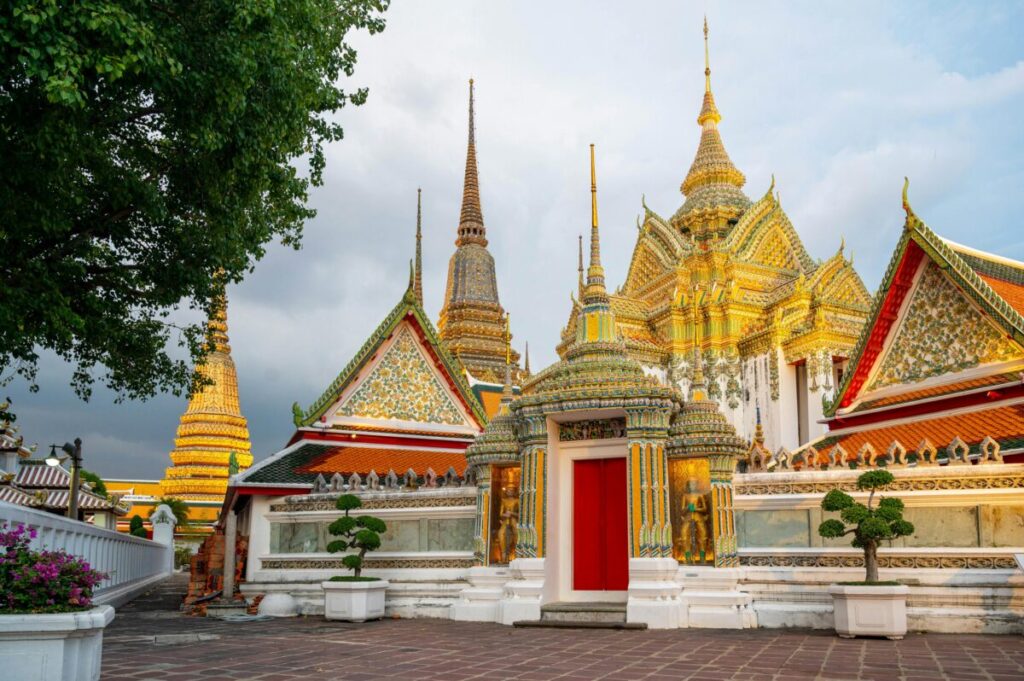
Bangkok is where most backpackers kick things off. You get modern skyscrapers, ancient temples, and street food that’ll ruin you for life. The Grand Palace and Wat Pho are touristy but totally worth it.
Hanoi pulls you in with French architecture, narrow alleys, and killer coffee. The Old Quarter is made for wandering. It’s also the jumping-off point for Ha Long Bay.
Singapore feels like the future—crazy architecture, spotless streets, and food courts (hawker centers) that are a foodie’s dream. It’s pricier, but a couple days exploring Gardens by the Bay and Chinatown are worth the splurge.
Chiang Mai up north in Thailand is way more chill than Bangkok. Over 300 temples fill the old city, and the Sunday Night Market is shopping heaven. Many travelers end up staying way longer than planned.
Incredible Natural Wonders
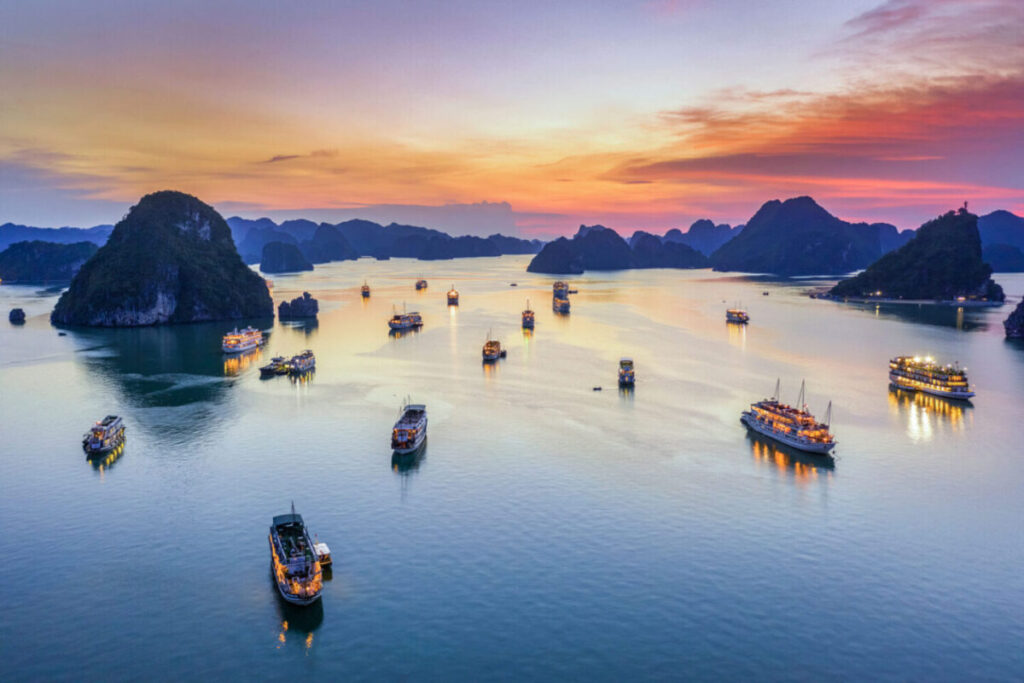
Ha Long Bay in Vietnam tops most travelers’ lists. Emerald water, limestone islands, and misty mornings—it’s unreal. An overnight cruise gives you the best views.
The rice terraces in Bali and northern Thailand are stunning and change with the seasons. Ubud’s terraces climb up the hills in green steps, while Chiang Rai’s fields turn gold at harvest.
Vang Vieng in Laos sits among dramatic karst mountains and the Nam Song River. It used to be party central, but now it’s more balanced. Kayaking, caving, and hot air ballooning all offer a fresh look at the scenery.
The Mekong Delta in Vietnam gives you a glimpse of rural life among floating markets and endless waterways. Boat tours let you try fruit straight from the source.
Historic and Cultural Sites
Angkor Wat near Siem Reap, Cambodia is a must-see. It’s massive and deserves at least two days. Go at sunrise for that iconic photo, then spend hours getting lost among the carvings.
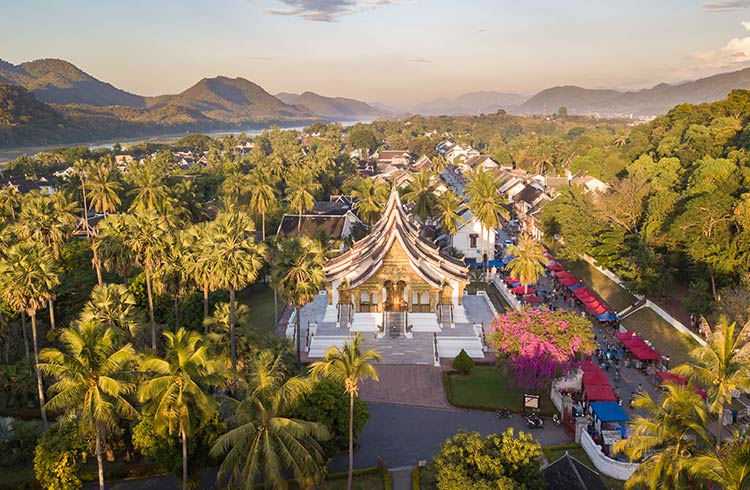
Luang Prabang in Laos charms with colonial buildings and Buddhist temples. The morning alms ceremony, where monks collect food, is a unique spiritual experience. The whole town is a UNESCO site.
Ayutthaya in Thailand was once the world’s biggest city before it was destroyed. Now, the ruins are scattered and make for a fascinating bike ride.
Bagan in Myanmar has over 2,000 ancient temples spread across a dusty plain. Sunrise or sunset from a temple or hot air balloon is unforgettable. The sheer scale is kind of mind-blowing.
Beach Getaways
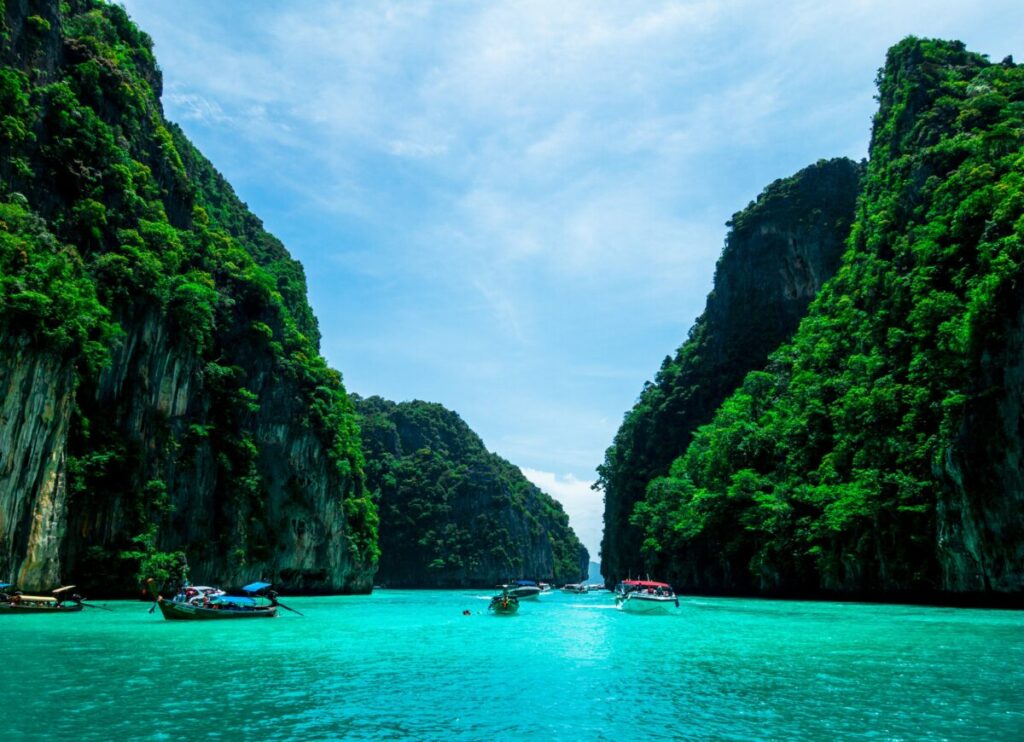
Phuket is Thailand’s most developed beach spot, with something for every budget. Patong Beach is party central, but Kata and Karon are quieter and great for vacation rentals or swimming.
Indonesia’s islands deserve a special mention—especially Bali and the Gili Islands. Bali mixes beach life with culture, while the Gilis are car-free and have awesome snorkeling.
Koh Rong in Cambodia is the kind of untouched island you thought didn’t exist anymore. Powdery sand, glowing plankton at night, and simple beach bungalows make it a dream for minimalists.
El Nido and Coron in the Philippines (yep, it’s Southeast Asia, even if it’s not on the mainland route) have towering limestone cliffs, secret lagoons, and water so clear it’s unreal. Island-hopping tours let you see several beaches in a day.
Getting Around in Southeast Asia
Getting around Southeast Asia is its own adventure. You’ll find everything from high-tech trains to old-school buses—and every ride gives you a new angle on the local vibe.
Regional Transportation Options
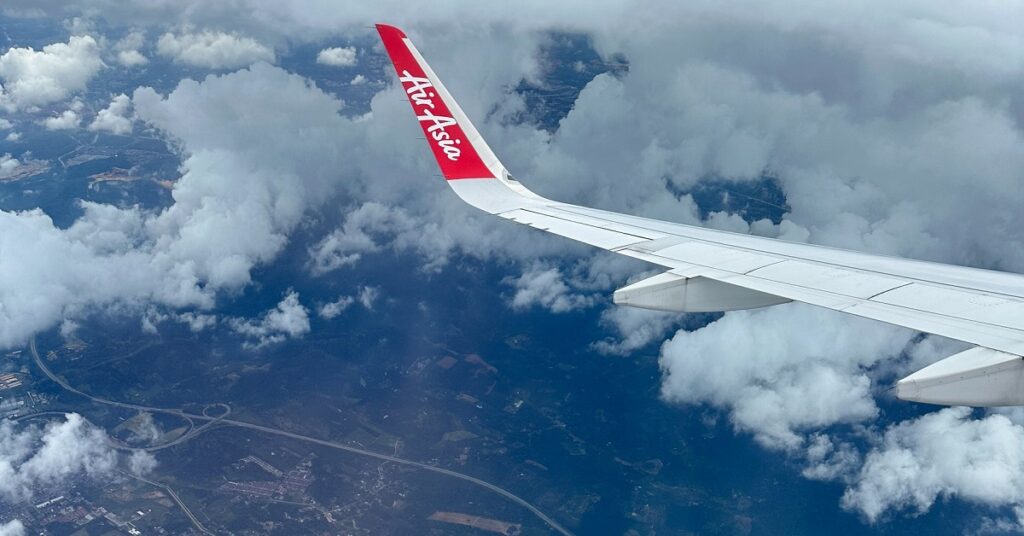
Flights are the fastest way to cover big distances. Budget airlines like AirAsia, Lion Air, and VietJet offer cheap flights between cities—sometimes for under $100 one way. Book a couple weeks ahead for the best prices.
Buses are the backbone of backpacker travel and perfect for saving cash. VIP or sleeper buses on longer routes have reclining seats or even beds. They’re surprisingly comfy, but trips can be long—Bangkok to Chiang Mai takes about 12 hours.
Trains give you a scenic option in Thailand, Vietnam, and Malaysia. The overnight train from Bangkok to Chiang Mai is a classic backpacker move.
Ferries connect islands and coastal spots. If you’re island-hopping in Thailand or the Philippines, you’ll get pretty familiar with these boats.
Crossing Land Borders
Crossing borders overland takes a little planning, but it’s pretty straightforward once you know the drill. Most Southeast Asian countries offer visa-on-arrival for a lot of nationalities, but always double-check before you go.
Popular crossings include Cambodia-Thailand and Laos-Thailand. Bring your passport, visa (if you need one), and a couple of passport photos. Sometimes border officials want proof of onward travel or enough cash.
Scams happen at busy borders like Poipet (Cambodia-Thailand), so stick to official lines and ignore anyone offering “special” services.
Pay visa fees in USD—most borders won’t take cards. Some crossings have a small departure tax, so keep some local money handy too.
Traveling Within Cities
Renting a motorbike is super popular for exploring cities and countryside. Daily rentals go for $5-10, and some backpackers even buy a bike for long trips. Always wear a helmet, and check if your insurance covers motorbikes.
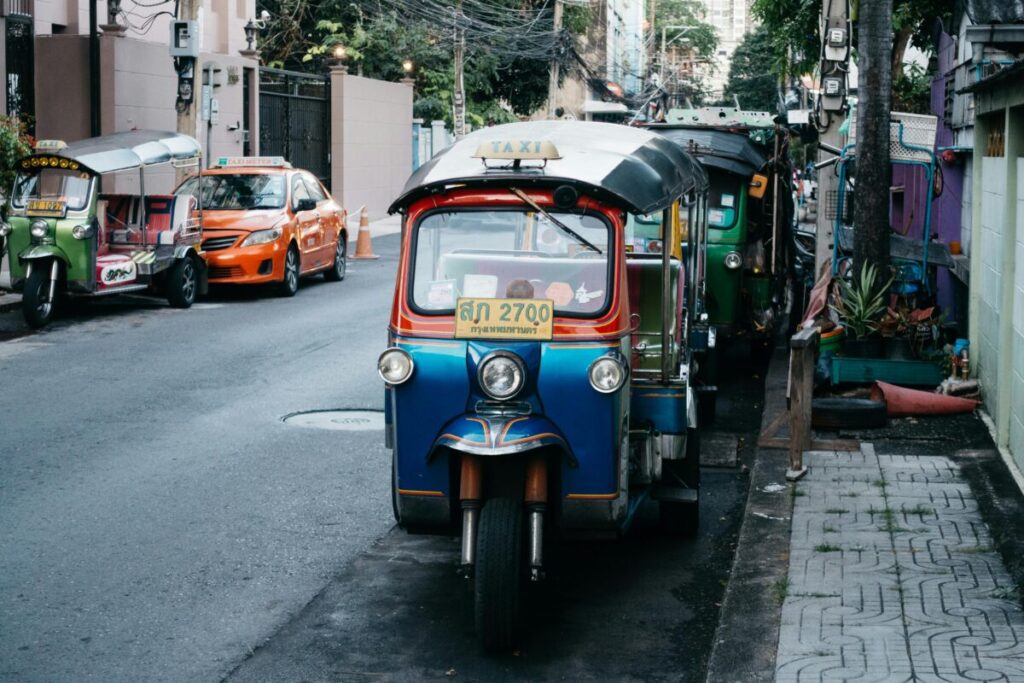
Tuk-tuks and songthaews (shared pickups) are classic ways to get around cities like Bangkok or Chiang Mai. Always agree on the fare before you hop in.
Ride-hailing apps like Grab work in most big cities and usually beat taxi prices. Download the app before you arrive.
Public transit is a mixed bag. Singapore and Kuala Lumpur have sleek metros, but Hanoi relies on buses and motorbike taxis. Research your first city’s transit before you land—it’ll save you time and money.
Backpacking Across Southeast Asia: Country Guides
Southeast Asia is just packed with adventure for backpackers—think jaw-dropping landscapes, rich traditions, and prices that won’t break the bank. Every country brings something unique to the table, so you’ll find plenty of unforgettable moments along the way.
Thailand Highlights
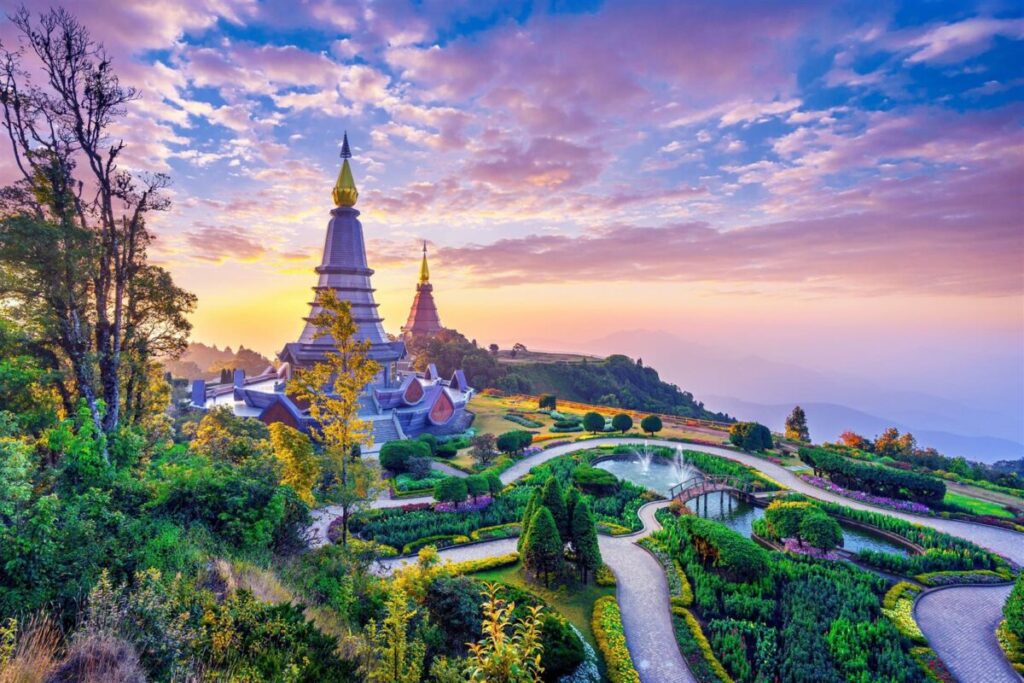
A lot of people kick off their Southeast Asia trip in Thailand, and honestly, it just makes sense. Bangkok hits you with this wild mix of chaos and beauty—check out the Grand Palace, and hop on a boat along the canals if you want to see the real city.
Up north, Chiang Mai feels way more laid-back. You can try a cooking class, visit ethical elephant sanctuaries, or wander through beautiful temples. The Sunday Night Market is a food lover’s dream, and you’ll probably find some cool souvenirs too.
Down south, Phuket has those famous beaches and plenty of island-hopping options. If you want to dodge the crowds, Railay Beach or Koh Lanta are both great choices.
Ayutthaya sits just outside Bangkok and is perfect for a day trip. Rent a bike and cruise around the ancient temple ruins—it’s a window into Thailand’s fascinating past.
Vietnam Explorer
Vietnam stretches out long and skinny, and the experiences change a lot from north to south. Hanoi’s Old Quarter is a great place to start: narrow streets, buzzing motorbikes, and street food everywhere.
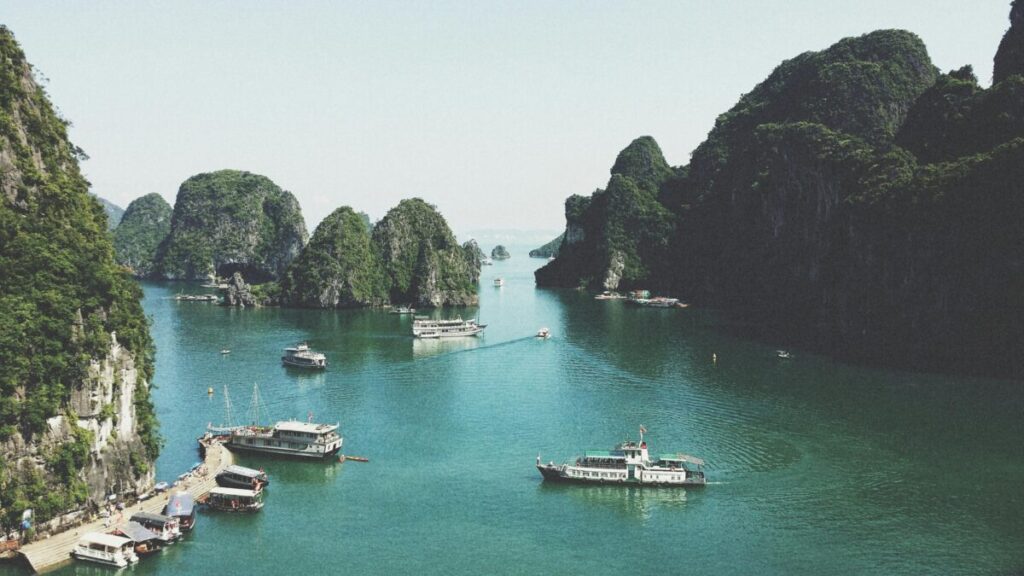
Ha Long Bay is one of those must-see places. Try to spend a night on a boat cruise—waking up to sunrise over the limestone karsts is pretty magical.
Further south, Hoi An charms almost everyone with its lantern-lit streets and tailor shops (custom clothes for cheap!). The Ancient Town is really well-preserved and just fun to explore.
Ho Chi Minh City (Saigon) moves at a totally different pace—modern, busy, and full of life. The War Remnants Museum gives you a heavy but important look at history, and District 1’s street food is just incredible.
Getting between cities is a breeze. Sleeper buses and trains help you save money on accommodation and cover long distances while you sleep.
Exploring Cambodia and Laos
Cambodia and Laos are perfect if you’re after ancient temples, beautiful scenery, and genuine cultural encounters. Both are easy on the wallet and you can take things slow.
Cambodia in Depth
Siem Reap is your gateway to Cambodia’s wonders. You’ll need at least three days to see Angkor Wat properly. A three-day pass costs $62, and starting before sunrise helps you beat both the crowds and the heat.
Don’t skip Bayon Temple with its stone faces, or Ta Prohm—the “Tomb Raider temple”—where huge tree roots wrap around ancient stones. Renting a bicycle for about $2 a day lets you explore at your own pace.
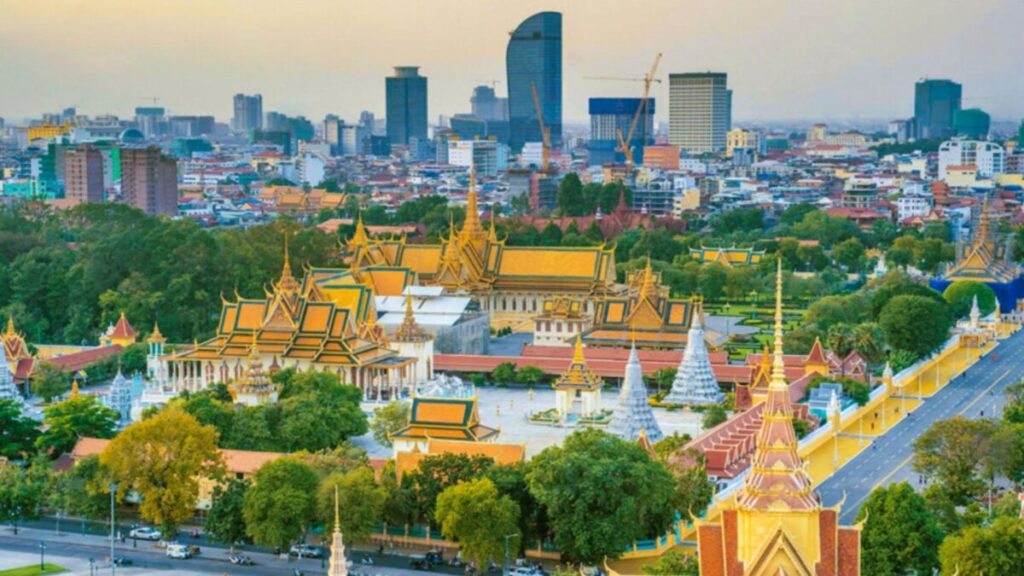
Phnom Penh, the capital, deserves a couple of days. The Royal Palace is stunning, and learning about Cambodia’s tragic history at the Killing Fields and S21 Prison Museum is tough but necessary.
If you’re craving sand and sea, check out Sihanoukville or the chilled-out Koh Rong islands. Expect white sand beaches and, if you’re lucky, glowing bioluminescent plankton after dark.
Laos Adventure
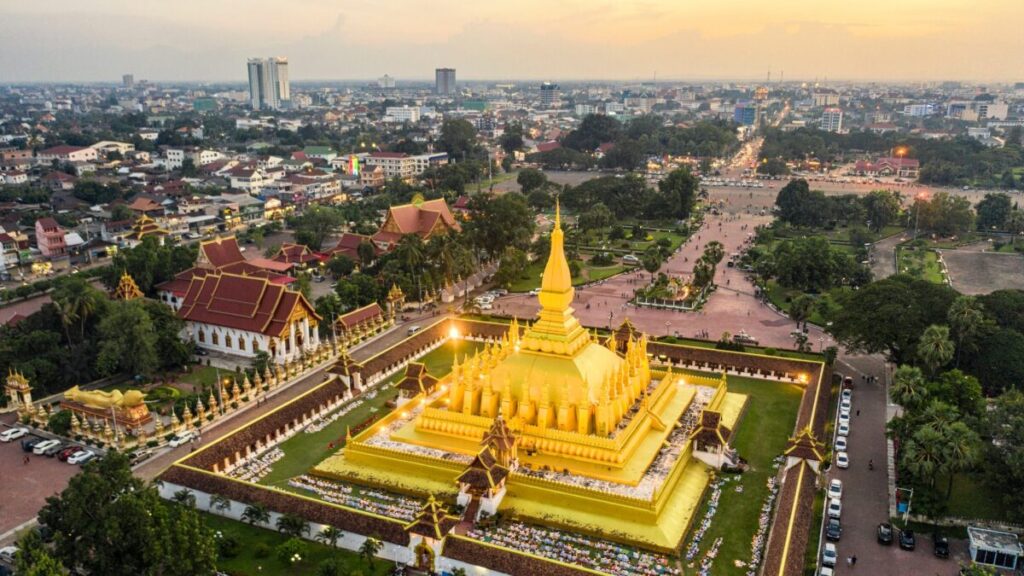
Laos moves at a slower pace, which is honestly refreshing. Luang Prabang, a UNESCO site, blends French colonial vibes with traditional Laotian style. Try to wake up early at least once to watch the monks collect alms—it’s a special moment.
Kuang Si Waterfalls, just outside town, are stunning. Turquoise pools spill down the hillside, and you can swim for about $2.
Vang Vieng isn’t just about partying anymore. These days, you can kayak, hike limestone cliffs, or float down the Nam Song River in a tube—it’s way safer than it used to be.
Down south, the 4000 Islands (Si Phan Don) in the Mekong River are super laid-back. Rent a bike, look for rare Irrawaddy dolphins, and just soak up the slow pace.
Discovering Malaysia, Singapore, Myanmar, and Indonesia
These four countries offer a wild mix—big cities, remote beaches, ancient temples, and modern wonders. Each one’s got its own flavor and adventure waiting for you.
Malaysia’s Best Stops
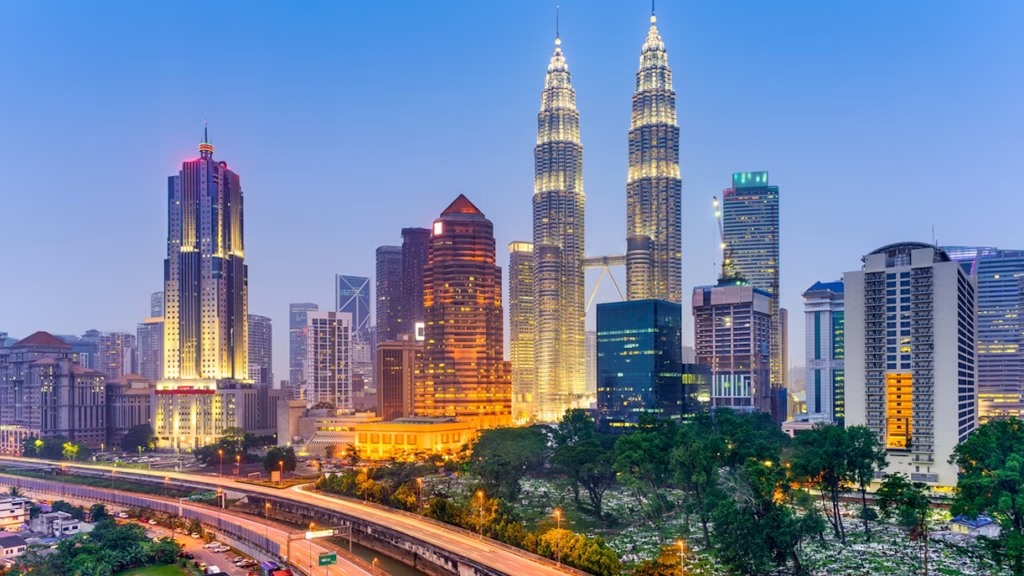
Malaysia is all about mixing cultures, food, and scenery. Kuala Lumpur’s Petronas Towers are iconic, but stick around a couple of days to explore food markets and cultural neighborhoods.
Penang is a must, especially Georgetown with its funky street art and legendary food scene—seriously, try the laksa. Night markets here are some of the best in the region.
Nature lovers should check out Borneo. Sabah and Sarawak’s rainforests are full of wildlife—maybe you’ll spot orangutans, proboscis monkeys, or colorful birds.
The Perhentian Islands are a sweet escape if you want beaches and affordable diving. You can get by on $25-35 a day in Malaysia and still eat really well.
Singapore Explorer

Singapore’s tiny but packs a punch. It’s pricier than its neighbors (think $50-70 a day), but you can see a lot in just a few days.
Gardens by the Bay is a must, especially for the free Supertree light show at night. The Marina Bay Sands area gives you some epic city views.
Don’t skip these neighborhoods:
- Chinatown: The Buddha Tooth Relic Temple is worth a look.
- Little India: Colorful streets and amazing veggie food.
- Kampong Glam: Hip cafes and the stunning Sultan Mosque.
Food is huge here! Skip the fancy restaurants and eat at hawker centers like Maxwell or Lau Pa Sat—meals are tasty and usually under $5.
Grab a Singapore Tourist Pass for unlimited public transport—it’s honestly a lifesaver.
Myanmar Highlights
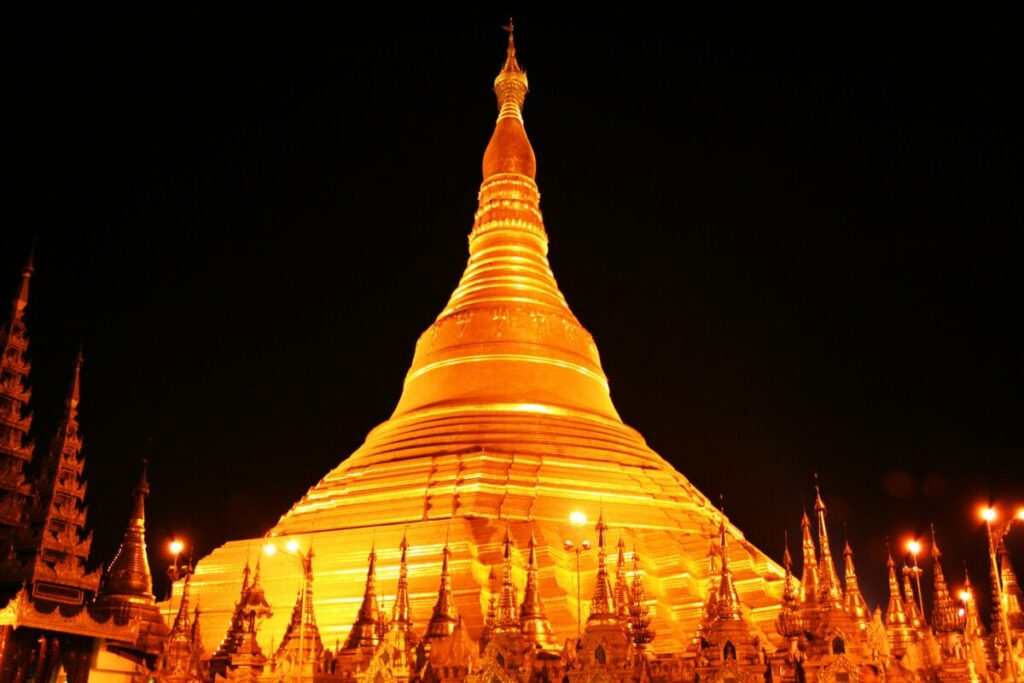
Myanmar (Burma) gives you a glimpse of Southeast Asia before mass tourism. Yangon’s golden Shwedagon Pagoda glows at sunset—it’s unforgettable.
Bagan’s temple plain is the star here. Rent an e-bike ($5-8) and wander among thousands of ancient temples. If you can splurge, sunrise balloon rides are incredible, though they’re pricey.
Inle Lake shows a different side of the country. The fishermen row with one leg—it’s wild to watch. Boat tours (about $15-20) take you to floating gardens and local markets.
Myanmar’s infrastructure isn’t as developed, so bring crisp US dollars because ATMs can be unreliable. You’ll need $30-40 a day, and getting around takes extra time.
Indonesia Essentials
Indonesia is massive—thousands of islands, each with its own vibe. Most backpackers start in Bali for beaches, culture, and nightlife. Ubud’s rice terraces and yoga spots are a nice break from Kuta’s party scene.
Beyond Bali, check out:
- Gili Islands: No cars, just bikes and horse carts on white sand.
- Komodo Island: See the famous dragons up close.
- Java: Sunrise at Borobudur temple and a hike up Mt. Bromo’s volcano.
- Raja Ampat: Epic diving, though it’s pricier.
Indonesia can be super affordable—$25-40 a day covers basics. Local warungs serve delicious meals for just a couple bucks. Getting between islands takes planning, but budget airlines like AirAsia make it easier.
Pack light, quick-dry clothes; the humidity is no joke here. A sarong is a must—it works for temple visits, as a beach towel, or even a blanket.
Essential Cultural and Etiquette Tips
Traveling through Southeast Asia goes a lot smoother if you understand the local customs. Showing respect opens doors and leads to better connections with the people you meet.
Respectful Behavior
Dress modestly for temples and religious sites. Women should cover shoulders and knees, and men—avoid tank tops or shorts. I once had to rent a sarong outside a temple in Thailand because I forgot! Always take your shoes off before entering homes, temples, and sometimes even shops.
Locals usually frown on public displays of affection. Save the hugs and kisses for private.
When you greet someone, a slight bow with your hands together (the “wai” in Thailand) is polite. Don’t touch anyone’s head—it’s sacred in many places.
Hand things over with your right hand, not your left. The left hand is considered unclean in a lot of Southeast Asian cultures.
Local Festivals and Traditions
Southeast Asia throws some amazing festivals. Songkran (Thai New Year) in April is basically a giant water fight, and Laos’ Pi Mai is a similar but more chill celebration.
Lunar New Year brings out dragon dances, red lanterns, and family gatherings in Vietnam, Singapore, and Malaysia.
If you catch a religious ceremony, just watch quietly. When monks collect alms in Laos or Thailand, keep your distance, and women shouldn’t touch monks or their robes.
Food is a huge part of life here. Try what’s offered if you can, but if you have dietary restrictions, just explain nicely. When sharing meals, take small portions rather than loading up your plate.
Staying Connected and Safe on the Road
Staying in touch and keeping safe are pretty important when you’re backpacking. A little prep goes a long way, especially somewhere new.
Internet and Communication
Getting online in Southeast Asia is surprisingly easy and cheap. Most hostels, cafes, and restaurants have free Wi-Fi, but speeds can be hit or miss, especially outside cities.
For reliable internet, grab a local SIM card in each country. They’re usually $5-15 and easy to find at airports or convenience stores. Just double-check that your phone’s unlocked.
Travel eSIMs like these are even easier—they work across multiple countries and you can activate them instantly when you cross borders.
Download essential apps before you leave: Google Maps (with offline maps), WhatsApp (everyone uses it here), and Grab (the local Uber). If you want more privacy, Signal or Telegram are good picks.
Emergency Resources
Register with your country’s travel advisory service before you go. The U.S. has STEP, and other countries have similar programs to keep you updated about emergencies.
Save key numbers in your phone—your embassy in each country, local emergency numbers (not always 911!), and your travel insurance’s hotline. Thailand’s tourist police are at 1155, Malaysia uses 999.
Travel insurance isn’t optional—make sure it covers medical evacuation and treatment. Keep both digital and paper copies of your insurance, passport, and visa.
Learn a few basic phrases in local languages. Even just “help” or “hospital” can go a long way if you’re in a pinch. Most locals will go out of their way to help travelers in trouble.
Frequently Asked Questions
Backpacking Southeast Asia always brings up a bunch of questions—about planning, money, and the practical stuff. Here’s what people usually want to know before they go.
What are the recommended itineraries for a 1-month backpacking trip in Southeast Asia?
For a month, stick to 2-3 countries instead of trying to see it all. Lots of travelers start in Bangkok, head north to Chiang Mai and Pai, then cross into Laos for Luang Prabang.
Another solid route is Vietnam from Hanoi to Ho Chi Minh City, then into Cambodia for Angkor Wat. This way, you actually experience each place instead of just ticking boxes.
If you’re all about beaches, island-hop through southern Thailand—Koh Tao, Koh Phangan, Koh Lanta. You can easily add Malaysia or swing over to Phuket and Krabi.
Can you suggest a budget-friendly approach to backpacking in Southeast Asia?
Stay in hostels—dorm beds are often just $5-10 a night. Sometimes booking directly with the hostel (instead of always through an app) gets you a better deal.
Eat street food! It’s delicious and usually $1-3, way cheaper than western-style spots. The night markets in Thailand and Vietnam are honestly some of the best food experiences you’ll find.
Ride local transportation—overnight buses save you a night’s accommodation. In Vietnam, the “open bus ticket” lets you hop on and off along a set route for less.
Haggle for souvenirs and tours, but keep it friendly. Learn a few basic phrases—locals appreciate the effort and might even give you a better price.
What should be included in a packing list for a backpacking adventure through Southeast Asia?
Pack light—a 40-50L backpack is enough. Go for quick-dry clothes, since humidity is high and laundry is cheap and everywhere.
Bring a lightweight rain jacket, comfy walking shoes, sandals, swimwear, a microfiber towel, and a padlock for hostel lockers. Don’t forget a universal adapter and a portable charger.
For health and comfort, you’ll want sunscreen, insect repellent, basic meds, and a reusable water bottle with a filter. Hand sanitizer and a little toilet paper are clutch since some public bathrooms are missing those.
Leave a bit of space for souvenirs. Clothes are cheap here, so you can always pick up extras on the road instead of overpacking from home.
How much money should I budget for a Southeast Asia trip if I plan to backpack for several months?
You’ll probably need somewhere between $25 and $40 a day, depending on how you like to travel. That usually covers a bed in a hostel, local eats, buses or trains, and a few activities here and there.
Each country’s prices can feel wildly different. Vietnam and northern Thailand are usually super affordable, while Singapore and parts of Malaysia can eat through your budget pretty fast.
Cambodia and Laos? They sit somewhere in the middle, at least in my experience.
If you want to dive in Thailand (expect $300+ for a course), motorbike the Ha Giang loop in Vietnam, or treat yourself to a fancy hotel once in a while, stash away some extra cash. Honestly, those splurges often end up being the highlights.
Don’t forget about stuff before you even leave—travel insurance can run $300-500 for a few months, and then there’s vaccinations and flights to factor in. I always keep at least $500 set aside for emergencies, just in case things go sideways.
Which countries in Southeast Asia are considered must-visits for backpackers and why?
Thailand’s still the classic jumping-off point. It’s just got everything: easy transport, amazing beaches, and a culture that’s somehow both lively and chill. Bangkok buzzes with energy, but Chiang Mai feels like a totally different, more laid-back world.
Vietnam? You get insane variety there. Sapa’s rice terraces, Ha Long Bay’s wild limestone islands, and the chaos (in a good way) of Hanoi and Ho Chi Minh City. The food alone—just wow.
Cambodia has Angkor Wat, and honestly, it’s a must-see. Watching the sunrise there is one of those “I can’t believe I’m here” moments. The country’s history—especially places like the Killing Fields—hits hard and gives you a lot to think about.
Indonesia is so much more than Bali. If you’re up for adventure, go look for komodo dragons on Komodo Island, hike around Java’s volcanoes, or dive in the Gili Islands. There’s a ton to explore.
What safety tips should backpackers keep in mind while exploring Southeast Asia?
Make sure you get travel insurance that actually covers medical emergencies and stuff like motorbiking, especially if you’re thinking about renting one. It’s wild how many travelers don’t realize how common motorbike accidents really are.
Keep both digital and physical copies of your important documents, like your passport. I usually stash scans in my email and send a copy to family back home—just in case.
Watch your belongings, especially when you’re in busy tourist spots or squeezing through night markets. I’d recommend using a money belt for your essentials and just not showing off fancy stuff or electronics.
Look up common scams for each country before you go. In Thailand, for example, tuk-tuk drivers might try to lure you with “special” temple tours, and in Vietnam, you should always agree on taxi prices before you hop in.
Listen to your gut. If something feels weird or off about a situation or someone’s offer, there’s probably a good reason. Most locals are lovely, but touristy places do attract a few opportunists.
Leave a Reply