Why Choose an Eco-Friendly Hotel in 2026?
The best eco-friendly hotels prove that sustainable travel and five-star comfort are not opposites. Sustainability has moved from niche trend to mainstream expectation: 85% of travelers say sustainable travel matters to them, according to Booking.com’s 2026 Sustainable Travel Report. These properties back that shift up with real infrastructure – solar power, water recycling, locally sourced food, and genuine conservation work – not just marketing language.
Today’s eco-hotels deliver unforgettable experiences while actively protecting the places they operate in. Solar panels power pools and kitchens. Organic gardens supply restaurants. Local artisans craft furniture and decor. Every detail serves a purpose: preserving destinations for future generations.
This guide covers 12 of the world’s most genuinely sustainable hotels, each with verifiable conservation efforts, certifications, or measurable environmental programs, alongside the five-star comfort travelers expect.
Disclosure: This article contains affiliate links to Booking.com. If you book through them, destinations.ai may earn a small commission at no extra cost to you. We only recommend properties we’ve researched.
Compare the 12 Eco-Friendly Hotels at a Glance
| Hotel | Location | Signature Sustainability Feature | Best For |
|---|---|---|---|
| Soneva Fushi | Baa Atoll, Maldives | Carbon-neutral operations since 2012; marine conservation center | Barefoot luxury, marine life |
| Whitepod | Swiss Alps, Switzerland | Geodesic pods with no permanent foundation; biomass heating | Alpine adventure, low-impact stays |
| Jetwing Vil Uyana | Sigiriya, Sri Lanka | 150 acres of restored wetland habitat | Wildlife and bird watching |
| Lefay Resort & SPA | Lake Garda, Italy | LEED Platinum and Green Globe Platinum certified; biomass heating | Wellness and spa travel |
| Treehotel | Swedish Lapland, Sweden | Zero ground-impact treehouses; 100% hydroelectric power | Design lovers, Northern Lights |
| El Nido Resorts | Palawan, Philippines | Be G.R.E.E.N. marine conservation framework; mooring buoys and reef protection | Island escapes, snorkeling |
| Six Senses Zighy Bay | Musandam Peninsula, Oman | On-site water bottling plant; desert farming gardens | Desert-meets-sea luxury |
| Saffire Freycinet | Tasmania, Australia | Tasmania’s first carbon-neutral luxury resort | Coastal wildlife, wine |
| Forestis Dolomites | South Tyrol, Italy | Carbon-neutral reconstruction; 2-for-1 tree replanting program | Mountain wellness retreats |
| Bambu Indah | Ubud, Bali | Sustainable bamboo architecture; permaculture gardens | Permaculture and design |
| Hotel Nantipa | Santa Teresa, Costa Rica | Costa Rica’s highest sustainability certification tier | Surf and beach travel |
| 1 Hotel Brooklyn Bridge | Brooklyn, New York, USA | LEED Gold certified; 25,000 sq ft of living walls | Urban eco-luxury |
1. Soneva Fushi, Maldives – The Original Barefoot Luxury Pioneer
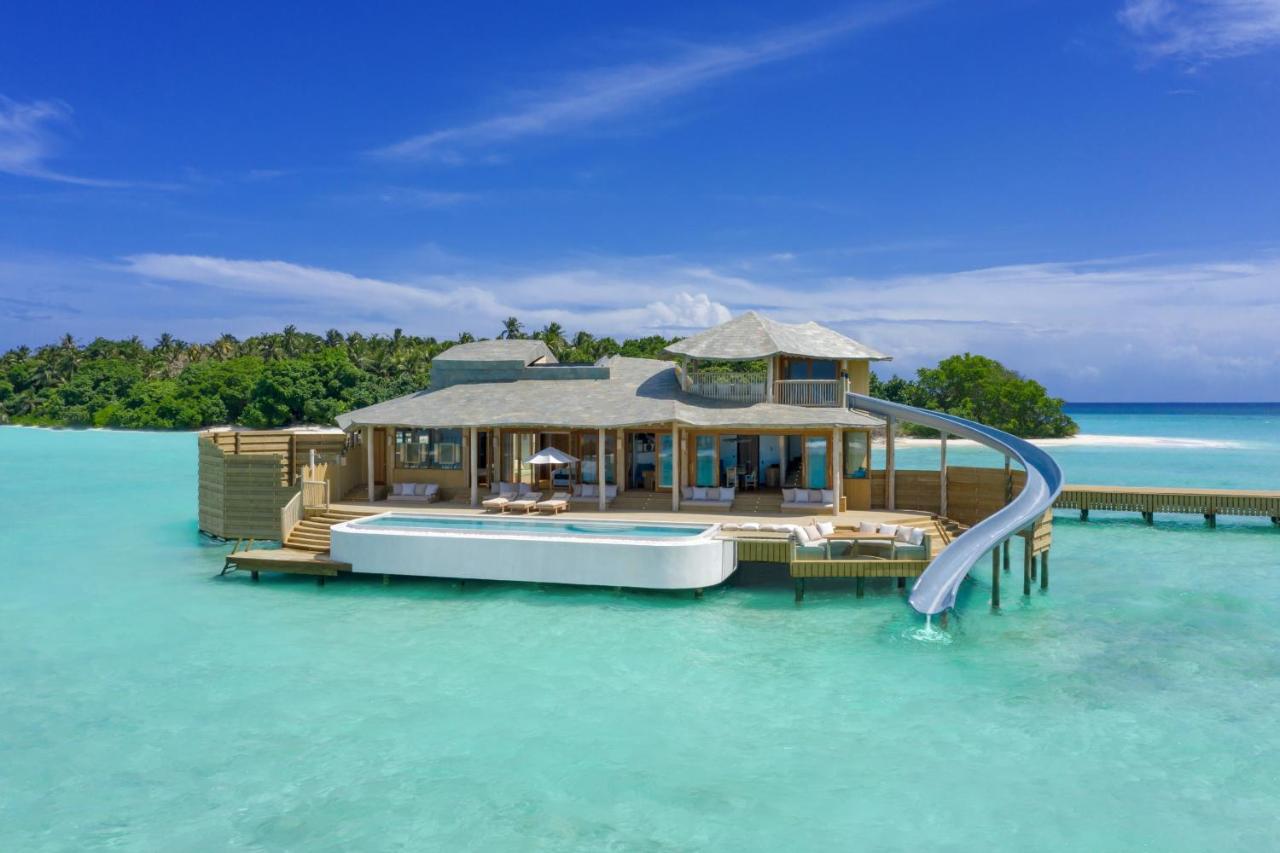
Picture arriving at a private island where shoes become optional and sustainability becomes extraordinary. Soneva Fushi pioneered the barefoot luxury movement in the Baa Atoll UNESCO Biosphere Reserve.
Sustainability Efforts:
- Carbon-neutral operations since 2012
- Solar power generates a significant share of energy needs
- On-site glass studio recycles resort glass waste into new products
- Organic gardens supply a portion of restaurant ingredients
- Marine conservation center protects endangered sea turtles
Villas blend into the tropical jungle, featuring recycled timber construction and natural cooling systems. Choose beachfront hideaways tucked among dense foliage or overwater retreats with glass floor panels revealing marine life below.
Highlights include stargazing at the resort’s observatory, creating custom flavors at the chocolate room, and snorkeling with resident marine biologists who track manta ray populations. The “no news, no shoes” philosophy encourages genuine disconnection from daily stress.
See Related: The Future of Eco-Friendly Travel
2. Whitepod Eco-Luxury Hotel, Switzerland – Alpine Innovation Meets Sustainability

Geodesic domes dot the Swiss Alpine landscape at Whitepod Eco-Luxury Hotel, where minimal-footprint design meets panoramic mountain views.
Sustainable Practices:
- Pods require no permanent foundation, leaving the landscape undisturbed
- Locally sourced, largely organic meals reduce transport emissions
- Zero-emission activities: snowshoeing, skiing, paragliding
- Biomass heating system using regional wood waste
- Water conservation systems reduce daily consumption
Each pod features a king-size bed, wood-burning stove, and organic bathroom amenities. Floor-to-ceiling windows frame spectacular views while insulation keeps interiors comfortable through alpine winters.
Guided snowshoe hikes, private ski slopes, and summer hiking trails fill the adventure calendar. The spa uses alpine herbs and natural spring water. Evenings bring fondue dinners and stargazing from a private terrace, where minimal light pollution reveals constellations rarely visible elsewhere.
3. Jetwing Vil Uyana, Sri Lanka – Where Wetlands Meet Luxury

Transforming former agricultural land into thriving wetland ecosystems, Jetwing Vil Uyana created five distinct habitats near Sigiriya that now shelter dozens of bird species and rare mammals, an example of regenerative tourism in practice.
Conservation Impact:
- 150 acres of created wetlands filter natural water systems
- Habitat restoration supports native and endangered species
- Employs local staff at wages above regional standards
- Solar panels supply a meaningful share of electricity needs
- On-site organic garden supplies restaurant produce
Stilted villas float above paddy fields and marshlands, connected by elevated walkways that protect delicate ecosystems below. Each dwelling uses reclaimed materials, natural ventilation, and private plunge pools filled with filtered rainwater.
Nighttime nature walks (with red-light torches to avoid disturbing wildlife) offer a chance to spot the elusive slender loris. Dawn bike rides through nearby villages reveal traditional farming practices. The spa incorporates Ayurvedic treatments using herbs grown on-property.
See Related: Sustainable Travel: Eco-Friendly Destinations You Must Visit
4. Lefay Resort & SPA Lago di Garda, Italy – Mediterranean Sustainability Excellence

Perched above Lake Garda, Lefay Resort & SPA integrates serious sustainability credentials with Italian elegance, disappearing into terraced hillsides while setting a high bar for luxury eco-hospitality.
Third-Party Certifications and Green Credentials:
- LEED Platinum certified and holds Green Globe Platinum Status
- Biomass power plant covers roughly 70% of the resort’s heating needs, cutting fossil-fuel dependence
- 1,000+ solar panels generate renewable electricity
- Living green roof system naturally insulates buildings
- Ingredients sourced from on-site gardens and local farms
Suites feature floor-to-ceiling windows showcasing lake panoramas, with interiors crafted from local olive wood and natural stone. Advanced insulation and automated climate control help reduce energy consumption compared to conventional hotels.
The spa combines traditional Chinese medicine with Mediterranean wellness rituals, using products made from garden herbs. Infinity pools appear to merge with Lake Garda below. Electric bikes make it easy to explore medieval villages and olive groves. Farm-to-table dinners often include an introduction to the local producers behind each ingredient.
See Related: Best Romantic Getaways
5. Treehotel, Sweden – Architectural Marvels in the Forest Canopy

Suspended among ancient pines in Swedish Lapland, Treehotel features architect-designed treehouses that redefine sustainable accommodation. Each structure tells a different story while treading lightly on the forest floor.
Environmental Innovation:
- Zero ground-impact construction preserves forest ecosystems
- Hydroelectric power provides renewable energy for the property
- Composting toilets reduce water waste
- Locally sourced building materials reduce transport emissions
- Wildlife corridors maintained throughout the property
Choose your adventure: the Mirrorcube reflects the surrounding forest, becoming nearly invisible. The UFO hovers mysteriously among the branches. The Bird’s Nest cocoons guests in a twig-covered sphere. Each treehouse features designer interiors, underfloor heating, and panoramic windows for Northern Lights viewing in season.
Winter activities include husky sledding, ice fishing, and snowmobile safaris to frozen waterfalls. Summer brings midnight-sun hikes, wild mushroom foraging, and river rafting. The tree sauna offers a traditional Swedish experience elevated, literally, to new heights.
See Related: The Best Hotels in Interlaken for Unforgettable Stays Amidst Scenic Splendor
6. El Nido Resorts, Philippines – Island Paradise Protecting Marine Sanctuaries

Scattered across Palawan’s pristine islands, El Nido Resorts protects fragile marine ecosystems while offering world-class island experiences, an example of tourism actively restoring rather than depleting natural resources.
Marine Conservation Success:
- Runs sustainability efforts under its Be G.R.E.E.N. framework
- Maintains mooring buoys at multiple reef sites to prevent anchor damage to coral
- Giant clam transplantation program supports reef restoration
- Eliminated single-use plastics across all properties
- Guest education programs build ocean awareness
Each resort offers distinct experiences: Miniloc Island nestles against towering limestone cliffs, Pangulasian Island provides secluded island escape, Apulit Island features overwater cottages, and Lagen Island combines forest and marine adventures.
Days begin with kayaking through hidden lagoons accessible only at low tide. Snorkel alongside marine biologists monitoring reef health. Learn traditional fishing techniques from local communities. Evenings bring beachfront dinners featuring sustainably caught seafood and organic vegetables from mainland partner farms.
7. Six Senses Zighy Bay, Oman – Desert Meets Sea Sustainability
On Oman’s rugged Musandam Peninsula, Six Senses Zighy Bay shows how a luxury resort can thrive in a challenging environment while protecting precious resources. This property balances traditional Omani architecture with modern conservation practices.
Resource Management:
- Working toward fully plastic-free operations across the resort
- On-site water bottling plant reduces reliance on single-use plastic bottles
- Organic gardens use desert farming techniques suited to the climate
- Smart building management supports ongoing energy reduction
- Comprehensive recycling programs reduce landfill waste
Stone villas blend into dramatic mountain backdrops, featuring private pools, outdoor showers, and traditional barasti palm-frond roofs that provide natural insulation. Interiors showcase local craftsmanship with handwoven textiles and pottery from nearby villages.
Adventure options range from paragliding arrivals over mountain peaks to dhow sailing expeditions in search of dolphins. The spa incorporates traditional hammam rituals and locally sourced frankincense treatments. Evening astronomy sessions reveal desert skies largely free of light pollution.
8. Saffire Freycinet, Australia – Tasmania’s Carbon-Neutral Gem
Along Tasmania’s east coast, Saffire Freycinet reflects Australia’s push toward sustainable luxury. The property emphasizes local materials, indigenous culture, and environmental protection within Freycinet National Park.
Sustainability Leadership:
- Recognized as one of Tasmania’s first carbon-neutral luxury resorts
- Sources a large share of ingredients regionally
- Native plant replanting supports habitat restoration
- Airflow-conscious building design helps reduce energy needs
- Supports Tasmanian devil conservation efforts
Twenty suites curve along Coles Bay, each featuring Tasmanian timber, local stone, and floor-to-ceiling windows framing views of the Hazards mountains. Private terraces include daybeds and telescopes for wildlife watching. The main pavilion’s wave-like roof echoes the coastal geography.
Experiences celebrate Tasmania’s unique environment: spot Tasmanian devils during conservation tours, kayak to secluded beaches, taste cool-climate wines, or forage for native ingredients with resident chefs. The spa uses indigenous botanicals in treatments inspired by Aboriginal wellness traditions.
9. Forestis Dolomites, Italy – Carbon-Neutral Mountain Retreat
High in the South Tyrolean mountains, Forestis converted a former sanatorium into one of Europe’s most sustainability-focused mountain resorts, with a carbon-neutral reconstruction and 100% renewable operating energy.
Sustainable Materials and Energy:
- Planted two trees for every one affected during construction
- Runs on 100% renewable energy from hydroelectric and solar sources
- Geothermal heating reduces fossil-fuel dependence
- Local-first policy for ingredients, materials, and staff
- Guests can join tree-planting instead of daily housekeeping as an optional program
Minimalist suites frame Dolomite peaks through panoramic windows. Natural materials, including local larch, stone, and linen, create calming spaces. The spa features tree-trunk treatment rooms and forest-view saunas. Spring-fed pools maintain comfortable swimming temperatures using geothermal energy.
The kitchen’s “forest cuisine” relies heavily on foraged and locally grown ingredients. Guided foraging expeditions reveal edible plants native to the region. Winter brings ski touring and snowshoe adventures; summer offers wildflower hikes and mountain biking. Silent forest-bathing sessions provide a quiet nature connection.
10. Bambu Indah, Bali – Permaculture Paradise
John and Cynthia Hardy created Bambu Indah as a working example of sustainable tourism. This collection of antique Javanese houses and bamboo structures puts permaculture principles into practice while offering a distinctive luxury stay.
Permaculture Innovation:
- Structures built substantially from sustainable bamboo
- Natural pools use plant filtration instead of chlorine
- Permaculture gardens supply a significant share of restaurant ingredients
- Waste-to-energy systems support property operations
- Education programs teach sustainable living practices to guests
Each house tells a story: century-old teak structures rescued from demolition and reimagined with modern comforts. The Moon House features a bamboo shingle roof curved like a crescent moon. Glass-walled bathrooms place guests within the jungle surroundings. Natural swimming pools carved from river rock invite refreshing dips.
Daily activities include permaculture tours, bamboo-building workshops, and traditional cooking classes using garden ingredients. The spa employs Balinese healing techniques with herbs grown on-site. Evening cultural performances support local artists while sharing Balinese traditions.
11. Hotel Nantipa, Costa Rica – Sustainability in Action
Holding one of Costa Rica’s highest sustainability certification tiers, Hotel Nantipa exemplifies responsible tourism done well. This 21-room boutique property balances barefoot luxury with comprehensive environmental protection.
Certification and Community Standards:
- Employs local staff at wages above the regional average
- Minimal trees removed during construction, repurposed as furniture
- Solar panels supply a substantial share of electricity needs
- Greywater recycling irrigates tropical gardens
- Partners with local businesses to support the surrounding community
Rooms blend indoor-outdoor living with retractable walls opening to private terraces. Local artisans crafted the furniture using sustainable hardwoods. Natural ventilation reduces the need for air conditioning while maintaining comfort.
Santa Teresa Beach offers world-class surfing steps from the room. Yoga sessions overlook ocean sunrises. Howler monkeys provide wake-up calls from the surrounding trees. The restaurant showcases Costa Rican cuisine using ingredients from small family farms. Sunset horseback rides explore pristine beaches where sea turtles nest.
12. 1 Hotel Brooklyn Bridge, USA – Urban Sustainability Pioneer
Proving eco-luxury works in dense urban settings, 1 Hotel Brooklyn Bridge brings nature into New York City. This 195-room waterfront property shows how a city hotel can pursue sustainability goals while enhancing the guest experience.
Urban Sustainable Accommodation:
- LEED Gold certified and operates as a carbon-neutral property
- 25,000 square feet of living walls help purify indoor air
- Reclaimed materials used throughout construction to cut landfill waste
- Filtered water stations reduce single-use plastic bottle waste
- Rooftop beehives produce honey used in the hotel’s restaurants
Rooms feature floor-to-ceiling windows showcasing Manhattan skylines, furnished with reclaimed wood and organic cotton linens. Living plants in every room support indoor air quality. Bathrooms offer refillable bath products in reusable ceramic containers.
The farm-to-table restaurant sources from Brooklyn rooftop gardens and upstate farms. Daily farmstands in the lobby feature local produce. Guests can join park cleanups, tree planting, and sustainability workshops. Monthly “dark sky” evenings dim lights for energy conservation while serving constellation-themed cocktails. Complimentary bikes encourage emission-free exploration of the neighborhood.
How Do You Choose a Genuinely Sustainable Hotel?
Before You Book:
- Look for third-party certifications: LEED, Green Globe, EarthCheck, or a recognized local sustainability program
- Research specific initiatives on the hotel’s own website rather than relying on marketing copy alone
- Check whether the property supports local communities and hires locally
- Confirm renewable energy usage and waste reduction programs
- Read reviews from other eco-conscious travelers
During Your Stay:
- Participate in conservation activities the property offers
- Support hotel restaurants that use local ingredients
- Minimize water and energy consumption where you can
- Reuse the refillable water bottles most eco-hotels provide
- Engage with educational programs about the local ecosystem
Making the Most Impact:
- Choose properties where tourism revenue directly funds conservation
- Stay longer in fewer places to reduce transport emissions
- Consider purchasing carbon offsets for flights
- Buy from local artisans and businesses during your stay
- Share your experience to help others find sustainable accommodation
Frequently Asked Questions About Eco-Friendly Hotels
Q: Do eco-friendly hotels cost more than traditional accommodations?
A: Not necessarily. While some luxury eco-resorts command premium prices, many sustainable hotels offer competitive rates. Budget-conscious travelers can find excellent eco-lodges, especially in Costa Rica, Thailand, and Portugal.
Q: How can I verify a hotel’s sustainability claims?
A: Look for third-party certifications like LEED, Green Globe, EarthCheck, or region-specific programs such as Costa Rica’s Certification for Sustainable Tourism. Check the hotel’s own site for detailed sustainability reporting and specific, measurable initiatives rather than vague claims.
Q: Will staying at an eco-hotel mean sacrificing comfort?
A: Not at all. Today’s eco-hotels often meet or exceed traditional luxury standards. Properties like Soneva Fushi and Six Senses offer world-class spas, fine dining, and exclusive experiences while maintaining strong sustainability practices.
Q: What’s the difference between “eco-friendly” and “sustainable” hotels?
A: “Eco-friendly” typically refers to environmental practices like renewable energy and waste reduction. “Sustainable” is broader, encompassing social responsibility, fair wages, cultural preservation, and long-term economic benefits for local communities. The strongest properties do both well.
Q: Which destinations offer the most eco-hotel options?
A: Costa Rica is a global leader, with hundreds of certified sustainable hotels. Other strong destinations include Iceland, New Zealand, Bhutan, Norway, Slovenia, and Tasmania. Urban centers like Copenhagen, Portland, and Singapore also have solid sustainable accommodation options.
What’s Next for Sustainable Hospitality?
These 12 hotels represent a growing category, not an exception. Roughly 1 in 3 travelers (about 35%) say they plan to stay at a sustainability-certified property in 2026, according to Booking.com’s Sustainable Travel Report, and Booking.com guests booked more than 100 million room nights in 2025 at sustainability-certified partners. Where travelers choose to stay is starting to shape where hotel investment goes.
Every eco-conscious booking sends a signal: travelers want experiences that protect rather than exploit the destinations they visit. The properties above show that luxury and sustainability can coexist, creating memorable trips while helping preserve the places that make them worth taking.
Ready to plan a more sustainable trip? Start with one of the properties above, and use the certification checklist earlier in this guide to evaluate any hotel you’re considering.
Remember: Great trips don’t have to cost the earth. Choose thoughtfully, travel mindfully, and try to leave each destination as good as, or better than, you found it.
Sources and Methodology
Sustainability claims and certifications in this guide were checked against each property’s official website and, where available, independent certification bodies (LEED, Green Globe, and Costa Rica’s Certification for Sustainable Tourism). Industry-wide travel statistics are sourced from Booking.com’s 2026 Sustainable Travel Report (11th annual edition, released April 2026, based on a survey of roughly 32,500 travelers across 35 markets). Specific percentages and figures describing individual hotel programs come from the properties’ own published sustainability materials; where a claim could not be independently verified, this guide uses general, non-numeric language rather than repeating an unconfirmed statistic.
Last updated: August 2026.
Leave a Reply