

Japan welcomed a record 42.68 million international visitors in 2025, according to the Japan National Tourism Organization (JNTO). Demand remains high in 2026, so popular cities and seasonal experiences reward advance planning—but a good Japan itinerary should also leave room for regional destinations beyond the busiest sightseeing corridors.
High demand can make the most famous attractions feel crowded, particularly during cherry-blossom season, major holidays and autumn foliage. These ten experiences combine major highlights with alternatives that can help you build a more balanced trip rather than racing through only the most photographed stops.
1. Chase Cherry Blossoms Like a Local

Forget fighting crowds at Ueno Park. Experienced travelers know the secret: regional cherry blossom spots deliver magical hanami experiences without the masses. Head to Yoshino in Nara Prefecture, where 30,000 cherry trees create Japan’s most spectacular sakura display. Or discover Hirosaki Castle in Aomori, where 2,600 trees bloom slightly later than Tokyo, giving you a second chance at peak viewing.
Timing makes all the difference. Japan’s 2026 cherry-blossom season runs from the latter half of March into early May depending on latitude, elevation and weather. Check the current JNTO blossom forecast close to your trip rather than relying on last year’s dates, and book high-demand spring accommodations well ahead if sakura viewing is a priority.
2. Navigate Tokyo’s Dual Personality
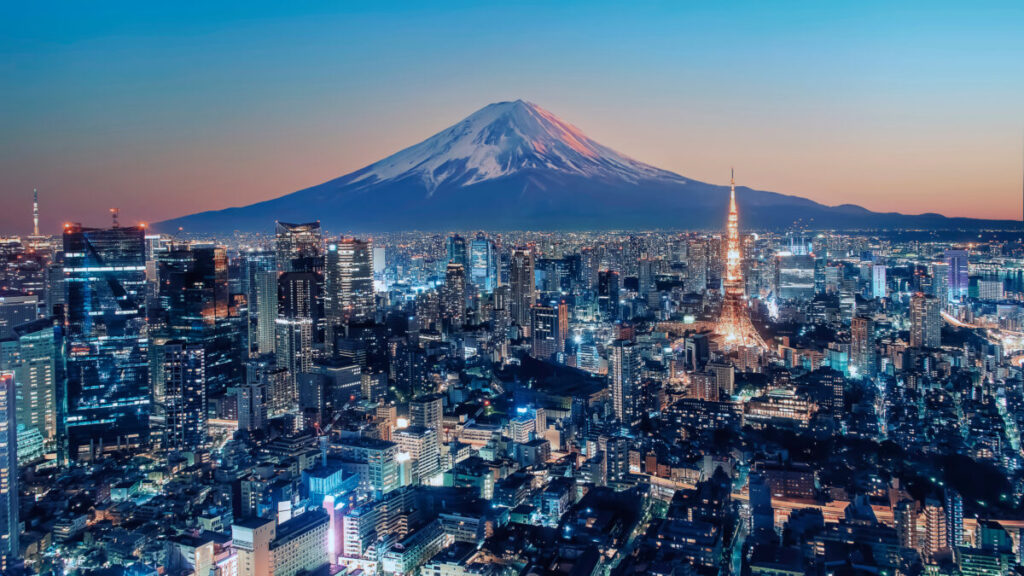
Tokyo rewards early risers. Beat the Instagram crowds to Senso-ji Temple by arriving at 6 AM—you’ll have the dramatic Kaminarimon Gate almost to yourself. Then contrast ancient spirituality with futuristic thrills at teamLab Planets, where digital art installations transform you into part of the artwork.
Skip tourist-packed Shibuya Crossing during rush hour. Instead, book a sunset slot at Shibuya Sky observation deck (reserve 4 weeks ahead) for aerial views of the famous scramble. Yanaka district offers authentic old Tokyo vibes—think narrow alleys, family-run shops, and cats lounging in temple grounds. This shotengai shopping street shows daily local life untouched by mass tourism.
See Related: Japan’s most captivating cities beyond the tourist trail
3. Unlock Kyoto’s Temple Secrets

Kyoto’s 2,000 temples and shrines can overwhelm first-timers. Start with sunrise at Fushimi Inari—arriving before 7 AM lets you climb the thousand torii gates in peaceful solitude. Most tourists never venture beyond the main shrine, but the full mountain hike rewards persistence with stunning city views and hidden fox statues.
Escape Kinkaku-ji’s selfie sticks at lesser-known Kurama-dera, accessible via a scenic train ride through maple forests. The mountain temple features natural hot springs and hiking trails connecting to neighboring Kibune, where summer restaurants serve meals on platforms suspended over rushing water. Book these kawadoko dining experiences two months ahead for weekend slots.
4. Master the Art of Onsen Bathing

Japan’s 3,000+ hot spring resorts offer more than relaxation—they’re gateways to centuries-old wellness traditions. Kusatsu Onsen in Gunma delivers authentic experiences with public baths using traditional yumomi water-cooling performances. The mineral-rich waters here treat everything from muscle pain to skin conditions.
First-timers often feel nervous about onsen etiquette. Remember: wash thoroughly before entering, never let your towel touch the water, and tattoos may require cover-up stickers (available at reception). For privacy, book a kashikiri-buro (private bath) or stay at ryokan with in-room onsen. Booking platform Relux specializes in high-end onsen accommodations with English support.
5. Conquer the Japanese Alps

The Tateyama Kurobe Alpine Route between Toyama and Nagano is seasonal, and its operating dates can change with weather and snow conditions. The route combines several forms of mountain transport and is especially known for its spring snow corridor. Check the official operating calendar before building flights, hotels or rail reservations around it.
Kamikochi valley offers car-free hiking paradise from April to November. Stay overnight at mountain lodges to access trails before day-trippers arrive via bus. The Taisho Pond to Myojin Pond route delivers Instagram-worthy reflections of the Hotaka peaks. Reserve accommodations immediately when bookings open in February—the 2,000 available beds sell out within days for peak seasons.
6. Decode Japan’s Food Scene
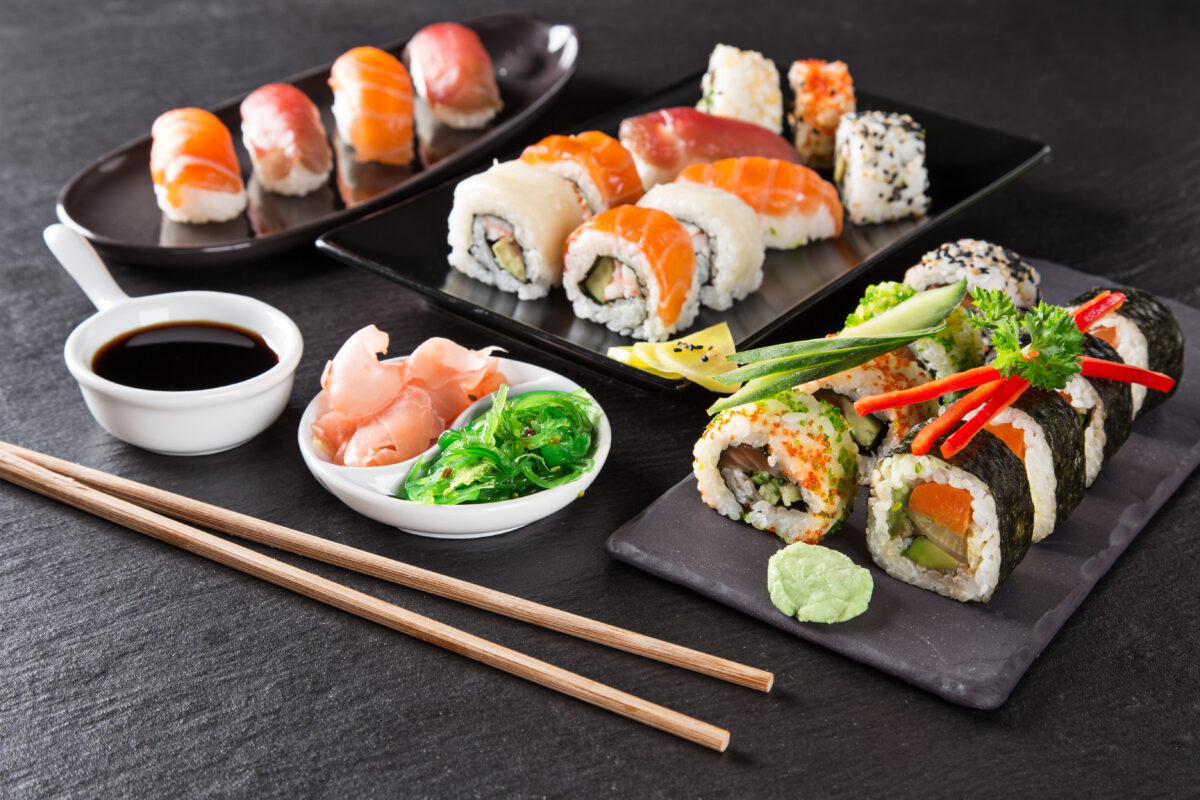
Tsukiji Outer Market beats touristy Toyosu for authentic food experiences. Arrive by 8 AM for the freshest seafood and shortest lines at popular stalls. Try the tamago (sweet omelet) at Marutake—unchanged since 1926—and grilled scallops at Iwasa.
Reservation platforms Tabelog and Omakase offer English booking for high-end restaurants. For Michelin-starred venues, book through hotel concierges three months ahead. Budget travelers should explore depachika (department store food floors) for premium quality at reasonable prices. Don Q offers ¥1,000 wagyu beef bowls that rival restaurants charging five times more.
See Related: Japan’s magical winter destinations and snow experiences
7. Experience Authentic Tea Ceremony
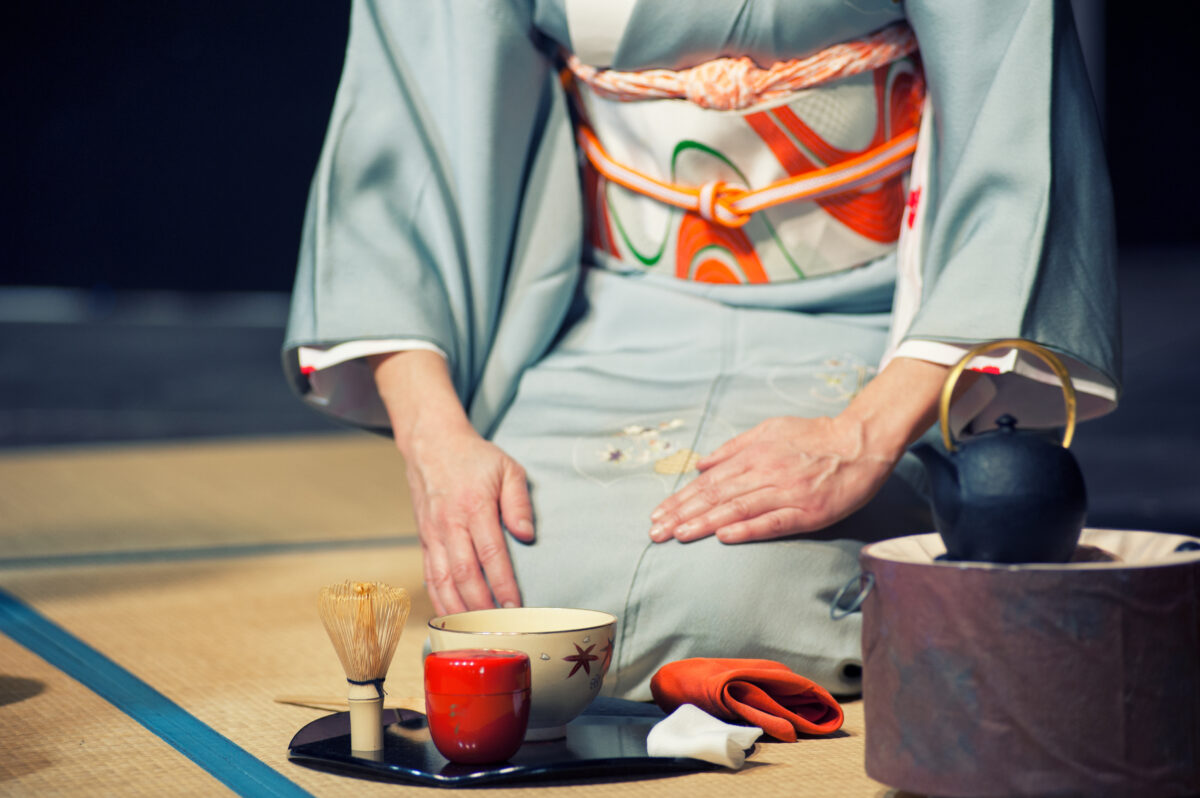
Tourist tea ceremonies last 30 minutes. Authentic experiences at places like Kyoto’s En tea house span two hours, including seasonal wagashi making and garden meditation. These intimate sessions limited to six participants sell out weeks ahead, especially during autumn leaf season.
Uji, the birthplace of Japanese tea culture, sits 30 minutes from Kyoto. Visit Byodo-in Temple (featured on the 10-yen coin) early morning, then explore centuries-old tea shops along Omotesando street. Nakamura Tokichi’s parfaits incorporate matcha harvested from their own fields—expect 90-minute waits on weekends unless you arrive at opening.
8. Navigate Akihabara’s Digital Wonderland
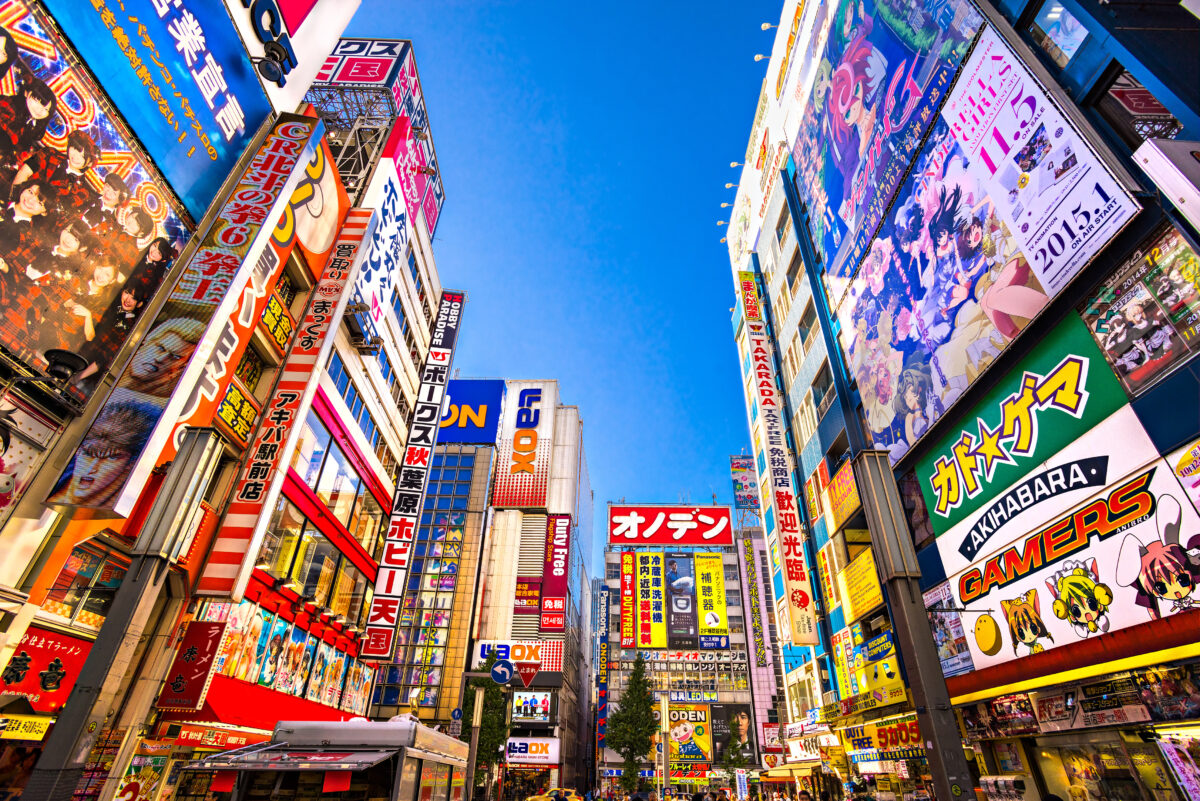
Akihabara evolved beyond electronics into Japan’s pop culture headquarters. Start at Radio Kaikan for vintage games and rare figures across eight floors. The tax-free threshold dropped to ¥5,000 in 2024, making collectible shopping more attractive for international visitors.
Nakano Broadway offers similar treasures with fewer tourists and better prices. This retro mall houses Mandarake’s multiple stores specializing in everything from 1960s manga to limited-edition Gundams. Weekday mornings reveal the best finds before dealers sweep through. Don’t miss the 8-bit Cafe for gaming nostalgia with your coffee.
9. Summit Mount Fuji (The Smart Way)

Mount Fuji’s current climbing rules include a ¥4,000 mandatory hiking fee, and the official climbing season generally runs from early July to early September. Access rules differ by trail and can change, so check the official Mount Fuji climbing guidance before choosing a date or reserving a mountain hut.
Smart alternative: Fuji Five Lakes region delivers spectacular views without altitude sickness. Lake Kawaguchi’s northern shore offers perfect sunrise photography spots. Stay at Kozantei Ubuya ryokan for rooms with private onsen overlooking Fuji—book six months ahead for cherry blossom or autumn seasons. The Fuji Shibazakura Festival (mid-April to May) carpets fields with 800,000 pink moss phlox plants.
See Related: Essential first-timer destinations for your Japan adventure
10. Find Peace at Hiroshima

The Peace Memorial Park transforms visitors through powerful storytelling. Arrive early to place origami cranes at the Children’s Peace Monument, then explore the museum’s recent renovation featuring survivor testimonies and interactive exhibits. The 8:15 AM daily moment of silence marks the exact time of the atomic bomb.
Pair this sobering experience with nearby Miyajima Island’s floating torii gate. Time your visit for high tide when the vermillion gate appears to float—tide charts available on the tourist website. The island’s free-roaming deer and mountaintop views via ropeway provide peaceful contrast. Try momijimanju (maple leaf-shaped cakes) from Iwamura shop, crafting these local sweets since 1829.
Smart Travel Tips for Japan in 2026
Entry requirements: Japan’s JESTA electronic travel authorization system was established in law in 2026 but is still under development and is not a 2025 entry requirement. Check Japan’s Ministry of Foreign Affairs and Immigration Services Agency guidance for the rules that apply to your nationality before departure.
Beat the crowds: Japan remains exceptionally popular in 2026. Reserve genuinely time-sensitive experiences first, then build flexible sightseeing around them. For peak cherry-blossom, foliage and holiday periods, compare neighborhoods and regional alternatives instead of assuming the most famous district is the best base.
Money matters: Carry more than one payment method and keep some yen available for smaller businesses, ticket machines or rural stops that may not accept your preferred card. Exchange rates move constantly, so check the current rate when setting your budget rather than relying on a number from a previous travel season.
Hidden Gem Alert: Escape overtourism in places like Takayama’s morning markets, Kanazawa’s samurai districts, and Naoshima’s art islands. These destinations offer authentic experiences with manageable crowds and lower prices than major cities.
Your Japan Adventure Starts Now
Japan rewards thoughtful travelers who venture beyond tourist checkboxes. Each temple visited at dawn, each hidden onsen discovered, each conversation with locals in tiny izakayas adds layers to your understanding of this complex nation. Start planning now—the best accommodations and experiences book months in advance, especially with record visitor numbers expected.
Remember, magical Japan moments happen when you slow down. Skip the rushed ten-city tour for deeper exploration of fewer places. Your patience pays off with experiences most visitors miss: private garden viewings, sumo stable visits, or sunset meditation with mountain monks. These memories last far longer than any souvenir.
Related Resources:
