Category: Travel Tips

Explore a world of travel wisdom on our travel tips page. Here, we share essential advice, clever hacks, and insightful recommendations to enhance your journeys. Whether you’re a seasoned globetrotter or planning your first adventure, our tips will help you travel smarter, safer, and more enjoyably.

  • Crossing Continents: The Revolutionary Underwater Rail Tunnel Connecting Europe to Africa

    Crossing Continents: The Revolutionary Underwater Rail Tunnel Connecting Europe to Africa

    Travel infrastructure is at a pivotal juncture as we look towards the future, driven by rapid technological advancements and evolving consumer preferences. How can emerging technologies transform how we travel and impact the global landscape? These innovations promise to reshape how we move and enhance sustainability and efficiency within the travel sector.

    As the world braces for these changes, stakeholders must navigate the challenges and opportunities presented by new travel modalities. From AI-driven enhancements to the vision of sustainable rail networks, the future of travel infrastructure offers a glimpse into a more connected and eco-friendly world. The transformation ahead is as exciting as it is unpredictable, urging industry players to adapt swiftly and innovatively.

    The Revolutionary Underwater Rail Tunnel Connecting Europe to Africa

    1. Hyperloop Transport System

    Hyperloop Transport System look and design
    Camilo Sanchez / Wikimedia Commons, CC BY-SA 4.0

    The Hyperloop Transport System represents a giant leap forward in transportation. It combines the best elements of various transit modes—speed, capacity, and sustainability. Picture pods zooming through vacuum tubes at over 700 miles per hour. That’s faster than a jet airplane on a domestic flight!

    The concept originated from Elon Musk’s white paper in 2013. It has since sparked global interest. The system uses near-vacuum tubes to minimize air resistance and friction. This allows capsules to reach incredible speeds, making a trip from Los Angeles to San Francisco in just 35 minutes.

    Virgin Hyperloop has been a leader in this field. They’ve conducted successful passenger tests and aim to develop routes in India and Saudi Arabia. In India, this could alleviate the overburdened transport system. In Saudi Arabia, it would create new infrastructure from scratch.

    Safety is a top priority. Delft Hyperloop has conducted thorough assessments to recommend safety standards. The build and maintenance rules will likely differ from those of traditional transport systems. This new technology calls for innovation in every aspect, from construction to daily operations.

    The environmental benefits are also noteworthy. Hyperloop promises clean energy-based travel. This could significantly cut down on emissions compared to cars or planes. It’s a sustainable choice that aligns well with global green initiatives.

    The potential of Hyperloop extends beyond just moving people. It can also transport goods and even cars. Imagine a future where you can send packages across continents in mere hours. The technological and economic ripple effects could be vast.

    2. Urban Air Mobility

    Urban Air Mobility and cityscape of the Atlanta, Georgia
    NASA / Wikimedia Commons, Public domain

    Urban Air Mobility (UAM) is set to change how people move within cities. Imagine flying taxis and drones buzzing over the streets, ferrying passengers and packages. This future isn’t far off. Electric vertical takeoff and landing (eVTOL) aircraft are key players in this transformation. Firms like Airbus are already working on these technologies.

    The promise of reduced traffic congestion is an enticing aspect. Picture a world where city commutes are cut down drastically. The potential for cleaner, quieter transit also can’t be ignored. Electric propulsion systems mean less noise and no emissions, making urban skies more pleasant and sustainable.

    Smart infrastructure is vital. Vertiports—specialized hubs for these aircraft—must be strategically located. These spots must be easy to access from crowded city centers. Integrating with existing transportation networks will be a challenge, but it’s essential for UAM to take off efficiently.

    One can’t overlook the hurdles. Safety standards need to be rock-solid. Each flight must ensure passenger and pedestrian safety, and regulatory frameworks must adapt quickly to keep pace with technology. Public acceptance is another critical piece. Many people might balk at the idea of aircraft buzzing overhead.

    Urban Air Mobility is still in its early stages, but the potential benefits are vast. Thinking about how we’ll move through our cities shortly is exciting. As technology advances, how cities are designed and navigated could be redefined.

    3. Autonomous E-VTOLs

    electric vertical take-off and landing (eVTOL)
    Leo067 / Wikimedia Commons, CC BY-SA 4.0

    Autonomous electric Vertical Take-Off and Landing vehicles (eVTOLs) could change urban travel. These flying vehicles promise quick, direct routes, bypassing ground traffic. Imagine commuting over city streets, soaring above congestion. This isn’t sci-fi; it’s closer than you think.

    Manufacturers and tech firms are testing prototypes, focusing on safety and efficiency. Autonomous systems must make real-time decisions, navigate cityscapes, and ensure passenger safety. It’s complex, but the potential is vast.

    eVTOLs could also reduce pollution. Electric engines mean less noise and lower emissions. More people in the skies might lead to cleaner, quieter streets. This shift could also encourage the development of new infrastructure, like sports and charging stations.

    Safety remains a challenge. Autonomous tech must handle unpredictable urban environments. Regulatory frameworks need updates to integrate these vehicles into the current airspace. Public acceptance is crucial, too. Trust in autonomous systems will grow as they prove reliable and safe.

    4. Flying Taxis

    Velidooh Air Taxi at Velidooh harbor
    Steevie / Wikimedia Commons, Public domain

    Flying taxis are no longer a mere fantasy from sci-fi movies. These electric vehicles promise to change urban travel. Imagine skipping traffic jams by soaring above them. Companies are racing to make this a reality by 2028.

    At their core, flying taxis use electric vertical takeoff and landing (eVTOL) technology. This means they lift off like a helicopter but fly like an airplane. They’re designed to be quieter and more eco-friendly than conventional helicopters.

    Infrastructure development is crucial. Vertiports, or small airports for these taxis, are already under construction in places like Florida. These hubs will connect key locations, making travel faster and more efficient.

    Experts predict massive economic growth from this industry. Markets could be worth billions within the next decade. Manufacturing, maintenance, and operation jobs will emerge, offering new opportunities in many regions.

    The environmental benefits are also promising. Electric flying taxis could reduce emissions and reliance on fossil fuels, helping cities meet their climate goals.

    Still, there are challenges. Battery technology needs to improve for longer flights, and safety and regulatory frameworks must catch up with technological advancements to ensure passenger security. These hurdles need to be addressed before widespread adoption.

    Shortly, flying taxis may become as common as ridesharing today. This shift would radically transform how people move around cities, making commuting quicker and potentially affecting urban development patterns. The sky, quite literally, could be the limit.

    5. Underground Transit Tunnels

    Underground Subway in Los Angeles
    Carol M. Highsmith / Wikimedia Commons, Public domain

    Underground transit tunnels are reshaping how we think about urban travel. These tunnels can reduce traffic congestion on city streets, making daily commutes faster and less stressful. By moving transportation underground, cities can reclaim surface space for parks and pedestrian areas.

    The new infrastructure bill in the U.S. is a game-changer. Signed in 2021, it promises significant investment in underground construction. This funding supports new tunnels and revamps existing ones, ensuring modern, efficient transit systems.

    Safety and sustainability are also key benefits. Underground tunnels offer protection from harsh weather, making travel more reliable. Additionally, they can be designed to minimize environmental impact, promoting greener cities.

    Projects like Miami-Dade’s Northeast Corridor are examples of what’s possible. With new rail tracks and stations, they’re set to reduce road traffic and improve public transport options.

    Innovative construction methods, such as those by hyperTunnel, highlight the potential for even more advanced underground networks. These methods can speed up construction and reduce costs, making it easier for cities to adopt this technology.

    6. Smart Highways

    Smart highways represent the next leap in transportation technology. Michigan has transformed a three-mile stretch of I-94 into a tech-enabled corridor. This setup is designed for connected and automated vehicles to reduce accidents and improve traffic flow. Sensors, cameras, and radar systems collect real-time data, enhancing situational awareness for drivers and autonomous vehicles.

    The I-94 AV corridor project in Detroit is a flagship initiative in smart highway development. By integrating cutting-edge technology, the project boosts safety, promotes fuel efficiency, and lowers emissions. Similar projects are being considered in various states to modernize infrastructure and support the shift to electric and autonomous vehicles.

    Incorporating IoT devices into highways can streamline traffic management. Data collected from these devices help cities adapt to changing transportation needs. For example, IoT sensors can identify congestion patterns and suggest alternative routes. This data-driven approach aids long-term planning and optimizes road usage.

    Collaboration between tech firms and governments is essential for these advancements. Companies like Intel are leading the way with smart road infrastructure. Their solutions include 5G-equipped technologies to ensure data is processed and analyzed quickly, making immediate improvements to the traffic flow.

    Ultimately, smart highways could redefine commuting. Imagine a future where traffic jams are a thing of the past, and your car navigates the roads with minimal human input. This vision isn’t just a dream—projects like Michigan’s I-94 corridor demonstrate that the future of smart highways is already taking shape.

    See Related: The Ultimate Guide to Sustainable Travel

    7. Hyperloop Cargo Transport

    Hyperloop cargo transport has the potential to revolutionize logistics. Businesses could see faster delivery times and reduced costs by transporting goods at high speeds. Imagine a world where freight can move as swiftly as commercial jets without environmental impact.

    The technology uses magnetically levitated pods within low-pressure tubes. This allows the cargo to travel with minimal air resistance, reaching up to 750 mph.

    Energy efficiency is a key benefit. Hyperloop systems are designed to use renewable energy sources, such as solar power. This decreases the carbon footprint of transporting goods.

    Another advantage is safety. Hyperloop systems are enclosed, protecting cargo from outside elements and reducing the risk of accidents. This is especially important for transporting sensitive or high-value items.

    Companies are already investing in this technology. For example, Virgin Hyperloop is customizing cargo pods for different types of freight, both for short and long distances.

    The development of Hyperloop networks also promises economic growth. It could create jobs for constructing and maintaining the infrastructure. Furthermore, cities that become part of the Hyperloop network might see increased commerce.

    Hyperloop cargo transport is not just a futuristic concept; it is a tangible development poised to enormously impact how goods are moved globally. The speed, efficiency, and safety it offers could set new standards in the logistics industry.

    8. Solar-Powered Roadways

    Prototype and look of the Solar Roadway
    See page for author / Wikimedia Commons

    Solar-powered roadways are gaining traction as a promising solution for future travel infrastructure. These innovative roads integrate solar panels into their surfaces, transforming ordinary streets into energy-generating assets. With advancements in solar technology, it’s now possible to embed durable panels into the pavement.

    The key benefit of solar roadways is their ability to produce clean, renewable energy. This energy can power streetlights, traffic signals, and even nearby homes, effectively reducing reliance on fossil fuels and greenhouse gas emissions.

    Solar roadways also improve safety. Embedded LED lights can create dynamic markings and warning signs, particularly useful during adverse weather conditions. This kind of real-time communication can significantly reduce accidents and enhance driver awareness.

    Maintenance is another aspect where solar roadways shine. Built-in heating elements can prevent snow and ice accumulation, reducing the need for plowing and salting. This keeps roads clear and safe year-round while lessening environmental impact.

    Economically, solar roads could be a game changer. Although initial installation costs are high, the long-term savings in energy bills and maintenance expenses are substantial. Plus, generating electricity from roadways can provide towns and cities with an additional revenue stream.

    Adopting solar-powered roadway technology promises sustainable travel and presents an opportunity to rethink and revamp our current infrastructure. Integrating this technology could be a major step towards building smarter, greener cities.

    9. Green Hydrogen Aviation

    Green hydrogen is making waves in the aviation industry. It promises a cleaner alternative to fossil fuels. This fuel is produced using renewable energy sources like wind or solar power. The potential for reducing aviation’s carbon footprint is huge. Imagine a future where planes emit only water vapor!

    Aviation giants are already investing in this technology. Companies see hydrogen as key for short-haul flights. It can provide the necessary power without harmful emissions. They’re gearing up, working with governments and other industries to make this a reality.

    Infrastructure is a big challenge, though. Airports will need to be updated. Storage and fueling systems for hydrogen are very different from traditional fuels. This requires significant investment. It’s a tough but crucial transition.

    Green hydrogen isn’t just a distant dream. Industry leaders believe it’s possible by 2035. Short and mid-range flights could see the benefits first. Long-haul flights might follow with hydrogen combustion engines. The journey to net zero is on, and green hydrogen is a major part.

    However, the energy required is immense. Estimates suggest aviation might need up to 1,700 TWh of clean energy by 2050. That’s a lot of wind and solar farms! Collaborations across different sectors will be essential. The aviation industry can’t do it alone.

    10. High-Speed Magnetic Levitation Trains

    Magnetic Levitation Train at the Emsland Test Facility, northern Germany
    Állatka / Wikimedia Commons, Public domain

    High-speed magnetic levitation (maglev) trains are pushing the boundaries of modern transportation. Maglev trains float above the tracks using powerful magnets, reducing friction and enabling speeds that traditional trains can’t achieve. It’s like watching a futuristic spectacle, seeing these trains glide smoothly and silently.

    Maglev technology has existed for years, but innovators continue refining it. In Shanghai, the maglev train connects the city to its airport at 431 km/h speeds. It’s a practical showcase of how urban mobility could evolve. Imagine shaving precious minutes off your daily commute with these lightning-fast trains.

    China is testing maglev trains in vacuum tubes, which could reach even higher speeds. This approach could compete with air travel for medium distances. A vacuum-tube maglev could make future trips faster, smoother, and eco-friendly, drastically reducing emissions and fuel use.

    Polish startup Nevomo is working on integrating maglev with standard rail infrastructure. Their MagRail project demonstrates that traditional tracks can be adapted without building new lines. This could be a game-changer, combining old and new systems without hefty costs.

    Imagine a world where cross-country travel becomes as seamless as a subway ride. High-speed maglev trains promise efficiency and convenience, bridging distant cities with unprecedented speed. The future of rail transport looks electrifying, and these innovations are paving the way.

    The Vision Behind the Project

    The Vision Behind the Project

    The future of travel infrastructure aims to create a seamless and sustainable travel experience. By integrating cutting-edge technologies, planners envision a world where travel is efficient, environmentally friendly, and accessible for all.

    Automation and electrification will play a central role. Automated systems can help reduce congestion and improve safety, and electric vehicles will cut emissions, paving the way for greener travel.

    Travel infrastructure is not only about today’s needs. It’s also about anticipating tomorrow’s challenges. Planners are considering future demands and incorporating flexibility into their designs.

    Connectivity between various travel modes is another key element. Imagine a passenger easily transferring from a high-speed train to an electric car rental or a bike-sharing program seamlessly linked to bus routes.

    In developing regions like Africa, there’s also a push to boost accessibility. Investment in new transportation systems can spur economic growth and improve quality of life.

    Sustainable practices are embedded in the vision. From using renewable energy sources to building eco-friendly stations and terminals, the goal is to minimize environmental impact.

    Projects like these require collaboration among multiple stakeholders. Governments, private companies, and communities must all work together.

    Investment plays a critical role. Policies like the Infrastructure Investment and Jobs Act in the United States are essential to funding these visionary projects.

    At its core, the vision is about enhancing the traveler experience while being mindful of environmental and social responsibilities. The aim is to build a network that can adapt and thrive in the face of technological advances and evolving human needs.

    See Related: The Ultimate Budget Travel Planner Checklist: Tips and Guide to Save Money.

    Engineering Feats and Challenges

    Channel Tunnel in Europe
    Billy69150 (voir les conditions d'utilisation / see licensing below) / Wikimedia Commons, CC BY-SA 4.0

    Creating future travel infrastructure involves remarkable engineering feats and significant challenges. The Channel Tunnel, connecting the UK and France, exemplifies this. Started in 1986, it stands as a modern marvel of engineering.

    Another impressive achievement is bladeless VTOL. Jetoptera, a Seattle-based company, has developed a bladeless vertical takeoff and landing aircraft reaching up to 0.8 Mach. This technology could revolutionize urban mobility by reducing noise and increasing efficiency.

    Challenges in Scaling Technology

    Main street and skyline in Cody, Wyoming
    Brunnell / Adobe Stock

    Implementing new technologies at scale presents several challenges. First, there’s the issue of cost. Infrastructure projects like high-speed rail networks or smart highways require substantial investment.

    Urban mobility needs innovation in public transportation systems. Many cities face issues such as overcrowded networks, and implementing solutions like intelligent traffic systems can be complex.

    Digital Technologies and Infrastructure

    Artificial Intelligence Technology

    Digital technologies like IoT and AI are increasingly crucial in modernizing infrastructure. Intelligent transport infrastructure can enhance capacity through smarter operations rather than more construction. This efficiency can lead to better resource management and less environmental impact.

    Sustainability Focus

    Balboa Park pond in San Diego, California
    Gabriele Maltinti / Adobe Stock

    Transport infrastructure spending is expected to surge, with estimates of $2 trillion needed annually until 2040. This investment aims to address capacity issues and the shift towards more sustainable and eco-friendly solutions. Efforts are being made to incorporate renewable energy, electric vehicles, and greener materials in construction.

    The quest for better travel infrastructure is both thrilling and challenging. From bladeless aircraft to intelligent systems, engineering is paving the way for a more connected, efficient, and sustainable future. The road ahead may be tough, but the potential benefits are worth the effort.

    Travel Experience in 2030 and Beyond

    Passengers and plane economy class seats
    andrey gonchar / Adobe Stock

    The travel experience in 2030 and beyond promises to be quite different from today. AI and robotics will play a huge role in streamlining services. Imagine checking in at an airport with facial recognition. Luggage will follow seamlessly through automated systems, reducing wait times.

    Technological advancements are also set to improve personalization. With AI analyzing preferences, travel itineraries can become more tailored. Preferences for food, activities, and seat comfort can be catered to like never before.

    Sustainable practices will be critical. Electric planes and biofuels will make air travel greener. Airports might prioritize renewable energy and sustainable building materials. This shift will help the planet and create a more pleasant and efficient travel experience.

    There will also be changes in in-flight entertainment. Virtual reality could allow passengers to explore destinations even before they arrive. Think of the possibilities—experiencing the Great Wall of China while flying over the Pacific.

    The emergence of decentralized computing will add a new layer of security and efficiency. Cloud technologies and blockchain can help secure travel documents and booking details, and passengers will feel safer knowing their data is protected.

    Public transport systems might evolve with hyperloops and electric buses, transforming how people move within countries. These systems promise to be faster and more environmentally friendly, making day trips to other cities quite practical.

    In a nutshell, the future of travel will be smarter, greener, and more personalized, making for a seamless and enjoyable journey from start to finish.

    Economic and Social Implications

    Economic Growth

    Meadow and skyline at Central Park in New York
    AlexQ / Adobe Stock

    Future travel infrastructure plays a huge role in stimulating economic growth. New transportation projects can create jobs during the construction phase and after they’re built. This means more income for workers and more money flowing through local economies. Improved infrastructure can also boost business productivity by reducing travel times and costs.

    Social Inclusion

    People waiting for the train at subway station
    william87/ Adobe Stock

    It’s incredible how transport can connect communities. Improved public transport allows people easier access to jobs and essential services like healthcare and education. This directly impacts the quality of life, making it easier for people to get where they need to be and fostering a more inclusive society.

    Environmental Benefits

    Aerial view of the Central Park in New York
    Touch / Adobe Stock

    Innovations in sustainable transport are key to reducing greenhouse gas emissions. Modern infrastructure projects increasingly focus on eco-friendly options. Electric buses, bike lanes, and improved pedestrian pathways can help decrease reliance on fossil fuels, lowering air pollution and promoting healthier lifestyles.

    Local Business Opportunities

    Colorful LED signs and Taxi in Times Square, New York City
    Luciano Mortula-LGM – stock.adobe.com

    Better transport links mean local businesses can reach more customers. Small businesses, in particular, benefit as they can widen their market area. Efficient logistics and supply chains also become more feasible, enabling faster delivery times and fresher products, which is a win-win for businesses and consumers.

    Improved Quality of Life

    People strolling at The High Line in New York City, New York
    Bryan Ledgard / Wikimedia Commons, CC BY 2.0

    Imagine shorter commutes and less time stuck in traffic. With efficient travel infrastructure, people can enjoy more free time. This may lead to lower stress levels and a happier, more balanced life. Families can spend more time together, and individuals can pursue hobbies or simply relax.

    Technological Advancements

    Broadway in Times Square New York City
    Luciano Mortula-LGM – stock.adobe.com

    Future travel infrastructure isn’t just about roads and rails; it’s also about integrating technology. Smart traffic lights, connected vehicles, and autonomous transportation can make travel safer and more efficient. These advancements help manage traffic flow, reduce accidents, and enhance travel experience.

    See Related: The Ultimate Guide to Affordable Travel Planning: Tips, Destinations, and Savings

    Expert Opinions and Future Prospects

    John F. Kennedy International Airport Terminal 4 and Air Traffic Control Tower
    travelview – stock.adobe.com

    Experts in travel infrastructure foresee transformative changes. McKinsey’s analysis highlights how tourism bounced back in 2022, with visitor numbers nearing pre-pandemic levels in Europe and the Middle East. They believe this resilient sector will continue evolving and driven by technology and changing consumer behaviors.

    AI and Automation will play crucial roles. McKinsey suggests that smart technologies, including AI, can optimize travel experiences, from booking to in-destination services. These advancements could streamline operations, reduce costs, and improve customer satisfaction.

    Sustainable Travel is another significant trend. Experts underline the urgent need for eco-friendly tourism. They point to innovative solutions like electric planes and carbon offset programs. Emphasizing sustainability will protect the planet and appeal to environmentally conscious travelers.

    Infrastructure Investments are necessary. New airports, modern rail systems, and high-speed trains can meet the expected demand surge. Governments and private sectors must collaborate to fund these large-scale projects, ensuring they are efficient and future-proof.

    Challenges remain. Higher costs for international travel, noted by sources like Kayak, could deter some travelers. Additionally, the complexity of implementing new technologies and maintaining safety standards poses significant hurdles.

    In short conversations with industry leaders, there’s optimism about the sector’s future. They stress that building a robust travel infrastructure will enhance travelers’ experiences and grow the global economy.

    Key Takeaways:

    • The rise of AI and automation in travel.
    • Emphasis on sustainable and green tourism.
    • Importance of investment in new infrastructure.
    • Balancing costs and safety while driving innovation.

    This visionary approach suggests a future where travel is more efficient, enjoyable, and in harmony with the environment.

  • Should I Get Travel Insurance Through Alaska Airlines? Find Out Why It Could Save Your Trip!

    Should I Get Travel Insurance Through Alaska Airlines? Find Out Why It Could Save Your Trip!

    Traveling can be an adventure but comes with its fair share of risks and uncertainties. When planning a trip, especially with Alaska Airlines, you might wonder if it’s worth getting travel insurance. If you want peace of mind knowing you’re protected against unexpected events like trip cancellations or medical emergencies, getting travel insurance through Alaska Airlines can be smart.

    Imagine you’re heading to Alaska for a once-in-a-lifetime tour to see the Northern Lights. You’ve spent months planning, booking flights, and reserving tours. Suddenly, a severe winter storm hits, and your flight gets canceled.

    Without travel insurance, you’d have to bear the financial burden of rebooking flights and accommodations. However, you can get reimbursed with Alaska Airlines travel insurance, making the situation less stressful.

    Alaska Airlines offers options that fit your needs. They offer coverage for trip cancellations, interruptions, medical emergencies, and lost luggage, which can be a lifesaver when unexpected events occur.

    In my experience as a frequent traveler, having that safety net has saved me countless times. It gives you the freedom to explore without constantly worrying about the what-ifs.

    Key Takeaways

    • Travel insurance through Alaska Airlines can save you from unexpected costs.
    • Insurance covers trip cancellations, medical emergencies, and lost luggage.
    • Choosing the right plan offers peace of mind for any travel adventure.

    Understanding Travel Insurance

    Close-up of a travel insurance application form
    Noey smiley / Adobe Stock

    Travel insurance is like adding a safety net to your trip. It can be especially useful for unexpected trip cancellations, missed flights, or medical emergencies.

    Trip insurance often covers a variety of situations. For example, if you must cancel your trip due to illness or severe weather, the right policy might refund 100% of your trip cost.

    Another important aspect is protection for your stuff. Lost or delayed luggage can be a nightmare, but with travel insurance, you can get reimbursed for clothes and essentials you need to buy.

    Also, consider emergency assistance. Many plans offer 24-hour help, advice, and support, like finding a doctor or replacing lost passports.

    Cost, age, destination, and trip length often affect the price of travel insurance. For instance, longer trips or those with multiple destinations might cost more. Always check the terms to see exactly what is covered.

    Buying insurance directly through your airline, like Alaska Airlines, can be convenient. They offer plans that include trip cancellations, interruptions, and emergency assistance. You can even file claims online, making it super easy to handle any issues from anywhere.

    Remember, it’s important to read the fine print. Insurance companies have different rules, and you want to ensure the policy covers your needs.

    If you are curious about the various options and plans, you might want to look into this resource for trip insurance.

    Understanding the essentials of travel insurance can help you make a well-informed decision and ensure that your journey remains smooth and worry-free.

    Why Consider Alaska Airlines Travel Insurance?

    Alaska Airlines and Trip Insurance
    Alaska Airlines / Alaska Airlines

    Life can be unpredictable, and travel plans sometimes go awry. When booking a trip with Alaska Airlines, you might want to consider getting their travel insurance.

    • Trip Cancellation Protection: Sometimes, last-minute changes happen. Alaska Airlines offers coverage if you need to cancel your trip due to unforeseen reasons like illness or severe weather.
    • Emergency Medical Coverage: The insurance covers emergency medical expenses if you get sick or injured during your trip. This can save you from unexpected, high medical bills in a foreign place.
    • Luggage Coverage: Imagine arriving at your destination and finding your luggage lost or delayed. With Alaska Airlines travel insurance, you can be compensated for lost, damaged, or delayed baggage, easing the stress.
    • Convenient and Easy to Use: Buying insurance through Alaska Airlines means one less thing to worry about. You can add it while booking your flight, making the process simple and streamlined.
    • One-Stop Shop: Instead of shopping for third-party insurance, you can handle everything right through Alaska Airlines. It’s all about convenience and peace of mind.

    In my experience, having travel insurance has given me peace of mind, knowing I’m protected against unexpected events. It’s like having a little safety net that lets you relax and enjoy your trip.

    If you’re planning a trip soon, consider whether Alaska Airlines travel insurance might be the right choice. It’s better to be safe than sorry!

    Comparing Travel Insurance Options

    Travel insurance brochure and a luggage
    PAstudio / Adobe Stock

    When deciding on travel insurance, you have several choices. You can buy insurance directly from Alaska Airlines or opt for policies from third-party providers. Each option has pros and cons regarding coverage levels, costs, and additional benefits.

    Standard Airline Insurance Versus Third-Party Providers

    Airline Insurance Versus Third-Party Providers

    Alaska Airlines offers a straightforward option for travelers. They make it easy by adding the insurance option during ticket booking.

    This insurance usually comes through Allianz Travel, offering comprehensive protection for trip cancellation, trip interruption, and baggage delays. It’s a convenient choice, ensuring you’re covered with little effort.

    Third-party providers like AIG often offer more customized plans. They typically offer a range of coverage levels that might include additional features like rental car protection and emergency evacuation services. You might find these providers have better policies for international trips or unique travel needs.

    Choosing the right insurance depends on your specific needs. While airline policies mostly focus on flight-related issues, third-party options provide more extensive coverage, including medical expenses and flexible claim policies.

    Coverage Benefits of Alaska Airlines Policies

    Allianz Travel Insurance  Alaska Airline Travel Protection
    Allianz Travel Insurance / Allianz Travel Insurance

    Alaska Airlines‘ policies, offered through their partner, Allianz Travel, are designed to protect against common travel mishaps. Their Classic Plan covers up to 100% of your trip cost if you cancel due to covered reasons like illness. They also offer up to 150% for trip interruption, helping you cover unused portions if you need to cut your trip short unexpectedly.

    These policies generally include benefits like:

    • Trip Delay Coverage: Helps cover additional expenses if your flight is delayed.
    • Baggage Delay: Covers costs if your baggage is delayed beyond a certain time.
    • Emergency Assistance: Provides help in emergencies, including medical transportation.

    Though comprehensive, these policies might lack the deep customization that some travelers need. It’s essential to read through the terms to understand fully what is and isn’t covered.

    Third-Party Insurance Options

    AIG Travel Guard webiste landing page
    AIG Travel Guard / AIG Travel Guard

    Third-party insurance providers such as AIG and others often offer more flexibility and coverage options. They can cover a wider range of situations, like adventurous activities or higher medical expenses in foreign countries. Due to the competitive market, you might find these plans cheaper at times.

    For instance, AIG Travel Guard offers various plans with features that might not be available through airline policies. These often cover extreme sports, political evacuation, and even lost passport assistance, which could be invaluable for international travelers.

    You can also visit sites like Going for Flight deals and travel tips to make the most of these insurance options. Third-party providers might also offer family plans or annual packages if you travel frequently, saving you money in the long run.

    Choosing between these options often boils down to what fits best with your travel style and risk tolerance. For quick, straightforward trips, airline insurance might do the trick. If you have unique travel needs or want extra layers of protection, third-party providers might be more suitable.

    See Related: How to Secure Worry-Free Travel Insurance with Pre-Existing Conditions: Don’t Let Your Health Hold You Back!

    What Does Alaska Airlines Travel Insurance Cover?

    List of benefits of Alaska Airlines Insurance
    Alaska Airlines / Alaska Airlines

    Alaska Airlines travel insurance offers various protections that can help you navigate unexpected hiccups during your trip. From trip cancellations to baggage issues, the coverage provides several layers of security to ensure peace of mind when you travel.

    Trip Cancellation and Interruption Protection

    Allianz Travel Insurance Claims
    Allianz Travel Insurance / Allianz Travel Insurance

    Alaska Airlines travel insurance can cover these scenarios if you suddenly need to cancel or interrupt your trip. Trip cancellation insurance kicks in if you have to cancel for reasons like illness or a family emergency. You’ll get reimbursed for prepaid, non-refundable trip costs like flights and hotels.

    Trip interruption insurance helps if you need to end your trip early. It can cover additional transportation costs to return home or catch up with your trip. This ensures you’re not left out-of-pocket due to unexpected changes.

    Baggage Loss and Delay

    Airport Departure Board showing a list of delayed flights
    tiagozr / Adobe Stock

    Losing your luggage or facing delayed bags can be a major hassle. Alaska Airlines travel insurance covers baggage loss and baggage delay.

    If your bag gets lost, the policy might reimburse you for its contents. Imagine arriving at your vacation spot without your swim trunks or favorite shoes — very frustrating.

    But if your baggage is delayed, Alaska’s policy can help you cover the essentials. Think about toiletries or a change of clothes. That way, your trip isn’t derailed while waiting for your luggage.

    Travel Delay and Missed Connection

    Airport flight status board delayed flight display
    gfdunt / Adobe Stock

    Travel delay coverage is quite handy if your flight is significantly delayed. Whether it’s weather-related or due to mechanical issues, this insurance can cover expenses like meals and accommodations while you wait.

    On the other hand, missed connection coverage ensures you don’t lose out financially if you miss a connecting flight. This can be a lifesaver if you’re on a tight schedule with multiple transfers, getting you back on track without too much stress.

    Special Circumstances: COVID-19 and Other Concerns

    Male Asian traveler wearing face mask holding a passport in front of an Airport check in officer booth
    Yingyaipumi / Adobe Stock

    COVID-19 has created additional concerns for travelers. Alaska Airlines travel insurance often includes coverage for pandemic-related issues. This can cover cancellations or interruptions due to COVID-19, ensuring that unexpected quarantines or positive tests don’t entirely ruin your plans.

    Alaska’s policy may also cover other special circumstances like emergency medical needs or medical transportation. These protections can be crucial if you fall ill while away from home, offering medical and financial assistance.

    When considering travel insurance with Alaska Airlines, remember these points. Coverage isn’t just about protecting your wallet; it’s about securing peace of mind and making your travel experience as smooth as possible. And hey, anything that reduces travel stress is always worth considering!

    See Related: The Ultimate Travel Hack Guide: Booking Smarter and Traveling Better

    Evaluating Cost and Value

    Alaska Airlines Allianz Travel Insurance Get a Quote
    Allianz Travel Insurance / Allianz Travel Insurance

    When considering whether to get travel insurance through Alaska Airlines, you’ll want to weigh the cost against the value you receive. Think about your budget and the potential benefits of the trip protection offered.

    Price Comparison and Budget Considerations

    Allianz Travel Insurance Quotation and Computation
    Allianz Travel Insurance / Allianz Travel Insurance

    Travel insurance prices can vary based on several factors, including your age, destination, and trip duration. With Alaska Airlines, these premiums may differ based on the specifics of your travel plans. It’s worth comparing these costs with other insurance providers to ensure you get the best deal.

    Sometimes, other insurers offer similar coverage at a lower price or with better terms. Also, consider if trip protection is included in any other services you already pay for, like your credit card benefits. Travel insurance can add to your overall trip budget but also save you a lot in unexpected situations.

    Understanding Insurance Premiums

    Alaska Airlines Allianz Travel Insurance Plans Comparison
    Allianz Travel Insurance / Allianz Travel Insurance

    Insurance premiums through Alaska Airlines can include coverage for trip cancellation, lost luggage, and medical emergencies. The amount you pay, or the premium, is often based on the total cost of your trip. Generally, a more expensive trip will have a higher premium.

    And keep in mind that if you have a refundable trip, the insurance might not be as valuable to you. But if you have non-refundable bookings or multi-destination trips, the peace of mind might outweigh the cost. Always read the policy details carefully to understand what is and isn’t covered to ensure it aligns with your needs.

    Reading the Fine Print

    Alaska Airlines Allianz Travel Insurance Terms and Conditions
    Allianz Travel Insurance / Allianz Travel Insurance

    When you decide to get travel insurance through Alaska Airlines, it’s crucial to dig into the fine print. This helps you understand exactly what’s covered and what’s not.

    Terms and conditions can be long and perhaps a bit boring, but reading them could save you a lot of headaches. You’ll want to pay special attention to sections about cancellations and refunds. If you have to cancel your trip, under what conditions will you get your money back?

    Trip cancellation insurance generally covers illness or severe weather. But be sure to check the coverage levels. Some plans offer up to 100% of your trip cost, while others might offer less.

    Another detail to look at is pre-existing conditions. Some policies don’t cover these unless you buy the insurance within a certain time frame after booking your trip.

    Here’s a quick breakdown:

    CategoryWhat to Look For
    CancellationsReasons covered for cancellations
    RefundsConditions under which refunds are given
    Trip CancellationPercentage of trip cost covered
    Coverage LevelsSpecific amounts and events covered
    Pre-existing ConditionsCoverage details and timeframes

    By thoroughly reading the fine print, you’ll know exactly what to expect if things don’t go as planned. It’s a small effort that can make a big difference in having peace of mind during your travels.

    Navigating Airline and Travel Insurance Policies

    Alaska Airlines Mileage Plan Webpage
    Alaska Airlines Mileage Plan / Alaska Airlines

    Choosing travel insurance can sometimes feel like a maze. When looking at Alaska Airlines travel insurance, it’s important to understand what you’re getting. Alaska Airlines offers trip insurance with various helpful features.

    First, there’s trip cancellation coverage. If you must cancel your trip due to covered reasons like an illness or severe weather, you might get reimbursed up to 100% of the trip cost.

    Then, you have trip interruption insurance. If something happens and you must cut your trip short, this policy could cover up to 150% of your unused trip costs.

    But hold on! Before you purchase, you should check the terms and conditions. Things like age and destination will determine the cost of your insurance.

    Some might prefer using their credit card‘s trip insurance benefits instead. Many credit cards offer decent travel coverage as a perk.

    A key tip is to look at what works best for your situation. If you’re loyally flying Alaska Airlines, their insurance might be more convenient. But don’t ignore other options like independent travel insurance, which might offer more flexible policies.

    When you book your flight, make a list of what’s important. Consider factors like:

    • Reimbursement rates
    • Cancellation policies
    • Whether you get refunds or just travel credits

    Each of these can affect how useful your insurance will be. And always read the fine print! Nobody likes surprises, especially when you’re trying to get a refund.

    If you have Alaska’s elite status, you might get extra perks. For instance, MVP Gold members can use extra-legroom seats on American Airlines.

    So take your time, compare options, and pick what feels right. Exploring these policies shouldn’t be a headache—just a step toward a stress-free trip.

    Filing Claims and Seeking Reimbursement

    Travel Insurance Claim Form file on a table with a globe and toy plane
    izzuan / Adobe Stock

    When it comes to filing a claim with Alaska Airlines travel insurance, the process is pretty straightforward. You have a few options to get started.

    First, you can file a claim online by visiting Allianz Travel’s website. This is the fastest way to get things moving.

    Another option is to call the insurance provider if you prefer talking to a real person. Some folks find this helpful for getting answers to specific questions. Ensure you have all your documents, like receipts and travel itinerary.

    Insurance benefits vary depending on the policy you have. These can cover trip cancellations, missed connections, or emergency medical transport. So, knowing your plan before making a claim is a good idea.

    Remember that not all claims are guaranteed to be approved when seeking reimbursement. Your claim needs to be for a covered reason under your policy. For example, you might be eligible for compensation if your flight is delayed by a specific time.

    Here’s a quick tip: Don’t exaggerate your losses when filing a claim. Being truthful will make the process smoother and increase your chances of getting reimbursed quickly.

    Make sure to check the required delay time for compensation. Depending on your plan, this can range from a few hours to half a day. Knowing this can save you some frustration while waiting at the airport.

    In case of an emergency medical transport, contact your insurance provider immediately. They can guide you on what steps to take next and what coverage you have.

    And don’t forget, you usually have a whole year from your departure date to file a claim. So, if you’re dealing with a stressful situation, you have time to sort things out before submitting your paperwork.

    Travel Insurance Amidst Global Uncertainties

    Travel insurance form and two passports
    photobyphotoboy / Adobe Stock

    Traveling these days can be unpredictable. With global uncertainties like political instability or sudden health crises, having travel insurance seems almost non-negotiable.

    Imagine you’re on vacation, and there’s a sudden outbreak of political unrest. What would you do if you needed an emergency evacuation?

    Buying travel insurance through Alaska Airlines (or any other provider) gives you peace of mind. You won’t be left in the lurch. They offer plans that cover things like medical evacuation, which means you’ll be transported to safety if something happens.

    I’ve heard stories from friends stuck abroad due to unexpected events. One had to be medically evacuated after a serious accident. The insurance covered the costs, so she didn’t have to worry about huge bills.

    Here’s a quick overview of what travel insurance can cover:

    • Trip cancellation and interruption: Get reimbursed if you have to cancel or cut short your trip.
    • Medical expenses: Coverage for doctor visits and hospital stays.
    • Emergency evacuation: Costs to transport you to the nearest adequate medical facility.
    • Baggage loss: Compensation if your stuff gets lost or damaged.

    In uncertain times, these benefits are vital. Safety becomes a priority. You never know when you’ll need quick help, especially in a foreign country.

    Your destination and activities can also affect your risks. Going somewhere with political tensions or engaging in adventurous sports? The right coverage ensures you’re not left stressed. And let’s face it; no one wants to deal with these hassles when they’re supposed to enjoy their trip.

    So, think about it. Considering today’s global uncertainties, having travel insurance seems wise. Your peace of mind is worth it.

    See Related: Cultural Etiquette Tips for Travelers in Japan

    The Role of Credit Cards in Travel Protection

    Woman holding three different credit cards and picking one
    Farknot Architect / Adobe Stock

    When you think about travel protection, you might first think of travel insurance. However, credit cards play a big role, too.

    Some credit cards come with built-in travel insurance. This can be handy because you don’t need to pay extra for separate coverage. Many top-tier cards offer trip cancellationinterruption, and baggage loss protections.

    Let’s dive into some key points:

    • Trip Cancellation: Some cards will cover you if you need to cancel your trip because of sickness or severe weather.
    • Baggage Loss: Lost baggage? No worries. Some cards will reimburse you for that.

    I have a friend who lost her luggage on a flight. Her credit card reimbursed her for the clothes and essentials she had to buy.

    Credit cards also often include emergency assistance. This means you could get help with medical referrals while you’re away.

    However, always check the coverage levels. Some cards cover a certain amount, which might not be enough for longer or more expensive trips. It’s crucial to read the fine print.

    It’s like having a safety net. Yet, it might not cover everything. Just imagine you have a trip costing $5,000, but your card only covers $1,500.

    Ultimately, the mix of credit card protection and travel insurance can give you peace of mind. So check your card benefits before you travel. You might find you’re already more protected than you thought!

    Considerations for Different Types of Trips

    Young woman traveler in an airport looking at the flight schedule
    mnelen.com / Adobe Stock

    When planning a trip, consider the kind of travel you’re embarking on to decide if Alaska Airlines travel insurance fits your needs.

    For domestic trips, you might only need basic coverage. Trip cancellations or delays are often enough to ensure protection. But if you’re visiting multiple destinations within the U.S., check the terms carefully, as costs can vary.

    A single-trip plan is perfect if you don’t travel frequently. These plans cover just one round trip and can be cost-effective. If you’re just taking one big vacation this year, it’s a straightforward option.

    Travel medical insurance is essential for trips involving adventure sports or international destinations. Regular health insurance might not cover you abroad.

    So, this coverage is crucial if you’re planning on activities like skiing or diving. It can save you from hefty medical bills in case of accidents.

    For those into high-risk activities, make sure your policy includes adventure sports coverage. Standard plans may not cover injuries from activities like bungee jumping or surfing. Always read the policy details to know what’s included.

    Lastly, if you want comprehensive protection, Alaska Airlines offers plans covering everything from trip cancellations to baggage loss and medical emergencies. Knowing you’re covered for many scenarios can give you peace of mind. Find and book your perfect getaway; these policies can help you enjoy stress-free travel!

    To discover activities and tours to enhance your trip, it’s a good idea to browse and book fascinating excursions. Planning ensures a hassle-free and enjoyable journey tailored to your preferences.

    Assessing Travel Insurance Providers

    Travel Insurance Providers: World Nomads, Travel Guard, and Allianz

    Picking the right travel insurance is like packing the essentials for your trip. There’s a lot to think about.

    First off, Allianz is a big player. They partner with Alaska Airlines, so you might see their name pop up when booking a flight.

    Their options cover trip cancellations, interruptions, and medical expenses. If you ever ran into trouble, you’d be glad you went with a large, reliable company.

    Next up, Travel Guard. These guys offer a variety of plans, too. They’ve built their reputation on strong customer service.

    You might feel more secure knowing someone is just a call away, ready to help you. Plus, they cover delays and lost baggage, which can save a lot of headaches.

    World Nomads stands out if you’re up for an adventure. Their insurance is designed for those who love to explore.

    Medical expenses? Covered. Gear protection? You bet. If you’re trekking, diving, or just heading off the beaten path, World Nomads might be your ticket.

    Let’s not forget other insurance companies. Some might offer better deals or specific coverage that perfectly fits your needs. Compare terms, read reviews, and consider what’s most important for your trip.

    And hey, remember that not every policy is the same. Reading the fine print is no fun, but it’s necessary. You don’t want to be in a pinch because you missed a clause or coverage detail.

    So, take some time, ask questions, and choose what feels right for your journey. It’s your adventure—make sure it’s protected!

    FAQs Consolidated

    Hand filling out a travel insurance
    REDPIXEL / Adobe Stock

    Is Alaska Airlines travel insurance worth it?

    If you want peace of mind, yes. Alaska Airlines offers robust plans.
    Benefits can include trip cancellation, trip interruption, and medical evacuation coverage. Evaluate your trip needs before deciding.

    Do they offer 24/7 assistance?

    Yes, 24/7 emergency assistance is available. This can be a lifesaver if you encounter travel issues at any hour. Imagine needing help during a late-night layover; knowing you have support can be comforting.

    Will pre-existing medical conditions be covered?

    Coverage for pre-existing medical conditions is available under certain plans. Check the policy details to confirm. Sometimes, a medical waiver applies if you purchase insurance soon after booking your trip.

    How do I file a claim?

    Filing a claim is straightforward. You can file online through their website or contact Allianz Travel, their insurance partner. It’s crucial to keep all travel receipts and documents handy.

    What if I need a medical evacuation?

    Medical evacuation coverage is included. This can cover costs if you need urgent evacuation back home or to a nearby medical facility. This feature is vital, especially if you’re traveling to remote areas.

    Does Alaska Airlines have partnerships with other insurance providers?

    Yes, they partner with Allianz Travel. You might also consider other insurers like Travelex for comparison. It’s always good to weigh your options.

    What’s included in trip cancellation insurance?

    Trip cancellation covers up to 100% of your trip costs for covered reasons. This can include illness, severe weather, or other emergencies. If you have to cancel, this can save you from losing all your money.

    Should I buy insurance for domestic trips?

    Even for domestic trips, insurance can be useful. It protects against flight cancellations, lost baggage, and accidents. Multiple destinations often increase risk, making insurance more valuable.

  • Seattle CityPASS Review: Unlock Amazing Attractions and Unforgettable Experiences

    Seattle CityPASS Review: Unlock Amazing Attractions and Unforgettable Experiences

    Thinking of visiting Seattle and wondering if the Seattle CityPASS is worth it? You’ve come to the right place. This helpful guide will offer insights based on real experiences to help you decide. Touring a new city can be daunting, but smart planning can make it a breeze.

    With Seattle CityPASS, you can save up to 49% on admission to top attractions like the Space Needle, Seattle Aquarium, and The Museum of Flight. The pass offers significant savings and convenience, allowing you to skip long ticket lines and enjoy the sights. Is it the best choice for your Seattle trip? Keep reading to find out!

    The Seattle CityPASS is especially handy if you want to hit several major spots in one visit. Not only does it cover popular tourist destinations, but it also includes cultural and educational stops like museums and cruise tours.

    Thanks to this pass, my trip to Seattle became much smoother and cost-effective. Let’s explore how this nifty pass works, the attractions included, and some savvy tips to make the most of it!

    Key Takeaways

    • Save up to 49% on top Seattle attractions.
    • Convenient access to major spots and cultural sites.
    • Tips to maximize your CityPASS experience.

    What Is Seattle CityPass?

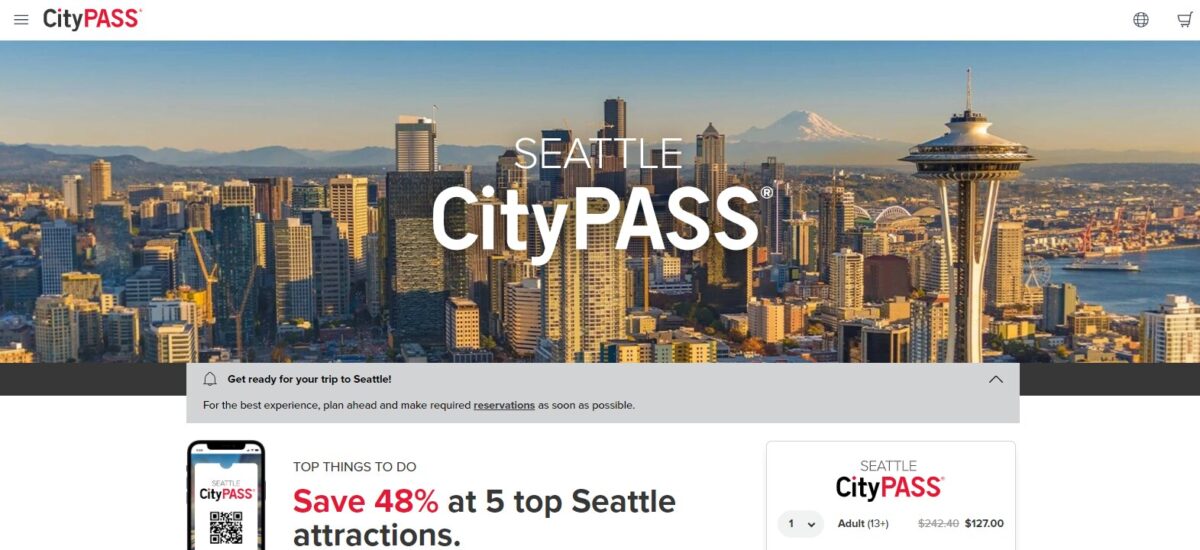
    Seattle CityPass Phone QR
    CityPASS / CityPASS

    The Seattle CityPass is a special ticket that lets you visit some of the best spots in Seattle at a discount. It’s like a golden ticket for tourists and locals wanting to explore the city without spending too much money.

    When you buy the CityPass, you get to visit five attractions. Some of the favorites include:

    • Space Needle
    • Seattle Aquarium
    • Museum of Pop Culture
    • Woodland Park Zoo
    • Argosy Cruises Harbor Tour

    This pass helps you save up to 49% compared to buying individual tickets at each place. And let’s be honest, who doesn’t like saving money?

    Prices for the CityPass are pretty reasonable. For adults, it costs around $115. For children (ages 5-12), the price is about $89. It’s a good deal, especially if you plan on hitting multiple spots within a few days.

    One of the best things about the CityPass is how it saves you time. You can skip the ticket lines at many attractions, a huge bonus when spots like the Space Needle get crowded.

    Aside from the savings and convenience, it’s also a fantastic way to plan your trip. The CityPass includes detailed information about each attraction, so you know exactly what to expect and can prioritize what you want to see.

    Buying the Seattle CityPass can be a great way to make the most of your time in the Emerald City. Whether you’re an adult or traveling with kids, it’s worth considering for a seamless and budget-friendly adventure.

    How Does It Work?

    Sample Seattle CityPASS Price
    CityPASS / CityPASS

    The Seattle CityPASS is a convenient and cost-effective way to explore Seattle’s top attractions. It allows you to save money, avoid long lines, and enjoy the city’s key highlights.

    Purchasing Process

    Seattle CityPASS Checkout form
    CityPASS / CityPASS

    You can buy your Seattle CityPASS online or at many participating attractions. Online purchase is straightforward. Visit the official CityPASS website, choose the Seattle option, and complete your transaction.

    Tickets can be delivered either electronically via email or as a physical booklet if you prefer. Pricing for the CityPASS can vary a bit.

    For adults, it’s usually around $109. For children (ages 5-12), it’s about $84. Before buying, make sure to check for any updates or promotions.

    Most passes are valid for nine consecutive days from the first day you use them. Some attractions might require reservations, so it’s a good idea to plan. Each attraction ticket is single-use and includes necessary fees, simplifying your visits.

    Using the CityPass

    Seattle CityPass Phone or Digital Ticket
    CityPASS / CityPASS

    Once you have your CityPASS (or on your phone), getting started is easy. Show your ticket at each attraction’s entrance, and you’ll often breeze through quicker than folks who need to buy day tickets.

    The CityPASS covers entry to several major attractions, such as the Seattle Aquarium and the Space Needle. These tickets are generally good for one-time use only per attraction.

    A nice perk is that you won’t have to worry about making reservations for most places, but it’s wise to check specific requirements for each site. This detail adds to the flexibility of your visit schedule.

    Remember, all entries need to be utilized within nine consecutive days. This gives you plenty of time to explore without rushing, which is perfect if you plan a relaxed, immersive visit to Seattle’s top spots.

    Major Attractions Included

    Seattle, Washington, USA
    SeanPavonePhoto/ Adobe Stock

    The Seattle CityPASS offers access to several top attractions in Seattle, saving time and money. There is plenty to enjoy, from breathtaking views at the Space Needle to exploring marine life at the Seattle Aquarium and taking a scenic harbor tour.

    Space Needle

    Close-up of the Space Needle and Seattle  Cityscape
    Tommy / Adobe Stock

    The Space Needle is iconic. It’s hard to visit Seattle without spotting this futuristic structure. Built for the 1962 World’s Fair, it stands 605 feet tall. When you go up, you get amazing 360-degree views of the city, Puget Sound, and on a clear day, even Mount Rainier.

    The observation deck has glass floors and walls that make it even cooler. You feel like you’re floating above the city, and trust me, it’s one of those spots you must check out.

    Seattle Aquarium

    Front and exterior of the Seattle Aquarium in Seattle, Washington
    ColleenMichaels – stock.adobe.com

    At the Seattle Aquarium, you dive into a world of marine life. Located on Pier 59, it’s close to other waterfront attractions.

    The touch pools here are great—you can actually touch sea stars and anemones. It’s perfect for kids and adults alike.

    Don’t miss the underwater dome. Imagine standing surrounded by 400,000 gallons of water with fish and sea creatures swimming around you.

    And then there’s the star of the show: the adorable sea otters. They are always a hit.

    Argosy Cruises Harbor Tour

    Argosy Cruises at Seattle waterfront in Seattle, Washington
    Crin / Adobe Stock

    The Argosy Cruises Harbor Tour is perfect for seeing Seattle from the water. You get a one-hour narrated cruise that gives you a different perspective of the city. You’ll see the skyline, the busy port, and sometimes playful seals.

    The tour guides are usually knowledgeable, sharing fun facts about the city’s history and landmarks. It’s relaxing and educational at the same time. Being on the water is refreshing, especially on a sunny day.

    See Related: CityPass New York vs New York Pass: Which Offers the Best Big Apple Experience?

    Cultural and Educational Stops

    Seattle, Washington cityscape and skyline
    espiegle / Adobe Stock

    Some incredible places offer cultural and educational experiences when exploring Seattle with the CityPASS. Here are three must-see spots that promise a mix of art, music, and science.

    Chihuly Garden and Glass

    Walking path and plants at the Chihuly Garden and Glass in Seattle, Washington
    checubus – stock.adobe.com

    Chihuly Garden and Glass is a stunning showcase of Dale Chihuly’s remarkable glasswork. You’ll see intricate pieces that play with light and color in amazing ways.

    Walking through the exhibits, you can observe the delicate craftsmanship and creativity behind each piece. The garden itself is a work of art, seamlessly blending natural and glass elements.

    Pro Tip: Visit on a sunny day; the sunlight makes the glass sculptures look even more breathtaking!

    Museum of Pop Culture (MoPOP)

    Museum of Pop Culture, Seattle building exterior
    Sergii Figurnyi – stock.adobe.com

    MoPOP is more than just a museum; it celebrates pop culture. If you’re a fan of music legends like Nirvana or Jimi Hendrix, this place is a must-visit.

    You’ll find exhibits that dive deep into their lives and work alongside other pop culture phenomena. From science fiction to video games, MoPOP covers various interests.

    The interactive exhibits make it enjoyable for all ages. Don’t miss the guitar gallery, where you can see some of the most iconic instruments in rock history.

    Pacific Science Center

    Front and entrance of the Pacific Science Center in Seattle, Washington
    ColleenMichaels – stock.adobe.com

    The Pacific Science Center is a hub for science enthusiasts of all ages. With hands-on exhibits, it’s perfect for sparking curiosity in kids and adults alike.

    There are areas dedicated to space, the environment, and even a tropical butterfly house. It’s a place where learning is fun and interactive.

    You’ll also find daily demonstrations and IMAX movies that bring science to life. This is the spot for you if you’re interested in exploring the natural world or understanding the latest scientific discoveries.

    Focusing on these cultural and educational attractions can help you make the most of your Seattle CityPASS and enrich your visit with art, music, and science.

    See Related: The Ultimate Guide to Traveling on a Budget in the US

    Tips for Maximizing Your CityPass

    Aerial view of the Seattle Cityscape and skyline
    adonis_abril / Adobe Stock

    With the Seattle CityPASS, you can explore Seattle’s top attractions while saving money and time. Here’s how to make the most of your CityPASS experience, including when to visit attractions, getting around the city, and where to eat and shop.

    Best Times to Visit Attractions

    Building exterior and sign of the Seattle Aquarium in Seattle, Washington
    Heidi / Adobe Stock

    To beat the crowds, visit the Space Needle early in the morning or just before closing. Midday can get pretty busy, especially in summer. The Seattle Aquarium and the Museum of Flight are less crowded on weekdays.

    Plan your visit outside the peak tourist season, like late spring or early fall, to avoid long lines. Remember, most attractions open around 10 AM, so getting an early start helps you see more in one day.

    Navigating Around Seattle

    King County Metro bus in downtown Seattle, Washington
    IanDewarPhotography – stock.adobe.com

    Seattle has a great transit system, making hopping from one attraction to another easy. Buses, light rail, and streetcars are convenient and affordable. The Seattle Center Monorail is a fun ride that goes straight to the Space Needle.

    Walking is also a great option, especially downtown, where many attractions, like Pike Place Market and the Seattle Art Museum, are close to each other. If you’re driving, be mindful of parking fees, but some attractions offer discount parking for CityPASS holders. Keep your CityPASS handy for quick access.

    Dining and Shopping

    The Front of Pike Place Market - Public Market
    Scottiebumich/ Adobe Stock

    While exploring, don’t miss out on Seattle’s food and shopping. Pike Place Market is essential for fresh seafood, local produce, and unique shops. Grab a coffee at the original Starbucks or enjoy a meal at one of the many restaurants nearby.

    Seattle Center has many dining options, from casual bites to sit-down meals. If you’re near the Seattle Aquarium, check out restaurants along the waterfront for seafood with a view.

    Shopping enthusiasts will love the boutiques and stores in neighborhoods like Capitol Hill and Ballard. Look for special discounts or offers available to CityPASS holders, which can save you even more on dining and shopping.

    Comparing Costs and Savings

    Seattle CityPASS Cart Ready for Checkout
    CityPASS / CityPASS

    If you plan to visit Seattle, the CityPASS might be a wallet-saver.

    Adult and Child Costs

    Cost computation of Adult and Child Seattle CityPASS
    CityPASS / CityPASS

    An adult CityPASS will cost $109, while a child pass (ages 5-12) is $84. For kids under 5, you’ll probably skip CityPASS because many attractions offer free or reduced admission for young children.

    Attraction Prices

    sample attraction inclusions in Seattle CityPASS
    CityPASS / CityPASS

    When you start comparing, let’s consider some popular attractions:

    • Space Needle: $46.50
    • Seattle Aquarium: $42.95
    • Museum of Flight: $26.00

    Without the CityPASS, an adult ticket to these three spots costs $115.45. With the CityPASS, you save a nice chunk.

    Savings Breakdown

    Seattle CityPASS Savings Breakdown
    CityPASS / CityPASS

    Adults

    • Regular Admission: $115.45
    • CityPASS Cost: $109.00
    • Savings: $6.45

    Children

    • Regular Admission: $115.45
    • CityPASS Cost: $84.00
    • Savings: $31.45

    But wait—CityPASS covers more places. The savings pile up if you add more stops like the Woodland Park Zoo ($24) or the Museum of Pop Culture ($28).

    Flexibility

    Sunset view of Seattle, Washington cityscape with Mt. Rainier
    romanslavik.com / Adobe Stock

    The pass gives you nine days to visit all the attractions. This means you won’t need to rush through your trip. That extra breathing room is priceless.

    By opting for the CityPASS, you get discounted admission and the luxury of enjoying Seattle’s main attractions.

    My Experience

    Seattle CityPASS two Adults and one child cost
    CityPASS / CityPASS

    I bought the pass last summer, and it was fantastic not to worry about individual tickets. I just flashed the pass, and boom—into the Space Needle we went.

    If you love exploring and want to make the most of your Seattle trip, the CityPASS is a solid choice.

    See Related: Best Spring Break Destinations in the US

    Seattle CityPass Reviews and Ratings

    Customer view of Seattle CityPASS
    CityPASS / CityPASS

    The Seattle CityPass is a favorite among travelers. People love it because it offers entry to many top attractions at a lower cost.

    Imagine skipping those long ticket lines at places like the Space Needle and the Seattle Aquarium. Doesn’t that sound amazing?

    Many users rate it highly, with some giving it 4.7 out of 5 stars on various review platforms. This score shows how much visitors appreciate the savings and convenience.

    Here’s a quick look at some of the attractions included:

    • Space Needle
    • Seattle Aquarium
    • Argosy Cruises Harbor Tour
    • Museum of Pop Culture
    • The Museum of Flight

    Buying tickets for these separately can get pretty expensive. So, you save a lot by opting for the CityPass.

    From my experience, it’s the perfect choice if you’re visiting Seattle for the first time. You cover the main spots without breaking the bank.

    One parent even mentioned how much their kids loved the Seattle Aquarium. Another traveler raved about the stunning views from the Space Needle. Remembering your family trips? The pass makes planning easy, too.

    If you’re the kind of person who hates waiting in lines (who doesn’t?), this pass is a lifesaver. No one wants to waste their vacation waiting. Plus, you might discover places that aren’t on your initial list.

    So, the CityPass is worth considering if you want to make the most of your Seattle trip. You’ll save money and time, and what’s better than that?

    Additional Information and Support

    CityPASS Help Center webpage
    CityPASS / CityPASS

    When considering the Seattle CityPASS, it’s crucial to know how to reach customer service and understand the policies for refunds and rescheduling. Here’s what you need to know.

    Customer Service

    Woman customer service agent
    Donson/peopleimages.com / Adobe Stock

    The CityPASS customer support team can assist you with any issues or questions. They can be reached via phone or email. Their website also offers a comprehensive FAQ section to address common concerns. If you run into a problem during your trip, knowing how to quickly get support can save your day.

    You can also find support within the CityPASS app, which provides immediate assistance and answers. If you prefer social media, you can direct your queries to their Facebook and Twitter profiles, which are quite responsive.

    Refunds and Rescheduling

    Seattle CityPASS 365 Refund Policy
    CityPASS / CityPASS

    Life happens and sometimes plans change. Seattle CityPASS has a fair cancellation policy that allows you to request a refund within a set timeframe, typically before the first use of the pass. Contacting customer support is key if you haven’t used your pass yet and must cancel.

    Most attractions included in the pass have flexible dates for rescheduling, meaning you’re not locked into a specific day. This flexibility can be a lifesaver if the weather doesn’t cooperate or another issue arises. Just make sure to check each attraction’s policy to avoid any last-minute surprises.

  • Last-Minute Car Rentals: How to Secure a Ride in a Pinch

    Last-Minute Car Rentals: How to Secure a Ride in a Pinch

    There’s nothing like the thrill of a spontaneous road trip or the urgency of a last-minute business trip. But, finding a car rental at the eleventh hour can be stressful. The key to scoring a deal on last-minute car rentals is to know where to look and how to book smartly.

    (more…)
  • Is a Long Layover Worth It? Pros and Cons

    Is a Long Layover Worth It? Pros and Cons

    Thinking about booking a trip with a long layover? While the idea of spending extra hours at an airport might seem like a hassle, there are actually some surprising benefits to it. Long layovers can offer considerable cost savings, making travel more affordable for those on a budget. Plus, breaking up a lengthy flight with a stop can help reduce jet lag and give you a chance to rest.

    (more…)
  • Navigating Car Rentals Abroad: Tips and Tricks

    Navigating Car Rentals Abroad: Tips and Tricks

    Planning a trip abroad and considering renting a car? It can be a fantastic way to explore at your own pace, but there are a few things you’ll want to keep in mind. Knowing the driving rules of your destination country is crucial yet often overlooked. You don’t want to be caught off guard by unfamiliar road signs or local driving customs.

    (more…)
  • How to Avoid Common Pitfalls When Skipping Return Flights

    How to Avoid Common Pitfalls When Skipping Return Flights

    Skipping the return flight on your itinerary might seem tempting, especially if you find a cheaper one-way flight or change your travel plans last minute. However, be aware that most major airlines will cancel the rest of your flights if you don’t show up for any part of your trip. This could lead to surprise fees or re-booking at higher prices.

    (more…)
  • The Ultimate Guide to Sustainable Travel

    The Ultimate Guide to Sustainable Travel

    Are you thinking about how you can make your travels more eco-friendly? Sustainable travel isn’t just a trend; it’s a necessity for our planet. When you commit to sustainable travel, you make choices that benefit local communities, reduce your carbon footprint, and support sustainable tourism practices.

    The most significant way to minimize the carbon emissions from your trips is to consider your mode of transportation. This part of your journey can account for up to 70% of your total carbon emissions.

    (more…)
  • 9 Cultural Etiquette Tips for Travelers in Japan

    9 Cultural Etiquette Tips for Travelers in Japan

    Traveling worldwide creates a treasure chest of diverse cultures and traditions, each with unique customs and etiquette. Respecting and being mindful of these cultural norms is key to having enriching and positive travel experiences.

    (more…)
  • CityPass New York vs New York Pass: Which Offers the Best Big Apple Experience?

    CityPass New York vs New York Pass: Which Offers the Best Big Apple Experience?

    Choosing between the CityPASS and the New York Pass can be overwhelming when visiting New York City. The New York CityPASS offers significant savings on some of the city’s top attractions, which is ideal for travelers planning to visit five specific sites. On the other hand, the New York Pass allows you to visit as many attractions as you want within a set number of days, making it perfect for those exploring the city extensively.

    Both passes have perks, but the choice depends on your travel plans and how much you want to see and do. CityPASS could be your best bet if you aim to hit all the iconic landmarks without worrying about high entrance fees. But if you’re a go-getter aiming to pack in as many experiences as possible, the New York Pass might suit your adventurous spirit.

    As someone who’s navigated the Big Apple’s bustling streets, I can tell you firsthand how handy these passes are. They simplify your trip, save money, and, most importantly, let you dive straight into the action without the hassle of individual tickets.

    Key Takeaways

    • CityPASS is great for specific top attractions and offers notable savings.
    • New York Pass allows unlimited visits to attractions within a set time frame.
    • Your choice depends on your travel style and planned activities.

    About CityPass New York

    CityPASS New York Website Page
    CityPASS New York / CityPASS

    New York CityPASS is your ticket to exploring some of the city’s top attractions while saving money. You can choose between a 3-attraction pass or a 6-attraction pass, making it perfect to see a few sights or pack your days full.

    One of the top perks of the CityPASS is skipping lines at attractions like the Empire State Building and the Statue of Liberty. This can save you much time, especially if you hate waiting or are visiting during busy seasons.

    The CityPASS also gives you access to other highlights, such as the American Museum of Natural History and the Metropolitan Museum of Art. These must-see spots can give you a taste of New York’s culture and history.

    The CityPASS also provides options for activities in the Central Park ecosystem. Whether renting a bike or taking a guided tour, having the pass makes it easier and more affordable.

    There’s also a newer option called the C3 pass, which allows you to pick any three attractions from a larger list. This is perfect if you only have a short time in the city but still want to see some of its most famous sites.

    The CityPASS is quite flexible. It lets you visit each included destination once at any point during nine days, so you can space out your adventures and not feel rushed.

    So, if you’re looking to explore New York’s top spots without breaking the bank, CityPASS can be a great option. It’s extra helpful if you enjoy having a somewhat planned itinerary while keeping some flexibility in your travel plans.

    About the New York Pass

    New York Pass Website Landing Page
    New York Pass / New York Pass

    The New York Pass is perfect for anyone who wants to see a lot without spending too much. It’s designed to give you access to more than 100 different attractions. You might be wondering if this pass is right for you.

    The New York Pass lets you visit museums, landmarks, and tours. Whether it’s the Empire State Building or the Statue of Liberty, this pass has you covered. The pass lets you pay once, and then you can go to all these places.

    One big advantage is that it’s a cardless, mobile-friendly ticket. No need to carry around extra plastic. Just use your smartphone to get in everywhere. This makes it not only convenient but also modern and eco-friendly.

    Those who are crazy about museums can visit the Museum of Modern Art, the Metropolitan Museum of Art, and many others. And if you’re more into breathtaking views, head to the Top of the Rock for a stunning look at the city skyline.

    Another cool feature is skip-the-line privileges. Nobody likes waiting, especially when you’re on vacation. This pass helps you jump straight to the fun parts, saving time to pack more into your day.

    Check out the prices based on duration:

    Pass DurationPrice for AdultsPrice for Kids
    1 Day$142$109
    2 Days$199$149
    3 Days$255$179

    The longer you pass, the more you save per day. So, if you plan to spend a week in NYC, getting a multi-day pass can be a huge money-saver.

    Using the New York Pass is like having a VIP ticket to the city. You can explore at your own pace, seeing all the landmarks you’ve dreamed about. Plus, it’s an awesome way to maximize value and ensure an unforgettable trip.

    See Related: Dollar Flight Club vs Going.com: The Ultimate Travel Savings Showdown!

    Pricing and Value Comparison

    CityPass New York vs New York Pass Pricing and Value Comparison

    When looking at CityPASS New York vs. the New York Pass, you’ll want to consider what each offers for your money.

    CityPASS New York

    CityPASS New York sample pricing
    CityPASS New York / CityPASS
    • Price: $138
    • Number of Attractions: 8 key sights with entry to 5
    • Savings: Up to 44% off entry tickets
    • Validity: 9 consecutive days
    • Best For: Major attractions like the Empire State Building, 9/11 Memorial and Museum

    New York Pass

    New York Pass Sample Pricing
    New York Pass / New York Pass
    • Price Range: Varies by duration and type
    • Number of Attractions: Over 100 options
    • Types: All-Inclusive Pass and Explorer Pass

    All-Inclusive Pass

    Panoramic view of Brooklyn Bridge and New York skyline
    Stuart Monk / Adobe Stock
    • Duration Options: 1, 2, 3, 5, 7, or 10 days
    • Best For: Heavy sightseeing, quick trip

    Explorer Pass

    Washington square park at Greenwich village in Lower Manhattan, New York
    espiegle / Adobe Stock
    • Price Based on Attractions Chosen: 2, 3, 4, 5, 6, 7, or 10 attractions
    • Best For: Flexible visits, longer trips

    Which One Saves More Money?

    Meadow and skyline at Central Park in New York
    AlexQ / Adobe Stock

    CityPASS is cheaper for someone focused on the main attractions. On the other hand, the New York Pass is ideal if you’re looking to explore a variety of places and possibly enjoy more niche attractions.

    CityPASS is straightforward in its pricing and savings, making it a simple option. In contrast, the New York Pass requires more thought about the number of attractions you’ll visit and for how long.

    Consider how you like to travel. CityPASS might be your best buddy if you hop from one big sight to another. But you might find the New York Pass more appealing if you’re an explorer.

    See Related: Holafly vs Airalo: An In-Depth Review of International Travel SIM Card Options

    Comparing Benefits and Limitations

    CityPass New York vs New York Pass Comparison

    When deciding between the New York CityPASS and the New York Pass, it’s essential to consider their unique benefits and limitations. Each pass offers different attractions, savings, and ease of use.

    Advantages of Each Pass

    CityPASS New York price Comparison
    CityPASS New York / CityPASS

    The New York CityPASS focuses on select landmarks. It allows you to visit top attractions like the Empire State Building and the 9/11 Memorial and Museum. It costs around $138, includes five major sights, and gives you nine days to explore.

    The New York Pass offers more versatility. It covers over 100 attractions and allows unlimited access within several days.

    It’s perfect if you want to see as much as possible. The 3-day option costs $274 for adults and $199 for children. Savings can be substantial if you plan to visit many spots quickly.

    Both passes eliminate the hassle of individual ticket purchases. You can skip most ticket lines, making your trip smoother. First-time tourists often appreciate how easy these passes make sightseeing.

    Potential Downsides

    CityPASS New York  Ticket Comparisons
    CityPASS New York / CityPASS

    The CityPASS has fewer attractions. This might be limiting if you plan a more extensive trip or want to explore beyond the key sites. You can’t change your mind once you choose the included attractions.

    The New York Pass, though offering countless options, can lead to rushed visits. You might feel pressured to pack in attractions to get your money’s worth. The initial cost is higher, so consider whether you’ll visit enough places to save. Plus, using it effectively requires careful planning — something not everyone enjoys.

    Each pass has limitations in terms of flexibility and cost, which might not suit all visitors equally. Whether you’re a first-time or seasoned visitor, it’s crucial to weigh these factors against your travel style.

    I remember my New York trip, where I had to weigh the endless possibilities. It’s like choosing between a gourmet tasting menu and an all-you-can-eat buffet. Both have perks; it just depends on your appetite for adventure.

    Evaluating Top New York Attractions Included

    Building exterior of the Empire State Building in New York
    jovannig / Adobe Stock

    When visiting New York, you want to hit all the must-see spots. The CityPASS New York and the New York Pass offer some fantastic options.

    Let’s start with the Empire State Building. Both passes get you in, allowing you to enjoy those stunning skyline views. Imagine standing there, feeling like you’re on top of the world – pretty unbeatable, right?

    A visit to the American Museum of Natural History is necessary for any science buffs. You can explore the giant dinosaur skeletons and the incredible planetarium with the CityPASS. It’s like walking through history and space in one day.

    Love art? The Guggenheim Museum should be on your list. The New York Pass includes this spectacular place. The building is a work of art, and the exhibitions are always eye-opening. Plus, it’s next to Central Park, so you can enjoy a lovely stroll after soaking up some culture.

    If you have little ones or just enjoy museums, the Intrepid Sea, Air & Space Museum is perfect. The New York Pass covers it, too. You get to walk through an aircraft carrier and see real fighter jets. It’s seriously cool.

    Attractions Included in Each Pass

    AttractionCityPASS New YorkNew York Pass
    Empire State BuildingYesYes
    American Museum of Natural HistoryYesYes
    Guggenheim MuseumNoYes
    Intrepid Sea, Air & Space MuseumNoYes

    It’s up to you to decide which course suits your interests best.

    See Related: The Ultimate Travel Hack Guide: Booking Smarter and Traveling Better

    Accessibility and Ease of Use

    New York Pass Available Attractions
    New York Pass / New York Pass

    When choosing between CityPASS New York and New York Pass, you’ll want to consider how easy each is and how accessible they are. This includes how you get your pass and how it helps you navigate the city’s transport options and organized tours.

    How to Use Your Pass

    QR Code Pass with New York Pass
    New York Pass / New York Pass

    Both the CityPASS and New York Pass are very easy to use. After buying either pass online, you can have it sent to your email. This digital convenience means no waiting in lines for physical tickets.

    You can either print your pass or, more conveniently, show it on your smartphone. Both options come with a QR Code that the staff at attractions will scan. This simple process speeds up entry and avoids the hassle of losing physical tickets.

    The New York Pass also comes with a digital guide. This helps you plan your visit, showing opening hours and directions for each attraction. CityPASS, however, gives you a more classic printed booklet if you prefer a tactile experience. Both passes are designed to make your sightseeing adventure as smooth as possible.

    Transport and Tours

    Big Bus Hop-on Hop-off in New York
    New York Pass / New York Pass

    Getting around New York can be daunting, but CityPASS and New York Pass offer features to help. You can access the Big Bus Hop-On Hop-Off tours with the New York Pass.

    These buses stop at major attractions, letting you get on and off as you please. It’s a stress-free way to see the city without worrying about subway maps.

    The CityPASS doesn’t include the bus tours, but it does offer discounts on the Circle Line Sightseeing Cruise. This boat tour provides stunning views of New York’s skyline and landmarks.

    Both passes cover a variety of walking tours, which are a great way to learn more about the history and culture. The New York Pass even includes bike rentals if you prefer to pedal. Ultimately, both services aim to make your travel experience convenient via land or sea.

    Special Offers and Additional Extras

    New York Pass Statue of Liberty Ferry Inclusion
    New York Pass / New York Pass

    Have you ever seen the Big Apple sparkle at night? With the New York Pass, you’ll get some amazing perks.

    One of the coolest extras? Discounted Broadway Show Tickets. Imagine scoring deals on some of those world-famous shows.

    You might also want to use the Statue of Liberty Ferry Reservation, which includes the New York Pass and CityPASS.

    Skipping those long lines can save you heaps of time. And trust me, you’ll want to spend more time exploring than waiting!

    Another thing you should know about the New York Sightseeing Passes is that they often include useful bonuses like transportation credits or entry to special events. Those little extras make your trip more convenient and memorable.

    Here’s a quick rundown in a simple table format to help you compare:

    PassSpecial OffersAdditional Extras
    New York PassDiscounted Broadway Show TicketsStatue of Liberty Ferry Reservation
    CityPASSStatue of Liberty Ferry Reservation
    Sightseeing PassTransportation creditsSpecial event entries, museum admissions

    And, if you’re a museum buff, many passes offer entry tickets to places like the Met, MoMA, and the 9/11 Memorial and Museum. It’s like having a VIP access card to the city’s cultural treasures.

    So, there you have it. Some handy extras can make your NYC trip not just good but great. Those special offers and additional perks make choosing the right pass worthwhile.

    Frequently Asked Questions

    CityPass New York vs The New York Pass

    What’s the main difference between CityPASS and New York Pass?

    CityPASS focuses on fewer attractions (5), including top spots like the Empire State Building. The New York Pass covers over 100 attractions, giving you more options and navigation choices.

    Is one pass more affordable than the other?

    CityPASS costs $138 and is better if you’re hitting major sights. New York Pass varies by duration but can be cost-effective if you plan to see many places.

    Do both passes include the Metropolitan Museum of Art (The Met)?

    Yes, both passes include access to The Met, where you can explore incredible art collections.

    Can I visit observation decks with these passes?

    CityPASS includes the Empire State Building’s observation deck. The New York Pass includes even more options, like the Top of the Rock.

    Do the passes cover attractions like the Brooklyn Bridge?

    You’ll need to walk the Brooklyn Bridge on your own. Public landmarks like this aren’t usually part of pass packages.

    Are skip-the-line privileges included?

    Both passes can offer skip-the-line perks for certain attractions, saving you precious vacation time.

    Can I use them for transportation?

    The passes generally cover only admission fees. You’ll need separate tickets for subways, buses, or taxis.

    Is there customer support after I buy a pass?

    Yes! Feedback suggests CityPASS has excellent after-sale service. New York Pass also provides support if you encounter issues.

    Do I need to reserve spots ahead of time?

    For some attractions, yes. Be sure to check each attraction’s guidelines to avoid surprises.