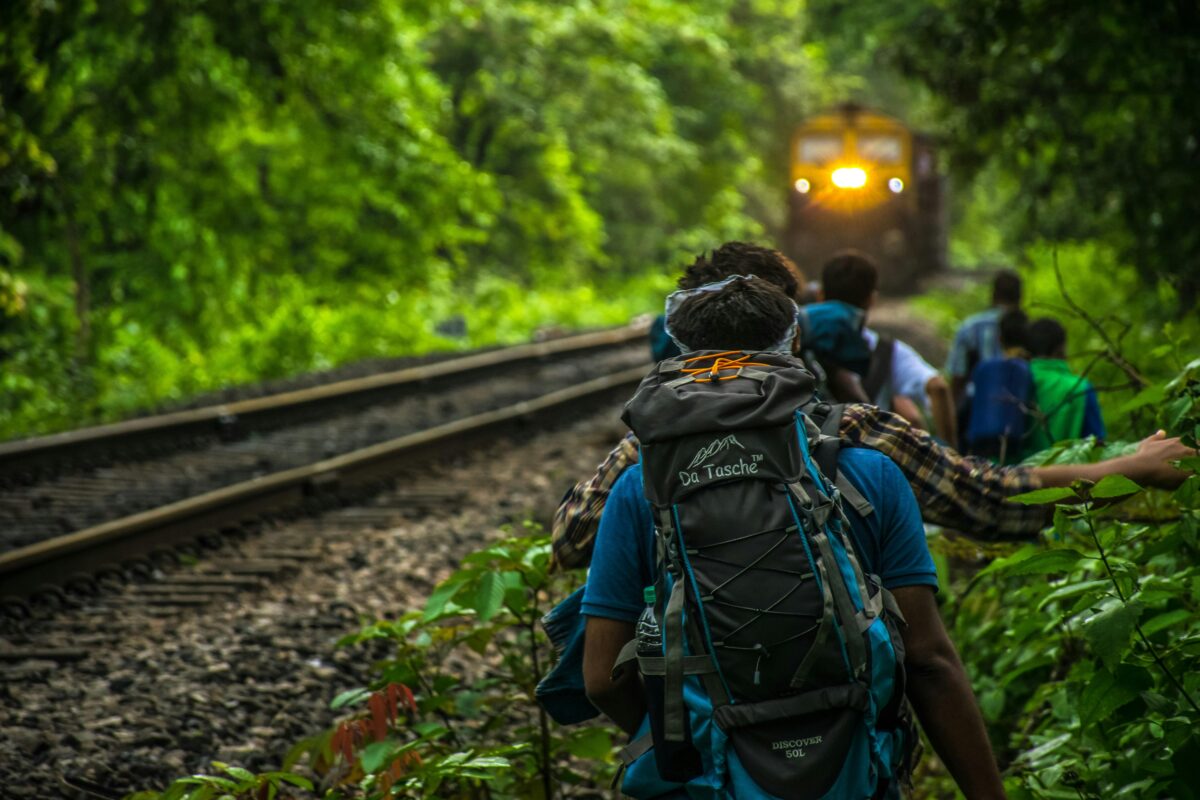
Planning a multi-sport adventure trip? It’s exciting, but let’s be honest—it can feel a bit overwhelming too. You’ll probably hike, paddle, maybe even climb, all in one go. So, how do you actually train for such a mixed bag of activities?
The real trick is to start with a good base of general fitness, then layer in sport-specific skills and endurance as you go. That way, you’re ready for whatever the trip throws at you—without burning out before you even get there.
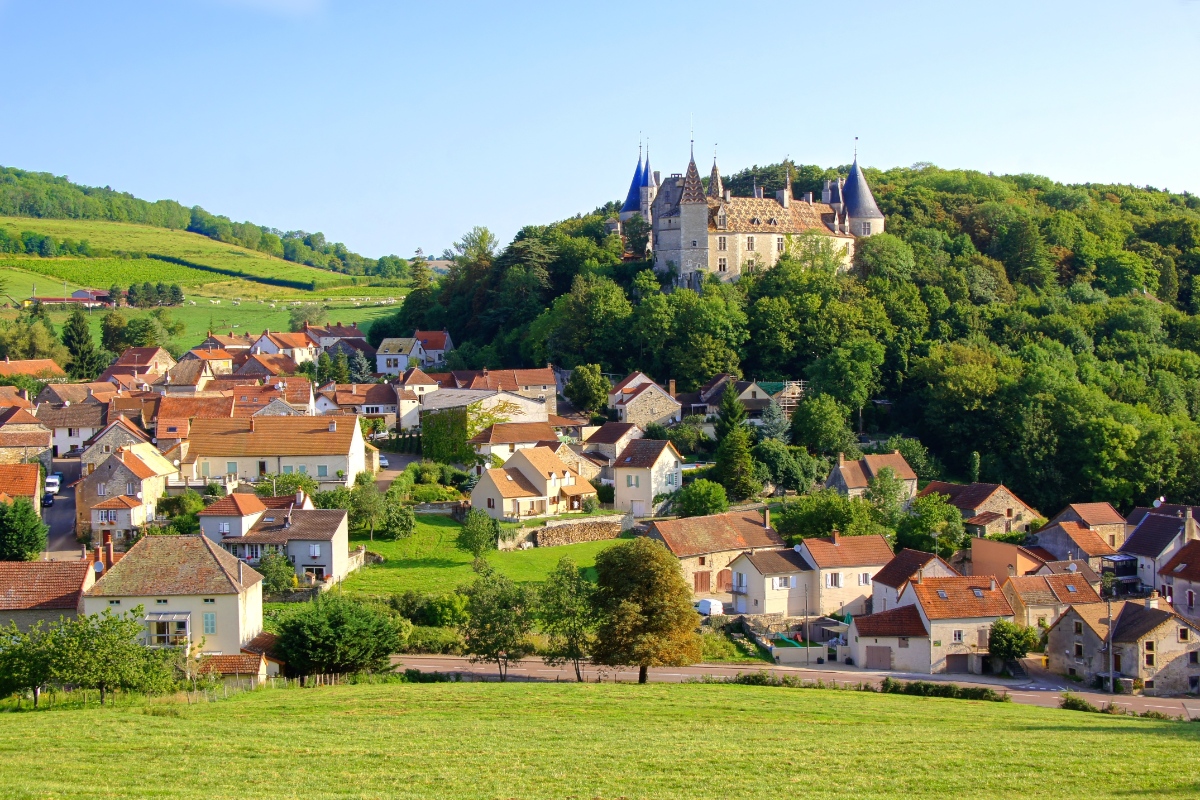
Planning an international trip? Yeah, it can feel overwhelming at first, but honestly, it doesn’t have to be. With a little effort upfront, you’ll dodge most of the common travel headaches and get to focus on the fun stuff. Getting ready for international travel means checking entry requirements, handling your paperwork, and making some safety arrangements before you ever leave home.
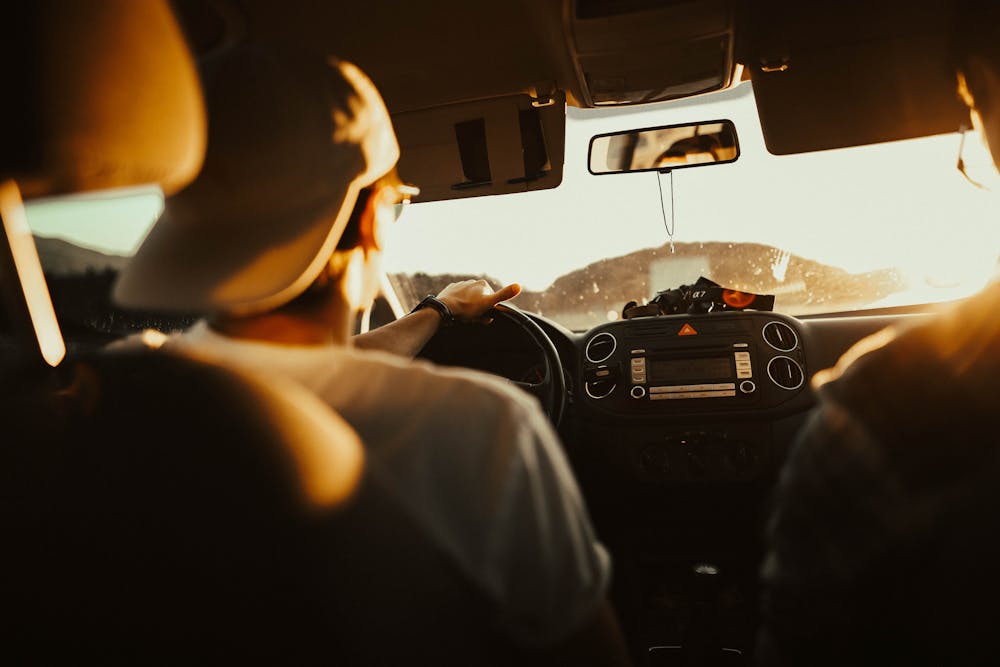
Planning a road trip? It’s fun, sometimes a little overwhelming, but definitely worth it if you put in some prep. Road trips let you explore at your own pace and make memories you’ll talk about for years. All it really takes is a bit of planning before you hit the highway.
Picture this: a sea turtle gliding past you in crystal-clear waters, a tiger emerging through morning mist, or thousands of wildebeest thundering across endless plains. These aren’t just travel moments—they’re life-changing encounters that stay with you forever.
Wildlife tourism is experiencing unprecedented growth in 2025, with the global ecotourism market projected to reach $270.5 billion this year and growing at an impressive 14.31% annually. But here’s what makes today’s wildlife adventures different: travelers now seek experiences that actively protect the animals they’ve come to see.
Planning a European beach vacation in 2025? Smart travelers need to know about new regulations sweeping across coastal destinations. With fines reaching €3,000 for common tourist behaviors, understanding these rules can save your wallet and vacation.
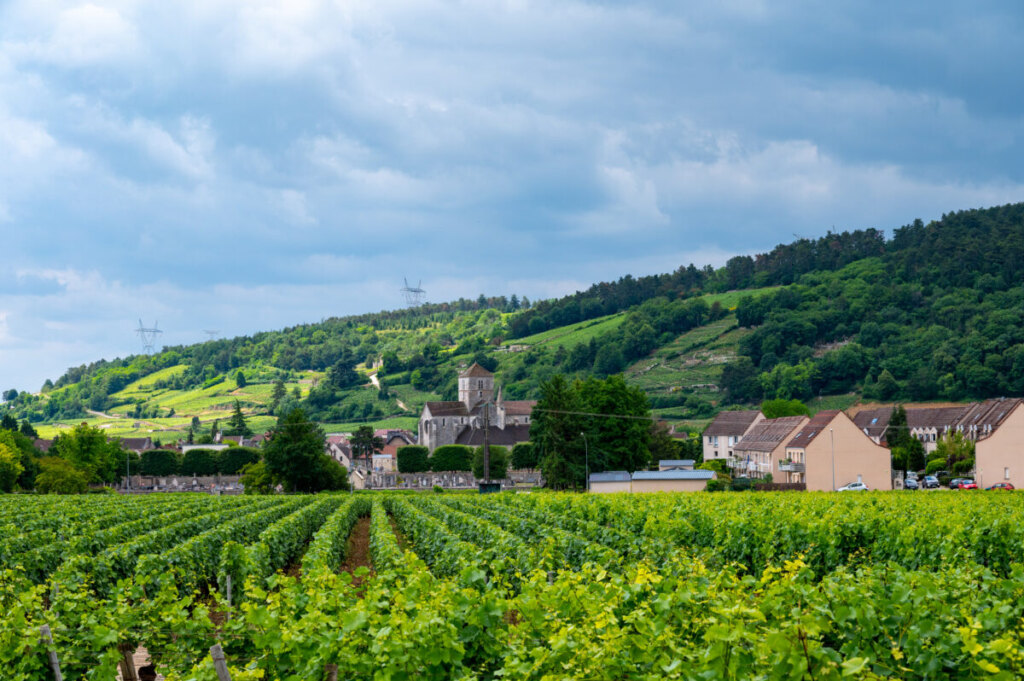
Planning a wine adventure in France? Burgundy stands as the ultimate destination for wine enthusiasts seeking authentic vineyard experiences. This legendary region produces some of the world’s most prestigious wines, and 2025 brings exciting new ways to explore its treasures.
With over 100 wine appellations across 60,000 acres of vineyards, Burgundy offers an extraordinary journey through centuries of winemaking tradition. Recent tourism data shows that 68% of visitors rate their Burgundy wine experiences as “exceptional” – and for good reason. The region seamlessly blends historic charm with modern innovation, creating unforgettable moments for every type of traveler.
Ready to discover what makes Burgundy’s wine tours so special? Here are the seven essential experiences that will transform your 2025 wine journey into an extraordinary adventure.
1. Experience the Legendary Côte de Nuits Wine Route
barmalini / Adobe Stock
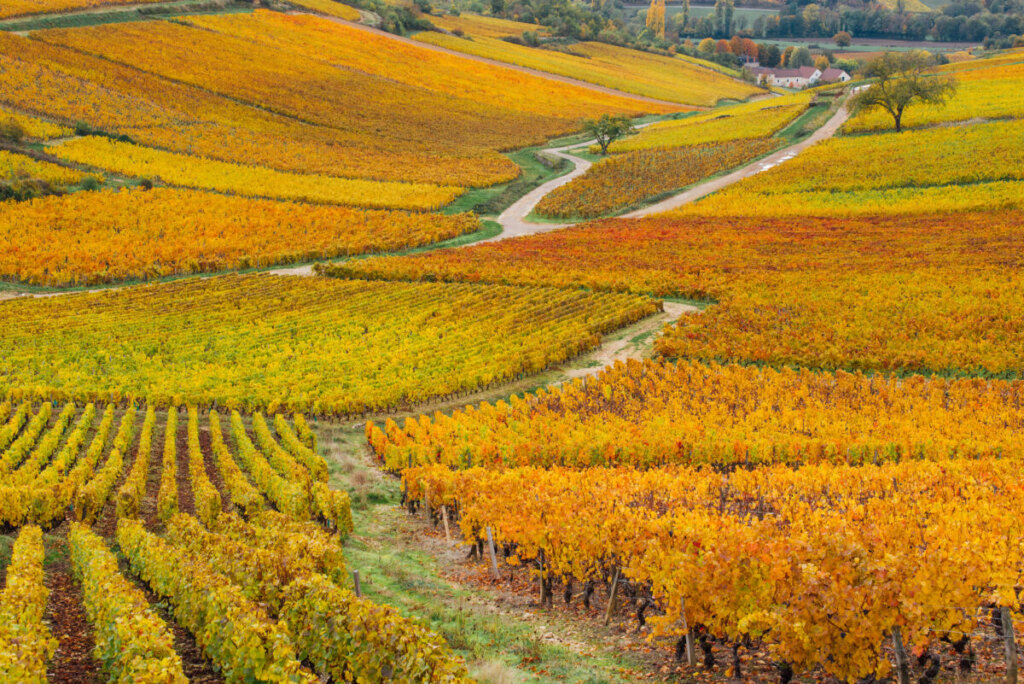
The Côte de Nuits produces 95% of Burgundy’s most prestigious red wines, making it an absolute must-visit destination. This narrow 20-kilometer stretch between Dijon and Nuits-Saint-Georges houses legendary villages like Gevrey-Chambertin and Vosne-Romanée.
What makes this route exceptional in 2025? Electric bike tours have revolutionized the experience, allowing you to effortlessly explore multiple Grand Cru vineyards in a single day. Additionally, many estates now offer immersive virtual reality experiences that showcase their terroir’s evolution across centuries.
Insider tip: Book small-group afternoon tours starting at 2 PM to avoid morning crowds and enjoy golden-hour vineyard photography opportunities.
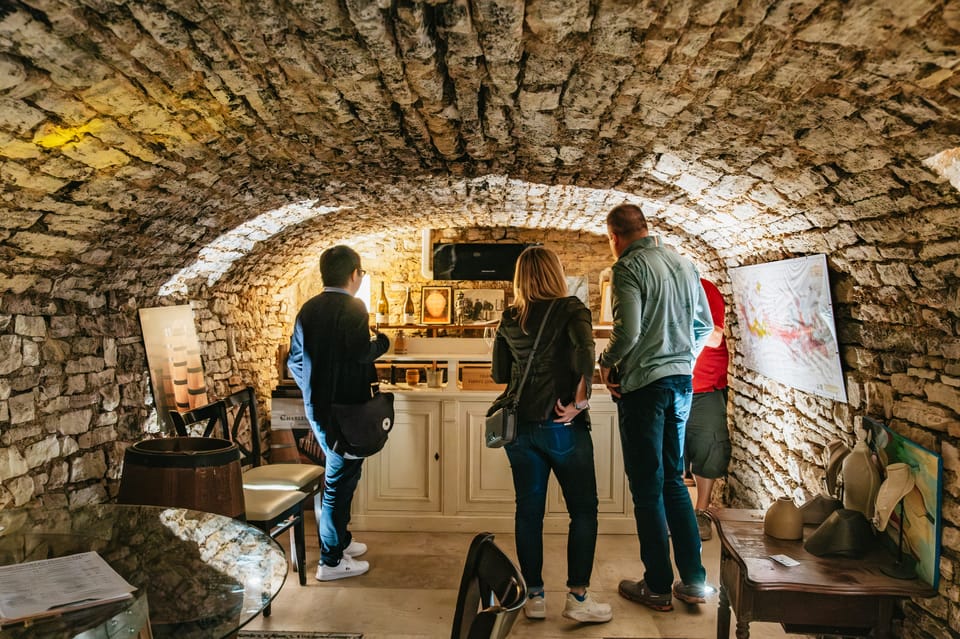
2. Discover Underground Treasures in Historic Wine Cellars
Burgundy’s ancient cellars tell stories dating back to the 12th century when Cistercian monks first mapped the region’s terroir. Today, cellar tours offer exclusive access to these underground treasures where temperatures naturally maintain at 11-13°C year-round.
Many cellars now feature innovative lighting installations that highlight architectural details while preserving the wine’s integrity. During tastings, sommeliers guide you through vertical collections spanning decades, revealing how Burgundy wines evolve over time.
Must-experience cellars in 2025:
Patriarche Père & Fils in Beaune (5 kilometers of galleries)
Caves de l’Orangerie with its UNESCO-listed architecture
Family domains offering intimate 8-person maximum tours
3. Master Wine Appreciation Through Expert-Led Tastings
ClarisseTravel Explore Wine Regions / GetYourGuide
Professional wine education experiences have evolved beyond simple sipping. Modern tastings incorporate sensory workshops where you’ll identify specific aromas using professional aroma kits, understand terroir through soil samples, and even blend your own cuvée.
Leading the trend in 2025 are “blind tasting challenges” where participants guess vineyard locations based solely on taste profiles. These interactive sessions typically last 90-120 minutes and accommodate various expertise levels.
Popular tasting formats:
Morning sessions with fresh palates (10 AM starts)
Food pairing experiences with local cheeses and charcuterie
Comparative tastings across different vintages
4. Explore Chablis and Southern Burgundy’s Hidden Gems
javarman / Adobe Stock
Beyond the famous Côte d’Or, Chablis offers a completely different expression of Chardonnay, shaped by its unique Kimmeridgian limestone soil. The region’s wines showcase distinctive mineral notes that pair perfectly with oysters and seafood.
Southern regions like Mâconnais and Côte Chalonnaise provide exceptional value, producing elegant wines at more accessible price points. Recent investments in these areas have introduced state-of-the-art tasting facilities while maintaining authentic charm.
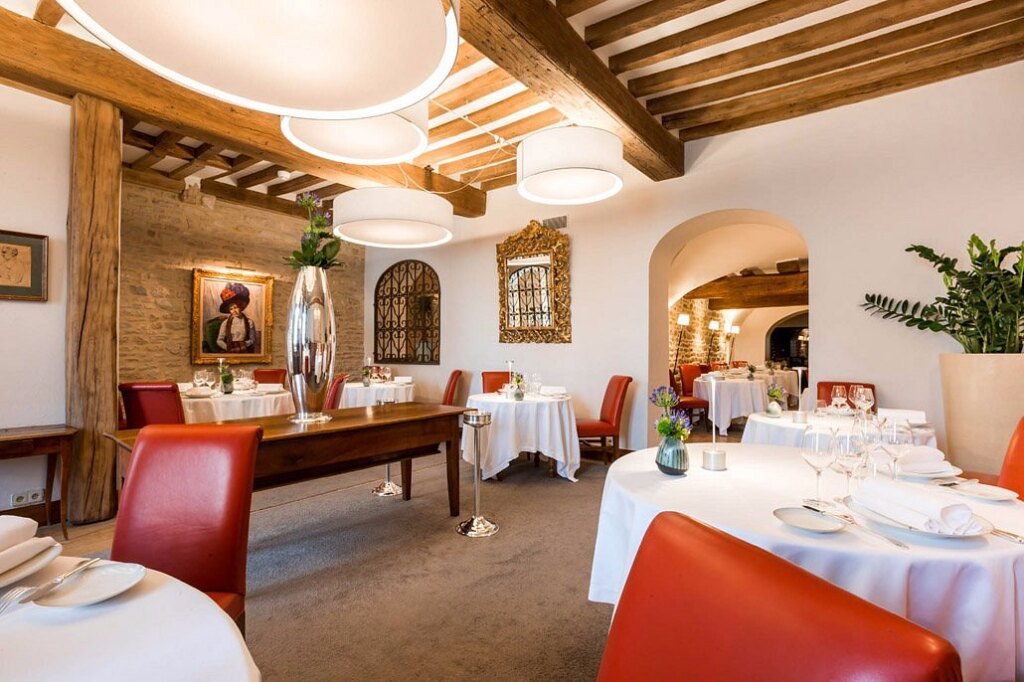
Burgundy boasts 30 Michelin-starred restaurants, creating perfect harmony between regional wines and haute cuisine. Establishments like Maison Lameloise (3 stars) and Le Relais Bernard Loiseau offer tasting menus specifically designed to showcase local wine pairings.
The 2025 trend embraces “wine-first” menu design, where chefs create dishes to complement specific vintages rather than the reverse. Multi-sensory dining experiences now include tableside wine education and meetings with both winemakers and chefs.
Essential culinary experiences:
Traditional Beef Bourguignon paired with aged Pinot Noir
Escargots de Bourgogne with crisp Chablis
Epoisses cheese tastings with local white wines
6. Navigate Burgundy’s Wine Classifications Like a Pro
barmalini / Adobe Stock
Understanding Burgundy’s hierarchy enhances your tasting experience exponentially. The system progresses from regional appellations to the prestigious Grand Cru level, with only 33 Grand Cru vineyards representing 2% of total production.
Interactive digital maps now available at tasting rooms help visualize how subtle differences in elevation and soil composition create distinct wine profiles. Many estates offer “vertical tastings” comparing the same wine across classification levels.
Classification breakdown:
Regional: Entry-level wines labeled “Bourgogne”
Village: From specific communes like “Gevrey-Chambertin”
Premier Cru: Superior vineyard sites (10% of production)
Grand Cru: The pinnacle – only vineyard name on label
7. Plan Your Perfect Burgundy Wine Journey
david / Adobe Stock
Strategic planning transforms a good wine tour into an unforgettable journey. The sweet spot for visiting runs from May through October, with September’s harvest season offering unique behind-the-scenes access to winemaking processes.
Advance booking has become essential, especially for small-production estates limiting visits to 12 guests daily. Platforms like GetYourGuide simplify securing coveted spots at exclusive domains.
Essential planning tips for 2025:
Book accommodations in Beaune for central access to all regions
Mix prestigious estates with family-run domains for variety
Allow recovery time between tastings (maximum 3 per day)
Consider harvest season participation programs (book 6 months ahead)
Frequently Asked Questions
What makes Burgundy wines unique?
Burgundy’s terroir concept, where tiny plot differences create distinct wines, sets it apart globally. The region’s limestone-rich soils, combined with Pinot Noir and Chardonnay grapes, produce wines of exceptional complexity and aging potential.
How much do wine tours typically cost?
Group tours start around €75-150 per person, while private experiences range from €200-500. Premium experiences at Grand Cru estates or with Michelin-starred pairings can exceed €1,000 per person.
Do I need to be a wine expert to enjoy Burgundy?
Absolutely not! Many tours cater specifically to beginners, offering educational tastings that build knowledge progressively. Local guides excel at making complex wine concepts accessible and enjoyable.
What’s the best base for exploring Burgundy?
Beaune serves as the ideal hub, offering central access to major wine regions within 30 minutes. The town provides excellent dining, accommodations, and the famous Hospices de Beaune.
Your Burgundy Wine Adventure Awaits
Burgundy continues to evolve while honoring centuries of winemaking tradition. The 2025 wine tourism landscape offers unprecedented access to exclusive estates, innovative tasting experiences, and sustainable viticulture practices.
Start planning your journey today – secure those coveted tour spots, research the appellations that intrigue you most, and prepare your palate for an extraordinary adventure. After all, every bottle of Burgundy tells a story, and the best stories are experienced firsthand in the vineyards where they begin.
Jackson Hole transforms ordinary vacations into extraordinary adventures. This Wyoming wilderness wonderland delivers experiences that stay with you long after you’ve returned home.
Every year, over 4 million visitors discover why Jackson Hole ranks among America’s top adventure destinations. The secret? A perfect blend of untamed wilderness, world-class activities, and accessibility that makes epic adventures achievable for everyone.
Ready to explore the 12 most incredible tours that showcase Jackson Hole’s magic? Let’s dive into the experiences that transform first-time visitors into lifelong advocates.
1. Wildlife Safari Tours That Bring You Face-to-Face with Nature
DJSDO / Adobe Stock
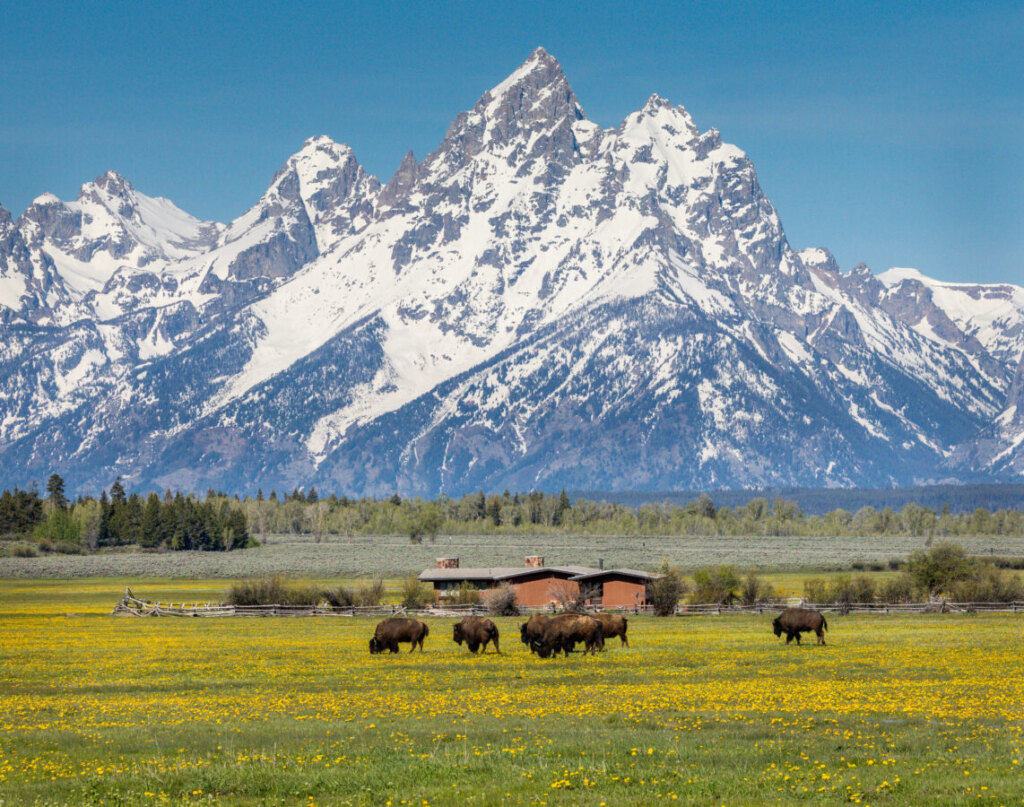
Wildlife safari tours in Jackson Hole deliver encounters you’ll remember forever. Expert naturalist guides lead small groups into the Greater Yellowstone Ecosystem, where 60+ mammal species roam freely.
What makes these tours exceptional:
Dawn and dusk departures maximize wildlife activity (95% higher sighting rates)
Professional spotting scopes and binoculars provided
Groups limited to 8-12 people for intimate experiences
Heated safari-style vehicles with roof hatches for photography
Recent data shows morning tours spot an average of 7-9 different species, including grizzly bears, wolves, moose, and bald eagles. Eco-certified tour operators maintain safe distances while providing incredible viewing opportunities.
2. Snake River Scenic Float Trips for All Ages
Bill / Adobe Stock
Gentle scenic floats on the Snake River offer Jackson Hole’s most accessible adventure. These 3-hour journeys combine relaxation with wildlife viewing, making them perfect for families with young children or anyone seeking a peaceful wilderness experience.
Tour highlights include:
13-mile float through pristine wilderness
Eagle nests, beaver dams, and riverside wildlife
Professional guides sharing local ecology and history
Comfortable high-back seats (no paddling required)
The best part? Children as young as 4 can participate, and the calm waters mean zero whitewater experience needed. Peak season runs May through September, with fall trips offering spectacular foliage views.
Jackson Hole’s whitewater rafting delivers heart-pounding excitement through Snake River Canyon. Professional guides navigate Class II and III rapids with names like “Big Kahuna” and “Lunch Counter” that hint at the thrills ahead.
Choose your adventure level:
8-Mile Standard Trip: 2.5 hours, ages 6+, moderate rapids
16-Mile Full Canyon: 4 hours, ages 12+, intense rapids
Combo Float + Whitewater: Best of both worlds experience
Safety statistics impress: certified guides maintain a 99.8% incident-free record. All equipment provided, including wetsuits for chilly mountain water that averages 55°F even in summer.
4. Grand Teton Photography Tours with Pro Photographers
forcdan / Adobe Stock
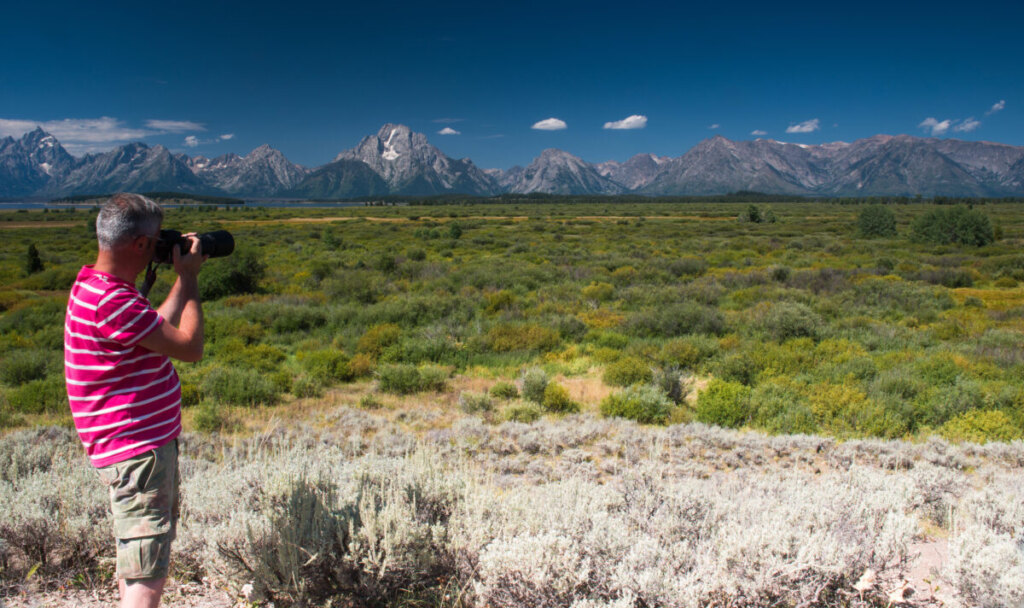
Professional photographers lead specialized tours to Jackson Hole’s most photogenic locations. These small-group experiences (maximum 6 participants) focus on capturing the Tetons’ dramatic beauty during golden hour.
What photographers love:
Access to secret viewpoints unknown to most visitors
Technical guidance for all skill levels
Wildlife photography techniques and ethics
Post-processing tips specific to mountain landscapes
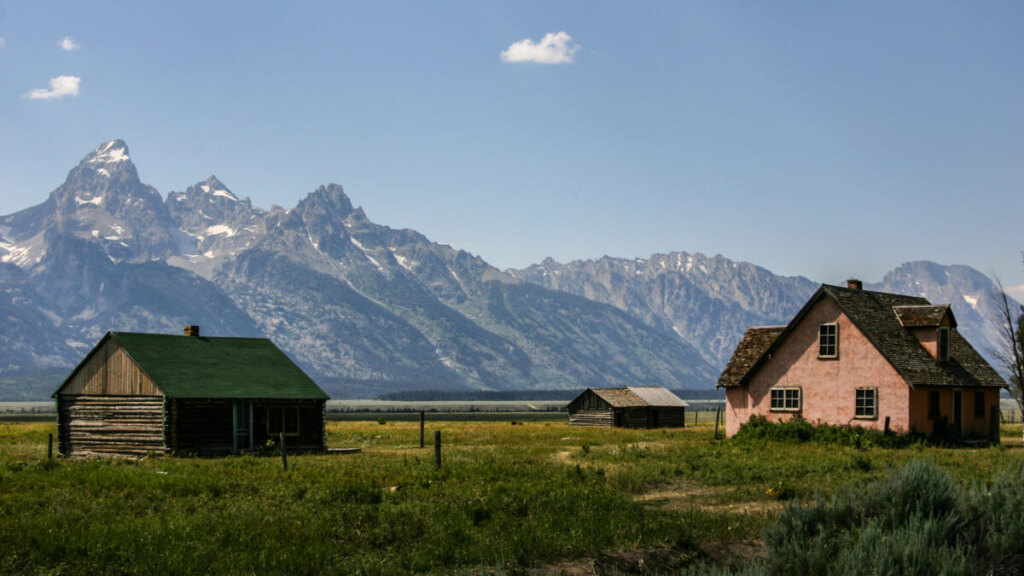
Popular locations include Schwabacher Landing for reflections, Mormon Row for historic barns, and hidden alpine lakes. Tours provide tripods and filters if needed, plus invaluable local knowledge about seasonal light conditions.
5. Yellowstone Day Tours From Jackson Hole
Designpics / Adobe Stock
Full-day Yellowstone tours from Jackson Hole cover 200+ miles of America’s first national park. Expert guides maximize your time, hitting all major attractions while avoiding crowds through strategic timing.
Tours depart at 7 AM and return by 7 PM, including lunch and all park entrance fees. Guides share fascinating stories about the supervolcano beneath your feet and the park’s 150-year conservation history.
6. Horseback Riding Through Bridger-Teton National Forest
Experience Jackson Hole like the original mountain men on guided horseback adventures. Bridger-Teton National Forest offers 3.4 million acres of riding terrain, from gentle meadows to challenging mountain passes.
Trail ride options:
2-Hour Valley Rides: Perfect for beginners, meadow views
Experienced wranglers match horses to rider ability, ensuring comfort and safety. Summer wildflower displays create Instagram-worthy moments, while fall rides showcase golden aspen groves.
7. Jackson Hole Mountain Resort Aerial Tram Experience
Feng / Adobe Stock
The famous “Big Red” aerial tram whisks visitors 4,139 vertical feet in just 12 minutes. At the summit (10,450 feet), panoramic views stretch across three states and two national parks.
Summit activities include:
Corbet’s Cabin waffles (a 50-year tradition)
Via Ferrata climbing routes
Hiking trails for all abilities
Paragliding launch points (certified pilots only)
Pro tip: Book the first tram at 9 AM for smallest crowds and clearest mountain views. The $89 ticket includes unlimited rides all day, perfect for photographers chasing changing light.
8. Winter Wildlife Expeditions by Sleigh
The National Elk Refuge hosts 7,000+ elk each winter, viewable via horse-drawn sleigh rides. These unique tours operate December through April, offering close encounters with North America’s largest elk herd.
Winter wildlife highlights:
45-minute sleigh rides through the refuge
Heated blankets and expert naturalist narration
Trumpeter swans and bighorn sheep sightings
Photography opportunities from elevated sleigh position
Morning tours often witness dramatic bull elk sparring matches. The $35 adult tickets support wildlife conservation, making this an eco-conscious adventure choice.
9. Multi-Day Grand Teton Backpacking Adventures
Danita Delimont / Adobe Stock
Guided backpacking tours unlock Grand Teton’s pristine backcountry. Professional guides handle permits, route planning, and bear safety, letting you focus on the incredible scenery.
All food, camping gear, and permits included. Groups limited to 8 people maintain wilderness solitude. These tours book months in advance for peak summer dates.
10. Sunrise Hot Air Balloon Flights
Hot air balloon tours offer Jackson Hole’s most serene adventure. Floating silently above the valley at sunrise provides perspective impossible from ground level.
The balloon experience includes:
4:30 AM pickup for optimal conditions
60-90 minute flights over Teton Valley
Champagne celebration upon landing
Wildlife viewing from unique aerial perspective
Pilots with 20+ years experience navigate mountain thermals safely. The $375 per person investment delivers once-in-a-lifetime photos and memories.
11. Fly Fishing with Local Experts
Jackson Hole’s blue-ribbon trout streams attract anglers worldwide. Professional guides increase success rates dramatically, especially for Snake River cutthroat trout.
Prime fishing experiences:
Snake River Float Fishing: Drift boats access remote holes
Wade Fishing Smaller Streams: Intimate mountain creek experiences
Private Water Access: Exclusive ranch properties
Winter Fly Fishing: Fewer crowds, hungry trout
Guides provide all gear, including high-end rods and hand-tied flies. Catch-and-release practices ensure sustainable fishing for future generations.
12. Dog Sledding Tours Through Winter Wonderland
Iditarod-trained mushers lead dog sledding adventures through Jackson Hole’s snowy backcountry. These tours combine wildlife viewing with the ancient tradition of dog-powered travel.
Dog sledding details:
Half-day tours cover 10-15 miles
Learn mushing commands and techniques
Meet and greet with 80+ Alaskan huskies
Hot chocolate and snacks at scenic stops
Tours operate December through March, with full-moon trips offering magical nighttime experiences. Warm clothing provided ensures comfort in sub-zero temperatures.
Pack smart essentials: Binoculars, sunscreen, water bottles, and cameras with extra batteries enhance every tour experience.
Making Your Jackson Hole Dreams Reality
Betty Rong / Adobe Stock
Jackson Hole’s tours transform bucket list dreams into cherished memories. Each experience connects you with wilderness in ways that photos and videos simply can’t capture.
Start planning your adventure today. Choose 2-3 must-do tours from this list, book your accommodations, and prepare for experiences that redefine what vacation means.
Remember: The best adventures happen when preparation meets opportunity. Jackson Hole provides endless opportunities—your job is simply showing up ready to embrace them.
Ready to book? Start with these trusted resources:
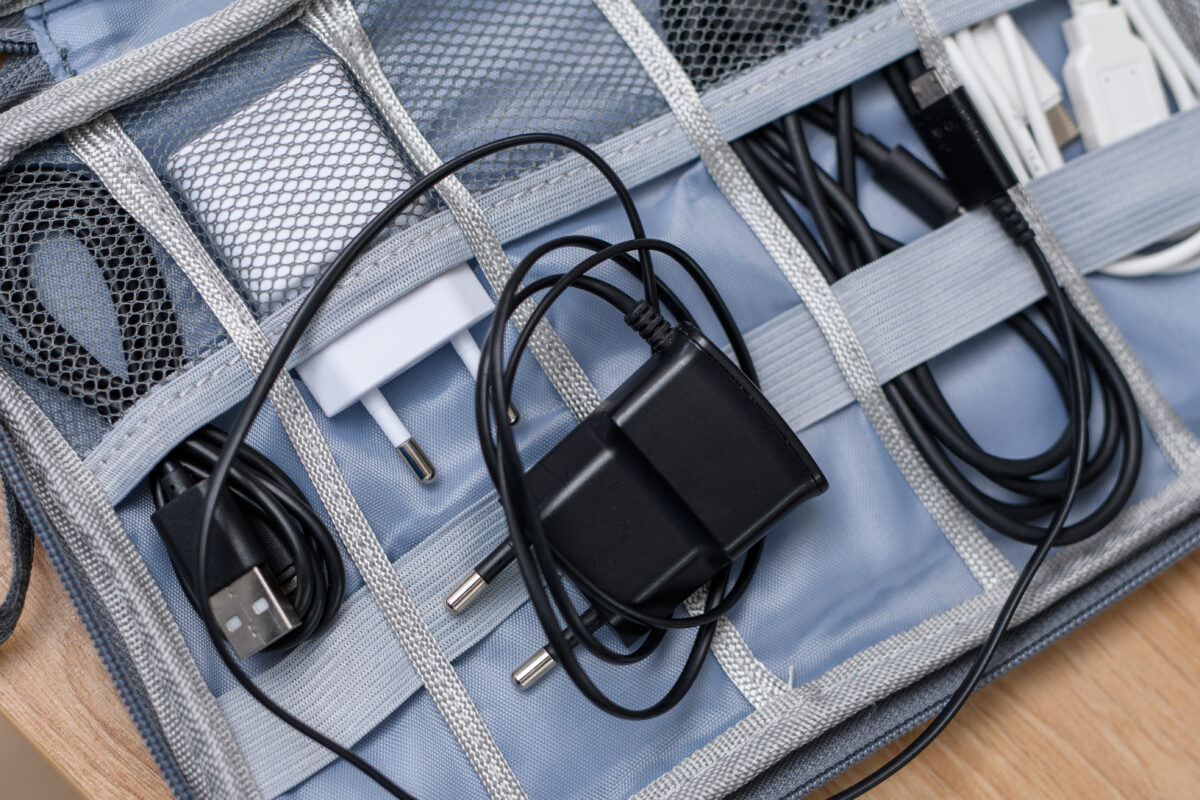
Tangled cables turning your luggage into a tech nightmare? You’re not alone. Modern travelers carry an average of 4-6 electronic devices, each with its own charging cable. Without proper organization, you’ll waste precious vacation time untangling cords instead of exploring new destinations.
The good news? Simple cable management strategies can transform your travel experience. Here are 13 proven methods that frequent flyers and digital nomads swear by.
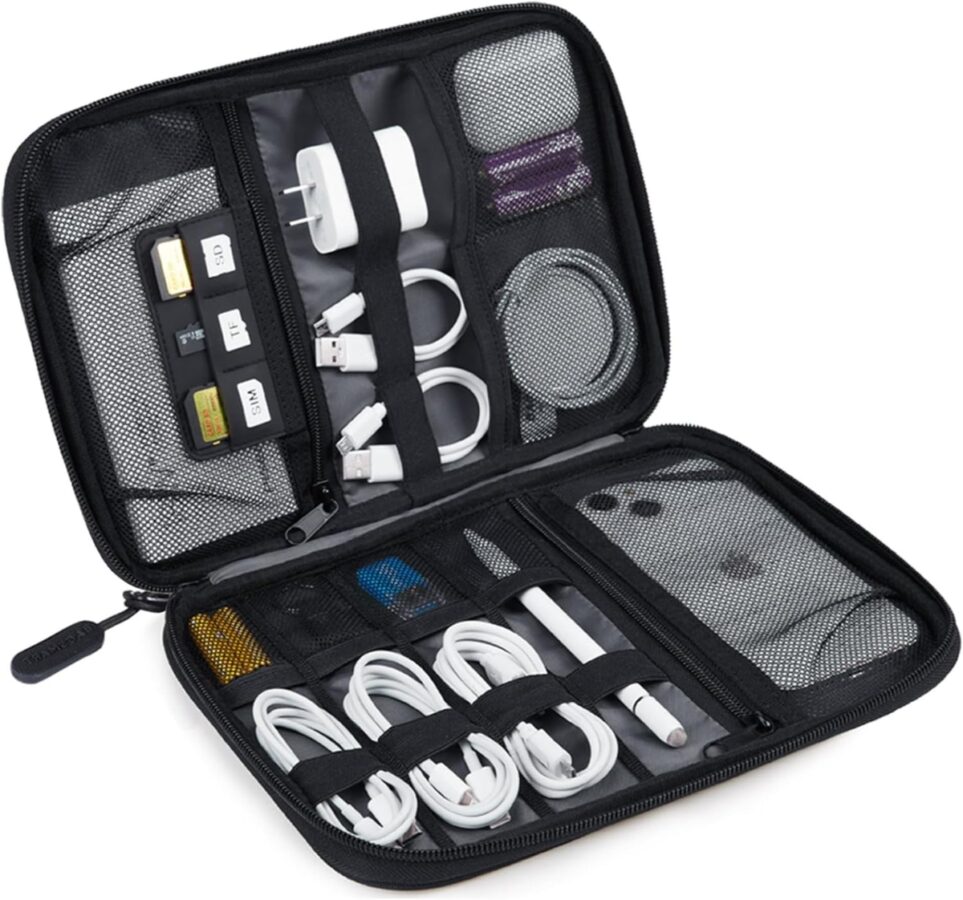
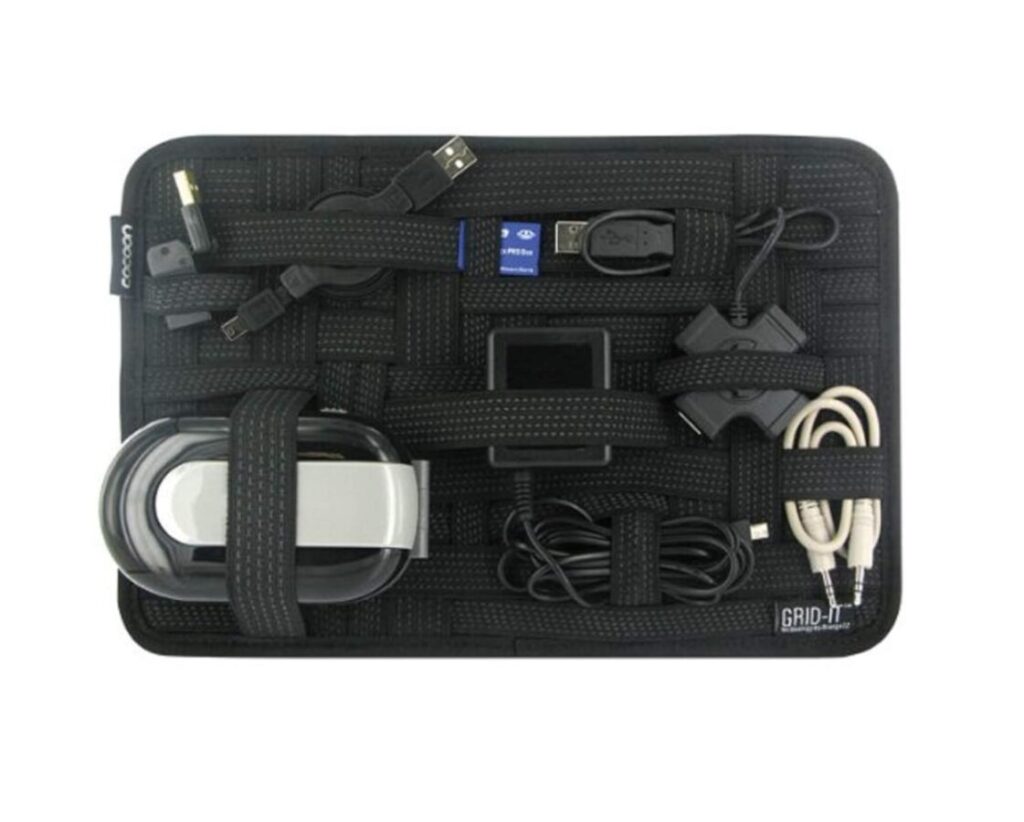
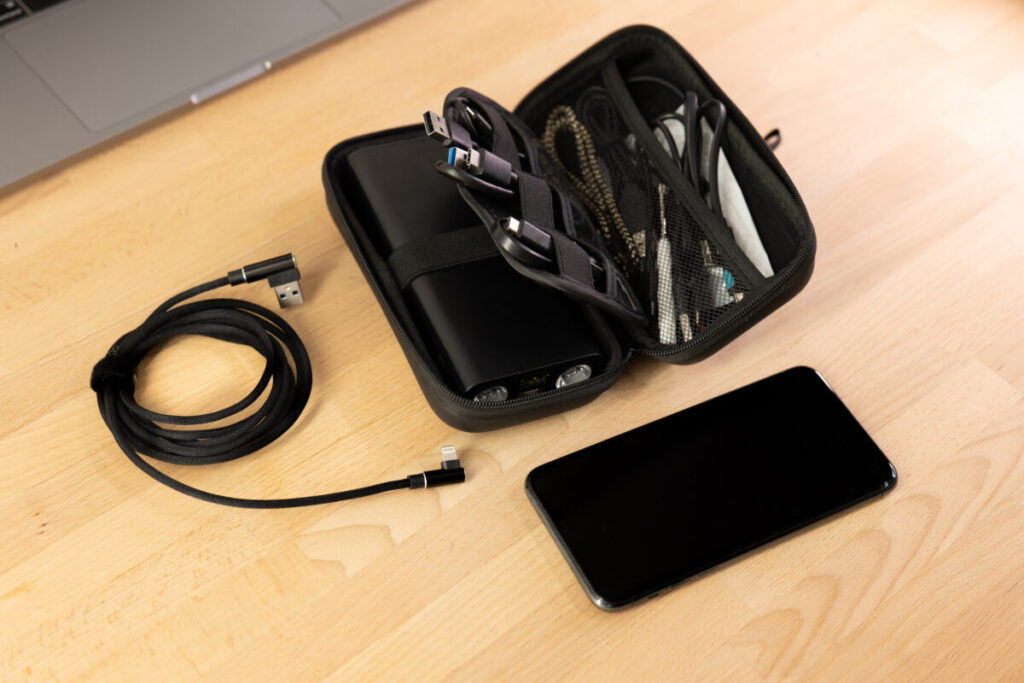
Skip the DIY solutions and grab a purpose-built tech organizer. The best travel cable organizers feature:
Multiple elastic loops for securing cables
Mesh pockets for adapters and small accessories
Padded compartments for protecting devices
Water-resistant materials
Popular options like the Bagsmart Electronics Organizer (consistently rated #1 on Amazon) offer 10+ compartments in a slim profile that fits easily in carry-on bags. At around $13-25, it’s an investment that pays for itself on your first trip.
2. Master the Art of Cable Rolling
健二 中村 / Adobe Stock
Forget the over-under wrap method. For travel, the road-wrap technique works best:
Hold one end of the cable
Create small loops (3-4 inches diameter)
Secure with the cable’s own length
Tuck the end through the final loop
This method prevents kinks and makes cables easy to unroll quickly at security checkpoints.
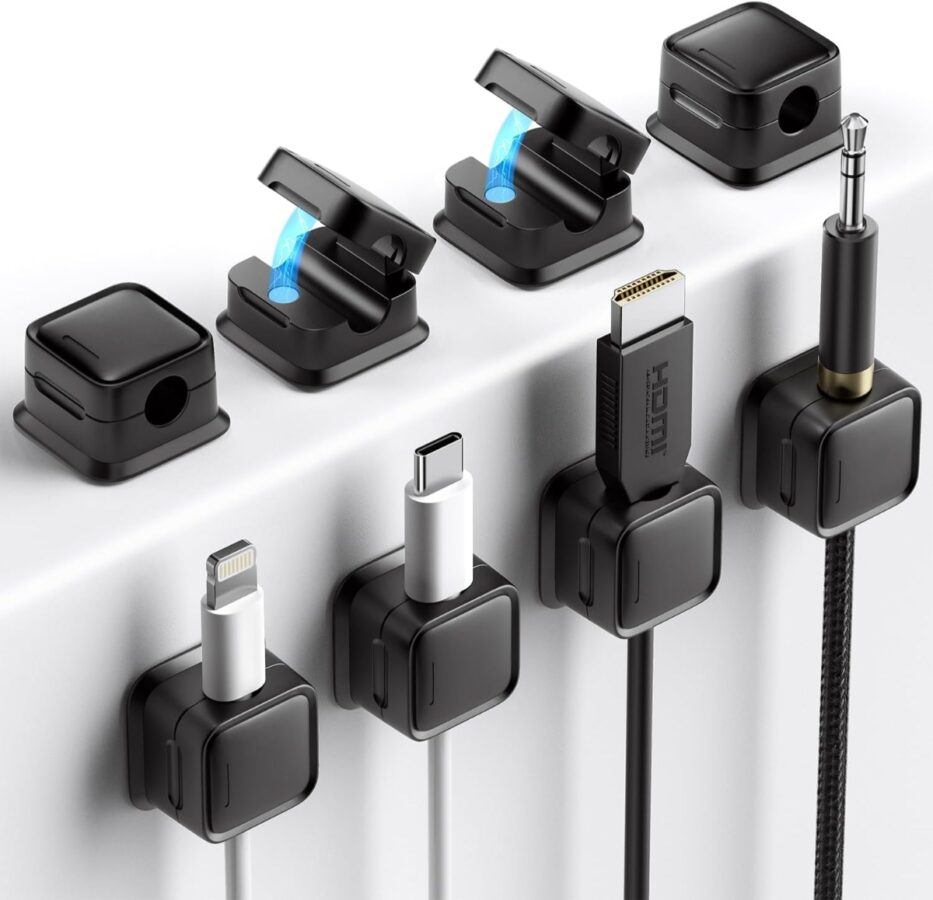
Traditional velcro ties work, but magnetic cable organizers like CLOOP bands offer superior convenience. Their quick-release mechanism means no fumbling when you need to charge devices on the go. Plus, they double as cord holders on metal surfaces like airplane tray tables.
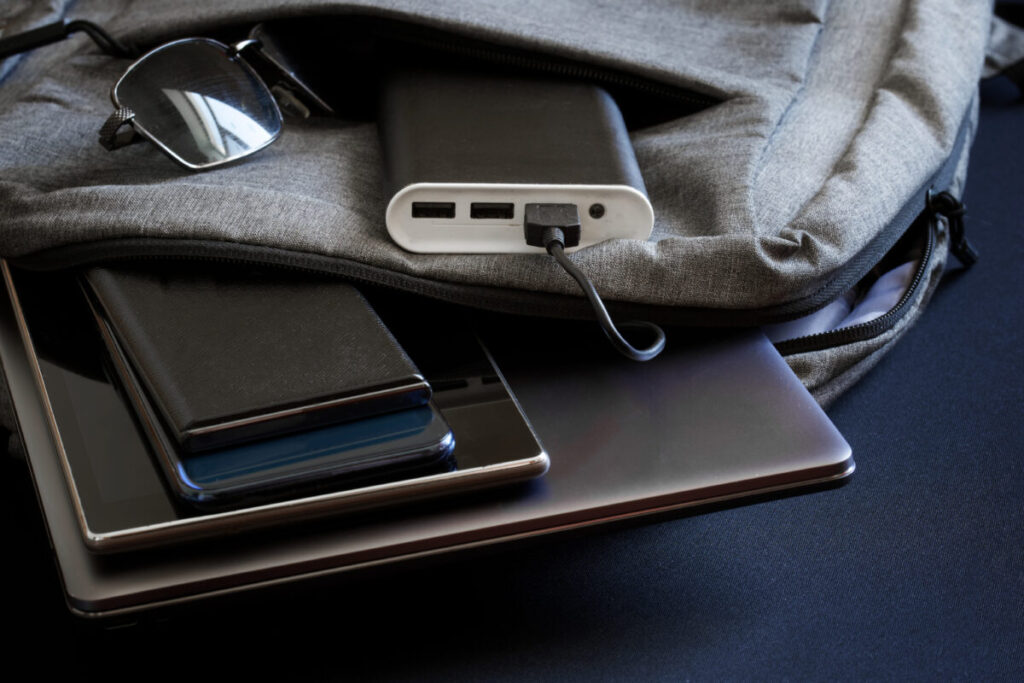
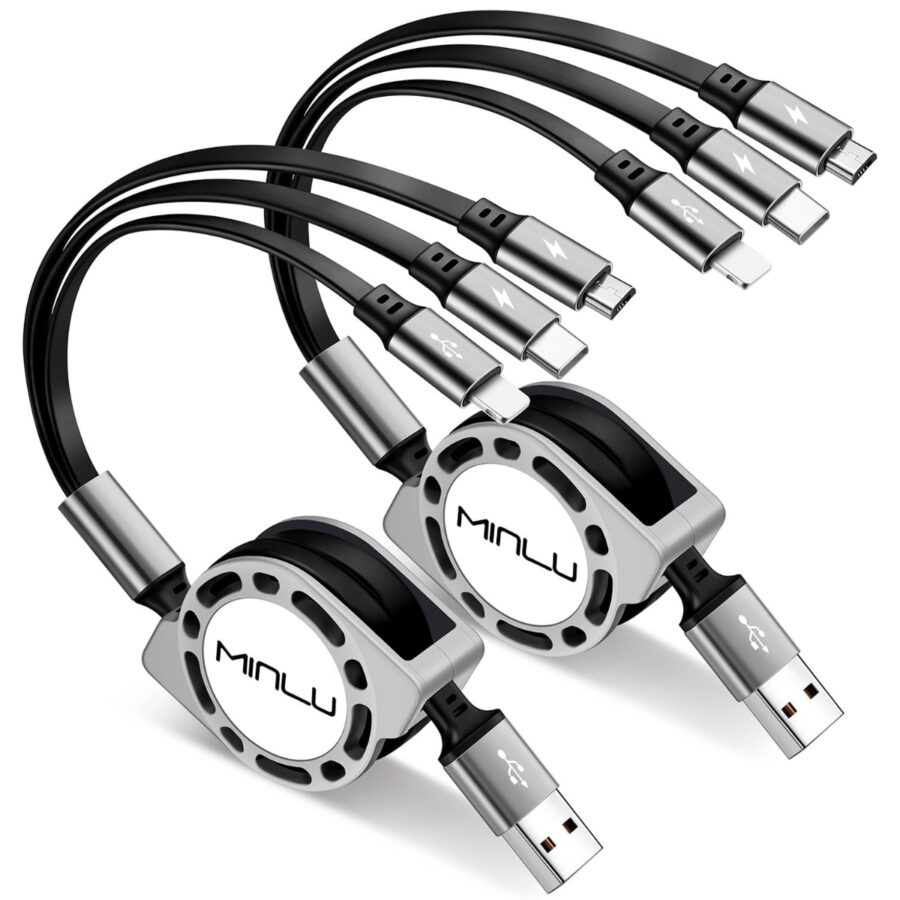
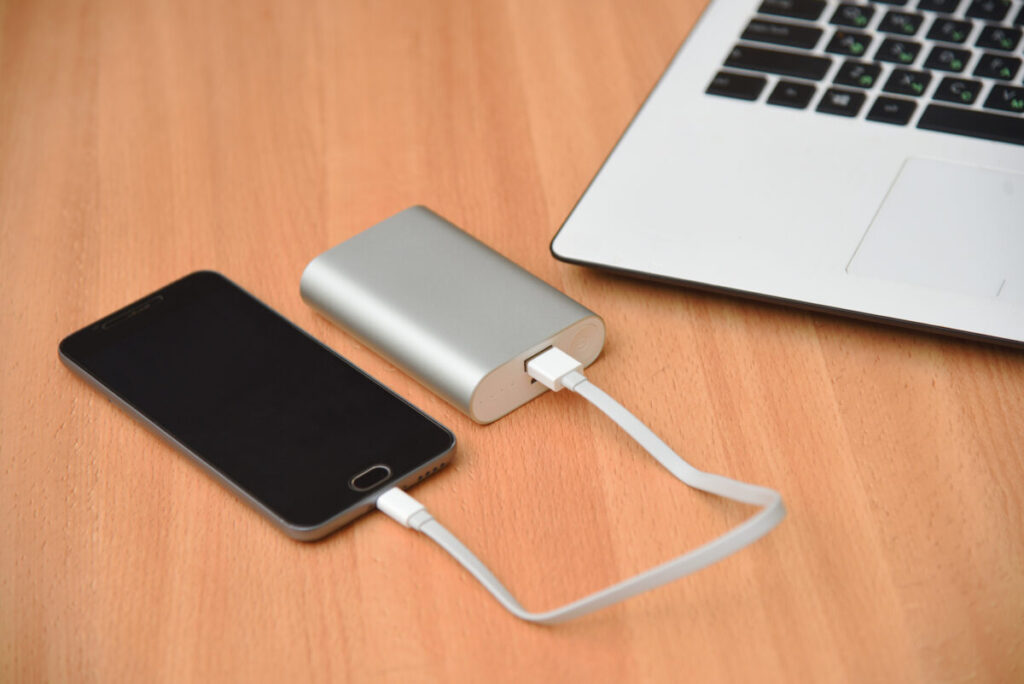
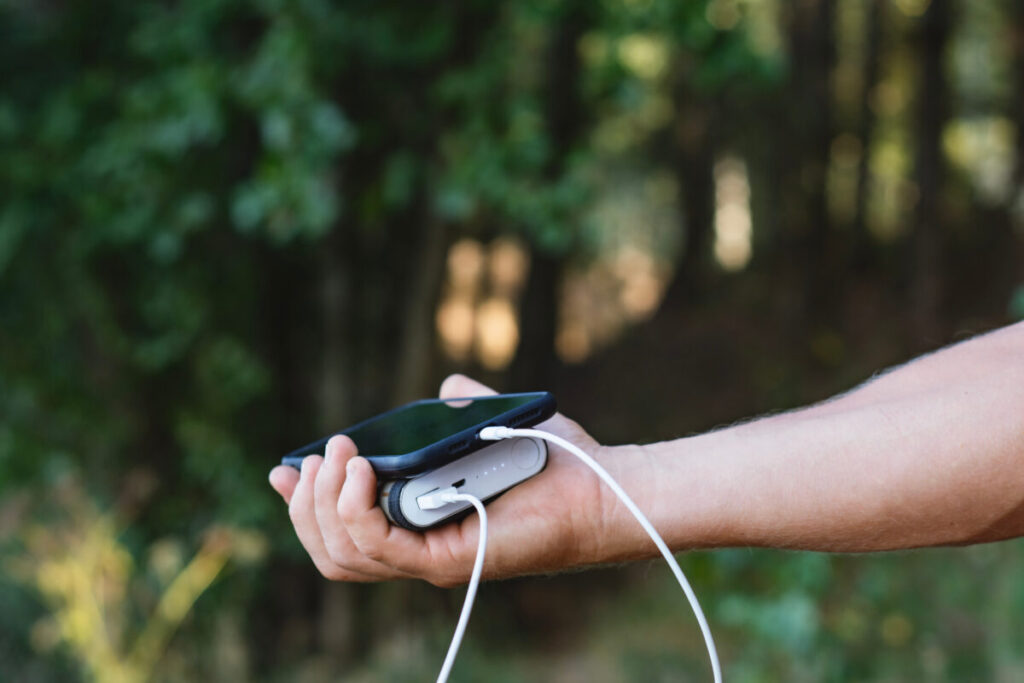
Reduce cable chaos by consolidating chargers. A single 65W GaN charger with multiple USB-C and USB-A ports can replace 3-4 separate adapters. Brands like Anker and RAVPower offer compact options that handle everything from phones to laptops.
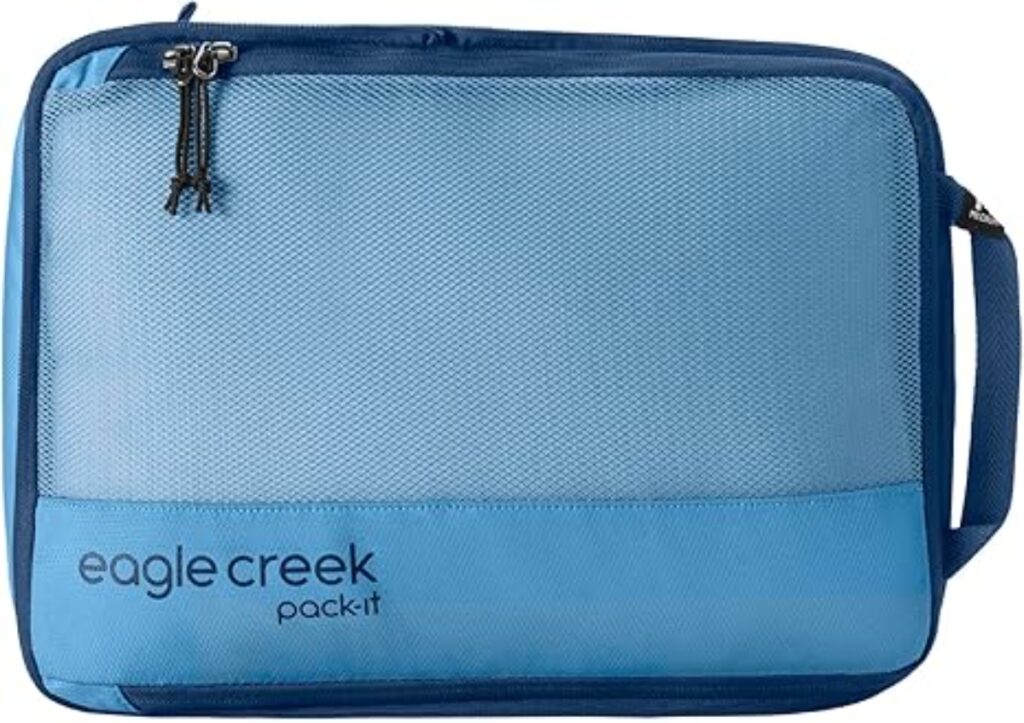
Transparent organizer bags let you see contents instantly—crucial during security screening. The Eagle Creek Pack-It Specterseries offers ultra-light, see-through options that compress flat when empty.
For each device type, pack only one primary cable plus one backup. This prevents the “just in case” overpacking that leads to cable chaos. Store backups separately from daily-use cables.
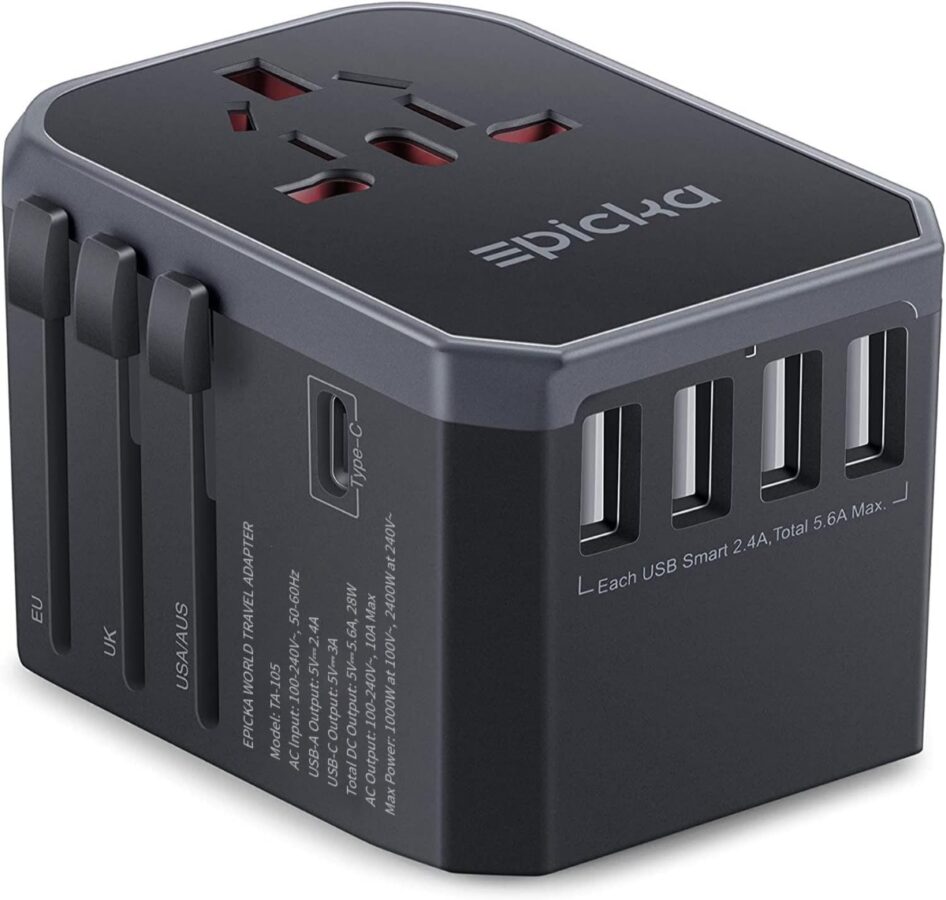
Universal travel adapters with built-in USB ports reduce cable needs significantly. The EPICKA Universal Travel Adapter covers 150+ countries and includes:
4 USB-A ports
1 USB-C port
Universal AC outlet
One device replaces multiple adapters and reduces overall cable requirements.
13. Pre-Charge Everything Before Travel
vadish / Adobe Stock
Start every trip with fully charged devices to minimize immediate cable needs. This strategy:
Reduces airport charging stress
Allows organized packing without last-minute cable searches
Provides buffer time for finding outlets at your destination
Common Cable Organization Mistakes to Avoid
BublikHaus / Adobe Stock
Overpacking cables: The average traveler brings 40% more cables than needed. Audit your tech before each trip.
Effective cable management isn’t about perfection—it’s about creating systems that work for your travel style. Start with one or two techniques from this list and build from there. Your future self will thank you when you’re breezing through security or quickly setting up your mobile office in a new city.
Remember: every minute saved untangling cables is another minute exploring, working, or relaxing at your destination. Small organizational investments yield huge returns in travel satisfaction.
Ready to upgrade your cable game? Start with a quality organizer case and the right cable lengths. These two changes alone will transform how you travel with tech.
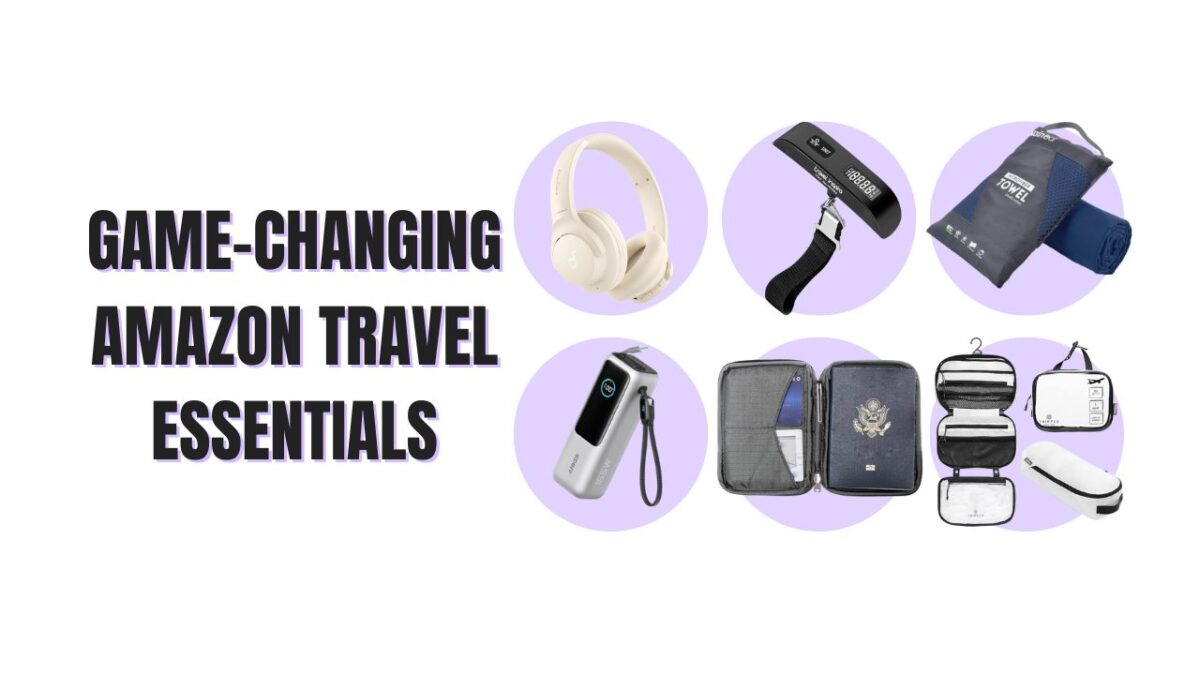
Travel gear can make or break your trip. After analyzing thousands of traveler reviews and testing countless products across 22 countries, I’ve discovered the Amazon essentials that consistently transform chaotic journeys into smooth adventures.
These aren’t just random gadgets—they’re the battle-tested tools that experienced travelers reach for again and again. In fact, 47% of frequent fliers report these items significantly improved their travel experience in 2025.
Why These Travel Essentials Matter Now
Shi / Adobe Stock
Recent travel statistics reveal some compelling insights:
3,000+ travelers purchased action cameras last month alone
42% of travelers experience packing stress without proper organization
70% of airlines now offer real-time baggage tracking
36% of travelers have paid overweight baggage fees
Let’s dive into the essentials that solve these common travel pain points.
1. Revolutionary Packing Cubes That Save 60% Space
Forget the days of suitcase chaos. Modern compression packing cubes have become the unsung heroes of efficient travel, allowing you to fit twice as much in your carry-on while keeping everything organized.
Key Benefits:
Compress clothes by up to 60%
Color-code for instant organization
Separate clean from dirty clothes
Find items in seconds, not minutes
Pro Strategy: Use different colored cubes for different clothing categories. Blue for tops, red for bottoms, green for undergarments. This system has saved me countless minutes during hotel transfers.
2. The Universal Travel Adapter That Powers 150+ Countries
With 15 different electrical outlet types worldwide, a quality universal adapter isn’t optional—it’s essential. Today’s best models go beyond basic connectivity.
The right gear transforms travel from stressful to seamless. These 21 essentials address real problems with proven solutions, backed by thousands of traveler experiences.
Start with the basics—packing cubes, universal adapter, and portable charger—then build your kit based on your travel style. Remember: the best travel essential is the one that solves your specific pain points.
Action Steps:
Identify your top 3 travel frustrations
Match them with solutions from this list
Test gear on shorter trips first
Refine your kit based on experience
Ready to revolutionize your travel experience? Start building your essential kit today and join the 47% of travelers who’ve discovered the secret to stress-free adventures.
Have a game-changing travel essential we missed? Share your discoveries and help fellow adventurers travel smarter!
Ernest Hemingway fell in love with Spain, and that passion shaped some of his greatest works. The country, in turn, still feels his influence today. Whether he was wandering Madrid’s busy streets or trekking the scenic Camino de Santiago, Hemingway dove headfirst into Spanish life, soaking up inspiration from its landscapes, people, and traditions.
If you follow Hemingway’s footsteps across Spain, you’ll see the country with fresh eyes—through the lens of one of literature’s true originals.