
Picture yourself strolling hand-in-hand through cobblestone streets, sharing a candlelit dinner overlooking twinkling city lights, or watching the sunset from a secluded beach. The world’s most romantic cities offer these magical moments and more for couples seeking unforgettable getaways.
(more…)Blog
-

Budget-Friendly Paradise: 12 Affordable Beach Getaways in Southeast Asia
Looking for a beach getaway that won’t break the bank? Southeast Asia has you covered. This part of the world has stunning beaches and affordable places to stay.
(more…) -

10 Hidden Gem Destinations You Must Visit Before They Become Mainstream
Get ready to discover some of the world’s best-kept travel secrets! Hidden gem destinations offer a chance to escape the crowds and experience something truly special. Whether you’re looking for untouched nature, charming villages, or secluded beaches, there’s a hidden paradise waiting for you.
(more…) -

Urban Adventure on a Budget: 10 Affordable US City Breaks
Looking for a fun getaway that won’t break the bank? The USA has tons of cool cities perfect for budget-friendly trips. You can find affordable adventures in places like Oklahoma City, San Antonio, and New Orleans without emptying your wallet.
(more…) -

Traveling with Pets: Best Practices and Pet-Friendly Destinations
Thinking about taking your furry friend on your next adventure? Traveling with pets can be a blast, but it takes some planning. You must pack the right gear, find pet-friendly spots, and keep your buddy comfy. Don’t worry – with some prep, you and your pet can have an awesome trip together!
(more…) -
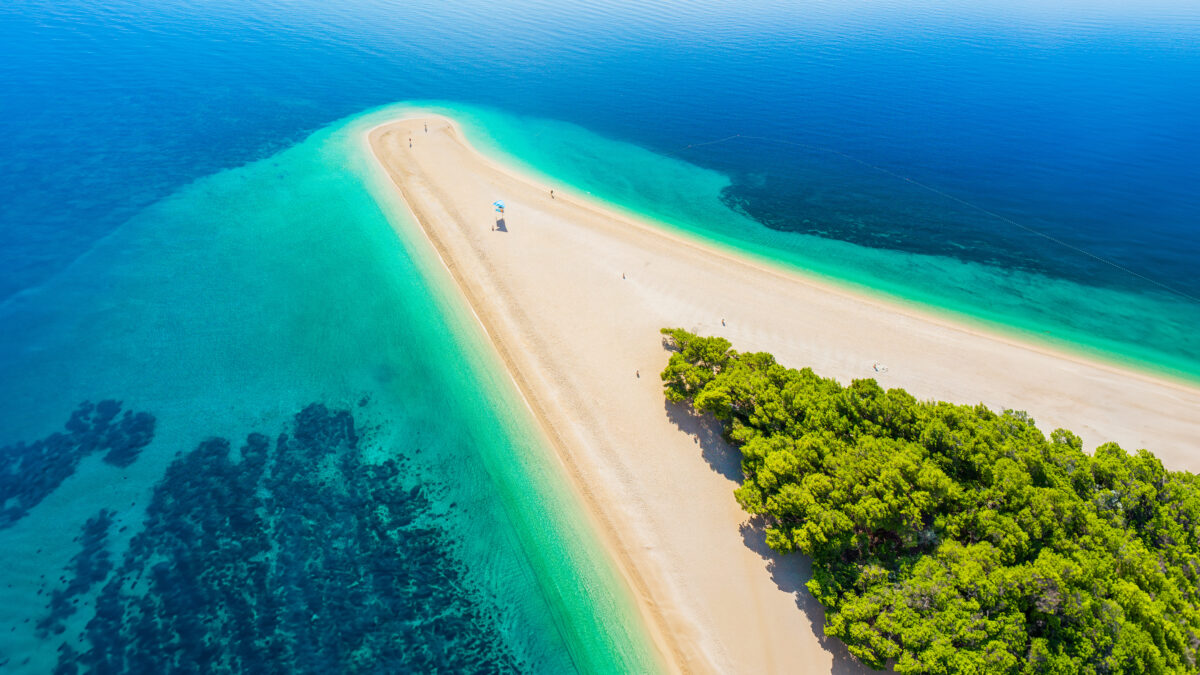
15 Stunning European Beaches You Must Visit
Dreaming of sun-soaked beaches and crystal-clear waters? Europe’s coastlines are calling your name! From hidden coves in Italy to dramatic cliffs in Ireland, the continent boasts some of the world’s most stunning seaside spots.
(more…) -
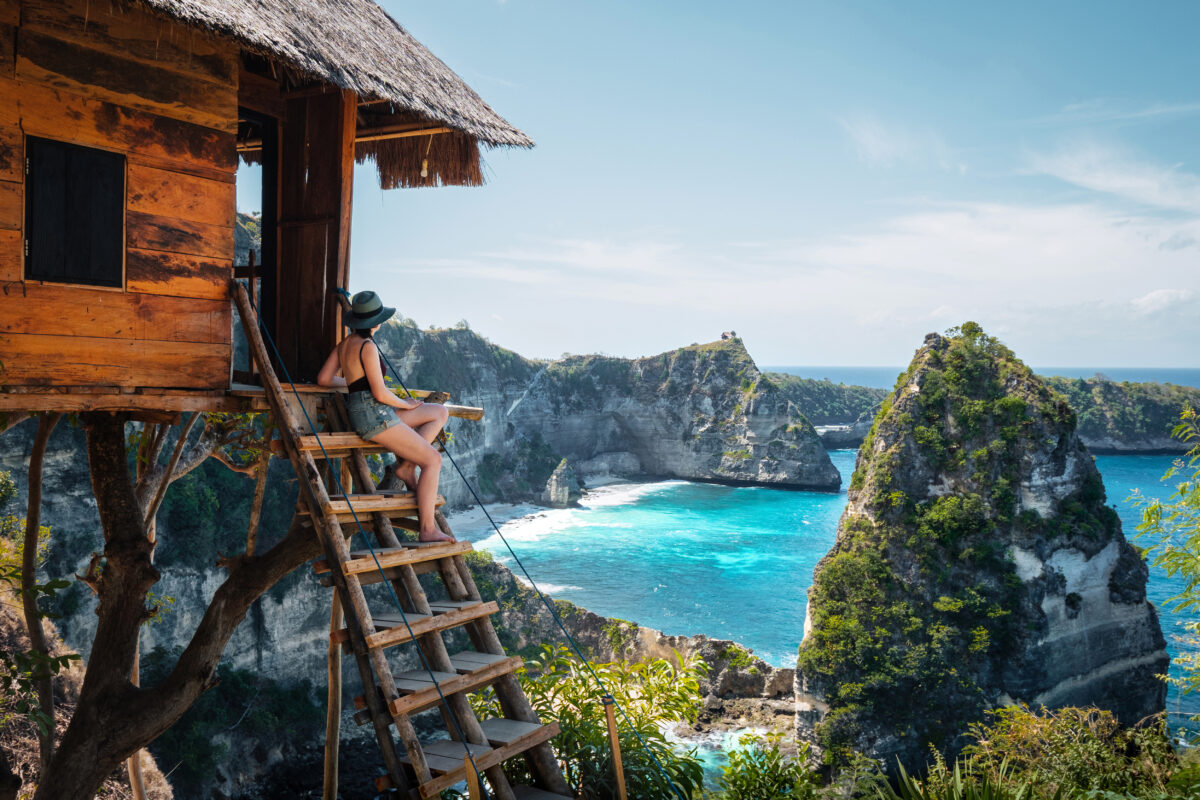
How the Rise of Remote Work is Changing Travel This Year and Beyond
Remote work is changing how we travel. More people are taking their jobs on the road, blending work and exploration in new ways. How this shift reshapes business trips and vacation habits might surprise you.
Remote work creates a new type of traveler – the “anywhere worker.” These folks aren’t tied to an office and can do their jobs from almost anywhere.
They’re shaking up traditional travel patterns. Instead of quick weekend getaways, you might see more people taking longer trips or working from exciting destinations.
This trend is good news if you love to travel. It opens up fresh options for seeing the world while still earning a paycheck.
Popular spots for digital nomads include nice weather, fast internet, and lower living costs. Think Bali, Lisbon, or Costa Rica. You could join this growing group of location-flexible workers with the right planning.
The Digital Nomad Movement: A Global Phenomenon

olezzo / Adobe Stock You’ve probably heard about digital nomads – those free-spirited folks who work remotely while globetrotting. It’s not just a fad anymore. This lifestyle has exploded in popularity, especially since 2020.
Did you know that 47% of digital nomads are in their 30s? That’s right, it’s not just for fresh-faced twenty-somethings anymore. People from all walks of life are embracing this new way of working and living.
Here’s a quick breakdown of American digital nomads by ethnicity:
- 76% White
- 18% African-American
- 8% Hispanic
- 4% Asian
- 3% Other
But it’s not just Americans hitting the road. People from all over the world are joining the movement. You’ll find digital nomads in popular spots like Bali, Chiang Mai, and Lisbon.
Want to join their ranks? You’ll need some essential tools:
- Reliable laptop
- Noise-canceling headphones
- VPN for secure internet access
- Project management apps (like Trello or Asana)
- Video conferencing software (Zoom, anyone?)
Remember, being a digital nomad isn’t all sunshine and exotic beaches. It takes planning, discipline, and adaptability. But if you’re up for the challenge, seeing the world while building your career can be incredibly rewarding.
See Related: How to Quit Your Job and Travel the World Without Spending a Dime
Top Destinations for Remote Workers in 2024

JFL Photography / Adobe Stock Get ready to pack your bags and fire up your laptop! 2024 is shaping up to be an exciting year for remote workers looking to explore new horizons. Here are some of the best spots to set up your mobile office:
Tucson, Arizona, is making waves with its Remote Tucson program. You could snag up to $7,500 in relocation costs and housing support. Plus, the cost of living is 8% below the US average. Not bad for endless sunshine and stunning desert views!
Fancy a Mediterranean escape? Cyprus might be calling your name.
With its perfect blend of ancient history and modern amenities, you’ll work from seaside cafes in no time. The low crime rate and solid infrastructure are just icing on the cake.
For a taste of European charm, consider Lisbon or Berlin. These cities offer a perfect mix of culture, affordability, and digital connectivity. Imagine wrapping up your workday with a stroll through cobblestone streets or visiting world-class museums.
Looking further east? Bali and Chiang Mai remain top picks for digital nomads. Picture yourself attending Zoom calls from a beachfront villa or a cozy mountain cafe.
Don’t forget about Latin America! Medellín and Mexico City are emerging as hotspots for remote workers. You’ll find vibrant communities, lower costs of living, and plenty of opportunities to practice your Spanish between tasks.
Essential Tools for Working Remotely

Armando Oliveira / Adobe Stock A reliable laptop is your best friend when working remotely. The Apple MacBook Air 15-inch with M3 chip is a top choice for 2024. It’s lightweight and powerful, perfect for answering emails on planes or tackling big projects from cafes.
Video conferencing is crucial for staying connected. Zoom remains popular, but Microsoft Teams is gaining ground. It combines video calls, messaging, and file sharing in one app.
You’ll need a way to manage your tasks and projects. ClickUp is an all-in-one platform that’s great for remote teams. It helps you assign tasks, track time, and collaborate on projects.
Cloud storage is a must for accessing your files from anywhere. Consider options like Google Drive or Dropbox. They make it easy to share and work on documents together in real-time.
A good pair of noise-canceling headphones can be a lifesaver. They help you focus in noisy environments and improve audio quality during calls.
Don’t forget about cybersecurity. A reliable VPN keeps your data safe when using public Wi-Fi. It’s essential to protect sensitive work information while you travel.
Lastly, a portable charger or power bank ensures your devices stay powered up on the go. You don’t want to miss an important call because your phone has died!
See Related: The Future of Eco-Friendly Travel
The Economic Impact of Remote Work on Local Economies

Daniel Ferryanto / Adobe Stock Remote work is shaking things up for cities and towns across the country. As more people work from home, money that used to be spent in big city centers is moving to smaller communities.
This shift is changing where people shop, eat, and live. Some cafes and stores in major downtowns are losing customers. However, local shops in residential areas are seeing more business.
The housing market is feeling it, too. Home prices in some suburbs and rural areas have gone up. People want more space for home offices, and city apartments aren’t as popular now.
Public transit is suffering in some places. Fewer commuters mean less money from fares. However, road traffic in some residential areas has increased.
Here’s a quick look at some key impacts:
- Retail spending: About £3 billion moving from big cities to smaller areas yearly
- Remote work increase: Up from 5.6% in 2019 to 17.9% in 2021 nationwide
- High remote work areas: 13.7% of people live where over 25% work remotely
These changes aren’t the same everywhere. Some regions are seeing bigger impacts than others. It’s creating new opportunities for some areas while challenging others.
For you as a traveler, this might mean new interesting spots to visit. Small towns with growing remote work populations could offer unique experiences. You might find cool new cafes or coworking spaces popping up in unexpected places.
Balancing Work and Exploration: Tips for Digital Nomads

daliu / Adobe Stock As a digital nomad, you dream of working while traveling. But it’s not all sipping coconuts on the beach. You need to find a good balance between your job and exploring new places.
Set up a routine that works for you. Maybe you’re a morning person who likes to knock out tasks before lunch.
Or perhaps you’re more productive in the evening. Figure out your best working hours and stick to them.
Choose your destinations wisely. Look for places with reliable internet and coworking spaces. Portugal is becoming a hotspot for digital nomads, with cities like Lisbon and Porto offering fast Wi-Fi and affordable living costs.
Pack smart. Bring gear that helps you work efficiently on the go. A good laptop, noise-canceling headphones, and a portable charger are must-haves.
Make time for exploration. Schedule your work around local activities and events. This way, you won’t miss out on unique experiences in your temporary home.
Connect with other nomads. Join online communities or local meetups to share tips and make friends. Having a support network can make your journey much more enjoyable.
Remember to take care of yourself. It’s easy to burn out when you’re constantly on the move. Eat well, exercise, and get enough sleep.
By following these tips, you’ll be able to enjoy the best of both worlds – a fulfilling career and exciting adventures around the globe.
See Related: Sustainable Travel: Eco-Friendly Destinations You Must Visit
Future Trends: What’s Next For Remote Work Travel?

tawatchai1990/ Adobe Stock Get ready for some exciting changes in remote work travel! As more companies embrace flexible work, you’ll see new opportunities to blend work and adventure.
Digital nomad visas are on the rise. Countries like Portugal, Croatia, and Costa Rica now offer special visas for remote workers. This means you can stay longer and explore deeper while earning an income.
Co-living spaces are booming, too. These shared living arrangements let you connect with other remote workers worldwide. They are popping up in beach towns, mountain villages, and bustling cities.
Tech is making remote work even easier. Fast 5G networks and satellite internet are expanding to more places. This means you can work reliably from almost anywhere – even that secluded beach you’ve been dreaming about!
Workations are becoming more popular. These are trips where you mix work and vacation time. Companies are starting to offer workation stipends to encourage employees to travel and recharge.
Here are some top destinations to watch:
Remember to pack your laptop and have a sense of adventure. The world is becoming your office!
-

The Essentials of Slow Travel: Embracing Extended Stays and Fewer Destinations
Have you ever felt rushed and exhausted after a vacation? Slow travel might be the answer you’re looking for. This approach to exploring the world lets you savor each moment and make real connections.
Slow travel helps you reduce stress and enjoy deeper experiences in the places you visit. You spend more time in one spot instead of racing from sight to sight.
This lets you know the local culture, food, and people. You might stay in a small town for a week, shop at the local market, and chat with your neighbors.
Slow travel is also better for the planet. You reduce carbon emissions by taking trains or buses instead of planes.
You support small businesses in the area rather than big hotel chains. This helps keep money in the local economy and protects the environment. It’s a win-win for you and the places you visit.
What Is Slow Travel?

Tunatura / Adobe Stock Slow travel is about taking your sweet time to soak in a place. It’s the opposite of rushing through tourist spots just to check them off a list. Instead, you linger longer and dig deeper.
Picture yourself renting a cozy apartment in a charming Italian village for a month. You’d shop at local markets, chat with neighbors, and maybe even pick up some Italian phrases. That’s slow travel in a nutshell.
The key ideas behind slow travel are:
- Staying put in one spot for weeks or months
- Living like a local, not a tourist
- Supporting small businesses and the local economy
- Reducing your environmental impact
- Forming real connections with people and places
Slow travel isn’t about seeing everything. It’s oabout really experiencing the things you do see. You might spend a whole afternoon people-watching at a café or learning to cook a traditional dish from a local grandma.
This approach lets you discover hidden gems off the beaten path. You’ll stumble upon secret beaches, hole-in-the-wall restaurants, and quirky local festivals that guidebooks miss.
Slow travel is also kinder to the planet. By staying in one place, you cut down on transportation emissions. And you’re more likely to support eco-friendly local businesses.
The Environmental Benefits Of Fewer Destinations

JFL Photography / Adobe Stock Slow travel lets you explore fewer places but in a more meaningful way. You cut down on transportation between cities by visiting just one or two spots on your trip. This means less fuel burned and fewer emissions released into the air.
Think about it – every plane, train, or car ride adds to your carbon footprint. You might only need a single flight when you stick to one area. You can get around on foot, bike, or public transit the rest of the time.
Staying put also reduces the resources needed to host you. Hotels and rentals use less energy and water when guests stay longer. You’re not constantly checking in and out, saving on laundry and cleaning supplies.
Here are some eco-friendly perks of fewer destinations:
- Less transportation pollution
- Reduced energy use in lodging
- Lower demand for single-use toiletries
- More time to learn local sustainability practices
You might even pick up some green habits to bring home. Maybe you’ll fall in love with biking or discover new water conservation methods. These lessons stick with you long after the trip ends.
Remember, it’s not about how many places you see. It’s about really getting to know a place and its people. That deeper connection often leads to more care for the environment, too.
See Related: The Ultimate Guide for Visiting Major Events in Europe
How Slow Travel Enriches The Travel Experience

Uwe / Adobe Stock Slow travel lets you soak up a place in a way rushing never could. When you take your time, you start to notice the little things – the way locals greet each other, the aroma of fresh bread from a neighborhood bakery, the rhythm of daily life.
You’re not just passing through; you’re truly experiencing a destination. You form real connections with people and places by staying put for longer. Those chance encounters at the local cafe or market can blossom into friendships.
Slow travel also gentles the environment. You’ll likely use less transport and create a smaller carbon footprint. Plus, your tourism dollars support local businesses and communities for longer periods.
The unhurried pace allows for spontaneity and serendipity. You can follow your curiosity down winding streets or accept an impromptu invitation from a new acquaintance. These unplanned moments often become the most cherished memories.
You’ll gain a deeper understanding of local cultures and traditions. Instead of snapping photos of festivals or rituals, you might participate in them. This cultural immersion leads to personal growth and expanded worldviews.
Slow travel invites you to savor each moment. The pressure to see everything melts away, replaced by a focus on quality experiences. You return home with rich stories and a renewed sense of connection to the world.
Top Destinations For Slow Travel

JFL Photography / Adobe Stock Italy’s Umbria region is a gem for slow travelers. Its charming hill towns, ancient ruins, and rolling vineyards make it a great place to explore. You can also savor the local cuisine by exploring Perugia’s winding streets.
Greece’s smaller islands offer a perfect slow pace. Imagine lounging on quiet beaches and chatting with friendly locals in tavernas. Naxos and Milos are great choices for a laid-back Greek experience.
Japan’s countryside is ideal for slowing down. You can stay in traditional ryokans, soak in hot springs, and wander through peaceful gardens. The Kumano Kodo pilgrimage trails offer a unique way to connect with nature and history.
Portugal’s Alentejo region lets you unwind. Picture yourself cycling through cork forests, tasting wines at small vineyards, and relaxing in whitewashed villages.
Costa Rica’s eco-lodges provide a tranquil base for nature lovers. You’ll have time to spot sloths in the rainforest, learn about sustainable practices, and enjoy pristine beaches.
Consider these slow travel options:
- Rent a canal boat in France
- Hike the Camino de Santiago in Spain
- Volunteer on organic farms in New Zealand
- Take a scenic train journey across Canada
- Explore Vietnam’s Mekong Delta by bicycle
Remember, slow travel is about quality over quantity. Choose destinations that speak to your interests and allow you to truly immerse yourself in the local culture and environment.
See Related: Hidden Coastal Towns in Europe for a Serene Getaway
Tips For Planning An Extended Stay

Kittiphan / Adobe Stock Ready to embark on a slow travel adventure? Here are some key tips to help you plan your extended stay:
Choose your destination wisely. Look for places with a mix of culture, natural beauty, and opportunities to connect with locals. Small towns or less touristy areas often work well for slow travel.
Research visa requirements carefully. Many countries allow 90-day tourist stays, but you may need a different visa for longer trips. Start this process early to avoid headaches later.
Book accommodations for at least the first week or two. This gives you time to get settled and explore housing options in person. Consider vacation rentals or local guesthouses for a more authentic experience.
Pack light! You’ll accumulate stuff during your stay. Bring versatile clothing and leave room in your luggage for souvenirs. Don’t forget any important medications or documents.
Learn some basic phrases in the local language. Even just “hello” and “thank you” go a long way. Consider taking language classes once you arrive to deepen your experience.
Connect with expat groups online before you go. They’re great resources for insider tips and potential friendships. But don’t forget to mingle with locals too!
Set a realistic budget for daily living expenses, not just travel costs. Research local prices and factor in things like groceries and transportation.
Personal Stories From Slow Travelers
olezzo / Adobe Stock You might wonder if slow travel makes a difference. Let’s look at some real experiences from fellow travelers who embraced this mindful approach.
Sarah, a freelance writer from Boston, spent three months in a small Italian village. She rented a cozy apartment and shopped at local markets.
“I felt like part of the community,” she says. “I learned to cook regional dishes and picked up some Italian.”
Mark and Lisa, a retired couple, traveled Europe by train for six months. They stayed in each city for at least two weeks.
“We made friends everywhere we went,” Mark shares. “It was so much more relaxing than our previous rushed vacations.”
A young backpacker named Alex cycled across Southeast Asia. He often stayed with local families.
“I saw places tourists never visit,” he explains. “The connections I made were priceless.”
These stories show how slow travel creates deeper, more meaningful experiences. By staying put and using local transport, you form real connections with people and places and reduce your carbon footprint.
Have you tried slow travel? You might be surprised by how it changes your perspective. Take time, immerse yourself, and see where the journey leads you.
How To Balance Work And Travel

NDABCREATIVITY / Adobe Stock Balancing work and travel can be tricky, but it’s doable with the right approach. First, set clear boundaries between work and exploration time. For example, you could dedicate mornings to work and afternoons to sightseeing.
Communication is key. Let your team know your travel plans and work hours. Be upfront about any time zone differences that might affect your availability.
Find a comfortable workspace. Look for cafes or coworking spaces with reliable Wi-Fi. Some hostels and hotels now offer dedicated work areas, too.
Pack smart. Bring noise-canceling headphones and a laptop stand to create an ergonomic setup anywhere. A portable charger can be a lifesaver for long work sessions on the go.
Try to:
- Plan your workload around travel days
- Take advantage of transit time for tasks like emails
- Schedule calls during quieter parts of your day
Remember to give yourself grace. You might not be as productive some days, and that’s okay. Enjoying your surroundings while staying on top of work is the whole point.
Embrace the flexibility of remote work. You can often shift your hours to maximize daylight for exploring. Just be sure to deliver on your commitments.
See Related: The Future of Eco-Friendly Travel
Tools For Finding Slow Travel-Friendly Accommodations

VRBO / VRBO Looking for the perfect slow travel stay? You’re in luck! Many great tools are available to help you find accommodations that match your eco-friendly values and desire for authentic experiences.
Websites like Airbnb and VRBO let you rent homes or apartments from locals. This gives you a more immersive stay and often works well for longer visits. Use filters to find places with kitchens to shop at local markets and cook.
Check out WWOOFing (World Wide Opportunities on Organic Farms) for an even more eco-conscious option. You’ll stay and work on organic farms in exchange for room and board. It’s a fantastic way to connect with the land and local community.
Here are some other helpful resources:
- Couchsurfing: Stay with locals for free
- Workaway: Volunteer in exchange for accommodation
- Trusted Housesitters: House and pet sit while traveling
- Eco-friendly hotel directories like Green Pearls or Ecobnb
Read reviews carefully and communicate with hosts about your slow travel goals. Ask about public transit access, walkability, and opportunities to engage with the local culture.
These tools give you the perfect home base for your unhurried adventures. Happy slow traveling!
The Future Of Slow Travel Post-Pandemic

Feel good studio / Adobe Stock Slow travel is poised to grow in popularity as the world recovers from COVID-19. You may find yourself drawn to more meaningful, immersive trips that let you truly experience a destination.
Gone are the days of whirlwind tours and jam-packed itineraries. Instead, you’ll likely spend more time in fewer places. This shift allows for deeper connections with local cultures and environments.
Sustainable tourism will take center stage. Traveling slowly reduces your carbon footprint and supports local economies. Think farm-to-table meals, eco-lodges, and community-based tourism initiatives.
Technology will also play a role. Remote work options mean you can extend your stay and live like a local. Digital nomadism may become more mainstream, blurring the lines between travel and everyday life.
Health and wellness could shape your travel choices. You might opt for nature-based experiences or wellness retreats to rejuvenate after the stress of the pandemic.
Here are some slow travel trends to watch:
- Train journeys
- Biking and hiking trips
- Voluntourism
- Culinary tourism
- Cultural immersion programs
Remember, slow travel isn’t just about the destination—it’s about the journey. You’ll create richer memories and more meaningful experiences by taking your time.
-

The Impact of Overtourism and How to Be a Responsible Tourist
Overtourism has become a hot topic in recent years. More popular destinations are struggling with too many visitors, straining local communities and the environment.
(more…) -

Cultural Immersion Travel: Authentic Experiences Beyond the Tourist Traps
Cultural immersion travel goes beyond typical tourist experiences. It lets you truly connect with local people and ways of life. You’re not just seeing sights—you’re living like a local for a while.
(more…)