
Flying economy doesn’t mean you have to sacrifice comfort. Airlines offer numerous complimentary perks that can transform your travel experience—if you know what to ask.
(more…)Author: Destinations.ai
-

How to Enjoy a Digital Detox Vacation in Nature
Feeling overwhelmed by constant notifications, endless scrolling, and the digital demands of modern life? A digital detox vacation might be exactly what your mind and body need. Today’s hyper-connected world leaves many of us suffering from technology fatigue, screen-induced anxiety, and the stress of always being “on.” Imagine trading your smartphone for stargazing, swapping social media for sunrise meditation, and replacing your overflowing inbox with an oceanfront hammock.
(more…) -

Hidden Gems for Remote Workers: 10 Must-Visit Locations
Working remotely in an inspiring setting can feel like discovering a secret treasure. Whether you crave peaceful mountain retreats, vibrant cultural hubs, or budget-friendly beach escapes, these hidden gems offer the perfect balance of affordability, connectivity, and local flavor. Kick-start your next adventure in one of these lesser-known locales that will spark productivity and wanderlust.
Picture yourself coding in a cozy café with high-speed internet, steps away from historic architecture and buzzing markets. Or imagine sipping coffee beside a scenic coastline while drafting your next big idea. These destinations prove that remote work can be as exciting as fulfilling.
Take, for instance, the tranquility of Kotor, Montenegro, or the quiet charm of Pocahontas County. Both are slightly off the traditional tourist radar yet offer the essential comforts for remote work—from serene natural scenery to rich cultural experiences. It’s all about blending productivity, relaxation, and exploration.
In a world where work flexibility is the new normal, venturing to unique and less crowded places can make your remote work journey truly memorable. Ready to level up your work-life balance? Let’s dive into ten hidden gems that cater to digital nomads seeking adventure, community, and a fresh perspective.
Key Takeaways
- Affordable, beautiful locations perfect for digital nomads.
- An ideal mix of work-friendly environments and adventure opportunities.
- High-speed internet and modern amenities are set in unique locales.
Hidden Gems for Remote Workers
1. Tallinn, Estonia

Boris Stroujko / Adobe Stock Tallinn, Estonia’s capital, is an underrated paradise for digital nomads seeking the perfect blend of old-world charm and cutting-edge modernity. Its picturesque Old Town is a UNESCO World Heritage Site with medieval walls and cobblestone streets that lead to trendy cafés and co-working spaces.
- Cost of Living: Compared to other European capitals, Tallinn is reasonably priced for housing, food, and daily expenses.
- Internet Speed: Enjoy some of Europe’s fastest and most reliable internet connections, ensuring seamless video calls and quick uploads.
- Co-Working Spaces: Spots like Lift99 and Spring Hub are community-driven and offer the right balance of networking and productivity.
- Safety: Tallinn is very walkable and has low crime rates, so you can explore historic Toompea Castle and Alexander Nevsky Cathedral without worrying.
- Personal Touch: One of the joys of Tallinn is sipping a cappuccino in a centuries-old café while tapping away on your laptop. The city’s fusion of the past and present is truly enchanting.
2. Medellín, Colombia

Andrs / Adobe Stock Medellín has rapidly grown into a hotspot for remote workers. Nestled in the Aburrá Valley, its nickname, “The City of Eternal Spring,” tells you all you need to know about the weather: it’s consistently pleasant.
- Outdoor Activities: Explore the nearby mountains and the botanical gardens, or ride the Metro Cable for panoramic city views.
- Nightlife and Food: From salsa clubs to innovative bars, Medellín’s nightlife is vibrant. Don’t leave without tasting local specialties like arepas and bandeja paisa.
- Digital Nomad Community: Join meetups in coworking spaces or cafés like Pergamino Cafe, known for speedy Wi-Fi and fantastic Colombian coffee.
- Low Cost of Living: Accommodation, meals, and transport are wallet-friendly, making Medellín a top choice for budget-conscious nomads.
- Internet Connectivity: Many coworking hubs and cafés boast stable, high-speed internet—essential for uninterrupted work.
3. Chiang Mai, Thailand

Noppasinw / Adobe Stock Located in northern Thailand, Chiang Mai is a longtime favorite among remote workers and backpackers. The city’s laid-back atmosphere is complemented by a rich cultural heritage and stunning mountain landscapes.
- Location and Nature: Surrounded by mountains, waterfalls, and lush greenery, Chiang Mai is a paradise for nature enthusiasts needing reliable internet.
- Cost of Living: Renting a modern apartment or cozy home is far cheaper than in major Western cities, and street food is delicious and affordable.
- Cafés and Co-Working Spaces: From indie coffee spots like Ombra Café to 24/7 spaces like CAMP at Maya Mall, there’s always a corner to be productive.
- Culture and Arts Scene: Art galleries, craft markets, and historic temples at every turn make Chiang Mai especially appealing to creative minds.
4. Tbilisi, Georgia

Ziquan / Adobe Stock Tbilisi is a beautiful fusion of ancient fortresses and modern lifestyles at the crossroads of Europe and Asia. It’s quickly gaining popularity as a wallet-friendly digital nomad hub.
- Cost of Living: Renting and daily expenses remain affordable, letting you maintain a comfortable lifestyle without blowing your budget.
- Co-Working Spaces: Places like Impact Hub and Terminal offer professional setups, networking events, and fast Wi-Fi.
- Food Scene: Georgian cuisine is soul-warming and delicious. Savor khachapuri (cheese-filled bread) or khinkali (dumplings), often paired with local wine.
- Safety and Culture: Tbilisi is considered safe, and locals are incredibly hospitable. Weekend breaks can include museum visits or soaking in the famous sulfur baths.
See Related: Best Places to Visit in Europe in March (Revealed!)
5. Porto, Portugal

SeanPavonePhoto/ Adobe Stock Porto combines old-world charm with cutting-edge conveniences, making it a prime spot for remote workers craving history and community. Wander through narrow alleyways lined with colorful buildings, and you’ll see why it’s so beloved.
- Co-working Spaces: Porto i/o stands out for its strong community vibe, attracting digital nomads from all over.
- Café Culture: Many cafés don’t mind you nursing a coffee for hours while you work, and they usually provide stable Wi-Fi. Fábrica Coffee Roasters is a local favorite.
- Food Scene: Dive into a francesinha, a hearty sandwich found only in Portugal. Local markets offer fresh produce and regional delicacies to explore.
- Art & History: For artistic inspiration, browse unique bookstores like Livraria Lello or visit the Serralves Museum of Contemporary Art.
6. Ho Chi Minh City, Vietnam

Moon Cactus/ Adobe Stock For a bustling urban experience in Southeast Asia, Ho Chi Minh City strikes an excellent balance between tradition and modernity.
- Culture: Experience the energy of local markets and temples standing side by side with skyscrapers and modern malls.
- Food: From fragrant pho to crusty banh mi, Vietnamese cuisine is both affordable and unbelievably tasty.
- Cost of Living: Housing is relatively low-priced. Coupled with cheap street food, it’s a great city for budget-conscious travelers.
- Connectivity: Many cafés and co-working spaces offer fast internet, which is ideal for remote work demands.
- Nightlife & Day Trips: The city buzzes with bars and clubs, while weekend escapes to the Mekong Delta or nearby beaches are quick and convenient.
7. Split, Croatia

zicksvift / Adobe Stock Split is a coastal gem that balances historical intrigue and laid-back Mediterranean vibes. Diocletian’s Palace is a testament to ancient Roman history, while modern cafés and beaches beckon workers who crave sun and surf.
- Nature Lovers: Soak panoramic views from coastal trails, hop on a kayak to explore hidden coves, or enjoy the pristine beaches.
- Adventure: Dive around nearby islands or wander the alleyways of the Old Town—each corner reveals a piece of Split’s storied past.
- Food Scene: Fresh seafood and Mediterranean dishes abound. Don’t forget to peruse local markets for fruits, pastries, and other treats.
- Cost of Living: Split is more affordable than many Western European cities, allowing you to comfortably enjoy coastal living.
- Digital Nomad Visa: Croatia’s one-year digital nomad visa makes it convenient to stay longer without the usual tourist limitations.
See Related: Offbeat Destinations in Europe for the Adventurous Traveler
8. Cape Town, South Africa

derejeb / Adobe Stock With Table Mountain as its iconic backdrop, Cape Town is a jaw-dropping destination for remote workers eager to blend urban life with thrilling outdoor activities.
- Nature & Adventure: Hike Lion’s Head at dawn, then unwind on Camps Bay Beach at sunset. Few cities rival Cape Town’s varied terrain.
- Outdoor Activities: Surf at Muizenberg, visit seal colonies by boat, or explore wine country on weekends. There’s always something to do.
- Food & Culture: Sample everything from street food stalls to top-tier restaurants at the V&A Waterfront. History buffs should visit Robben Island to look deeper into South Africa’s past.
- Internet & Co-working: Modern coworking hubs like Workshop 17 Watershed provide reliable internet and networking events.
- Affordability & Safety: While costs vary, it’s generally more affordable than many global metropolises. Stay aware of your surroundings, especially at night, and choose safer neighborhoods.
9. Bansko, Bulgaria

Wirestock / Adobe Stock Known for its ski slopes and scenic mountain vistas, Bansko has quietly evolved into a hub for remote workers craving a peaceful environment with a thriving digital nomad community.
- Cost of Living: Renting in Bansko is surprisingly cheap, especially compared to Western Europe.
- Co-Working Spaces: Fast internet and friendly communities make this an appealing spot for productivity and networking.
- Outdoor Activities: Ski in the winter and hike in the summer. The surrounding Pirin Mountains are a nature-lover’s dream.
- Community: Bansko’s tight-knit digital nomad community organizes regular meetups and social events, making it easy to form connections.
10. Yerevan, Armenia

Gor Davtyan / Unsplash Yerevan is often overlooked, but visitors quickly realize it’s a hidden gem. This city effortlessly blends ancient heritage with modern living.
- Safety & Cost of Living: Yerevan boasts low crime rates and an affordable lifestyle, giving you more freedom to explore.
- Co-Working Culture: Spaces like LOFT and Impact Hub are well-equipped and filled with fellow remote workers eager to collaborate.
- Local Food & Culture: Try khorovats (Armenian BBQ) and lavash (traditional bread) while soaking up the city’s vibrant music and arts scene.
- Weekend Adventures: The Cascade, Vernissage open-air market, and surrounding countryside offer countless ways to spend your downtime.
See Related: Best Destinations in the World
Ready to Explore?

daliu / Adobe Stock These ten lesser-known destinations prove that remote work doesn’t have to be confined to your living room. From medieval streets in Tallinn to sun-soaked beaches in Split, the world is brimming with places seamlessly blending work and play.
If you’re a digital nomad searching for a new community or simply want to experience a fresh culture, bookmark these locations. They’re waiting to offer you a fun, affordable, and inspiring environment to live and work remotely.
Where will you open your laptop next? Explore our guides at Destinations.ai for more inspiration, travel hacks, and expert tips. Happy travels, and may your next remote work adventure be unforgettable!
-

Economic and Environmental Impacts of Tourism: A Double-Edged Sword
Tourism has become a significant driver of economic growth worldwide. Countries and regions rely on visitor spending to boost their economies and create jobs. Tourism contributes about 5% of global GDP and 6-7% of total employment.
(more…) -

15 Budget-Friendly Travel Destinations You Haven’t Thought Of Yet
Looking for amazing places to visit without breaking the bank? You’re in luck! There are tons of incredible destinations around the world where you can have an unforgettable trip on a budget. From the stunning beaches of Thailand to the ancient ruins of Guatemala, you can explore exotic cultures and breathtaking landscapes for a fraction of what you’d spend elsewhere.
(more…) -

The Ultimate Guide to Budget Travel in Europe: 20 Money-Saving Hacks
Planning a European adventure on a tight budget? You’re in luck! Europe has plenty of unique destinations that won’t break the bank.
(more…) -

Beyond Machu Picchu: 8 Ancient Wonders in South America You Need to Visit
South America holds some of the world’s most awe-inspiring ancient wonders. As you explore these incredible sites, you’ll be transported back in time. Each place tells a fascinating story of long-lost civilizations, from the mist-shrouded ruins of Machu Picchu to the mysterious Nazca Lines etched into the desert.
(more…) -

How AI is Revolutionizing Personalized Travel Itineraries
AI travel planning is changing how we prepare for trips. Gone are the days of spending hours researching destinations and piecing together itineraries. Now, AI tools can create personalized travel plans in seconds.
(more…) -
6 Unique Food Experiences in Europe Worth Traveling For
Get ready for a mouthwatering adventure across Europe! From savoring fresh pasta in Italy to indulging in decadent chocolates in Belgium, the continent offers endless culinary delights. You’ll find some of the best food experiences in Europe by exploring local markets, joining food tours, and dining at authentic restaurants that showcase regional specialties.
Picture yourself strolling through Athens on a food tour, sampling crisp spanakopita and creamy Greek yogurt. Or imagine catching your caviar in Bordeaux, France – a truly unique experience for food lovers. In Amsterdam, you might stumble upon the Rollende Keukens festival, where hundreds of food trucks serve up tasty bites worldwide.
Don’t forget about hidden gems like Lyon, France. This city often flies under the radar compared to Paris, but its food scene is just as impressive. You’ll find cozy bistros serving hearty local dishes and Michelin-starred restaurants pushing culinary boundaries. No matter where your European food journey takes you, your taste buds are in for a treat!
Unique Food Experiences in Europe
1. Truffle Hunting In Tuscany

Georgia K / Adobe Stock Get ready for a mouthwatering adventure in the rolling hills of Tuscany! You’re about to embark on a truffle-hunting experience that’ll make your taste buds dance joyfully.
Picture yourself walking through lush forests with an expert guide and their trusty truffle-sniffing dog. The anticipation builds as you search for these prized underground treasures.
Suddenly, the dog starts digging frantically. Excitement fills the air as your guide carefully unearths a fragrant black truffle. You can’t help but smile, knowing you’ve struck culinary gold!
But the fun doesn’t stop there. After your hunt, you’ll savor a delicious Tuscan feast featuring freshly found truffles. Imagine the earthy aroma filling your nostrils as you dig into pasta topped with shaved truffle.
Top spots for truffle hunting:
- San Miniato
- Mugello
- Florence (tours available)
What to expect:
- Expert guides and trained dogs
- Beautiful Tuscan scenery
- Authentic local cuisine
Don’t forget to pair your truffle-infused meal with some fantastic local wines. It’s the perfect way to cap off your unforgettable Tuscan truffle adventure!
2. Snail Festival In Lleida, Spain

FECOLL / FECOLL Prepare for a slippery, slimy adventure at Lleida’s Aplec del Caragol – the world’s biggest snail-eating festival! This quirky food fest happens every May in the Spanish city of Lleida.
You’ll join over 200,000 hungry visitors to munch your way through mountains of mollusks. The park turns into a snail-lover’s paradise for three whole days.
Brave enough to try? You can sample snails cooked in dozens of ways:
- Grilled with garlic butter
- Simmered in spicy tomato sauce
- Tossed in paella
Don’t worry if you’re squeamish about snails. There’s plenty of other tasty Spanish food to enjoy, too.
The atmosphere is electric! Picture crowds of people laughing, eating, and drinking together. Local groups set up colorful tents and compete to see who can cook the best snails.
You’ll be amazed at how many snails get eaten. In just one weekend, festival-goers gobble up to 15 tons of these little critters!
It’s not all about eating, though. You can watch snail races (yep, that’s a thing) or participate in other fun activities.
So mark your calendar for next May and head to Lleida. This wacky food fest will surely be one of your most memorable European meals!
See Related: Top Attractions & Things to do in Spain
3. Wine Tasting In Douro Valley, Portugal

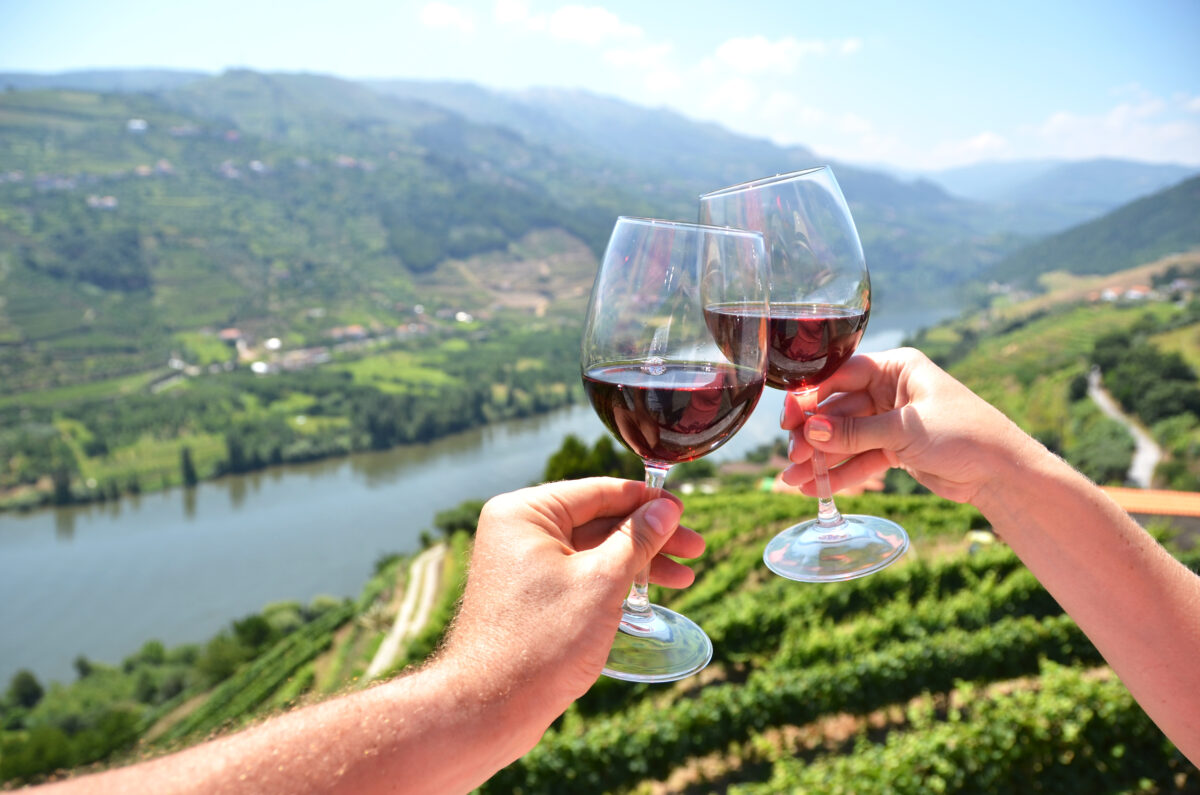
aproposx / Adobe Stock Picture yourself sipping world-class wines amid stunning terraced vineyards. The Douro Valley is a wine lover’s paradise. Some of Portugal’s best wineries are nestled along the winding Douro River.
Start your adventure at Quinta do Vallado. This 300-year-old estate offers tours of its ancient vines. You can taste their rich red wines and crisp whites while soaking in valley views.
Next, head to Quinta do Seixo to taste the famous Port wine. Their tasting room serves generous pours paired with local cheeses. Don’t miss the chance to try Sandeman’s tawny and ruby Ports.
For a unique experience, book a stay at Quinta da Salada. This charming farm stay lets you immerse yourself in vineyard life. After a day of tastings, relax by the pool with a glass of Douro DOC wine.
Want to explore on wheels? Bring your campervan to Camping Lamego. It’s a great base for winery hopping. You’ll meet fellow wine enthusiasts and share tasting tips around the campfire.
To really treat yourself, join a guided wine tour. Many include visits to multiple estates, riverside lunches, and boat cruises. It’s the perfect way to sample the valley’s best without worrying about driving.
4. Oysters In Galway, Ireland

Chroma / Adobe Stock Get ready to slurp up some of the freshest oysters you’ll ever taste in Galway! This charming Irish city is famous for its briny bivalves, and you’re in for a treat.
Head to John Keogh’s Gastropub for the town’s best Guinness and oysters combo. The rich stout pairs perfectly with the salty oysters, creating a match made in culinary heaven.
For a cozy seafood feast, check out Hooked. This small nautical-themed spot serves up big flavors. Grab a wooden table and prepare for some seriously delicious oysters.
Want to go straight to the source? Kelly Oysters has grown top-notch shellfish in Galway Bay for over 60 years. The pure waters create oysters with an unbeatable taste.
If you’re lucky enough to visit in September, don’t miss the Galway International Oyster & Seafood Festival. You’ll join thousands of oyster lovers shucking and slurping millions of the briny delights.
For a scenic oyster experience, head to Moran’s Oyster Cottage. This waterside spot serves up freshly prepared oysters with stunning views. Open Tuesday to Sunday, it’s the perfect place to indulge in Ireland’s oyster bounty.
See Related: Top Best Food Destinations in Europe for Gourmet Explorers
5. Cheese-Making In Gruyères, Switzerland

Komuso & Colorsandia / Adobe Stock You’re in for a treat in Gruyères! This charming Swiss town is the birthplace of the world-famous Gruyère cheese. Get ready to dive into the fascinating world of Alpine cheese-making.
Head to La Maison du Gruyère, the town’s cheese factory. You’ll see skilled cheese-makers in action, turning fresh milk into delicious wheels of Gruyère. The process is a sight to behold!
Here’s what you can expect:
- Watch cheese production between 9 AM and 12:30 PM
- Learn about the 2.5-hour cheese-making process
- See huge 4,800-liter vats filled with milk
The factory’s cellar houses 7,000 wheels of cheese—imagine the smell! You’ll learn how rennet curdles the milk and transforms it into iconic cheese wheels.
Don’t miss the audio tour narrated by a cute cartoon cow. It’s a bit silly but fun for kids. You’ll discover how local herbs and grasses give Gruyère its unique flavor.
For a more rustic experience, visit Moléson-sur-Gruyères. Here, you can witness traditional Alpine cheese-making methods. It’s like stepping back in time!
After your cheese adventure, treat yourself to a gooey fondue in town. What better way to end your delicious Gruyères journey?
See Related: Two Weeks in Switzerland: A Winter Wonderland Itinerary
6. Pesto-Making In Genoa

GetYourGuide / GetYourGuide Get ready for a mouthwatering adventure in Genoa, the birthplace of pesto! You’re about to embark on a tasty journey to make your taste buds dance.
First stop: the historic basil greenhouses of Serre di Pra’. These fragrant fields have been growing the star ingredient of pesto since the 1830s. Breathe in that fresh, herby aroma!
Next, roll up your sleeves for a hands-on pesto-making class. You’ll learn the secrets of crafting this iconic sauce in a stunning aristocratic palace. Talk about mixing tradition with luxury!
Here’s what you’ll need for authentic Genoese pesto:
- PDO basil (the good stuff!)
- Vessalico garlic
- Pine nuts
- Olive oil
- Pecorino cheese
- Parmigiano-Reggiano
- A touch of salt
Grab a mortar and pestle, and let the magic begin! Crush, grind, and blend until you’ve created your very own jar of green gold.
After all that hard work, treat yourself to a pesto-filled feast. Head to Trattoria Rosmarino, a hidden gem loved by locals. Their secret family recipe will blow your mind!
Don’t forget to pick up some pesto to take home. Swing by Pesto Rossi is award-winning and oh-so-delicious. Your friends will be green with envy!
-

How to Travel Light: The Ultimate Packing Guide for Minimalists
Packing lights can transform your travel experience. You’ll breeze through airports, skip baggage claims, and move freely without lugging heavy suitcases. A minimalist approach lets you pack everything in a single carry-on bag.
The key is choosing versatile clothing and gear. Pick items that serve multiple purposes and mix and match easily.
A capsule wardrobe of neutral basics gives you lots of outfit options. Lightweight, quick-dry fabrics are your friends.
Toiletries and electronics can take up a lot of space. Stick to travel-sized essentials and multi-use products.
A smartphone can replace many gadgets. With some smart choices, you can fit a week’s worth of stuff in a small backpack or rollaboard. You’ll enjoy more freedom and less stress on your next trip.
Choosing The Right Luggage
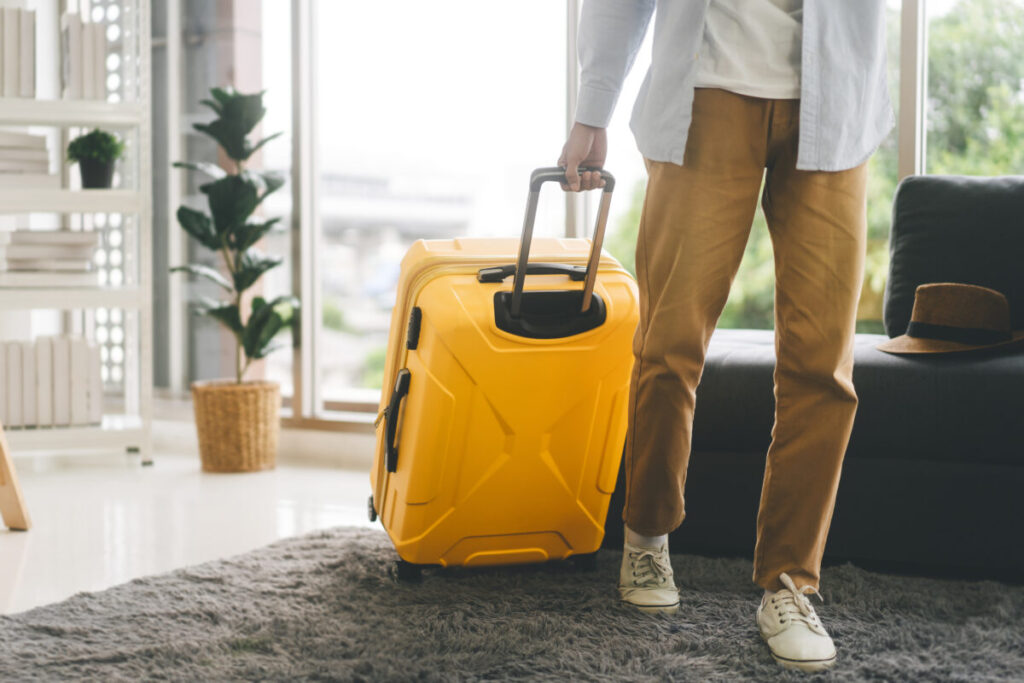
dodotone / Adobe Stock Regarding minimalist travel, your luggage choice can make or break your trip. You want something lightweight, durable, and easy to carry. A good rule of thumb is to pick a bag that fits airline carry-on requirements.
Aim for a backpack or suitcase with a 40-45 liter capacity. This size is usually small enough to carry on but big enough to fit your essentials. Look for bags made from tough materials like ballistic nylon or polyester.
Consider these features when selecting your luggage:
- Comfortable straps or wheels for easy transport
- Multiple compartments for organization
- Water-resistant fabric to protect your stuff
- Lockable zippers for security
Remember, the lighter your bag, the more freedom you’ll have. A lightweight carry-on means no checked baggage fees and less strain on your body as you move around.
Consider your travel style if you’re torn between a backpack and a suitcase. Backpacks are great for adventurous trips with lots of walking, while rolling suitcases work well for urban travel or if you have back issues.
Don’t forget to test your bag before you buy. Pack it with some weight and walk around the store. Make sure it feels comfortable and suits your needs.
Creating A Packing List

Charlie’s / Adobe Stock Start your minimalist packing journey by making a list. Grab a pen and paper or open a notes app on your phone. Jot down only the essentials you’ll need for your trip.
Begin with clothing. Pick versatile pieces that mix and match easily. Think about the weather and activities you’ll encounter. A good rule of thumb: pack for a week, even for longer trips.
Next, add toiletries. Stick to travel-sized items to save space. Don’t forget medications if you need them.
Here’s a basic list to get you started:
- 3-4 shirts
- 2 pairs of pants/shorts
- 5 pairs of underwear
- 5 pairs of socks
- 1 light jacket
- Comfortable walking shoes
- Toiletries (toothbrush, deodorant, etc.)
- Phone charger
- Travel documents
Customize this list based on your needs. Remember, you can always buy things at your destination if you forget something.
Consider using packing cubes to organize your items. They’ll help you fit more in less space and keep things tidy.
As you pack, ask yourself: “Do I really need this?” If the answer isn’t a clear “yes,” leave it behind. Your future self will thank you when you’re breezing through airports with just a carry-on.
See Related: What to Pack for Every Climate: The Ultimate Guide
Multi-Purpose Clothing

Shi / Adobe Stock Packing smart means choosing versatile pieces that do double duty. You’ll want items that can be dressed up or down and work for different occasions.
Think of button-up shirts that look good with shorts or slacks. Or a simple dress that’s comfy for sightseeing but nice enough for dinner.
Look for fabrics that resist wrinkles and dry quickly. This makes it easy to wash clothes in your hotel sink if needed. Neutral colors are your friend – they mix and match well to create different outfits.
Some multi-purpose clothing ideas:
- Zip-off pants that convert to shorts
- Reversible skirt or jacket
- Sarong (use as a skirt, dress, scarf, beach cover-up)
- Packable down jacket (warmth without bulk)
Don’t forget accessories! A scarf can dress up a plain top or keep you warm.
A belt changes the look of an outfit. You can do much with creative layering with just a few key pieces.
Remember, you’re not packing for every possible scenario. Focus on versatile basics that’ll work for most of your trip. You can always buy something if you really need it.
Travel-Sized Toiletries Hacks
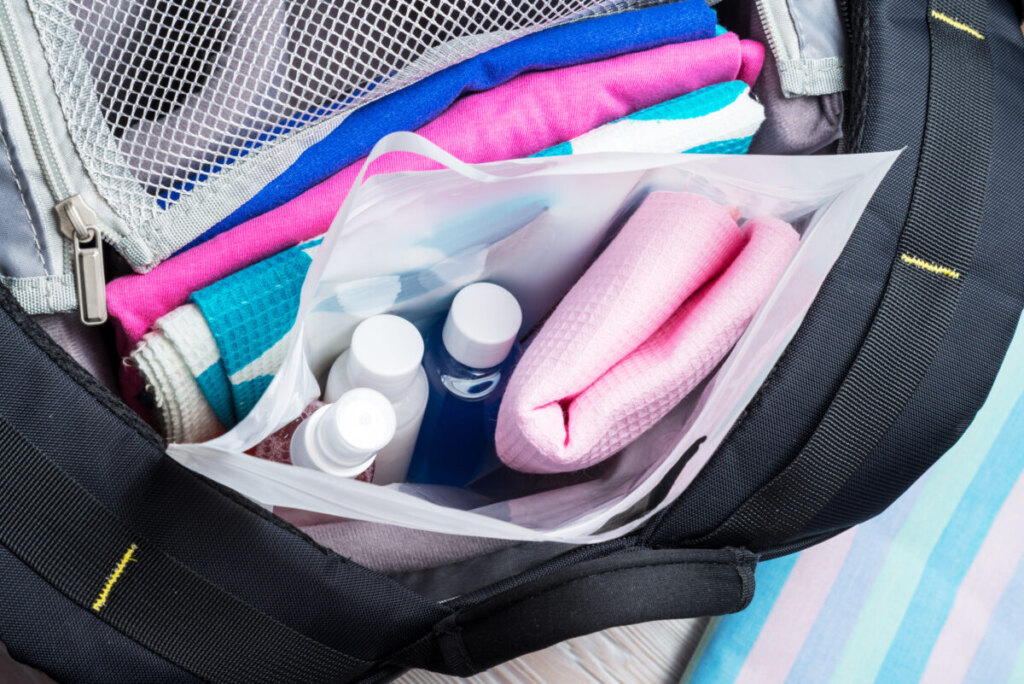
mdbildes / Adobe Stock Packing toiletries for travel can be tricky, but you’ll be a pro in no time with a few smart hacks. First, invest in some tiny bottles.
Most drugstores sell 100ml or smaller containers. Fill these with your favorite products to stay under airline limits.
Do you have some almost empty tubes at home? Don’t toss them! Those nearly finished shampoos and lotions are perfect for short trips. Just squeeze out what’s left into travel bottles.
Here’s a neat trick: use contact lens cases for small amounts of creams or gels. They’re compact and leakproof. Perfect for that fancy face cream you can’t live without.
Solid toiletries are your new best friend. Look for shampoo bars, solid deodorants, and even toothpaste tablets. They take up less space and won’t spill in your bag.
Try this space-saving hack: cut off small pieces of your soap or shampoo bar. Put them in a tin or small container. You’ll have just enough for your trip without lugging the whole bar.
Remember to pack smart:
- Use a clear, zip-top bag for liquids
- Fill bottles only 2/3 full to prevent leaks
- Wrap bottles in plastic wrap for extra protection
With these tricks, you’ll breeze through security and have all your essentials in a tiny, tidy package. Happy travels!
Packing Efficiently For Electronics

kostikovanata / Adobe Stock Let’s face it, you can’t leave your gadgets at home these days. But you don’t need to lug around a tech store, either. Here’s how to pack smart for your electronic needs:
Pick your must-haves. A smartphone is a given, but do you really need a tablet? To reduce bulk, choose devices that serve multiple purposes.
Invest in a universal adapter. One plug to rule them all! This saves space and ensures you can charge up no matter where you roam.
Organize those pesky cords. Use small ziplock bags or cord organizers to keep cables tangle-free and easy to find.
Consider a portable battery pack. It’s a lifesaver when outlets are scarce. Look for one that can charge multiple devices at once.
Protect your gear. A padded electronics organizer or simple cloth wrap can prevent scratches and dings.
Don’t forget a backup. Store important files and photos on a small USB drive or in the cloud before you leave.
Go wireless when possible. Bluetooth headphones and a wireless mouse can reduce cord clutter in your bag.
Remember, less is more. You’re on vacation to unplug, so embrace the minimalist mindset and leave unnecessary gadgets at home.
See Related: How to Pack Smart: Essential Travel Packing Hacks for Every Trip
Packing For Various Climates
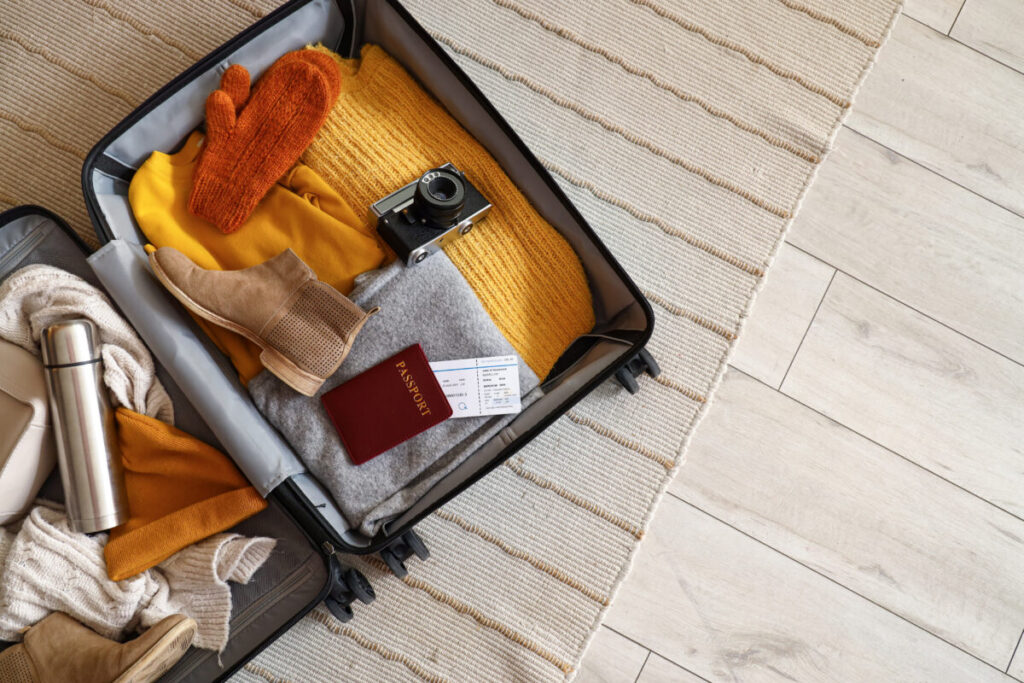
Pixel-Shot / Adobe Stock Traveling light doesn’t mean you can’t be ready for different weather. The key is choosing versatile pieces that work in multiple settings.
Start with a base layer of quick-dry, moisture-wicking clothes. Pack thin, long-sleeved shirts and pants that can be layered or worn alone. These will protect you from sun and insects in warm climates while providing warmth in cooler areas.
For cold destinations, bring a lightweight down jacket or vest. These compress small but offer great insulation. Add a waterproof shell jacket for rainy spots.
Here’s a sample packing list for mixed climates:
- 2-3 short sleeve shirts
- 2 long sleeve shirts
- 1 pair of convertible pants
- 1 pair of shorts or a skirt
- 1 light sweater or fleece
- 1 packable down jacket
- 1 rain jacket
- 3-4 pairs underwear
- 2-3 pairs of socks
- 1 pair of comfortable walking shoes
- 1 pair sandals
Remember, you can always do laundry on the road. Pack travel-size detergent or buy some at your destination.
Accessories like a sun hat, light scarf, and gloves take up little space but add warmth and sun protection when needed. A compact travel umbrella is handy for unexpected showers.
See Related: Quirky Travel Gear You Didn’t Know You Needed (But You Definitely Do)
Organizing Your Bag
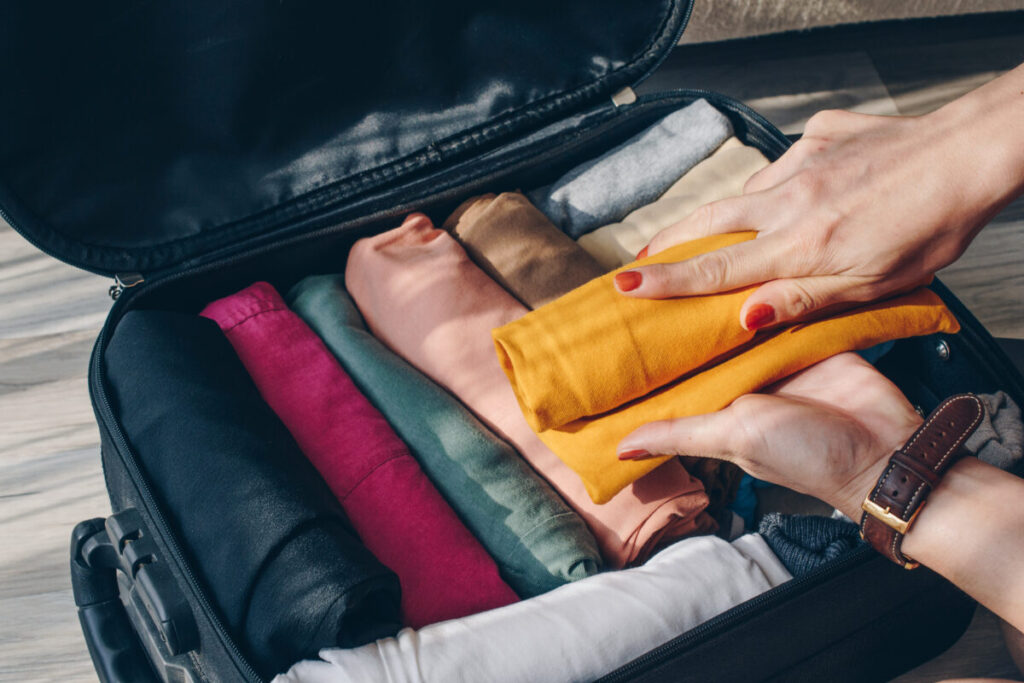
boyloso / Adobe Stock Keeping your bag tidy makes travel easier. Smart packing helps you find things fast and fit more in less space.
Packing Cubes And Compression Bags
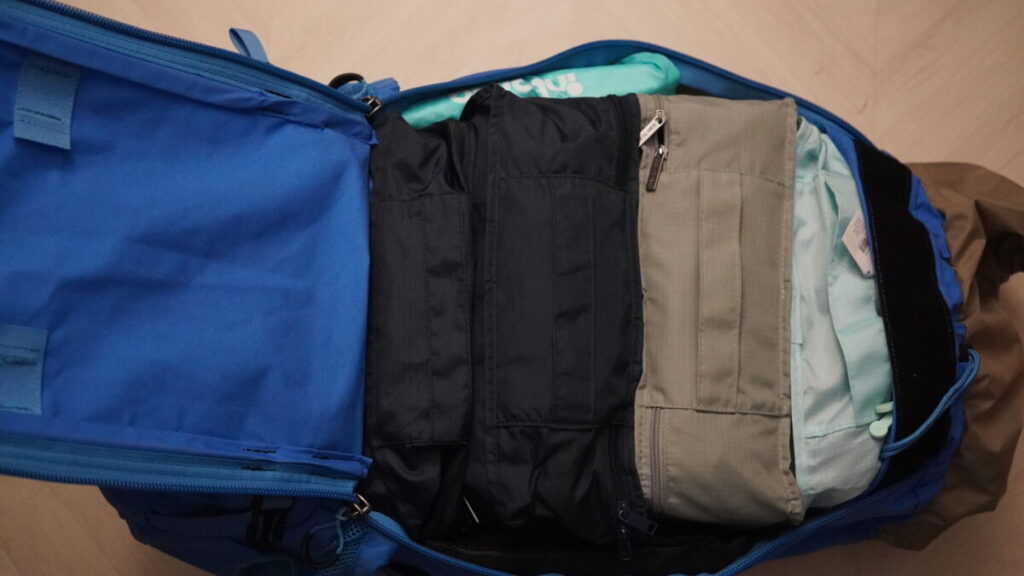
Zinn / Adobe Stock Packing cubes are game-changers for organizing your bag. These fabric containers come in different sizes to sort your clothes and gear. Put shirts in one cube, socks in another, and undies in another. This way, you won’t mess up your whole bag looking for one item.
Compression bags are great for bulky items like jackets or sweaters. You squeeze the air out, making the bag much smaller and giving you more room for other stuff.
Try rolling your clothes instead of folding them. This saves space and prevents wrinkles. Put heavier items at the bottom of your bag and lighter ones on top.
Use small pouches for tiny things like chargers and cables. This keeps them from getting lost in your bag. A toiletry kit keeps your bathroom items together and easy to grab.
Remember to leave some empty space in your bag. You might want to buy souvenirs or need room for dirty laundry later in your trip.