
Asia’s hidden villages give travelers a real chance to escape the usual crowds and dive into authentic local culture. From Taiwan’s eye-popping Rainbow Village to ancient settlements tucked away in China’s Wuyuan County, these lesser-known gems show off traditional architecture, jaw-dropping landscapes, and centuries of fascinating history.
If you’re craving meaningful connections with local communities and want to soak up the diverse heritage that makes Asia so captivating, these villages are calling your name.
Had enough of the packed chaos in places like Tokyo, Bangkok, or Hanoi? These secluded spots feel like a breath of fresh air. You might find yourself wandering misty mountain retreats or riverside communities so colorful and quirky that you wonder why they’re not on every traveler’s bucket list.
A lot of these villages have kept their old ways alive for generations. It’s a rare peek into Asia’s past—something you just can’t get in the shiny, modern cities.
1. Shirakawa-go, Japan
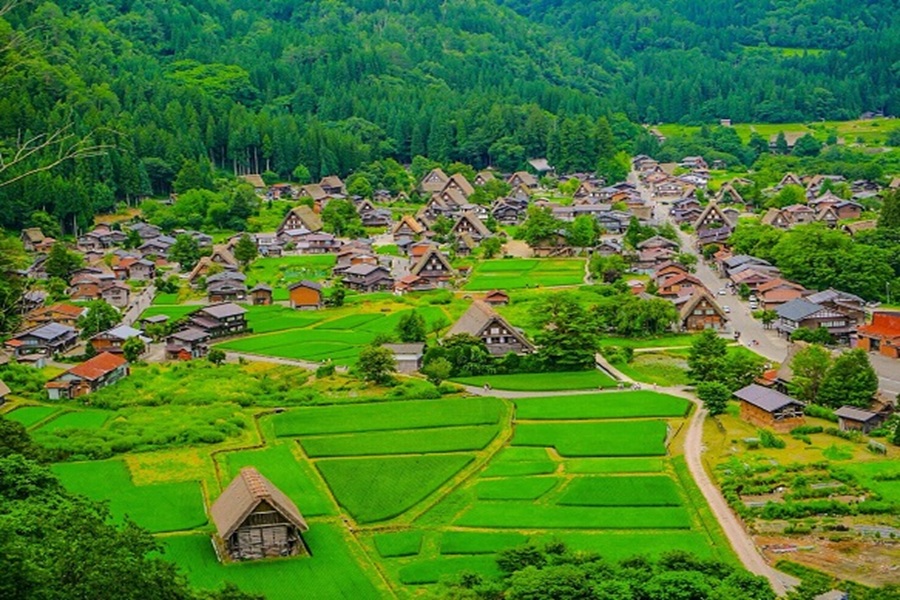
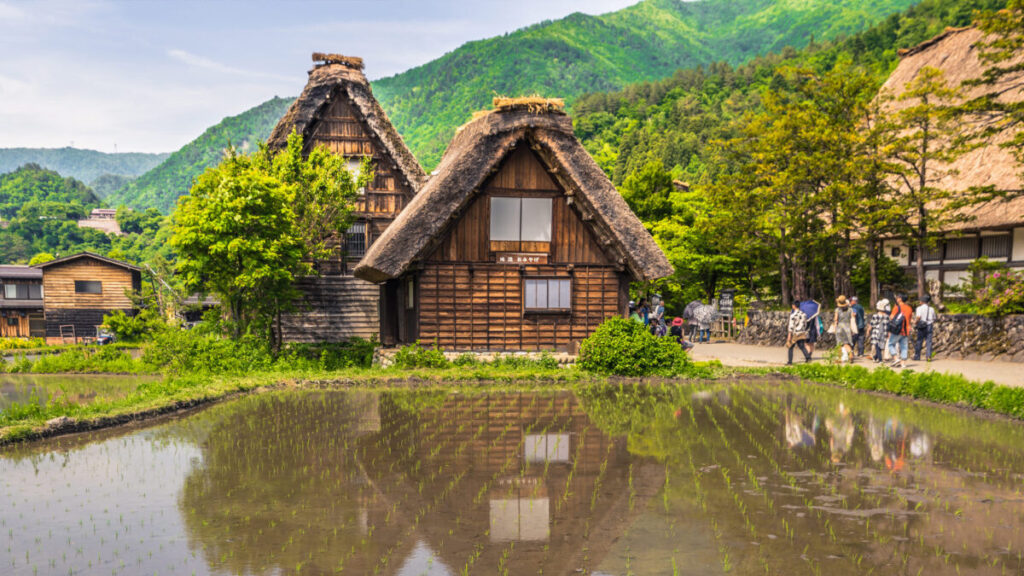
• UNESCO recognized Shirakawa-go as a World Heritage Site in 1995, and honestly, it’s probably Japan’s most beautiful village—those thatched-roof houses are iconic.
Tucked away in Gifu Prefecture’s mountains, Shirakawa-go feels like someone pulled it from a storybook. The village’s gassho-zukuri farmhouses have these steep, thatched roofs that look like hands pressed together in prayer.
Every season, the place transforms. Winter turns it into a snow-covered wonderland that almost doesn’t look real, while spring and summer wrap everything in lush green.
Families still live in many of these old houses, keeping traditional lifestyles alive. You can even spend the night in one if you want a real taste of rural Japan.
Because it’s so remote, Shirakawa-go has managed to hang onto its unique culture. Take your time wandering the narrow paths, and just let the peaceful atmosphere sink in—it’s a world apart from Japan’s big cities.
2. Jiufen, Taiwan
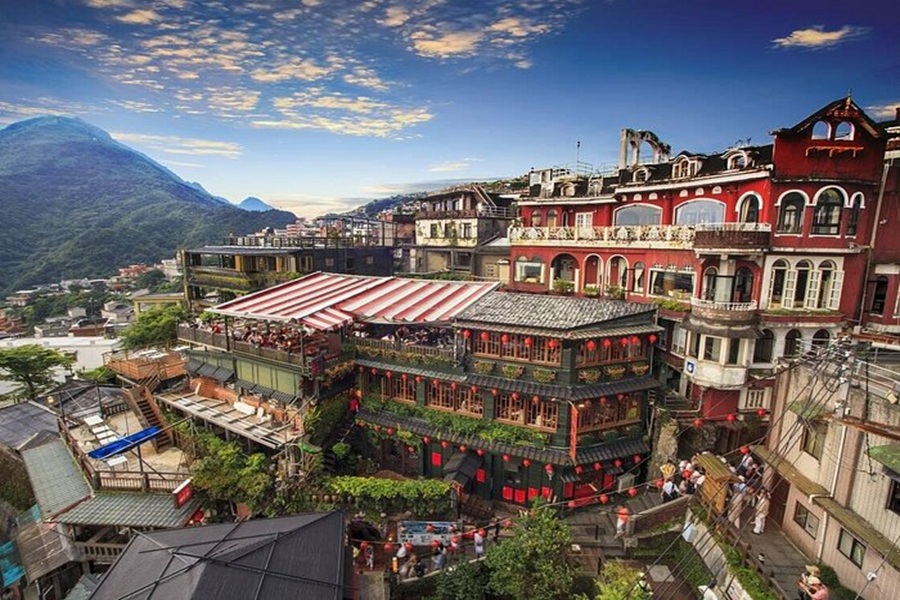
• A mountain village that inspired Studio Ghibli’s “Spirited Away”—and you can totally see why.
Jiufen sits just an hour outside Taipei, but it feels like a different universe. This old gold mining town has reinvented itself as one of Taiwan’s most beloved spots, and honestly, it’s easy to see the appeal.
The winding alleys of Jiufen Old Street are packed with tea houses, food stalls, and quirky little shops. Make sure to grab some taro balls and pineapple cakes as you get lost in the maze.
The hillside setting gives you ridiculous views of both the sea and the mountains. If you catch a clear day, it’s honestly magical.
At night, red lanterns light up the whole village, and the vibe is just unreal. The A-Mei Teahouse is a must—it’s as photogenic as everyone says.
Even with the crowds, Jiufen keeps its authentic charm. It’s a fantastic window into Taiwan’s culture.
3. Biei, Japan
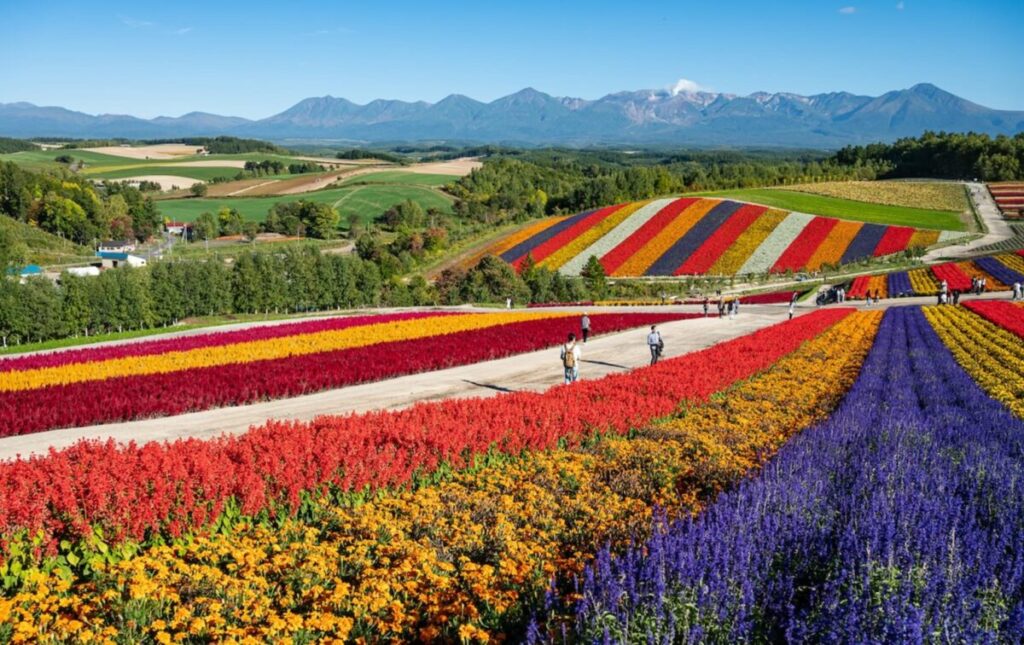
• Biei, a tiny Hokkaido town, is famous for its rolling landscapes, rainbow-hued flower fields, and the surreal Blue Pond.
Right in the middle of Hokkaido, Biei proves that small towns can pack a punch. People often call it “the most beautiful rural area in Japan,” and honestly, that’s not just hype.
Biei’s hills turn into a patchwork of color as the seasons shift. Summer brings wild sweeps of lavender, poppies, and sunflowers—it’s a photographer’s dream.
The Blue Pond is probably its most famous spot. Oddly enough, it was created after Mount Tokachidake erupted, as a way to control erosion. The pond’s electric blue color comes from minerals in the water, making it look almost magical.
You’ll want to rent a car or bike here, since the best views are out along winding country roads. Sunrise and sunset? The light is just incredible.
4. Lamayuru, India
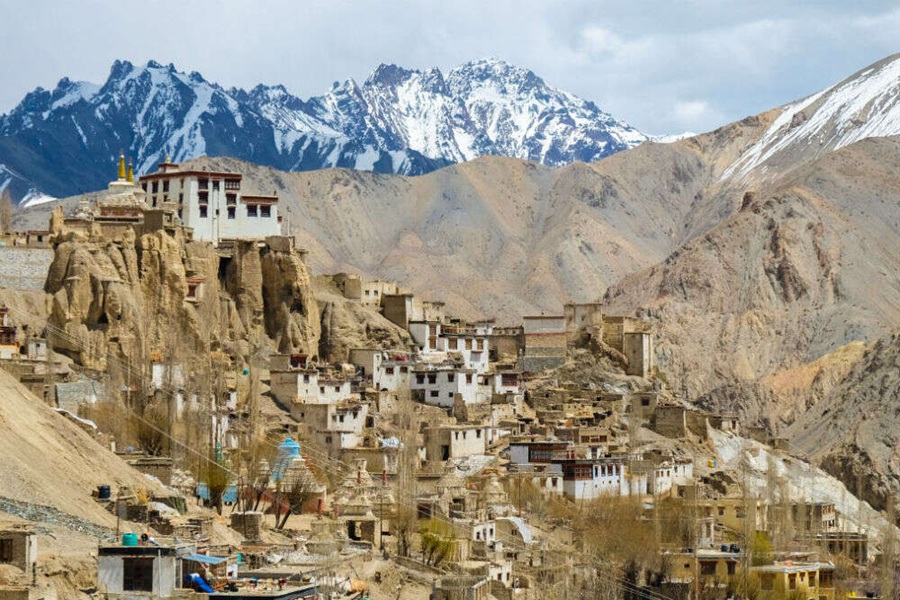
- One of Ladakh’s oldest monasteries sits here, surrounded by a landscape that looks more like the moon than Earth.
Lamayuru perches at about 3,500 meters in Ladakh, and honestly, it feels like time barely moves here. Whitewashed houses cling to steep hillsides, standing out against the bare, dramatic mountains.
The ancient monastery, dating to the 11th century, draws you in with its peaceful prayer halls and courtyards. You can almost feel the centuries of spiritual energy.
Locals call the landscape “moonland” for a reason. The weird rock formations and craters look almost alien, especially when sunrise or sunset throws wild shadows across everything.
Photographers will go wild here—every angle is a new masterpiece of Tibetan architecture against those epic mountains. If you happen to catch a festival, it’s even better.
5. Ubud, Indonesia
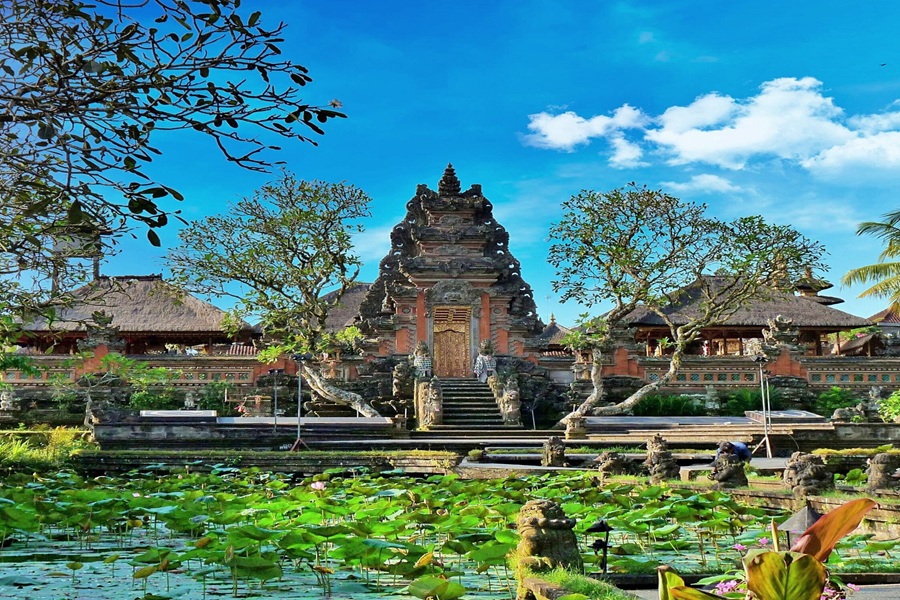
- The cultural heart of Bali, tucked in lush hills where old traditions and modern artsy vibes blend together.
Ubud is the perfect antidote to Bali’s beach crowds. It’s about an hour inland, wrapped in rice terraces that locals have cared for over centuries.
Art and craft are everywhere here. Wander the streets and you’ll find workshops and galleries where woodcarvers, painters, and textile artists do their thing.
There’s something spiritual in the air, too. Temples dot the landscape, and if you’re lucky, you’ll stumble into a colorful ceremony.
Don’t just stick to the center—smaller villages nearby feel even more untouched, letting you peek into rural Balinese life that most tourists miss.
The Monkey Forest is a must, where nature, spirituality, and cheeky monkeys all come together in classic Ubud style.
6. Hoi An, Vietnam
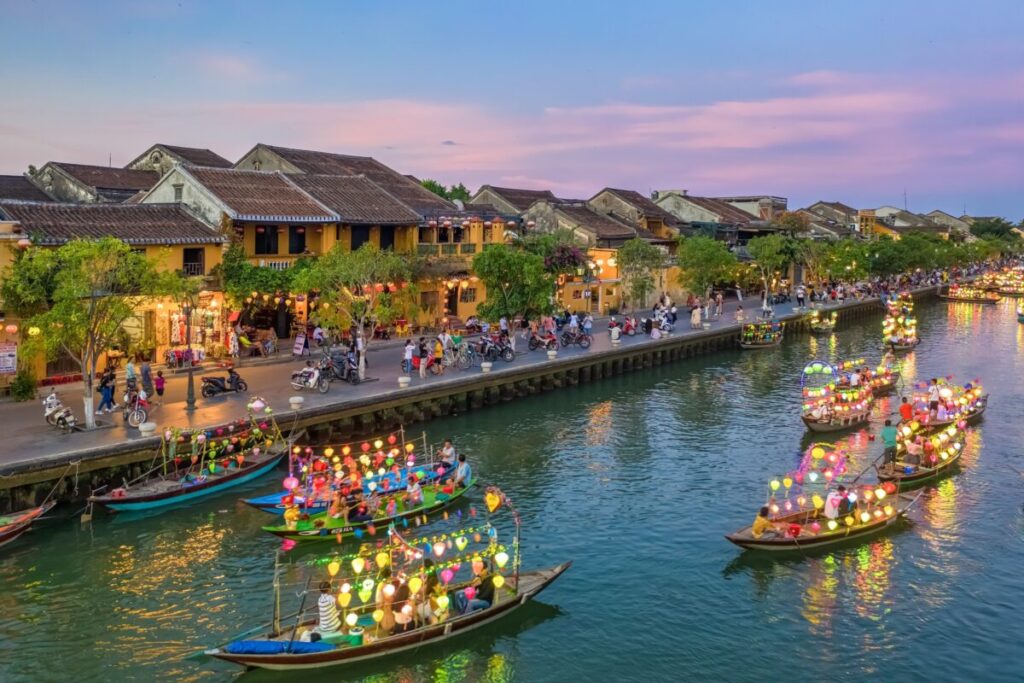
• This ancient trading port in central Vietnam once topped CNN’s list of Asia’s most beautiful towns.
Hoi An sweeps you back in time the moment you arrive. The Ancient Town, a UNESCO World Heritage site since 1999, charms everyone with its yellow-walled buildings and lantern-lit streets.
Stroll the narrow lanes and you’ll spot influences from Vietnam, China, and Japan—especially in the iconic Japanese Covered Bridge from the 16th century.
There’s more than just pretty buildings. Spend your mornings at bustling markets, afternoons in cooking classes, and evenings unwinding by the Thu Bon River.
If you love photography, Hoi An’s colors and atmosphere will keep you busy. And don’t leave without trying cao lau noodles or a banh mi from a street vendor.
7. Gamcheon Cultural Village, South Korea
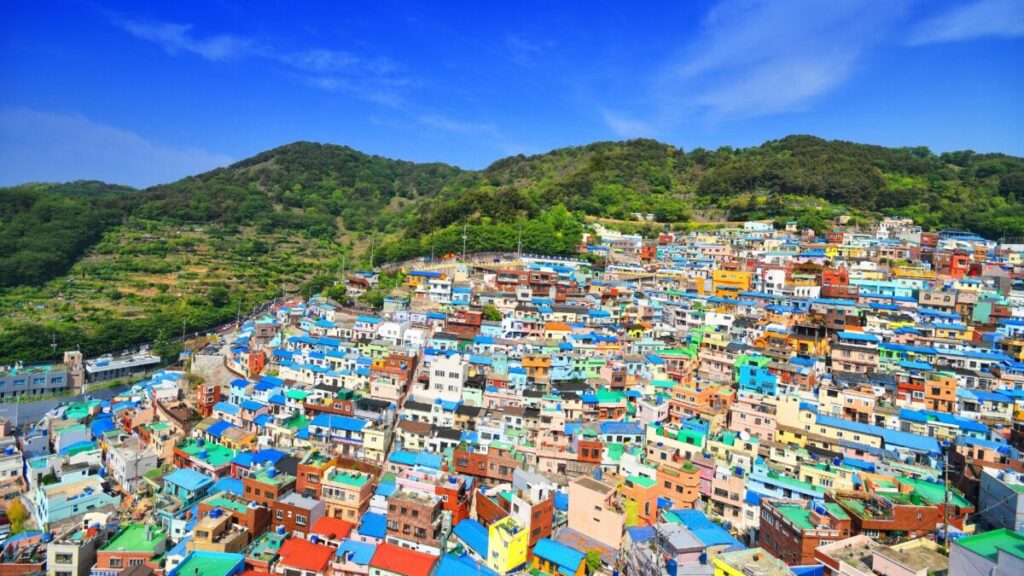
• A once-humble refugee settlement in Busan now bursts with color, art, and quirky hillside houses.
Gamcheon Cultural Village sits on Busan’s coastal mountains, and it’s honestly like walking into a painting. After the Korean War in 1955, refugees built this place, but now it’s a riot of color and creativity—locals call it the “Machu Picchu of Korea” or even the “Santorini of the East.
Winding alleys snake between brightly painted houses stacked up the hill. Every turn brings you to another mural, sculpture, or spot that’s just begging for a photo.
Start at the Tourist Information Center and grab a map for about 2,000 KRW (roughly $1.50). It’s not just useful—it makes a fun souvenir.
As you explore, you’ll bump into cute cafés, snack stalls, and little shops. Try the local treats and take in those sea views—it’s a vibe you won’t forget.
8. Paro, Bhutan
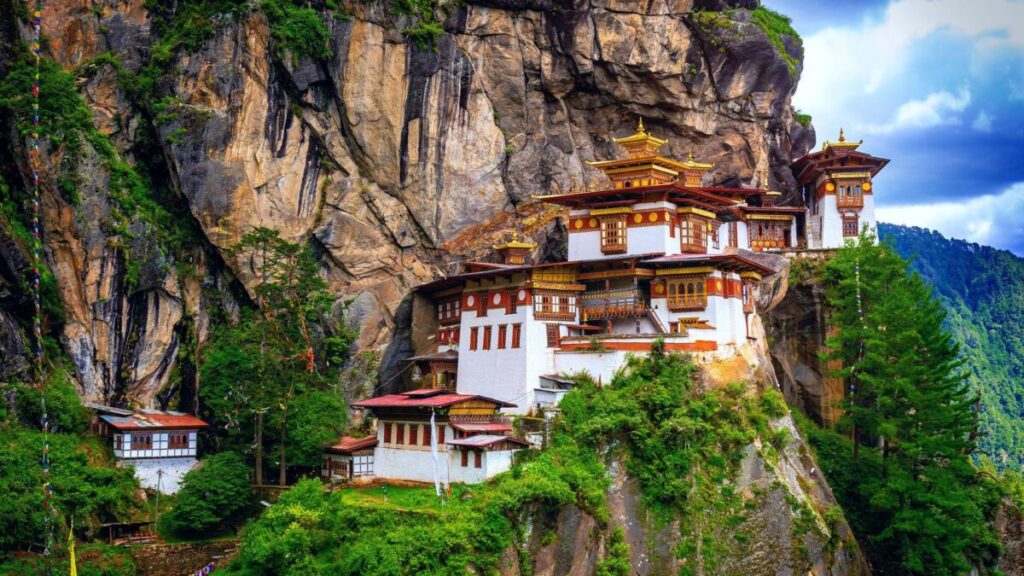
- Tucked deep in the Himalayas, Paro is a valley village that shows off Bhutan’s untouched beauty and rich traditions.
Paro may be bigger than some villages on this list, but it still feels cozy and traditional. The valley is dotted with colorful wooden houses, rice terraces, and apple orchards, all set against a mountain backdrop that doesn’t quit.
The Tiger’s Nest Monastery (Paro Taktsang) clings to a cliff 3,000 feet above the valley—just seeing it makes the trip worth it. The hike up is tough but the views and peacefulness at the top? Totally worth the effort.
Rinpung Dzong stands out too, with its sloping fortress walls and classic Bhutanese architecture.
If you’re into nature, drive up to Chele La Pass for sweeping views. In spring, the hills explode with rhododendrons—it’s pretty magical.
9. Kampung Warna Warni Jodipan, Indonesia
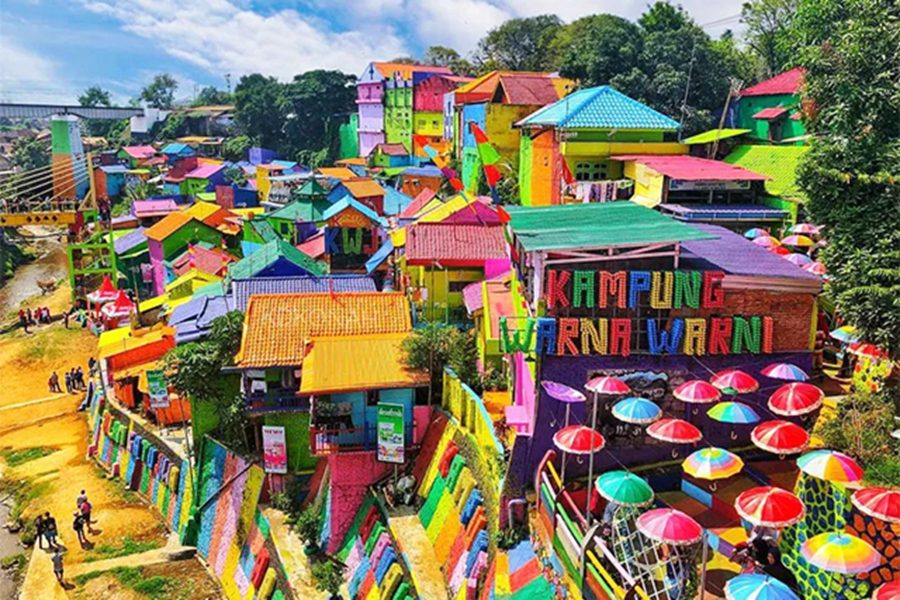
- Once a struggling riverside slum, this “rainbow village” in Malang, East Java, now bursts with color thanks to a creative community project.
Kampung Warna Warni Jodipan started out gray and overlooked, but now it’s a riot of color. Local university students kicked off the transformation, and the whole community jumped in.
Every wall, staircase, and house beams with bright rainbow paint. The name means “Colorful Village of Jodipan,” and honestly, it lives up to the hype.
What’s cool is that this wasn’t built for tourists—it was a real effort to improve the neighborhood. Now, tourism brings pride and new opportunities to the area.
Take your time wandering the winding alleys and spotting creative murals. The riverside setting, with bridges linking different sections, just adds to the charm.
10. Bukchon Hanok Village, South Korea
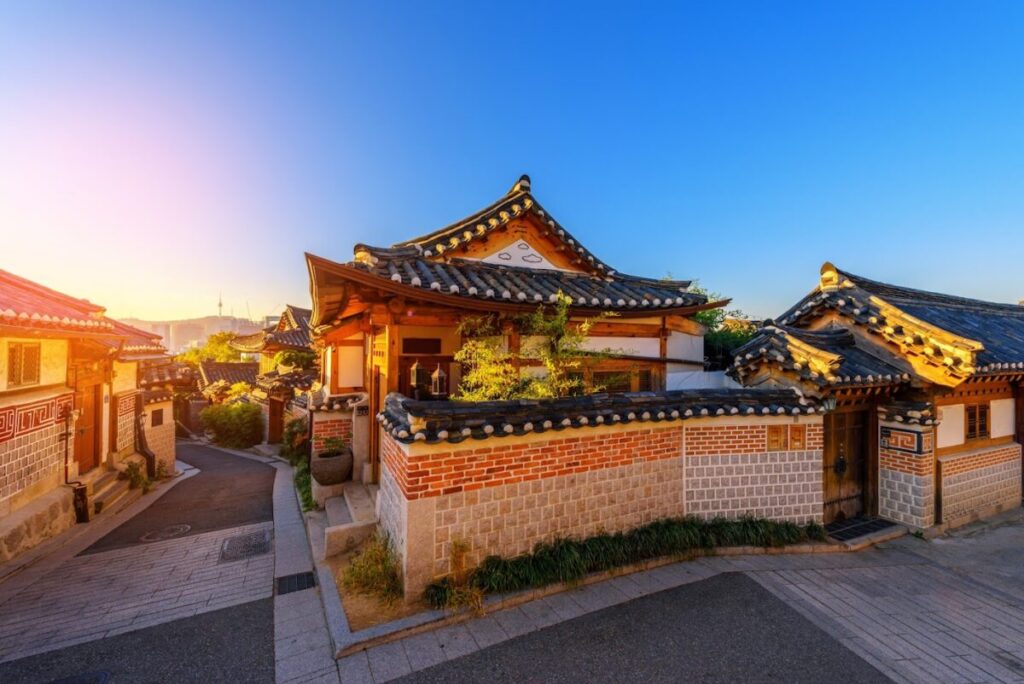
• A living museum of traditional Korean homes, set right in the heart of Seoul.
Bukchon Hanok Village sits between two royal palaces, but it feels like you’ve stepped back centuries—even though the city buzzes nearby. About 900 hanoks (traditional homes) line the neighborhood, some dating back over 600 years.
The beauty is in the details—wood, stone, soil, and rice paper come together in these sloping-roofed houses. Against Seoul’s modern skyline, it’s a striking contrast.
Aristocrats once called Bukchon home during the Joseon Dynasty. Now, visitors can wander its narrow lanes and steep stone paths, marveling at how well locals have preserved everything.
Bukchon isn’t just a museum, though—it’s a living, breathing community. You’ll find charming cafés, traditional teahouses, and cultural workshops hidden among the historic homes.
11. Chiang Saen, Thailand
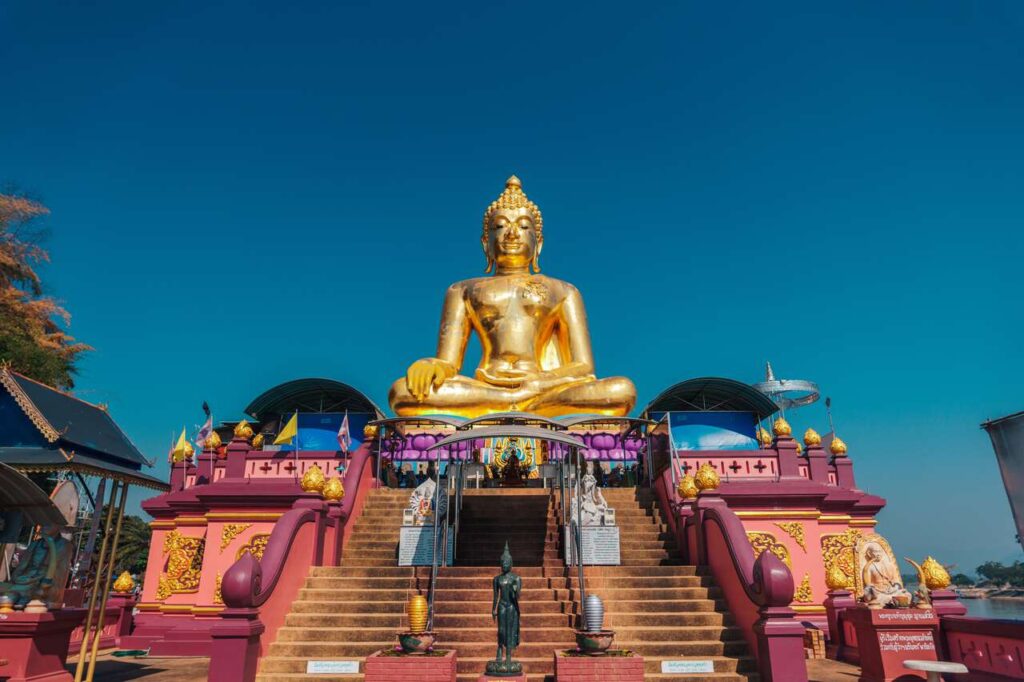
• A historic riverside town in northern Chiang Rai Province, packed with the legacy of the ancient Lanna Kingdom.
Chiang Saen sits quietly along the Mekong River, often overshadowed by flashier Thai destinations. But this little town is brimming with history—ancient ruins and temple remains peek out everywhere.
Old city walls and moats still mark the boundaries of what was once an important Lanna Kingdom hub. Its location at the Golden Triangle—where Thailand, Laos, and Myanmar meet—gives it extra intrigue.
Chiang Saen manages to blend its deep history with a super-relaxed vibe. Spend your morning exploring old Buddhist temples, then chill by the river in the afternoon.
The House of Opium museum is worth checking out for a look at the region’s complicated past. And when you’re hungry, the local food scene delivers classic northern Thai flavors that’ll stick with you.
12. Zuluk, India
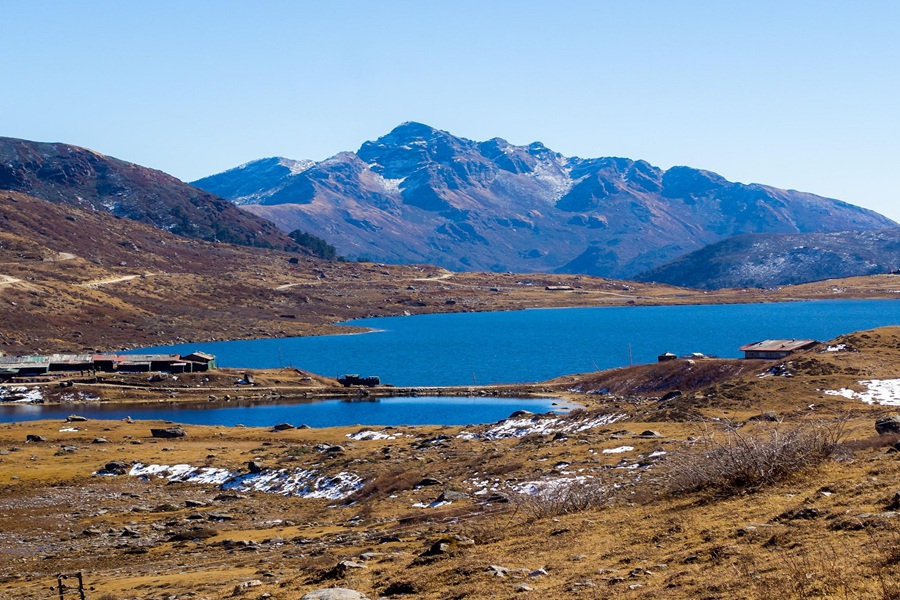
- This hidden Himalayan gem sits at a breathtaking altitude of nearly 10,000 feet in East Sikkim, offering visitors spectacular mountain views and a glimpse into traditional Indian village life.
Zuluk feels like a secret you just happened to find. Perched high in the lower Himalayas, this tiny village rewards anyone who makes the trek with jaw-dropping vistas.
The winding roads to Zuluk are an adventure in themselves. Hairpin bends zigzag up the mountainside, making the journey just as memorable as the destination.
When you finally arrive, those panoramic views of the Himalayan range will stop you in your tracks. On clear days, Kanchenjunga appears in the distance, and the morning light paints the mountains gold—it’s honestly unforgettable.
The village keeps things simple and authentic. Friendly locals go about their daily routines, and modest homes dot the green hillsides.
Come spring, rhododendrons burst into color and transform everything into a natural paradise. It almost feels unreal.
If you’re planning a trip, aim for May to October. The weather’s at its best, and the mountain views are at their clearest.
13. Penglipuran, Indonesia
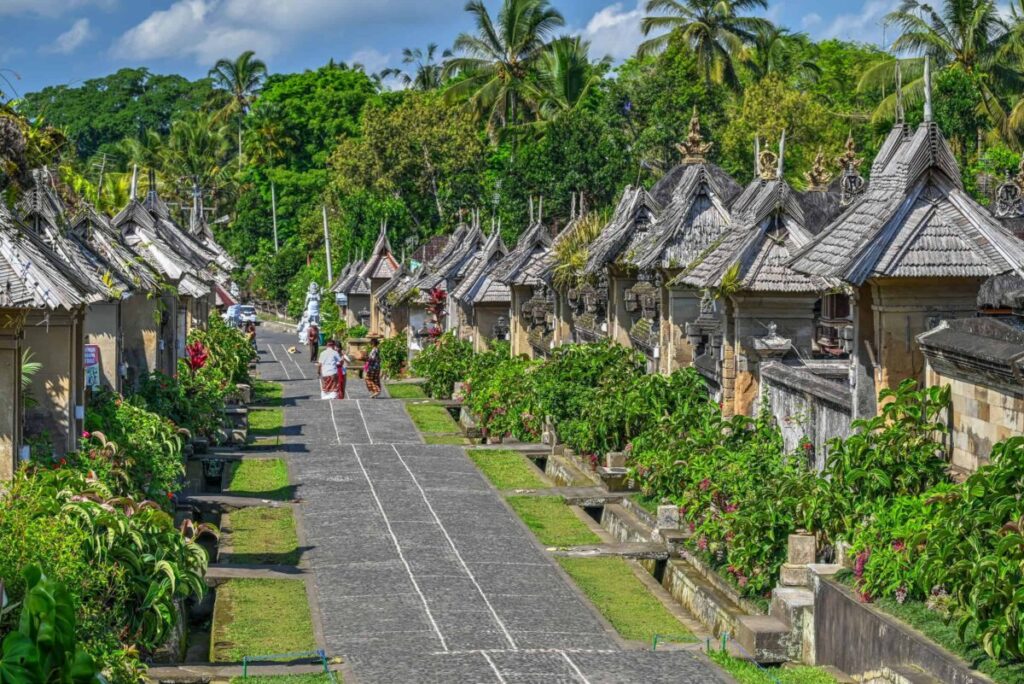
- Nestled in the highlands of Bali’s Bangli District, this traditional village is recognized as one of the world’s cleanest communities
Penglipuran is a Balinese gem that travelers often miss while chasing the island’s beaches. The moment you step into this highland village, peace just kind of settles over you.
Immaculate streets and the perfectly arranged traditional homes create a scene straight out of a postcard. Locals have fiercely preserved their Balinese way of life and keep the place unbelievably clean—seriously, you won’t spot a stray wrapper anywhere.
Penglipuran consistently ranks among the world’s cleanest villages, and you can see why as you wander around. The bamboo roofs and identical entrances to each family compound are distinctive and oddly comforting.
Even with more tourists showing up these days, Penglipuran hasn’t lost its authentic vibe. Villagers are warm, often inviting visitors inside to peek at traditional Balinese living spaces.
14. Vigan, Philippines
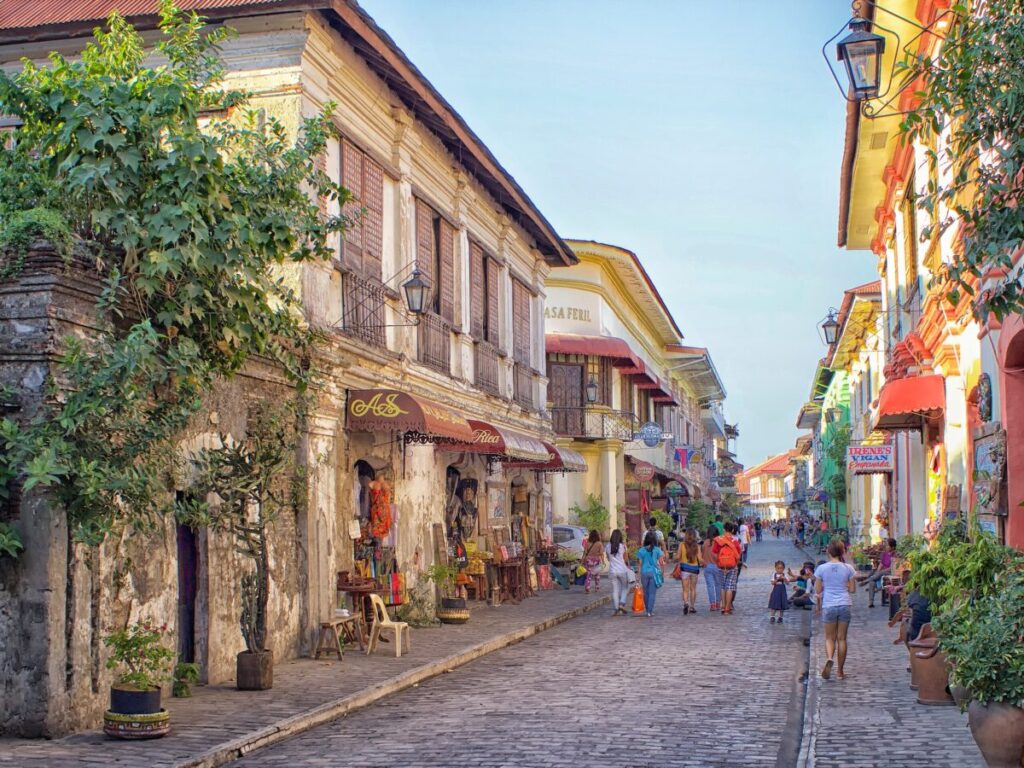
- A Spanish colonial jewel that transports you back in time with its cobblestone streets and well-preserved architecture
Vigan stands out as Asia’s best-preserved Spanish colonial town. Sitting on Luzon’s western coast, this city gives you a real glimpse into the Philippines’ colonial past.
Calle Crisologo forms the heart of Vigan—a cobblestone street lined with ancestral homes dating back to the 16th century. Horse-drawn kalesas still clatter down the street, and honestly, it feels like you’ve stepped into another era.
Vigan blends Spanish, Filipino, and Chinese influences in its architecture and culture. The city’s UNESCO status recognizes this unique mix, and you just don’t find that everywhere in Asia.
Outside Calle Crisologo, there’s more to explore—Dancing Fountain, Bantay Bell Tower, and the Hidden Garden are all worth a visit. The Vigan Heritage Village gives you a broader sense of the town’s historical significance.
When night falls, old street lamps cast a warm glow over the cobblestones. It’s the kind of place that makes you want to wander and snap photos for hours.
15. Nara, Japan
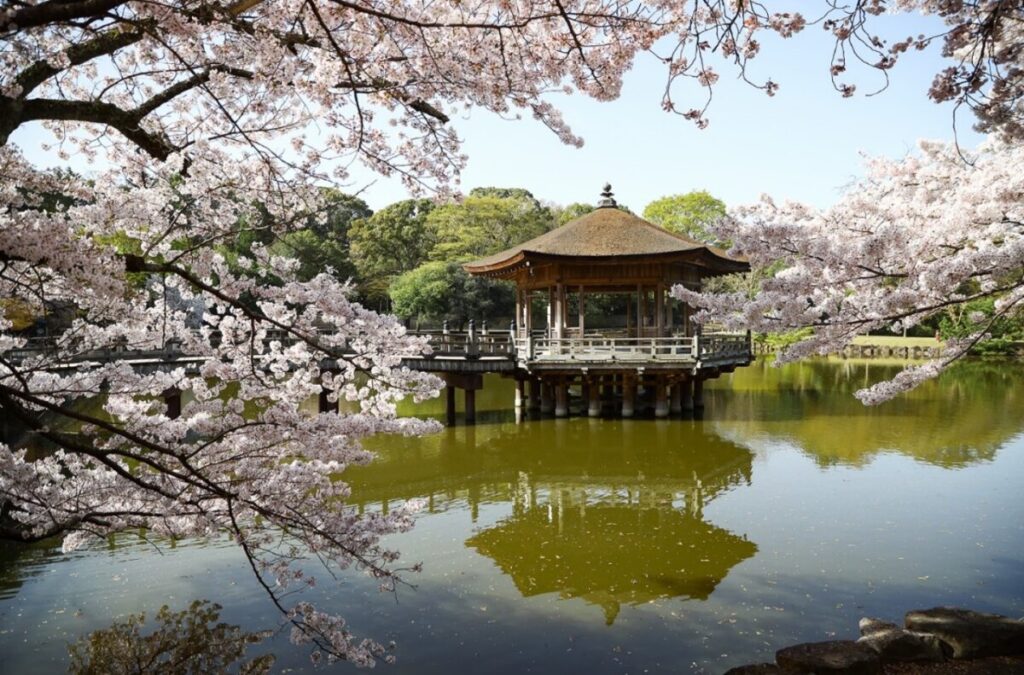
• Known for its free-roaming deer that bow for treats, Nara offers a unique blend of natural beauty and historical significance unlike anywhere else in Asia.
Tucked away in Japan’s Kansai region, Nara might be a city on paper, but it has the soul of a peaceful village. Nara Park steals the show—over 1,000 friendly deer roam freely and have become sacred messengers of the gods.
Nara’s temples are just as impressive. Todai-ji Temple houses a massive bronze Buddha statue that honestly leaves most people speechless. The building itself holds the title of world’s largest wooden structure!
Kasuga Grand Shrine brings a different kind of magic. Its stone lanterns line the paths, and during festivals, they’re all lit up, creating a scene that feels almost otherworldly.
History and nature blend together in Nara in a way that’s hard to describe. You can stroll through peaceful gardens, pop into ancient shrines, and feed curious deer—all in one lazy afternoon.
Despite being just a short train ride from Kyoto or Osaka, Nara keeps its tranquil vibe. I’m not sure how it pulls that off, but it does.
Cultural Immersion in Asia’s Villages
Visiting Asia’s remote villages gives you more than pretty landscapes. These communities invite travelers to experience traditions and flavors that have survived for generations.
It’s a genuine way to connect with local life.
Traditional Festivals and Celebrations
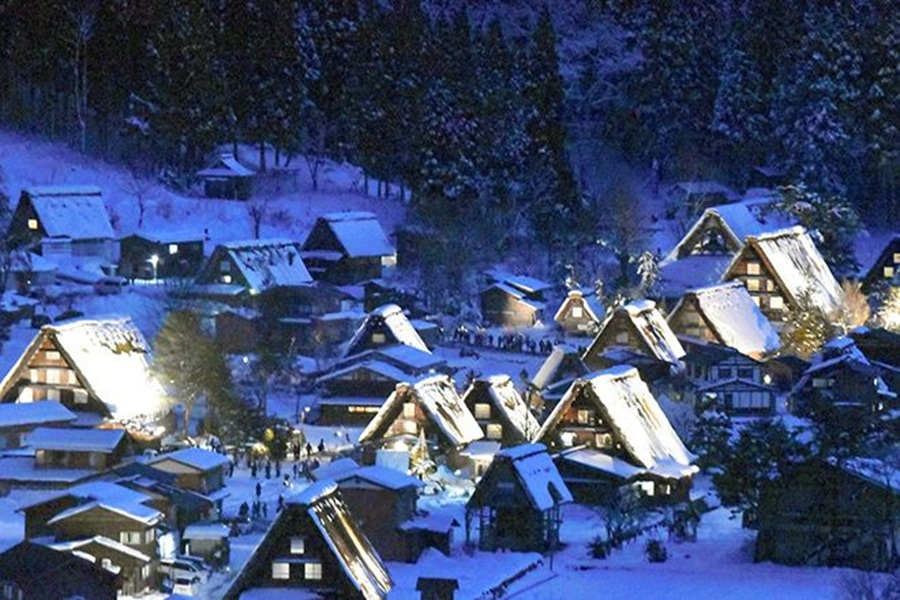
If you can, time your trip with a local festival. In Shirakawa-go, Japan, the winter illumination event turns thatched-roof houses into a glowing wonderland. Locals share warm sake and traditional dances with visitors.
Indian villages can be wildly colorful during festivals. In Mawlynnong, “Asia’s cleanest village,” the Behdienkhlam festival brings dancing, drumming, and handmade decorations to celebrate good harvests.
In Myanmar’s Hsipaw, monks lead dawn ceremonies. You can watch the quiet procession through misty streets—it’s a moment that sticks with you.
Authentic Local Cuisine Experiences
Food tells the story of a place better than any guidebook ever could. In Hoi An, Vietnam, village cooking classes teach you how to make cao lầu noodles using water from ancient wells. That’s what gives them their unique flavor.
Laos’ mountain villages invite you to join families for traditional sticky rice meals. In Luang Prabang, wake up early for the almsgiving ceremonies, then grab freshly made rice pancakes at the morning market.
Malaysian villages around George Town are famous for their hawker traditions. Families have perfected single dishes over generations. Look for roadside stalls where grandmothers cook up recipes their ancestors created.
Homestays are worth trying—village families often share not just their homes, but old-school cooking techniques. These moments create connections that linger long after your trip.
Tips for Responsible and Respectful Visits
When you visit these stunning villages across Asia, travel thoughtfully. Responsible tourism helps keep these places special and makes sure locals benefit from your visit.
Supporting Local Communities
Buy directly from local artisans and shops whenever you can. Those handwoven textiles and carvings make meaningful souvenirs, and you know your money goes straight to the families.
Village markets often have unique finds you won’t see anywhere else. I’ve picked up some of my favorite keepsakes in places like these.
Choose locally owned accommodations over international chains. Even if they’re a bit rustic, you’ll have a more authentic stay, and your money stays in the community.
Eat at local restaurants and food stalls instead of searching for familiar foods. Not only is the food delicious, but you’re supporting local cooks and farmers.
Hire local guides—they know the area better than anyone and can show you hidden spots while earning a fair wage.
Sustainable Tourism Practices
Always ask before snapping photos of people or private homes. Some cultures have strong beliefs about photography, so it’s just good manners to check.
Learning a few basic phrases in the local language goes a long way. Even a simple “hello” or “thank you” shows respect, and locals usually appreciate the effort.
Pack reusable water bottles and shopping bags. Most villages don’t have the waste systems you’d find in cities.
Stick to marked trails when hiking. Wandering off can damage fragile ecosystems or mess up local agriculture.
Dress appropriately for the culture, especially when visiting temples or religious sites. Modest clothing is usually the way to go in Asian villages.
Frequently Asked Questions
Travelers always have questions about exploring Asia’s most beautiful villages. Here are some answers to help you plan your adventure.
What are some of the most picturesque villages to visit in Asia?
Shirakawa-go in Japan tops the list with its gassho-zukuri farmhouses—especially magical under a blanket of snow. The village is a UNESCO World Heritage site and looks like it’s straight out of a fairy tale.
Jiufen in Taiwan is a maze of narrow alleyways, red lanterns, and ocean views. This former gold mining town inspired “Spirited Away” and is famous for its tea houses.
Ubud in Indonesia sits among emerald rice terraces and is the cultural heart of Bali. It mixes natural beauty with art and spiritual traditions that make it really stand out.
Can you recommend historical towns in Asia that offer a glimpse into ancient culture?
Hoi An in Vietnam keeps its trading port heritage alive with centuries-old merchant houses and temples. At night, colorful lanterns light up the riverside streets, creating a magical vibe.
Luang Prabang in Laos combines French colonial buildings with traditional Lao temples. The morning alms-giving ceremonies with monks in orange robes continue ancient Buddhist traditions.
Vigan in the Philippines showcases Spanish colonial influence with cobblestone streets and ancestral homes. Walking through Calle Crisologo feels like stepping back in time.
In which Asian countries can I find unique and stunning rural landscapes?
Japan’s countryside changes dramatically with every season. Places like Biei have rolling hills and flower fields, while Nagano’s mountain villages offer something totally different.
China’s Guangxi province is famous for the karst mountains of Yangshuo, rising above green rice fields. It honestly looks like a painting brought to life.
Vietnam’s Sa Pa region has rice terraces carved into mountainsides by ethnic minorities. The terraces turn from emerald green to golden yellow as the seasons change.
Could you highlight a few hidden gems in Asia’s countryside that are worth visiting?
Lamayuru in India’s Ladakh region sits among wild, moonlike rock formations. This ancient Buddhist village and monastery offers breathtaking views and a deep sense of peace.
Batad in the Philippines is only accessible by hike, but the amphitheater-shaped rice terraces are worth every step. These 2,000-year-old terraces were hand-carved and are a true marvel.
Ine no Funaya in Japan features unique “boat houses” built right over the water. This fishing village on the Sea of Japan gives you a glimpse into a coastal life most tourists never see.
What are the top-rated traditional villages in Asia for a cultural experience?
Kampong Phluk in Cambodia is a floating village on Tonle Sap Lake. Houses stand on tall stilts, and during high water season, everyone gets around by boat.
Hongcun in China preserves Ming and Qing dynasty architecture around a lake shaped like a buffalo. The village’s reflection in the water has inspired countless artists and photographers.
Kota Gede in Indonesia, near Yogyakarta, is known for silver craftsmanship and traditional Javanese buildings. Narrow lanes lead to workshops where artisans create intricate silver pieces using age-old techniques.
Are there any quaint villages in Japan known for their beauty?
Shirakawa-go and its neighbor Gokayama have these steep-roofed houses—locals built them to handle the crazy winter snow. Honestly, the villages look unreal in winter, especially when the lights come on at night.
Biei, way up in Hokkaido, is all about those patchwork hills bursting with flowers and crops. If you ever drive the “Patchwork Road,” you’ll see why photographers can’t resist stopping every five minutes.
Ouchijuku in Fukushima keeps the Edo period vibe alive, with thatched roofs and an old post road running through the village. You should really try the local grilled fish on a stick—it’s a bit quirky, but that’s half the fun!
Leave a Reply