
Oaxaca offers some of Mexico’s most authentic indigenous food experiences, where ancient traditions still shape daily cooking. You’ll find yourself diving into hands-on cooking classes with local families, wandering lively markets packed with unusual ingredients, and soaking up culinary traditions that have survived for thousands of years.
Exploring Oaxaca’s indigenous cuisine gives you a deeper sense of Mexico’s cultural heritage. Dishes like layered moles, handmade tlayudas, and traditional tamales really show off techniques that families have passed down for generations.
This southern Mexican state holds tight to its indigenous roots through food, making it a dream for anyone chasing real cultural experiences. Local chefs and families often invite visitors into their homes and kitchens, teaching you to cook with clay pots, stone tools, and open fires.
Food here isn’t just about taste—it’s about connecting with history and the diverse indigenous communities that have shaped Oaxacan cuisine into what many folks consider Mexico’s most vibrant food scene.
1. Anahuac Outdoor Traditional Kitchen Experience
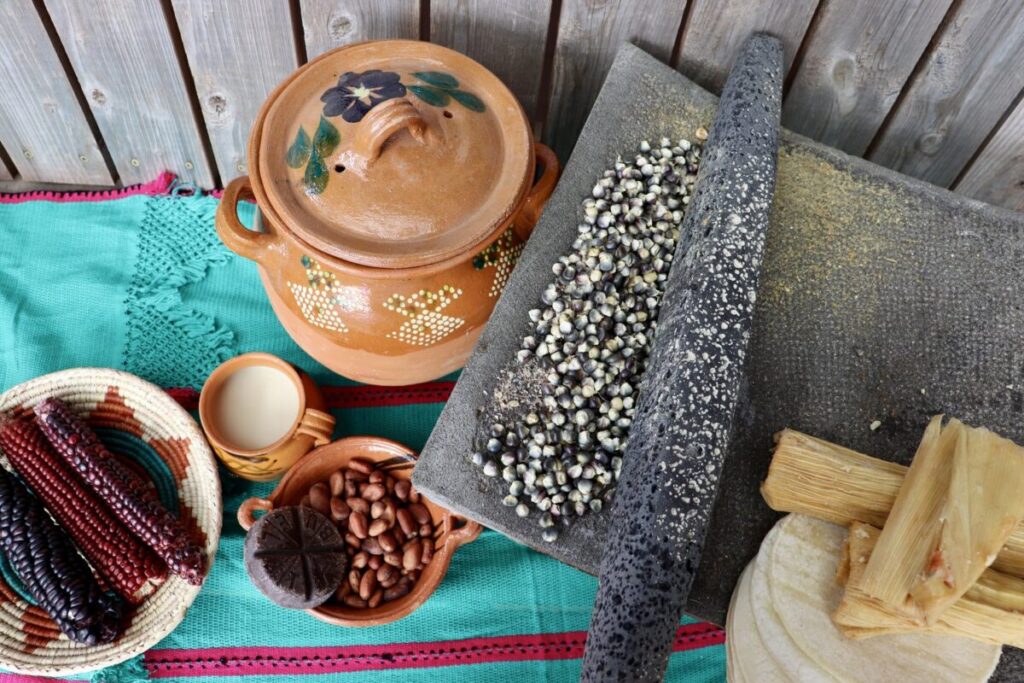
- A truly immersive indigenous cooking experience where traditional methods and cultural heritage take center stage
The Anahuac outdoor traditional kitchen drops you straight into a world where people still cook the ancestral way—over open flames. It’s not just dinner; it’s a time machine that lets you experience food prep methods that haven’t changed in centuries.
Indigenous languages swirl around you as local cooks show off their skills. You’ll hear native tongues that have echoed through this region for ages, which adds a whole extra layer to the experience.
These cooks walk you through preparing regional specialties using time-honored techniques and ingredients that tell the story of Oaxaca. The whole thing feels alive, not staged.
What really stands out here is how food, language, and culture all blend together. Instead of just eating Oaxacan dishes, you actually join the tradition—taking part in food practices that have kept communities going for generations.
2. Guided Downtown Oaxaca Food & Drink Tour
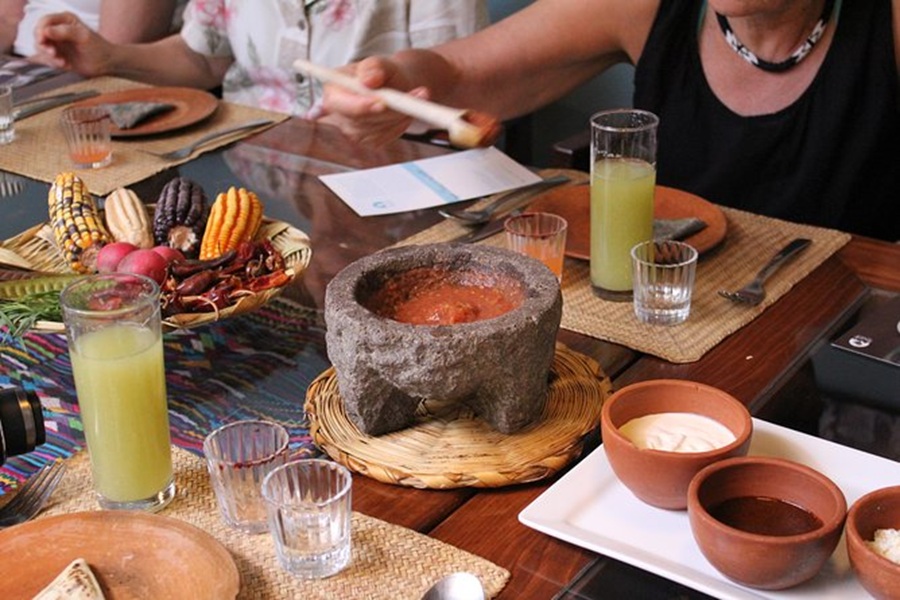
- This immersive walking tour takes you through Oaxaca’s vibrant downtown, where you’ll sample authentic cuisine at both famous and hidden local spots.
Downtown Oaxaca’s walking food tours are honestly one of the best ways to get into indigenous food traditions. In about four hours, you’ll hit up four different restaurants and taste up to 20 different foods and drinks.
What’s great is how these tours mix well-known spots with hidden gems you’d probably never stumble on by yourself. You get to sit down at each stop, so there’s no rush—just a relaxed, tasty adventure.
You’ll sample both alcoholic and non-alcoholic traditional drinks, which really lets you explore the full range of Oaxacan flavors.
Guides from places like Oaxaca Eats Food Tours don’t just walk you around—they explain the indigenous roots of each dish. You’ll get the backstory on what you’re eating as you wander the colorful streets of Centro.
3. The Oaxaca Mezcal Experience

• This smoky spirit is central to Oaxacan culture and offers visitors a chance to understand traditional production methods that have been passed down for generations.
Mezcal isn’t just a drink here—it’s woven into daily life. You can join tours that head out to various villages, where mezcaleros (mezcal makers) still use old-school methods to craft this unique spirit.
These experiences usually last four to six days, so you get plenty of time to really get your hands on the process. You’ll touch, smell, and taste every step.
Many tours stop at several villages, showing off both artisanal and ancestral techniques. Watching the differences up close is pretty eye-opening.
If you’re pressed for time, swing by Mezcaleria Cuish near downtown. Their tastings cover a wide range, and you’ll get a crash course in the complex flavors of mezcal.
What sticks with you is the connection to both land and people. Sipping mezcal with local producers, you start to really appreciate the skill and tradition behind this indigenous spirit.
4. Oaxaca Ancestral Food Experience with Local Producers
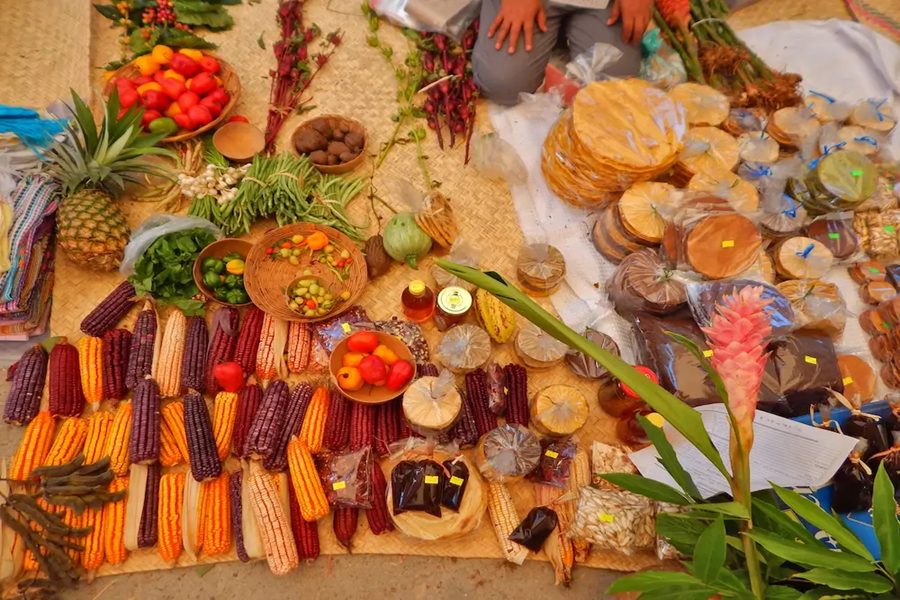
- This immersive food experience connects you directly with local producers, offering a genuine cultural exchange and deep dive into Oaxaca’s ancestral food traditions.
When you sign up for this, you actually visit the folks who grow and make Oaxaca’s food. It’s not a tourist show—these are real conversations with locals who’ve kept traditional foodways alive for generations.
You’ll dig into ancestral foods that are the backbone of Oaxacan cuisine. The hands-on part is awesome—you might even get to make your own traditional drink.
Pulque, that ancient fermented agave beverage, often makes an appearance. You could end up in a pulquería, swapping stories with locals about this sacred pre-Hispanic drink.
The best part is how community members share their own stories, making the food heritage personal and memorable.
5. Hands-on Indigenous Cooking Workshop
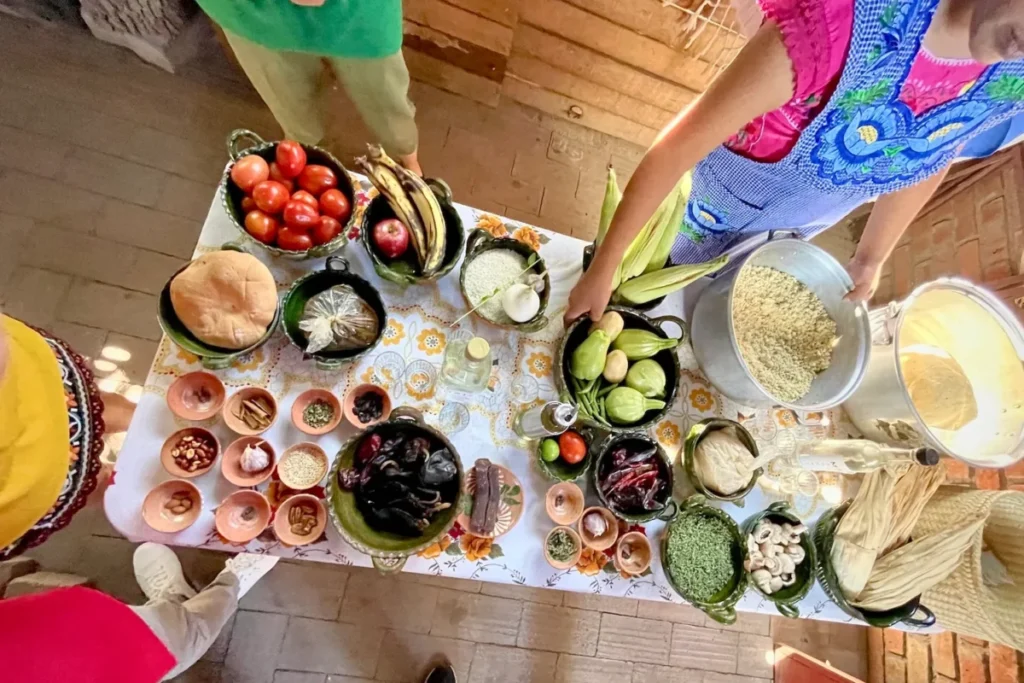
- Learn traditional Oaxacan cooking techniques directly from indigenous cooks with decades of experience in pre-Hispanic food preparation
There’s nothing quite like cooking with local experts to get under the skin of a culture. In Oaxaca, hands-on indigenous cooking workshops let you learn ancestral techniques right from the people who know them best.
You’ll actually make authentic Oaxacan dishes using ancient methods. Working with native ingredients—some of which go back centuries before Europeans arrived—feels pretty special.
Many of these workshops are run by folks like Minerva Lopez, who has over 40 years of experience in pre-Hispanic cooking. Instructors often sprinkle in stories about why each ingredient or dish matters.
What sets these classes apart is the participation. You won’t just watch; you’ll grind corn, toast chiles, and whip up mole from scratch. You’ll leave with real skills to bring home.
Most classes kick off with a trip to the market for fresh ingredients. Seeing how locals pick out produce for traditional recipes is an eye-opener.
6. Exploring Oaxacan Street Taco Stands

• Street tacos – Oaxaca’s taco stands offer authentic flavors you won’t find anywhere else in Mexico, with unique regional ingredients and cooking techniques.
As you wander Oaxaca City at night, the scent of sizzling meat and toasting tortillas is impossible to ignore. Street taco stands light up the sidewalks, drawing people in for a true taste of local food culture.
Oaxacan tacos aren’t like those from other parts of Mexico—they often use indigenous ingredients and old-school preparations. You’ll spot tacos de cazuela (stew-filled tacos) that highlight pre-Hispanic cooking.
The best stands are where locals line up. Don’t skip tacos al pastor, with marinated pork spinning on a vertical spit—a delicious blend of indigenous and outside influences.
For something extra special, try tacos de lechón (suckling pig). The meat is melt-in-your-mouth tender and usually made with recipes handed down through families.
Top your tacos with local salsas featuring Oaxacan chiles. The mix of smoky, spicy, and tangy flavors is just unforgettable, and it really ties you to indigenous food traditions.
7. Visiting Traditional Corn and Mole Producers
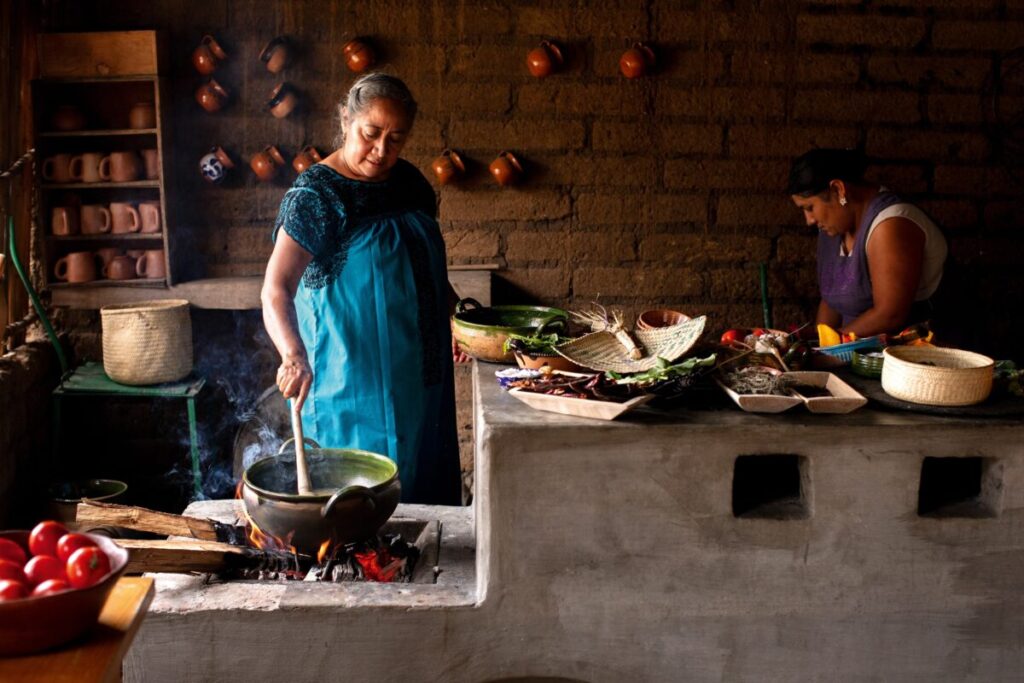
• This experience connects you with the heart of Oaxacan cooking – the people who grow and process the most essential ingredients in traditional cuisine.
You just can’t visit Oaxaca without meeting the families who’ve been making corn and mole for ages. These are real working places where ancient techniques are still part of daily life.
I once stumbled into a tiny family corn mill in a village outside Oaxaca City, where they still use stone grinders that have been around for thousands of years. They showed me how they nixtamalize corn with lime water to make masa for tortillas and tamales.
Mole producers are just as fascinating. In markets and villages, families craft mole pastes with up to 30 ingredients—everything from various chiles to nuts, seeds, and chocolate.
Some producers welcome visitors for tastings, and a few even let you try grinding corn on a metate or blending mole ingredients by hand. The smells alone are worth the visit.
8. Tasting Regional Mezcal Varieties in Local Distilleries
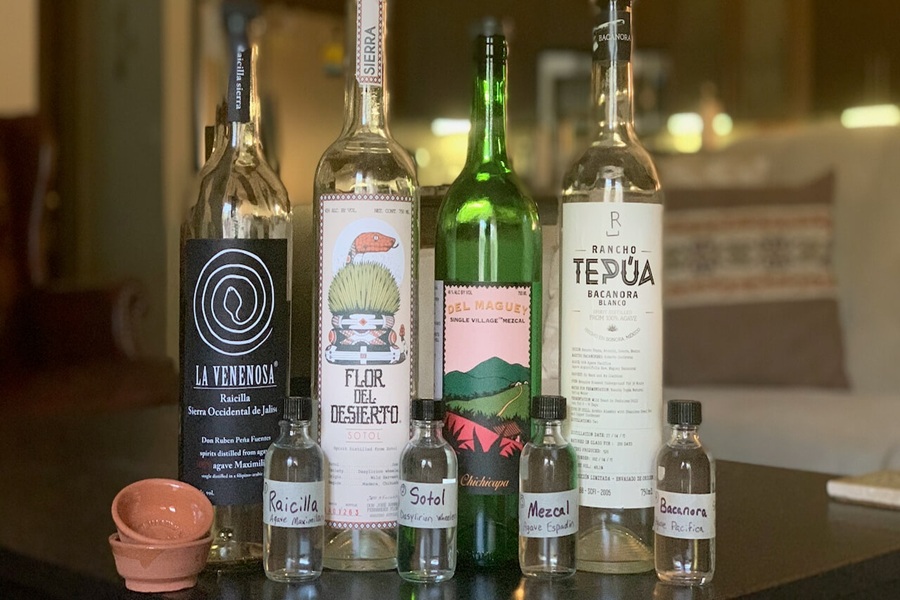
- Mezcal is Oaxaca’s signature spirit, made from agave plants using traditional methods passed down through generations.
No Oaxaca trip is really complete until you’ve sampled mezcal at the source. Unlike tequila, mezcal can come from over 30 types of agave, so the flavors range from smoky to sweet and everything in between.
Matatlán, called the “World Capital of Mezcal,” has family-run palenques (distilleries) that welcome visitors. You’ll see how they roast agave hearts in underground pits, which gives mezcal its signature smokiness.
If you want to stay in the city, check out Mezcaloteca or In Situ. These mezcalerias do guided tastings of rare, indigenous varieties you won’t find anywhere else.
Short on time? Places like El Cortijo, Cuish, and Selva offer plenty of options right in Oaxaca City, often with small plates to pair with the mezcal.
Take your time and sip slowly—locals say, “para todo mal, mezcal, y para todo bien, también” (for everything bad, mezcal, and for everything good, too).
9. Learning to Make Traditional Oaxacan Drinks
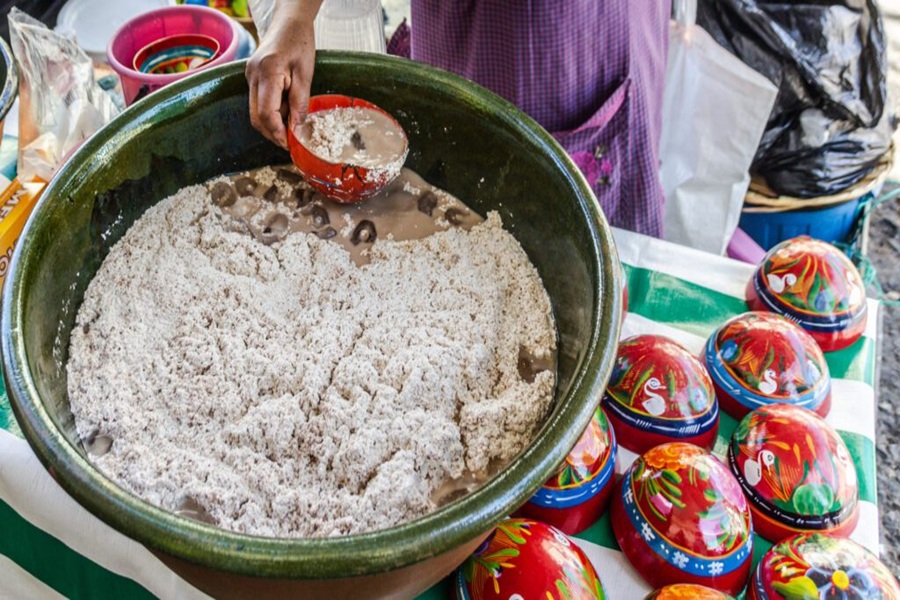
• Hands-on drink-making experiences that connect you with Oaxaca’s beverage traditions
Oaxaca’s culinary magic isn’t just about food—the drinks are just as special. You can join cooking classes that teach you how to make traditional Oaxacan beverages, usually alongside appetizers and main courses.
A lot of workshops start with a welcome drink in a garden, helping you settle into the vibe before you get started. It’s a nice touch, honestly.
You’ll dive into the history of sacred foods and ancestral drink-making techniques. Local experts walk you through each step as you prepare these unique beverages.
The best part is chatting with locals as you go. You don’t just taste these drinks—you get the backstory and see why they matter in Oaxacan culture.
These classes leave you with a deeper love for Oaxaca’s food traditions, plus a few new recipes to share back home. And, let’s be real, learning while sipping something tasty? Always a win.
10. Experiencing Indigenous Language and Food Culture

- The ultimate immersion in Oaxacan indigenous culture combines language learning with food exploration
Oaxaca is home to 16 different indigenous groups, each with their own dialects, customs, and food traditions. Picking up a few words in Zapotec or Mixtec while cooking traditional dishes just makes the experience richer.
Some communities run language and cooking workshops where you learn basic greetings while whipping up ancestral recipes. It’s wild how fast you pick up new words when they’re tied to food.
You’ll notice that indigenous languages have unique words for cooking techniques and ingredients that don’t really translate into Spanish or English. That says a lot about how deeply food and language are connected here.
Sometimes tours pair you with local families who teach you to cook while speaking in their native tongue. Maybe you’ll count in Zapotec while measuring corn for tortillas, or learn plant names while foraging for herbs.
This isn’t just about eating—it’s about seeing how language shapes food and identity in Oaxaca’s indigenous communities.
Understanding Indigenous Cuisine in Oaxaca
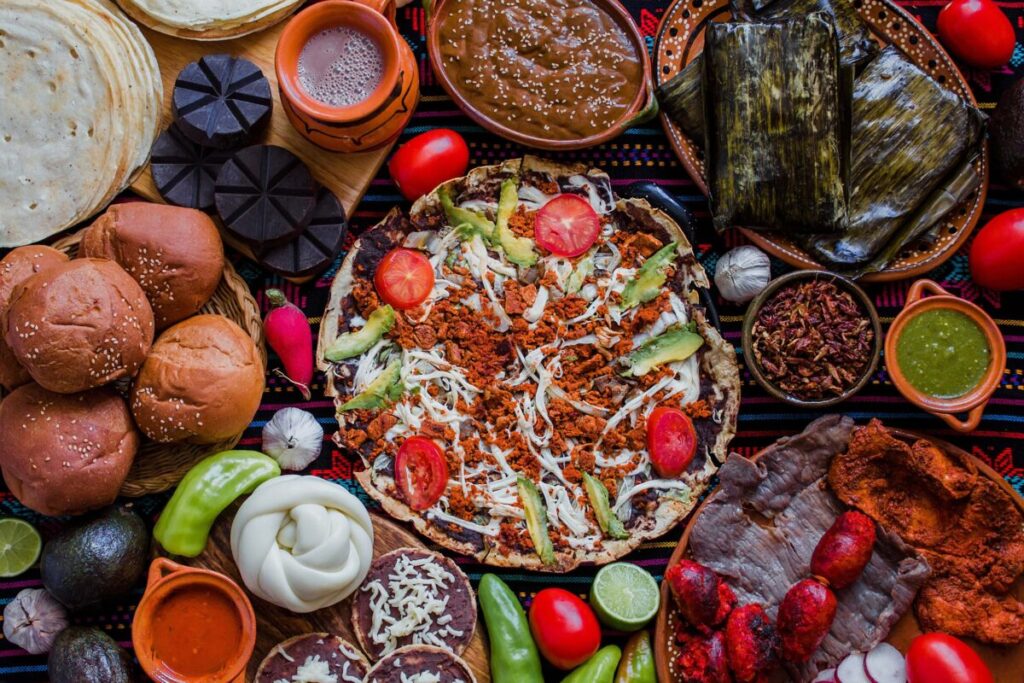
Oaxacan indigenous cuisine goes back thousands of years and carries deep cultural meaning. The region’s wild geography and 16 distinct indigenous groups have created one of Mexico’s most celebrated food scenes, where ancient techniques and ingredients still thrive.
Key Native Ingredients and Their Stories
Corn, beans, and chiles make up the core of Oaxacan cooking, but the pantry stretches way beyond that. Chapulines (grasshoppers) pop up at markets as a crunchy, lime-and-chile-seasoned protein—not just a tourist gimmick, but a legit traditional food.
Heirloom corn varieties in all sorts of vibrant colors become the masa (corn dough) for everything from tlayudas to tamales. Each variety tells its own story about the land it comes from.
Mole, Oaxaca’s legendary sauce, really shows off indigenous creativity with its crazy mix of ingredients. The “seven moles of Oaxaca” range from the chocolatey mole negro to the herbal mole verde, each one tied to a different community’s traditions.
Wild herbs like epazote, hoja santa, and hierba de conejo give dishes flavors you just won’t find anywhere else. These plants connect today’s food to ancient healing practices.
The Influence of Zapotec and Mixtec Food Traditions
The Zapotec and Mixtec peoples, Oaxaca’s largest indigenous groups, have shaped the region’s food identity in powerful ways. Zapotec communities in the Central Valleys create dishes like tlayudas—giant tortillas loaded with beans, cheese, and meats. You’ll spot these at street stands all over Oaxaca City.
Mixtec cuisine, coming from the mountainous parts, brings hearty stews and creative uses of wild game and foraged plants. People in these communities still use traditional pit-cooking, which has inspired barbacoa and other slow-cooked classics.
Pre-Hispanic techniques like nixtamalization—treating corn with lime—still survive after centuries. When you bite into a handmade tortilla, you’re tasting the same process the ancients developed.
Community celebrations are at the heart of indigenous food culture. During festivals like Guelaguetza, traditional dishes become a way to share memory and identity, passed down by generations of home cooks.
Tips for Respectful Culinary Experiences
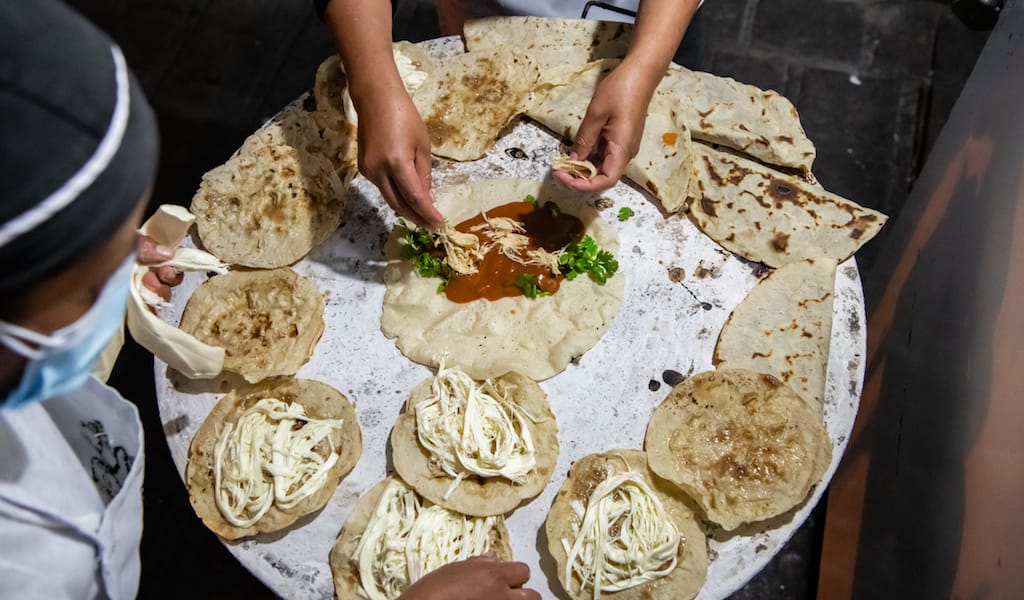
Exploring indigenous foods in Oaxaca opens up a window into ancient traditions. But honestly, it’s important to approach these moments with respect and cultural sensitivity. How you interact with local communities and markets can shape your experience—and theirs.
Participating in Community-Based Food Tours
Try to find tours run by indigenous communities themselves, not just outside companies. These tours usually feel more real and ensure your money goes straight to local families.
Ask about the tour’s relationship with the community and how profits get shared before you book. It’s worth the extra effort.
Always ask before snapping photos of people preparing food. What feels like a casual shot to you might feel invasive to someone just working.
Come ready to try new things, even if you’re a little nervous. If you have dietary restrictions, mention them before the tour instead of refusing food at the table. That can come off as rude.
Bring small bills for purchases and tips. A lot of small communities just can’t break big bills.
Cultural Etiquette When Visiting Indigenous Markets
Markets aren’t just places to shop—they’re social hubs. Say “buenos días” to vendors before you start buying. Take a minute to chat instead of just rushing through.
If you can, learn a few basic phrases in Zapotec or Mixtec. Even a simple greeting shows so much respect.
Bargaining is normal, but keep it fair. Remember, these handmade foods and crafts are someone’s livelihood.
Don’t touch food without asking. Just point and say, “¿Puedo?” (May I?).
Try to buy something from vendors you spend time talking with or photographing. Their stories and knowledge have value.
Dress modestly when you visit traditional markets. It’s a simple way to show respect in more conservative places.
Frequently Asked Questions
Oaxaca gets a lot of curious visitors who want to experience indigenous food culture. Here are answers to some of the questions that pop up most often.
What are the top traditional Oaxacan dishes you must try while visiting?
Oaxaca is famous for its seven classic moles, especially mole negro. This sauce packs over 30 ingredients—chocolate and chilis among them. You should absolutely try it over chicken or turkey.
Tlayudas are another must. People call them “Oaxacan pizza”—big toasted tortillas with beans, cheese, meat, and veggies. They’re great for sharing.
Chapulines (toasted grasshoppers) might sound wild, but these crunchy, lime-seasoned snacks are a protein-rich favorite locals have eaten for ages.
How do you find authentic indigenous cooking experiences in Oaxaca?
The Anahuac Outdoor Traditional Kitchen Experience gives you a real taste of Oaxacan cooking. You’ll use pre-Hispanic techniques in an outdoor kitchen setting.
Local markets like Central de Abastos and Mercado 20 de Noviembre are perfect for meeting indigenous food vendors. Strike up a chat with the cooks—sometimes they’ll even share family recipes.
Ask your hotel or hostel if they know families offering cooking lessons. Many locals teach traditional methods to visitors and supplement their income this way.
Which local food tours offer the best insight into Oaxaca’s indigenous cuisine?
The Guided Downtown Oaxaca Food & Drink Tour takes you through the historic center, sampling street foods and explaining their indigenous roots. It’s a solid choice for first-timers.
Oaxaca Ancestral Food Experience stands out by connecting you directly with local producers. You’ll visit their homes and farms to see how ingredients get grown and prepared.
If you’re into mezcal, The Oaxaca Mezcal Experience pairs traditional spirits with indigenous food, showing how those flavors have worked together for generations.
Can you recommend any Michelin-recommended spots for local foods in Oaxaca?
Michelin doesn’t cover Oaxaca with its star system yet, but Casa Oaxaca has earned international recognition for its elevated indigenous cuisine. Chef Alejandro Ruiz puts a modern spin on traditional dishes.
Origen, led by chef Rodolfo Castellanos, gets a lot of buzz for its creative use of Oaxacan ingredients and respect for indigenous cooking.
Criollo, a collaboration between Enrique Olvera and Luis Arellano, serves a daily-changing menu based on whatever’s freshest at local indigenous markets.
What restaurants in Oaxaca Centro are known for their indigenous dishes?
Itanoni focuses on corn-based dishes made with heirloom varieties from indigenous farmers. Their tetelas and memelas really highlight the diversity of Oaxacan corn.
La Teca serves up authentic Isthmus cuisine from the Tehuantepec region. You’ve got to try their garnachas and estofado de bodas—these flavors are totally unique to that area.
Las Quince Letras offers traditional Oaxacan food in a beautiful colonial space. Their mole coloradito and estofado de almendra stick close to recipes passed down through generations.
What unique indigenous beverages should you not miss out on in Oaxaca?
Tejate goes way back—it’s an ancient pre-Hispanic drink, and people make it from maize and cacao. Indigenous women still prepare it by hand, and honestly, the frothy, cool taste feels like a treat that once only Zapotec nobility could enjoy.
Chocolate de agua is another must-try. Oaxacans make this hot chocolate with water, not milk, and somehow that just makes the locally-grown cacao pop with all these layered flavors.
Pulque might surprise you. Indigenous producers create this milky, fermented drink from agave sap, and it actually predates mezcal in Oaxacan culture. If you get the chance to try fresh pulque, you’re tasting something with thousands of years of history in every sip.
Leave a Reply