
Traveling feels out of reach for a lot of people, mostly because of the high costs. But there’s a trick that seasoned travelers lean on to see the world without emptying their wallets.
Credit card travel points can absolutely change the game, letting you fly, stay in hotels, and enjoy experiences that might otherwise seem way too expensive. If you want the most bang for your buck, transfer your travel credit card points directly to airline and hotel partners—this is usually where you’ll get the highest value.
If you’re new to this whole points thing, don’t stress—it’s honestly easier than it sounds. You can pick up points just by spending as usual, grabbing sign-up bonuses, or jumping on special promos.
Once you’ve got a stash, you have choices: book through your card’s travel portal, transfer points to travel partners, or even use them as statement credits on travel purchases.
Key Takeaways
- Travel credit cards rack up points on daily spending, and you can redeem those for flights, hotels, or other travel costs.
- Transferring points to airline and hotel partners usually gives you more value than just redeeming through the card’s portal.
- Sign-up bonuses are the fastest way to get enough points for your first free trip.
Understanding Travel Credit Card Points
Travel credit card points open the door to cheaper vacations and better travel experiences. If you use them right, you can cut your travel costs by a lot—or even travel for free.
What Are Travel Credit Card Points?
Travel credit card points are rewards you collect when you spend with certain credit cards. It’s basically a little “thank you” from the credit card company for picking their card.
Every time you swipe, tap, or enter your card number, you’re banking points or miles. These points act like a special currency in the travel world.
Depending on your card and what you’re buying, you might earn anywhere from 1 to 5 points per dollar. Some cards throw in extra points for travel or dining.
The fun part is redeeming them. You can use points to book flights, hotel rooms, rental cars, or other travel expenses. Tons of travelers use these rewards to upgrade an experience or finally visit a dream destination.
Types of Travel Rewards Programs
Travel rewards programs generally break down into three main categories:
Airline-specific programs – Cards like Delta SkyMiles or United MileagePlus earn you miles for a particular airline. These are perfect if you’re loyal to one carrier.
Hotel-focused programs – Cards like Marriott Bonvoy or Hilton Honors help you earn free hotel nights. They often toss in perks like room upgrades or late checkout.
Flexible points systems – Cards from Chase, American Express, or Capital One give you transferable points. You can move these points to different travel partners or book through their portal
A few cards mix things up and let you redeem points in multiple ways. The right program for you really depends on your own travel style. If you like variety and use different airlines, flexible points might make the most sense.
How Travel Credit Card Points Work
Earning points is simple: just use your card and watch them add up. Many cards have bonus categories that help you earn even more.
For example, you might snag 3x points on dining or 2x on travel. When you’re ready to use your points, you usually get a few options:
- Book travel directly through your card’s travel portal.
- Transfer points to airline or hotel partners.
- Use points as statement credits for travel purchases.
- Trade them for gift cards or merchandise (but that’s usually not the best value).
Point values can swing a lot based on how you redeem them. Generally, you’ll get more value using points for travel instead of cash back or stuff. Premium redemptions like business class flights can really stretch your points.
Just keep in mind, some programs let points expire, and certain redemptions might have blackout dates or limited seats. Always check your program’s rules.
Choosing the Right Travel Credit Card

Picking the right travel credit card starts with understanding your own travel patterns and comparing what each card brings to the table. The right choice can save you hundreds—maybe even thousands—on future trips.
Assessing Your Travel Goals
Take a step back and think about how you actually travel, not just how you wish you traveled. Do you stick with one airline most of the time? Maybe a co-branded airline card is for you.
If you’re more of a free agent, a general travel rewards card could be the winner. I’ve found that jotting down your top destinations for the year really helps clarify things.
Are you planning international adventures or sticking to domestic getaways? That makes a difference in which card perks will matter most.
Look at your spending habits too. Some cards give bonus points for dining or groceries, others reward gas. Pick a card that matches where you already spend.
Comparing Card Features
Annual fees are all over the place—from $0 to $695—so weigh what you’re actually getting for that price. Premium cards often come with lounge access, Global Entry credits, or travel insurance.
Check out these features:
- Sign-up bonus: Often worth $500–$1,000 in travel
- Point earning rate: How many points do you get per dollar?
- Redemption options: Are the points flexible?
- Travel perks: Things like priority boarding, free checked bags, hotel status
Some cards give 1.5x points on everything, while others bump you up to 3–5x in certain categories. In my experience, a card with 3x points on travel and dining is a powerhouse if that’s where you spend most.
Evaluating Credit Card Offers
Timing matters when you’re applying for a new travel card. A lot of cards roll out bigger welcome bonuses at certain times of year.
Read the fine print before you hit “apply.” The best travel cards usually want excellent credit (740+), and sometimes a certain income.
Watch out for spending requirements. Many of those juicy sign-up bonuses make you spend $3,000–$5,000 in a few months.
Don’t just look at the headline number—compare how much points are actually worth. A card with 60,000 points might sound better than one with 50,000, but if the points are worth less, it’s not really a better deal.
Maximizing Points Earning Potential
Getting the most from your travel credit cards means knowing how to rack up points fast. A few smart moves can help you earn enough for a dream trip way sooner than you’d expect.
Earning Points on Travel Purchases
Travel purchases are a great way to boost your points pile. Most travel cards give you 2–5x points when you book flights, hotels, or rental cars directly or through the card’s portal.
Let’s say you book a $500 flight with a card that gives 3x points on travel. That’s 1,500 points instead of just 500—triple the value!
Don’t overlook rideshares, parking, or train tickets. Many cards count these as travel too. Check your card’s definition of “travel”—it’s usually broader than you’d guess.
I always use my travel card for airport parking. Those $30 fees add up to a nice stash of points eventually.
Leveraging Bonus Categories
Bonus categories are a goldmine for points. Many travel cards offer extra points for spending in areas like dining, groceries, or gas.
Keep tabs on which card gives you the most for each type of purchase:
- Card A: 4x on dining
- Card B: 3x on groceries
- Card C: 5x on travel
I keep a little note in my wallet to remind me which card to use where. It’s a simple trick, but it’s doubled my points.
Some cards rotate bonus categories every quarter. Set a calendar reminder when they change so you don’t miss out on 5x points at restaurants or grocery stores.
And don’t forget about online shopping portals. A lot of issuers offer bonus points when you shop through their portal—sometimes up to 10x the usual rate.
Meeting Spending Requirements
A bit of planning helps you hit those minimum spending requirements without buying stuff you don’t need.
Time big purchases with new card sign-ups. Need a new fridge or planning a home project? That’s a great time to open a new card with a bonus.
Pay annual bills in advance if you can. Insurance, memberships, and subscriptions can sometimes be prepaid to help you reach your goal.
Here are some everyday expenses that might count:
- Rent or mortgage (some services let you pay by credit card)
- Utility bills
- Medical costs
- Charitable donations
- Tax payments
Just make sure you pay your balance in full every month. Interest charges will wipe out any points you earn—fast.
Taking Advantage of Sign-Up Bonuses
Sign-up bonuses are the fastest way to grab a big chunk of points. Many cards dangle bonuses of 50,000 points or more if you meet a spending requirement.
Check the timing before you apply. Card issuers often boost their welcome bonuses during certain times of year. Sometimes you’ll see a bonus jump from 60,000 to 100,000 points for a limited time.
Make sure you’re eligible. Some banks have rules about how often you can get a bonus. For example, Chase’s “5/24 rule” blocks you if you’ve opened five or more cards in the last 24 months.
Always compare the real value of different bonuses. An 80,000-point offer might look better than 60,000, but if the points are worth half as much, the smaller bonus wins.
Read the fine print on when your bonus will show up. Most post 8–12 weeks after you meet the requirement.
Transferring and Managing Points
Moving your points to partner programs is one of the most powerful ways to get more from your travel card. If you know when and how to transfer, you can get a lot more value.
How to Transfer Points to Partners
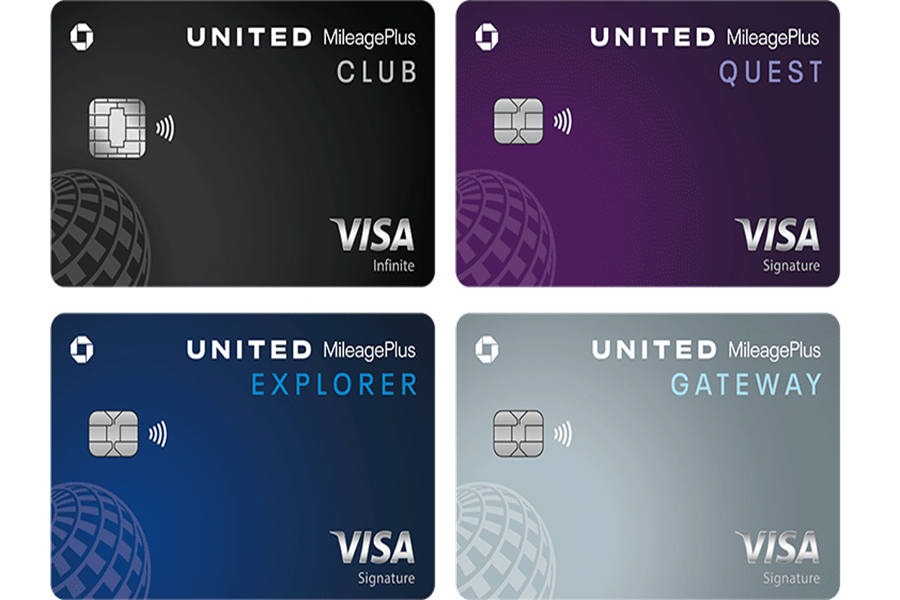
Most premium travel cards let you move points to airline and hotel loyalty programs. To transfer, log into your account and find the “Transfer Partners” section. Pick your partner—maybe United MileagePlus or Marriott Bonvoy—and punch in your loyalty number.
Always check if your partner has the award space you need before transferring. I’ve learned the hard way—transfers are usually permanent, so don’t move points until you’re sure.
Some transfers happen instantly, but others can take a few days. If you’re planning a trip, timing matters. I actually keep a transfer timing spreadsheet so I don’t forget which partners are fast.
Understanding Transfer Ratios and Limits
Not all transfers are created equal! Transfer ratios vary between issuers and partners. Ideally, you want a 1:1 ratio—one card point for one airline mile or hotel point.
Sometimes you’ll see even better deals during promos. I once scored a 30% bonus transferring to Virgin Atlantic.
Pay attention to minimum transfer amounts. Most programs want transfers in 1,000-point chunks. And don’t forget about daily or monthly limits if you’re booking a big trip.
Transfers are usually final, so double-check everything before you hit confirm. I always do the math first. For example, if you transfer 50,000 points to book a business class ticket that would cost $2,000, you’re getting 4 cents per point—way better than the typical 1–1.5 cents from portals.
Redeeming Travel Credit Card Points
When it’s finally time to use those points you’ve been hoarding, you’ve got options. The best way to redeem depends on your style and what gives you the most value.
Redeeming for Flights
Flights are often the sweet spot for points. Most programs let you book right through your card’s travel portal, just like any other booking site—prices show up in dollars and points.
You can also transfer points to airline partners. It might seem a little daunting at first, but the value can be huge. For example, 50,000 points might get you $500 in the portal, but could score a $900 international flight with an airline transfer.
Some cards let you book flights anywhere and then wipe out the charge with points. Just book with your card, then use points as a statement credit. This is perfect for budget airlines or when you stumble on a great deal elsewhere.
Redeeming for Hotels
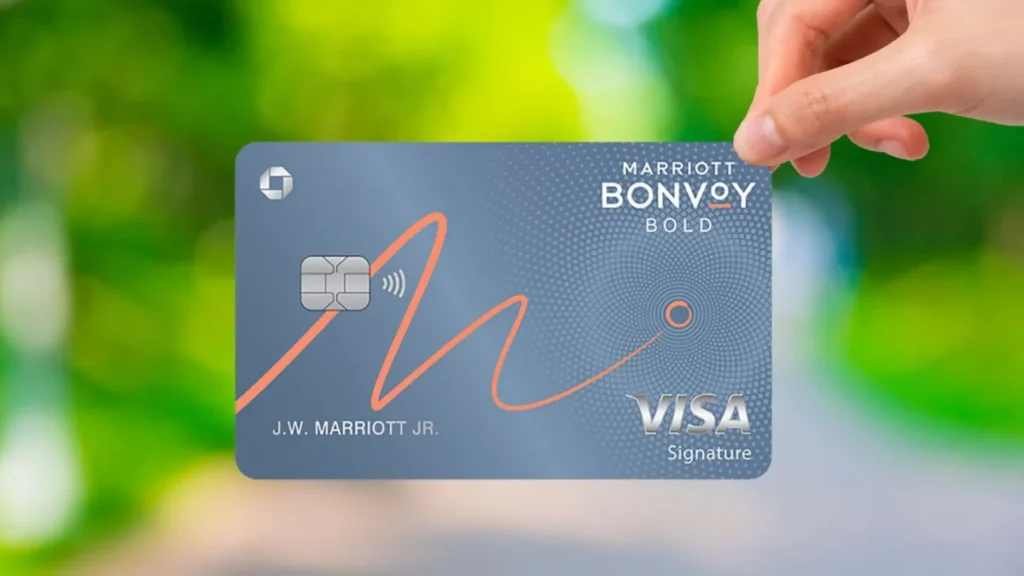
Hotels give you a lot of flexibility. You can book through your credit card’s travel portal with points—super simple.
Premium travel cards often partner with hotel chains like Marriott, Hilton, or Hyatt. Transferring your points to these programs might land you luxury stays for fewer points. Watch for transfer bonuses to stretch your points even further.
Independent hotels aren’t part of loyalty programs, so for those, just use your card’s portal or book direct and use the “erase” feature for your statement. This flexibility is a lifesaver if you’re headed somewhere without the big chains or want a more local vibe.
If you’re traveling abroad, your points can help you dodge foreign transaction fees. You might also want to grab an eSIM for your phone to stay connected while sorting out your accommodations.
Exploring Additional Redemption Options
Travel credit cards are more versatile than most people think. Besides flights and hotels, your points can unlock a bunch of travel experiences and even some non-travel rewards if that’s more your style.
Booking Car Rentals and Cruises

Most travel rewards programs let you use points for car rentals, which is honestly a lifesaver when you need wheels at your destination. You can usually book right through your card’s travel portal, and you’ll see rental cars listed alongside flights and hotels.
Chase Ultimate Rewards and American Express Travel tend to offer pretty competitive rates when you use points for rentals. It’s nice not having to shell out cash after a long flight, isn’t it?
If you love cruises, your points can get you out on the water too. Plenty of premium travel cards let you book cruises through their portals—Capital One and Chase both provide solid value for cruise redemptions.
Some programs even toss in exclusive onboard credits or cabin upgrades when you book with points. Just search for cruises in your card’s portal, pick your sailing, and pay with points instead of cash. Simple enough!
Exchanging for Gift Cards
Not traveling right now? Your points don’t have to gather dust. Swapping them for gift cards is a handy way to cover everyday expenses.
Most major credit card rewards programs have gift card options from places like Amazon, Target, and all sorts of restaurant chains. The value per point can swing quite a bit, though.
Sometimes, during promotions, you get a much better deal—I’ve seen values jump by 20% or so when they’re running special offers. American Express Membership Rewards and Chase Ultimate Rewards usually give decent value for gift card redemptions.
Keep an eye out for those promos where you snag a $25 gift card for just 2,000 points instead of the usual 2,500. It’s a small win, but hey, it adds up.
Cash Back and Cashback Options
Sometimes you just want cash—no shame in that! Most travel cards let you redeem points for statement credits or even direct deposits to your bank account.
This flexibility can be a real lifesaver when you need to cover expenses instead of booking more travel. The cash back options usually give you 0.5 to 1 cent per point, which is generally less than you’d get for travel.
Capital One and Chase tend to offer the better cash redemption rates, often landing at 1 cent per point. Some cards also let you “Pay with Points” at checkout with places like Amazon or PayPal.
It’s convenient, but the value per point is usually the lowest—maybe 0.7 or 0.8 cents. I wouldn’t rely on it unless you really need the convenience.
Using Travel Portals and Booking Platforms
Travel portals make it easy to use your credit card points for flights, hotels, and other travel expenses. Most big credit card companies run their own booking platforms, and your points can sometimes be worth more there than if you cashed them out another way.
Booking Through Your Card’s Travel Portal

Credit card travel portals work a lot like regular booking sites, but here’s the kicker—you get to pay with points instead of cash. When you log into your credit card account, just find the travel section and start searching for flights, hotels, car rentals, or even cruises.
The value of your points depends on which card you have. For example, some Chase cards boost your points’ value by 25% or even 50% when you book through their portal.
A point that’s normally worth 1 cent could suddenly be worth 1.25 or 1.5 cents. That’s a nice little bump.
If you don’t have enough points to cover the whole trip, you can often combine points and cash. Just pick that option at checkout when searching for flights and hotels. It’s a good way to stretch what you’ve got.
Maximizing Bookings with American Express Travel
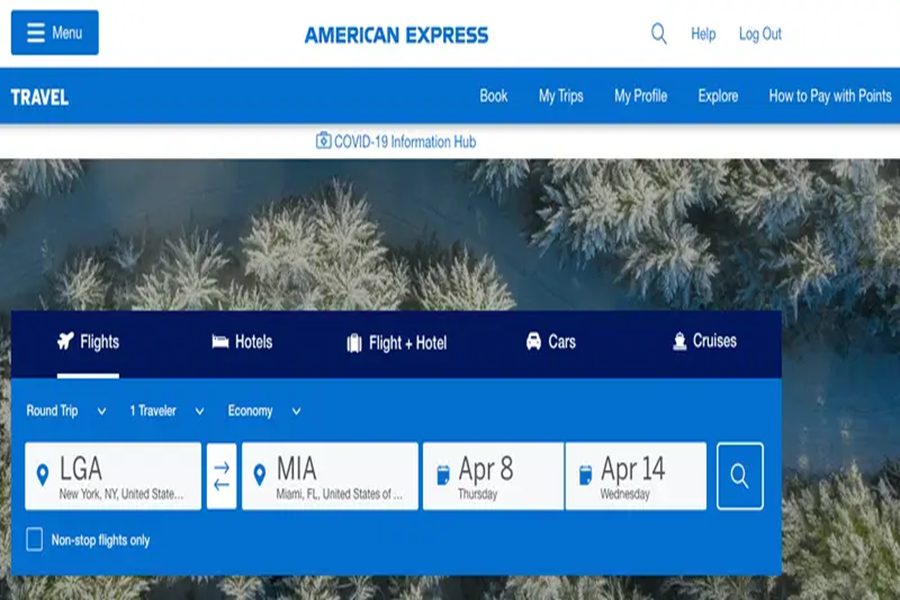
American Express Travel stands out with some unique perks. Amex Platinum and Gold cardholders can rack up extra points on travel booked through their portal.
The portal often has exclusive deals you won’t see anywhere else—like special hotel rates, room upgrades, and property credits at luxury hotels through their Fine Hotels & Resorts program.
Amex points are flexible too. You can apply them to all or part of your travel expenses, and sometimes they run promos where you get discounts for using a set number of points.
A cool feature? Their Pay with Points option lets you book first and decide later if you want to use points for that purchase. Gives you a little breathing room to figure out if it’s the best call.
Optimizing Hotel Rewards
Hotel rewards programs can offer a ton of value if you play your cards right. With a solid strategy, you can score free nights, room upgrades, and little perks that just make travel more comfortable.
Earning and Using Hotel Loyalty Points
Sticking with one hotel chain really pays off for building up points. Marriott Bonvoy, Hilton Honors, and World of Hyatt are some of the big ones, each with their own sweet spots.
Hilton Honors points might look like they require more per night, but they’re also easier to earn in bigger chunks. The quickest way to pile up hotel points is through co-branded credit cards.
Many of these cards come with generous welcome bonuses—sometimes enough for a few free nights. Most hotel cards also give you bonus points when you spend at their properties.
Don’t forget about dining programs that let you earn hotel points, shopping portals for bonus points on everyday stuff, and promotions like double points or bonus night offers.
When it’s time to redeem, hunt for the best value. Marriott and Hilton’s fifth-night-free benefits can really stretch your points for longer stays.
Unlocking Hotel Elite Status

Elite status can totally change your hotel experience. We’re talking free breakfast, late checkout, room upgrades—the works.
The easiest way to get status is with hotel credit cards, which often hand you mid-tier status just for being a cardholder. Status match is another shortcut.
If you have status with one chain, others might temporarily match it to try to win your business. That’s super useful when your usual brand is missing from your destination.
For frequent travelers, here are a few ideas: focus your stays at one brand to hit status faster, look for status challenges that speed up the process, and always book direct with the hotel instead of a third party.
Even lower-level elite status can make your stay better with perks like free WiFi, bottled water, and dedicated check-in lines. It’s the little things, right?
Popular Travel Credit Cards and Their Programs
Some travel credit cards really stand out these days, offering rewards and benefits that can make travel way more affordable. These cards come with different annual fees, bonus categories, and redemption options to fit your travel style.
Chase Sapphire Preferred Card Benefits
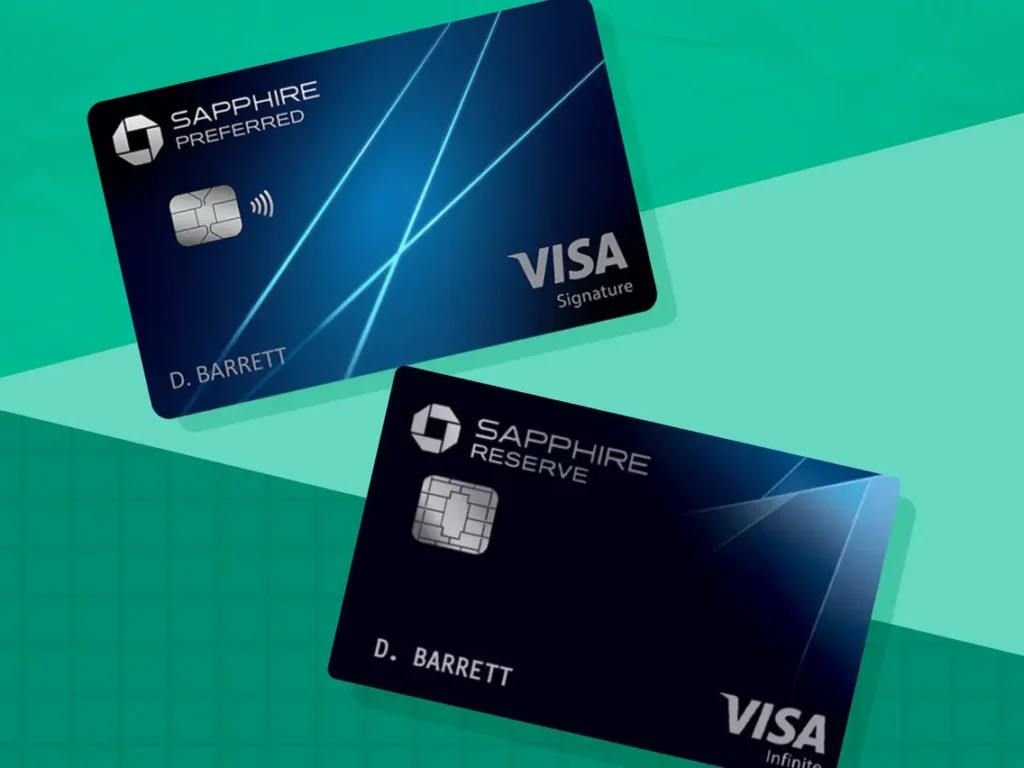
The Chase Sapphire Preferred Card is still one of the best picks for both beginners and seasoned travelers. The annual fee is pretty reasonable (about $95), and you earn 2x points on travel and dining worldwide.
The real magic comes from the Chase Ultimate Rewards portal, where your points are worth 25% more for travel. Flexibility is a big deal here.
You can transfer points 1:1 to major airline and hotel partners like United, Southwest, Hyatt, and Marriott. That opens up a ton of options for booking flights and hotels.
You’ll also get trip cancellation insurance, rental car coverage, and no foreign transaction fees. Those perks really help when you’re traveling abroad.
Comparing Top Rewards Cards for Travel

Choosing between rewards cards? Think about your own travel habits and where you spend the most.
The Capital One Venture gives you a straightforward 2x miles on everything, which is great if you don’t want to mess with bonus categories. For luxury perks, the Amex Platinum delivers things like airport lounge access and hotel elite status, but the annual fee is much higher.
Here’s a quick look at how some top cards stack up:
| Card | Annual Fee | Key Benefits | Best For |
|---|---|---|---|
| Chase Sapphire Preferred | $95 | 2x on travel/dining, 25% more value in portal | Flexible travelers |
| Capital One Venture | $95 | 2x miles on everything | Simplicity seekers |
| Amex Platinum | $695 | Lounge access, hotel status, travel credits | Luxury travelers |
Your ideal card really comes down to where and how you travel. Always check the sign-up bonuses before applying—they can be huge right out of the gate.
Insider Tips for Rewards Travel
Getting the most out of your travel credit card points takes a bit of know-how. A few smart moves can turn those points into some pretty amazing trips.
Booking a Weekend Getaway with Points
Weekend getaways are perfect for using up your travel points. Try booking during off-peak days (Tuesday-Thursday) when fewer people travel—airlines often require fewer points then.
Many hotel chains also have “Point Saver” weekends with discounted redemption rates. Keep an eye out for transfer bonuses too.
Sometimes credit card companies offer 20-30% bonuses when you transfer points to airline partners. That can turn 50,000 points into 65,000, which is a free extra night or maybe an upgraded seat.
Last-minute deals are worth checking. Some rewards programs offer discounted “last-minute awards” to fill empty seats and rooms, even when cash prices are sky-high.
Booking one-way flights instead of round trips can also give you flexibility and sometimes save you points overall.
Maximizing Value for Travel Experiences

Points aren’t just for flights and hotels! Many travel credit cards let you redeem for experiences that would otherwise cost a bundle.
Look into point redemptions for airport lounge access. There’s nothing like a comfy chair, free snacks, and Wi-Fi during a layover—especially when it’s covered by points.
Before buying anything online, sign up for your card’s shopping portal. You can earn 2-5x more points on stuff you were going to buy anyway.
Last year, I earned enough for a hotel night just from holiday shopping through my card’s portal. Also, don’t forget about the annual “travel credit” on premium cards.
Those credits can cover most of the annual fee, so you pretty much get the other benefits for free. If your card offers price protection on travel, use it—some will refund you points if the price drops after you book. That’s a win!
Frequently Asked Questions
Travel credit card points can seem confusing at first, but once you pick up a few basics, you’ll be well on your way to free flights and hotel stays. Here are some answers to common questions travelers ask about maximizing travel rewards.
What is the best way to redeem credit card points for flight bookings?
Transferring points directly to airline partners usually gives you the best bang for your buck. You’ll often get more value per point than booking through a credit card portal.
For example, 50,000 points transferred to an airline could land you a business class seat worth $1,500. Some cards also let you book through their travel portals at a fixed value per point, which is easier if you don’t want to mess with airline award charts.
Always compare both options before you book. Sometimes the portal works better for cheap economy flights, while transfers shine for premium cabins.
How can I maximize the value of my travel points when booking international flights?
To get the most out of your points on international flights, hunt for sweet spots in airline award charts. These are routes where you need fewer points compared to the cash price.
Airline alliances are super helpful—your points with one airline can often book flights on partner airlines, giving you way more options. Book during off-peak seasons when airlines require fewer miles for the same routes.
Consider travel insurance protection for international trips, especially when you’ve booked with valuable points.
What strategies are available for earning airline miles through credit card use?
Sign-up bonuses are by far the fastest way to rack up miles. Many cards toss out 50,000+ points after you hit a spending requirement in the first few months.
Use category bonuses—match your spending to cards that offer extra points for things like travel, dining, or groceries. Put all your regular expenses on your miles-earning cards.
Even 1 point per dollar adds up over time if you use your card for everything from bills to groceries. Set up automatic payments for subscriptions and bills with your travel card to keep the points flowing in.
Is it more advantageous to redeem credit card points for travel or to opt for cashback?
Travel redemptions almost always give you more value than cashback. Cashback might give you 1 cent per point, but travel can be worth 1.5-2 cents or even more.
That said, cashback is more flexible. If you rarely travel or just need the cash, the guaranteed value of cashback might make more sense for you.
Think about your lifestyle. Frequent travelers usually get more out of points, while folks who don’t hit the road much might prefer the simplicity of cash.
What are some tips for using travel rewards points effectively with Bank of America?
Bank of America’s Preferred Rewards program can boost your points earning by 25-75% depending on your account balances. That can make their travel cards a lot more valuable if you already bank with them.
Watch for Bank of America Travel Center promotions—they sometimes offer discounts when you book through their portal.
Check out the Bank of America Premium Rewards card if you want both travel rewards and the ability to redeem for statement credits. It gives you some flexibility if your travel plans change.
How can I estimate the worth of my accumulated travel points, such as 50,000 points?
People usually say travel points are worth around 1 to 2 cents each. That means 50,000 points might get you somewhere between $500 and $1,000 in travel, give or take.
But honestly, the value depends a lot on the program and how you use your points. If you transfer them to airline partners and book premium cabins, sometimes you can squeeze out 3 cents or more per point.
Some websites keep tabs on point values for different programs. I find it handy to check those before redeeming points, just to make sure I’m not leaving value on the table.
If you want to get specific, look up the cash price of what you want to book. Then divide that by the number of points it costs—boom, there’s your cents-per-point for that redemption.
Leave a Reply