Train strikes across Europe are becoming increasingly common in 2025, with major disruptions hitting France, Italy, Germany, and Belgium. But here’s the good news: armed with the right strategies, you can transform potential travel chaos into minor hiccups on your adventure.
Recent data shows that train strikes are planned months ahead but others are announced just days or hours before, making preparation crucial. Whether you’re planning a romantic getaway to Paris or a business trip to Milan, these seven battle-tested tips will keep you moving forward when the rails come to a halt.
1. Master the Art of Strike Monitoring
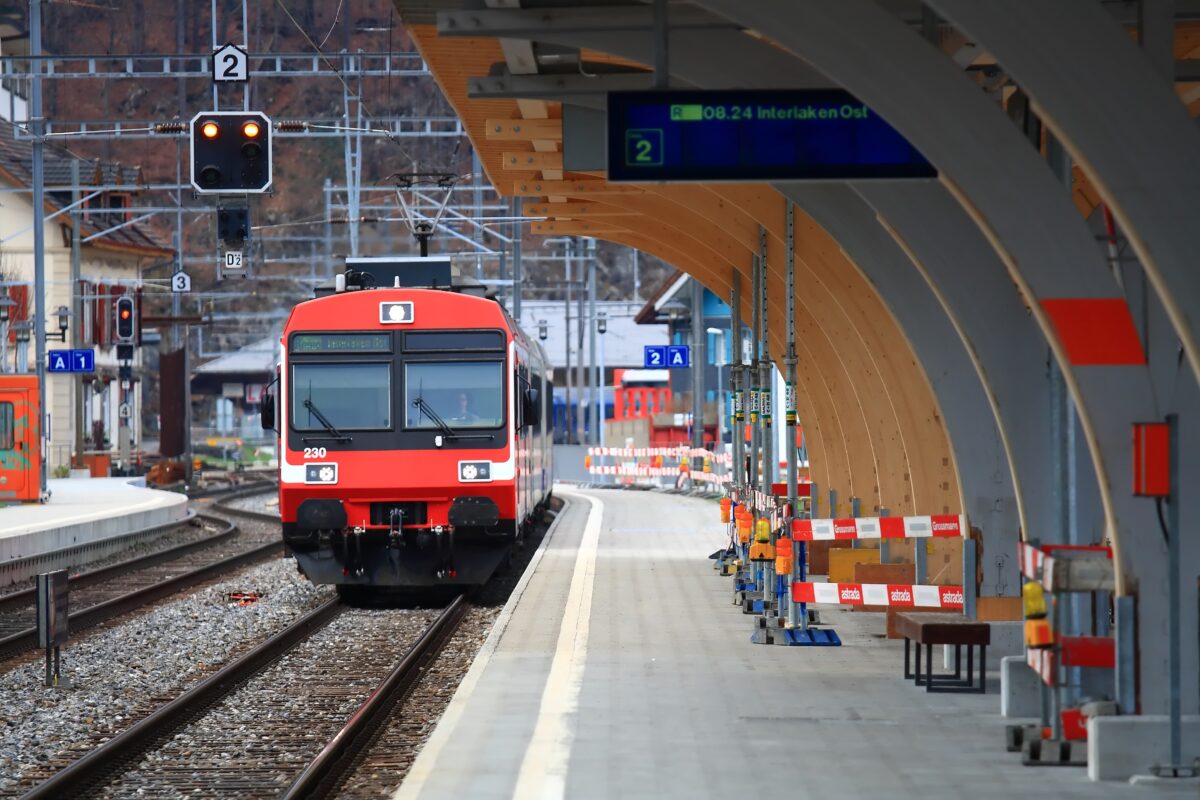
Knowledge is power when dealing with train strikes. Strike schedules are generally posted on national railway websites, giving you a crucial advantage.
Essential monitoring resources:
- Trenitalia for Italy
- SNCF for France
- Deutsche Bahn for Germany
- National Rail for the UK
Pro tip: Set up email alerts and download railway apps like Trainline for real-time updates. Train strikes are usually announced weeks prior to the scheduled strike, giving you time to adjust your plans.
See Related: The Ultimate Travel Hack Guide: Booking Smarter and Traveling Better
2. Know Your Compensation Rights

Here’s something many travelers don’t realize: strikes by rail company staff are not considered as extraordinary circumstances, meaning you’re entitled to compensation.
Your compensation rights include:
- 25% refund for delays of 60-119 minutes
- 50% refund for delays of 120 minutes or more
- Full refund if you choose not to travel due to strike
- Free meals and refreshments for delays over 60 minutes
Compensation shall be paid within 30 days after the receipt of the request. Always keep your tickets and submit claims promptly using the railway company’s official form.
3. Master Alternative Transportation

When trains stop, smart travelers keep moving. Having backup options ready can save your trip.
Alternative transport hierarchy:
- Rental cars: Book through Europcar or Hertz for best availability
- Long-distance buses: FlixBus and BlaBlaBus often run during strikes
- Ride-sharing: BlaBlaCar connects drivers with passengers across Europe
- Domestic flights: Consider budget carriers like Ryanair or EasyJet
Research each strike to see if other transportation services, like airlines or bus companies, are striking, too. Sometimes strikes affect multiple transport sectors simultaneously.
See Related: Best Sites for Booking Tours and Activities
4. Use Technology to Your Advantage

Your smartphone becomes your lifeline during strikes. Travelers became heavily reliant on digital tools – mobile applications and social media platforms – to access up-to-the-minute information.
Must-have apps and tools:
- Trainline: Shows alternative routes and bus options
- Rome2Rio: Compares all transport modes between destinations
- Twitter/X: Follow @SNCF, @Trenitalia, @DeutscheBahn for instant updates
- Google Maps: Real-time public transport information
- Citymapper: Urban transport alternatives in major cities
Download offline maps and save important documents to your phone. Innovative travel apps can make the difference between being stranded and finding creative solutions.
5. Build Flexibility Into Your Itinerary

The golden rule of strike-proof travel? Build buffer time into every connection.
Smart scheduling strategies:
- Allow 4-6 hours between international connections
- Book flexible tickets when possible (worth the extra cost)
- Avoid scheduling crucial meetings on arrival day
- Choose morning trains over evening ones (more alternatives if cancelled)
- Book accommodations with free cancellation
At least some “essential service” is preserved during most strikes, but schedules become unpredictable. Having flexibility means less stress when plans change.
See Related: Best Day to Book Flights: Unlock Affordable Travel Secrets
6. Protect Yourself with Smart Insurance
Standard travel insurance might not cover strike-related disruptions, but specialized coverage can save you thousands.
What to look for in strike coverage:
- Trip interruption benefits for strike-related delays
- Additional accommodation coverage
- Alternative transport reimbursement
- “Cancel for any reason” options
Read the fine print carefully. Some policies exclude strikes announced before you book, while others provide comprehensive coverage regardless. Avoid common travel insurance pitfalls by understanding exactly what’s covered.
7. Turn Strikes into Opportunities
Here’s a mindset shift that experienced travelers embrace: strikes can enhance your journey.
For the Back Door traveler, strikes can be a cultural experience. Instead of frustration, consider these possibilities:
Strike silver linings:
- Explore unexpected cities: That unplanned overnight in Lyon might reveal your new favorite destination
- Experience local culture: Strike demonstrations offer unique insights into local life
- Meet fellow travelers: Shared challenges create instant connections
- Slow down: Forced delays can add spontaneity to over-scheduled trips
See Related: Genius Travel Hacks for Long Flights: Tips and Tricks for a Comfortable Journey
Essential Strike Survival Checklist
Before any European rail journey in 2025, run through this checklist:
- ✓ Check strike calendars 72 hours before travel
- ✓ Screenshot all tickets and confirmations
- ✓ Have three alternative transport options researched
- ✓ Pack snacks and entertainment
- ✓ Keep power banks fully charged
- ✓ Save offline maps of your destinations
- ✓ Have emergency accommodation options bookmarked
- ✓ Know the customer service numbers for all transport providers
Final Thoughts: Travel Smart, Not Stressed
Train strikes in Europe are a reality, but they don’t have to derail your adventures. By significantly complicating travel for work purposes, the strikes have had an immediate impact on the organization of business trips, making preparation more crucial than ever.
Remember: flexibility, preparation, and a positive attitude are your best tools. Whether you’re navigating German rail network disruptions or dealing with sudden French SNCF strikes, these strategies will keep you moving forward.
The key is transforming potential frustration into adventure. With the right mindset and these seven essential tips, you’ll navigate any strike like a seasoned European traveler. Safe travels!
Leave a Reply