Forget dusty artifacts behind glass cases. Europe’s quirkiest museums serve up everything from glowing art installations to 17th-century surgical tools that’ll make you grateful for modern medicine. These 27 offbeat attractions transform ordinary museum visits into unforgettable adventures that’ll have you rethinking what museums can be.
With over 37,000 museums across Europe generating €21 billion annually in tourism revenue, these unconventional gems represent the fastest-growing segment in cultural tourism. They’re attracting 42% more visitors year-over-year, particularly among millennials and Gen Z travelers seeking Instagram-worthy experiences beyond traditional galleries.
1. Museum of Broken Relationships (Zagreb, Croatia)
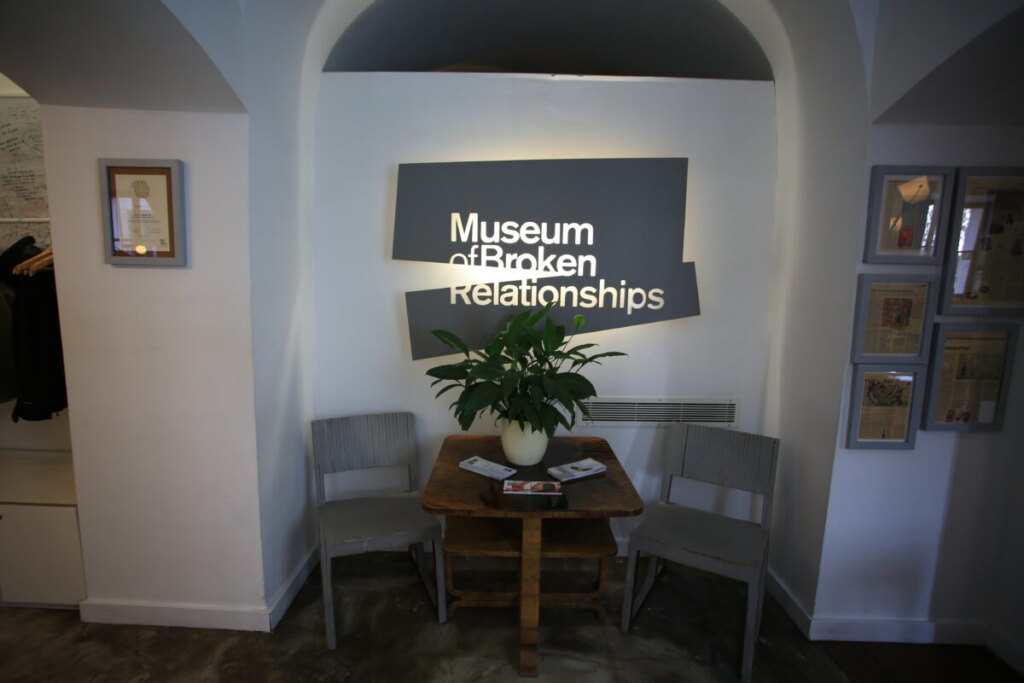
What started as an art project between two Croatian artists has evolved into a global phenomenon with over 4,000 donated items. Each object tells a story of love lost – a toaster given out of spite, an axe used to destroy furniture, wedding dresses never worn. The museum receives 100+ new donations monthly from heartbroken souls worldwide.
Insider tip: Visit on weekday mornings for a more intimate experience. The museum’s traveling exhibition has reached 50+ cities, but nothing beats the original Zagreb location.
2. Icelandic Phallological Museum (Reykjavik, Iceland)
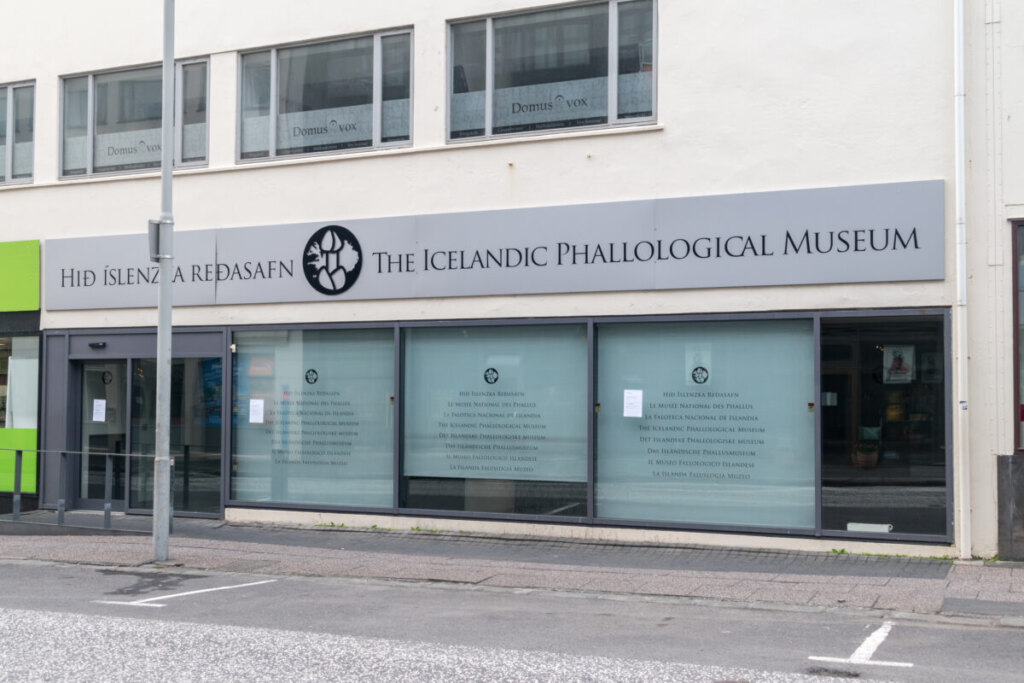
Housing 280+ specimens from 93 species of animals, this museum started as founder Sigurður Hjartarson’s hobby in 1974. The collection includes everything from a 170cm sperm whale specimen to microscopic hamster parts. Despite the cheeky subject matter, the museum maintains scientific credibility with detailed anatomical information.
Must-see: The folklore section featuring mythical Icelandic creatures adds local cultural context you won’t find anywhere else.
3. Museum of Miniatures (Prague, Czech Republic)
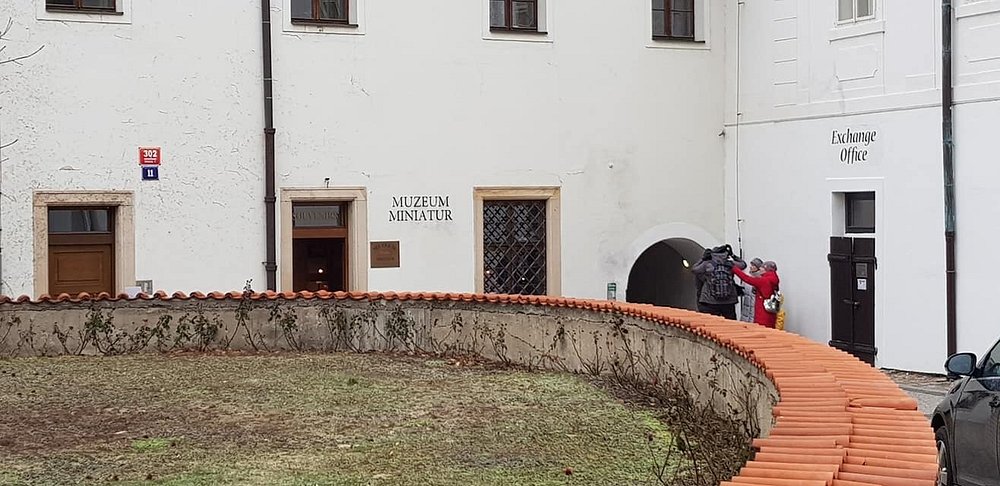
Russian artist Anatolij Konenko creates art so tiny you need microscopes to appreciate it. His masterpieces include a caravan of camels inside a needle’s eye, a golden bicycle measuring 0.5mm, and the entire text of a Chekhov story written on a human hair. Each piece takes months to complete using surgical tools and extraordinary patience.
Pro tip: The museum provides 200x magnification microscopes, but bring reading glasses for the best viewing experience.
4. Clowns’ Gallery-Museum (London, UK)
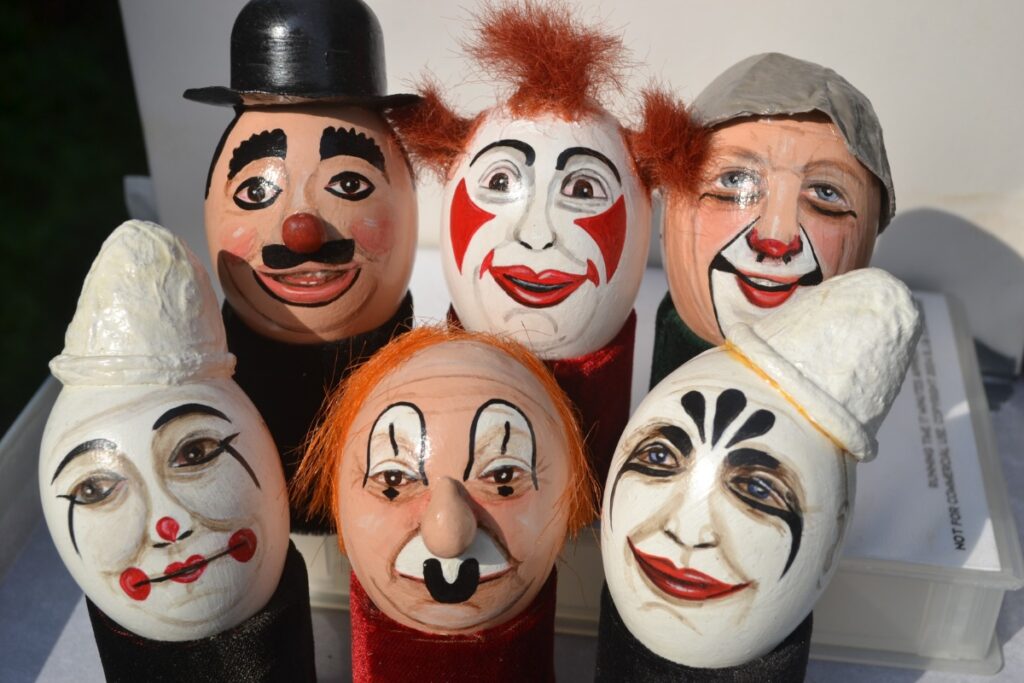
Tucked inside a church in Dalston, this museum preserves clown history through painted eggs – each representing a registered clown’s unique makeup design. Started in 1946, the collection now includes over 250 eggs, serving as both art and copyright protection for professional clowns.
Fascinating fact: No two clowns can legally have identical face paint, making each egg a one-of-a-kind trademark.
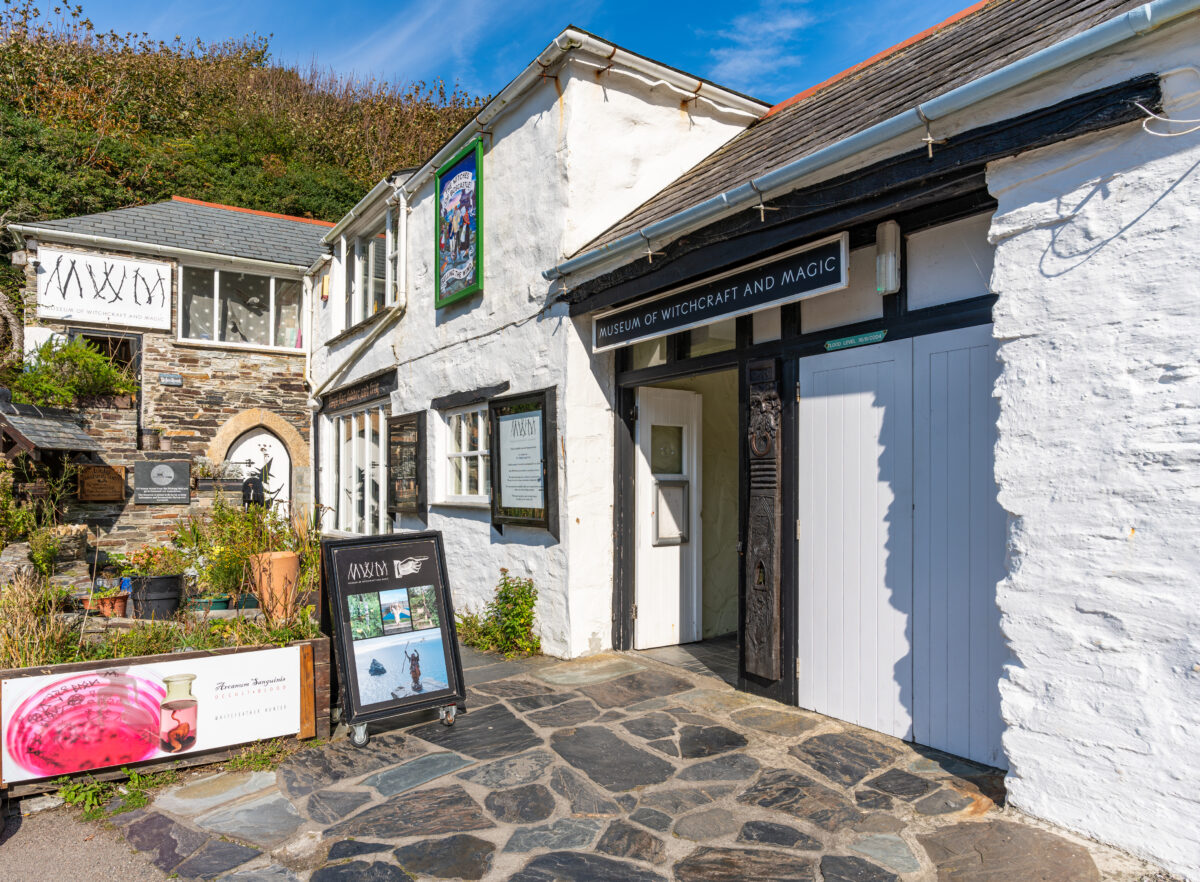
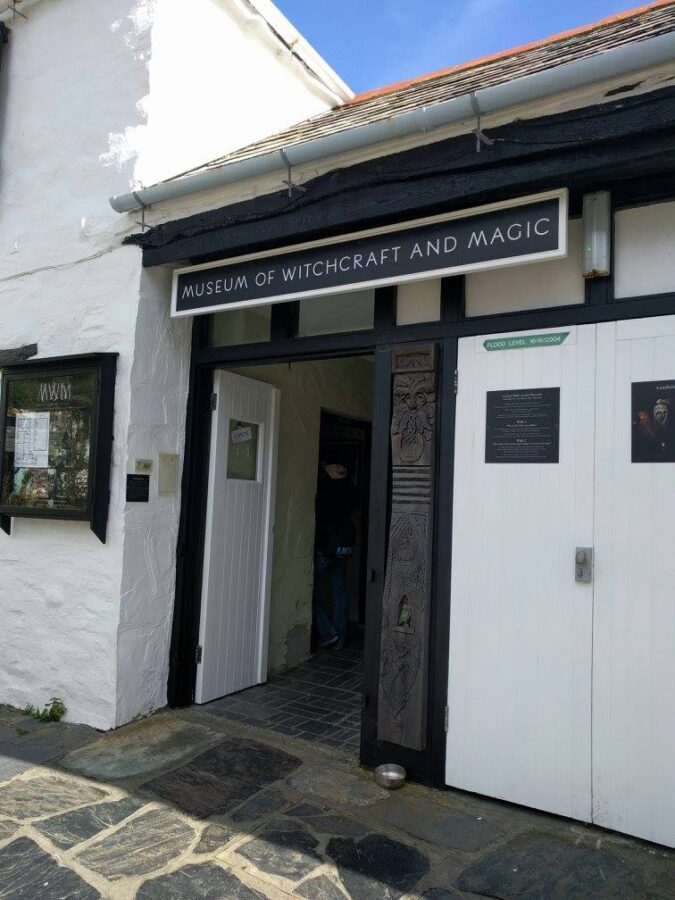
5. Museum of Witchcraft and Magic (Boscastle, England)
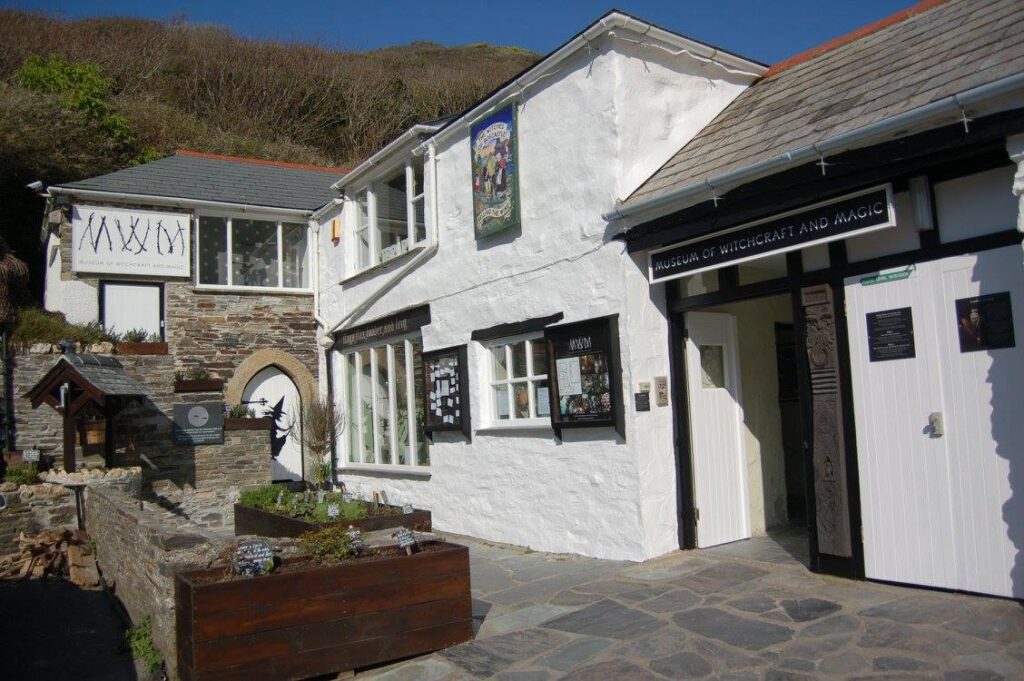
Founded by occultist Cecil Williamson in 1951, this museum houses over 3,000 artifacts including cursed dolls, protective charms, and ritual tools. The collection survived a devastating 2004 flood that locals attributed to disturbing the magical items. Today, it attracts 50,000+ annual visitors seeking to understand Britain’s mystical heritage.
6. Frietmuseum (Bruges, Belgium)
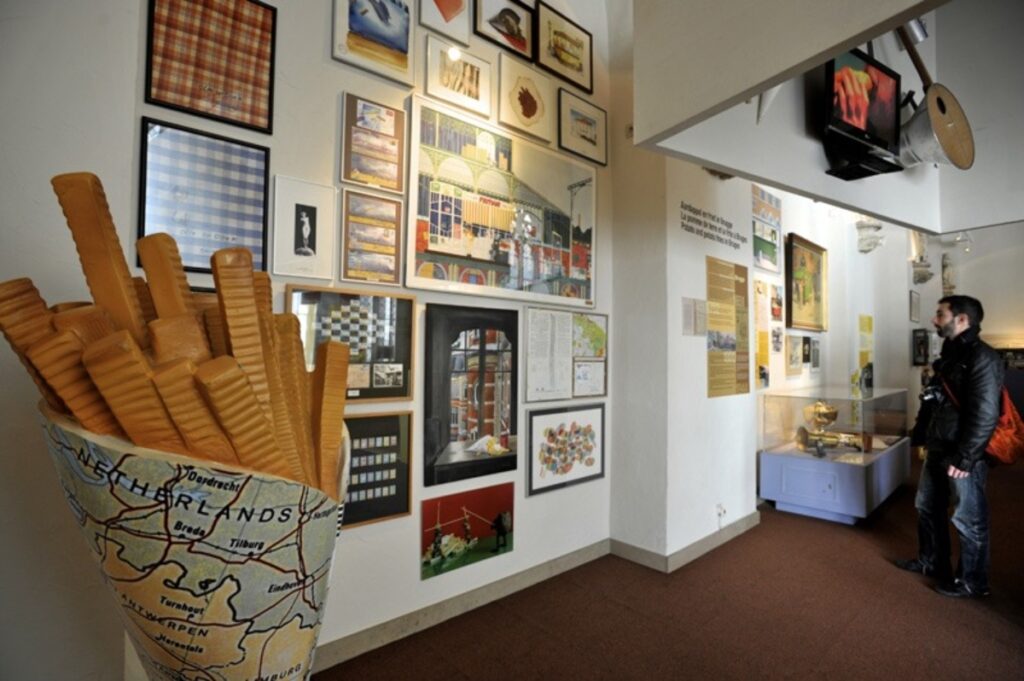
The world’s first museum dedicated to fries occupies a stunning 14th-century building. Visitors journey through potato history, discover why Belgian fries are cut 10-13mm thick (the perfect ratio for crispy outside, fluffy inside), and sample freshly made fries in the basement frietkelder.
Don’t miss: The medieval potato cellar where you can taste authentic Belgian fries made using traditional methods.
7. Museum of Forbidden Art (Barcelona, Spain)
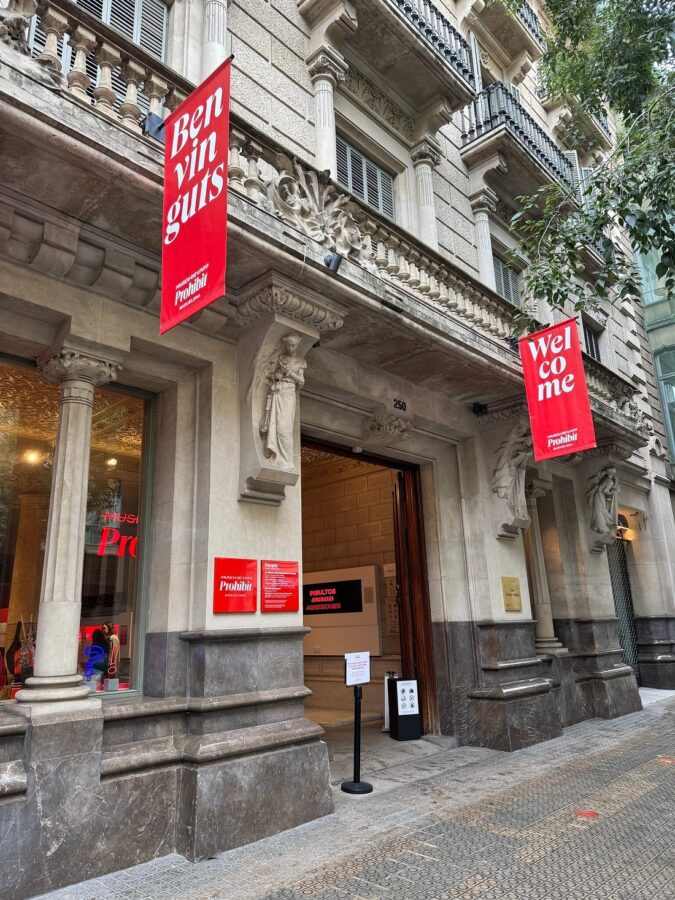
Opened in 2023, this provocative museum displays 200+ artworks previously censored or banned worldwide. Each piece includes documentation explaining why it was forbidden, creating powerful discussions about artistic freedom and cultural sensitivities across different societies.
8. Crab Museum (Margate, UK)
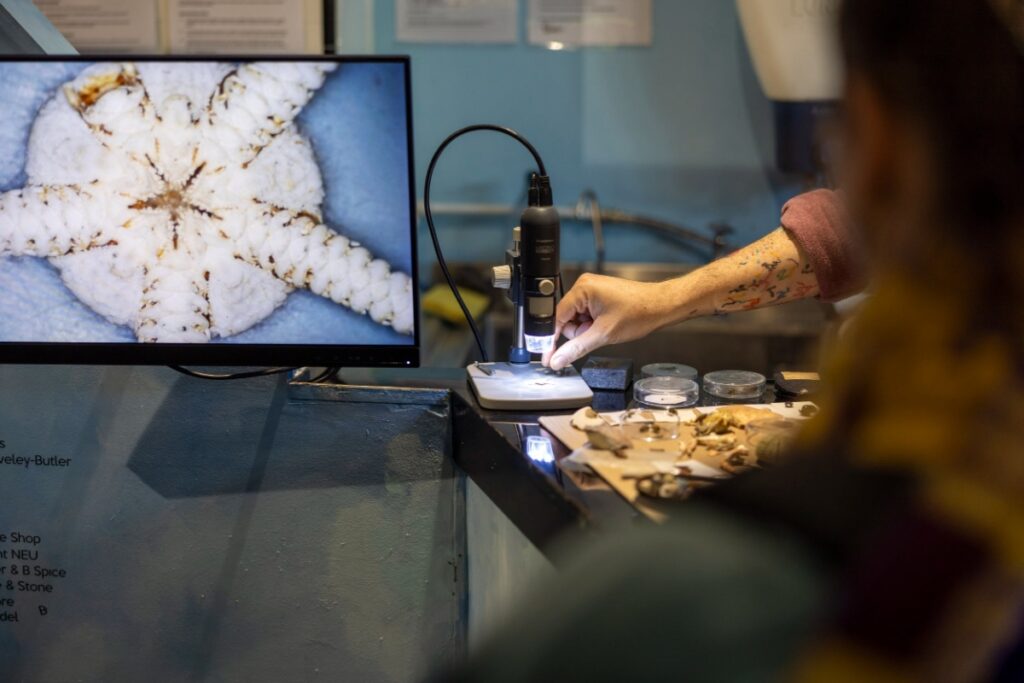
Europe’s only museum dedicated to decapods tells the bizarre true story of a giant crab caught in 1862 that reportedly lived with a fisherman and dined on chopped eels. The museum explores crab biology, folklore, and their role in maritime culture through interactive exhibits and preserved specimens.
9. Sex Machines Museum (Prague, Czech Republic)
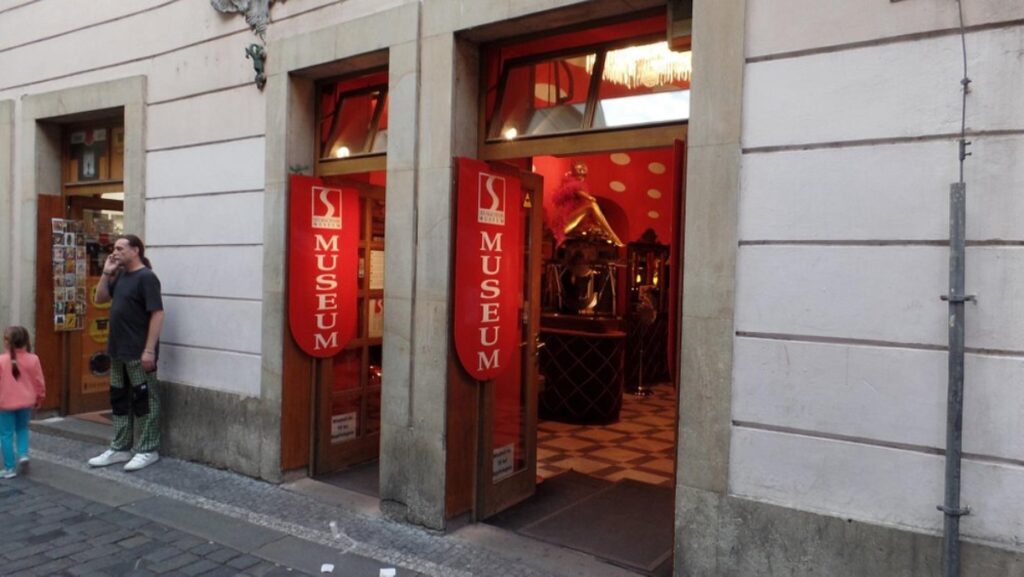
This educational museum traces human sexuality through mechanical devices across three floors. From 16th-century chastity belts to Victorian-era hysteria treatments, the collection provides surprisingly scholarly insights into changing attitudes toward intimacy throughout history.
10. National Leprechaun Museum (Dublin, Ireland)
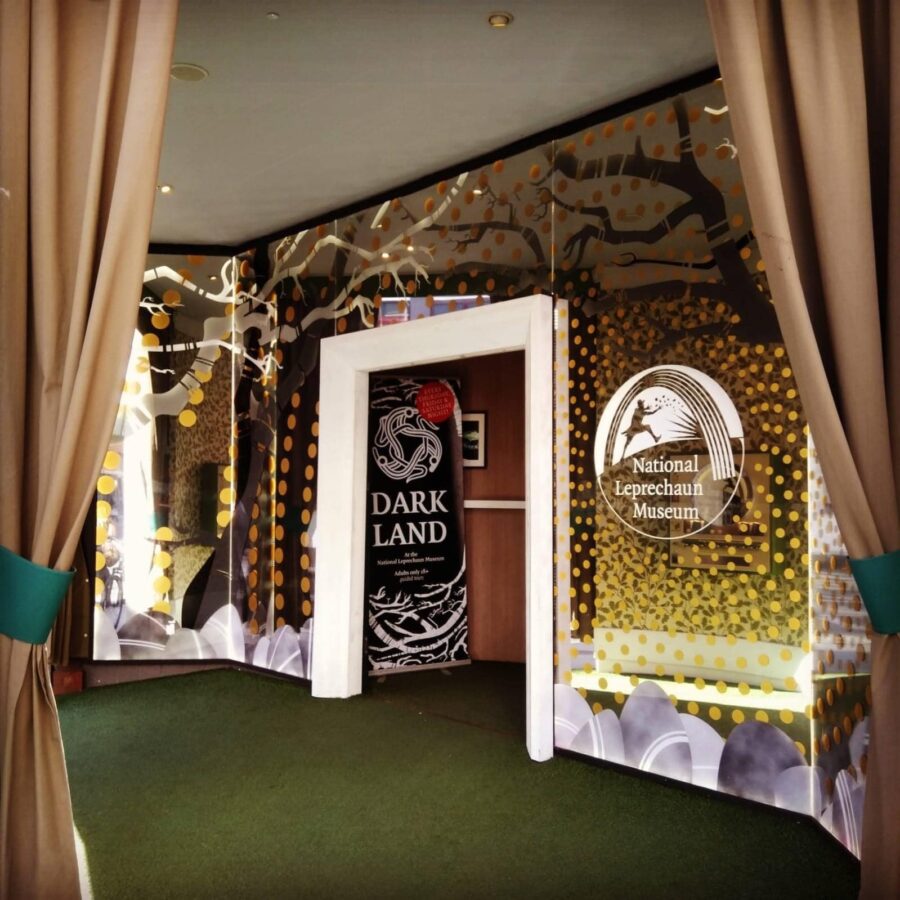
Step into oversized furniture to experience the world from a leprechaun’s perspective. This immersive museum combines Irish folklore with optical illusions, featuring rainbow rooms, giant’s causeway recreations, and storytelling sessions that bring Celtic mythology to life.
11. Gingerbread Museum (Toruń, Poland)
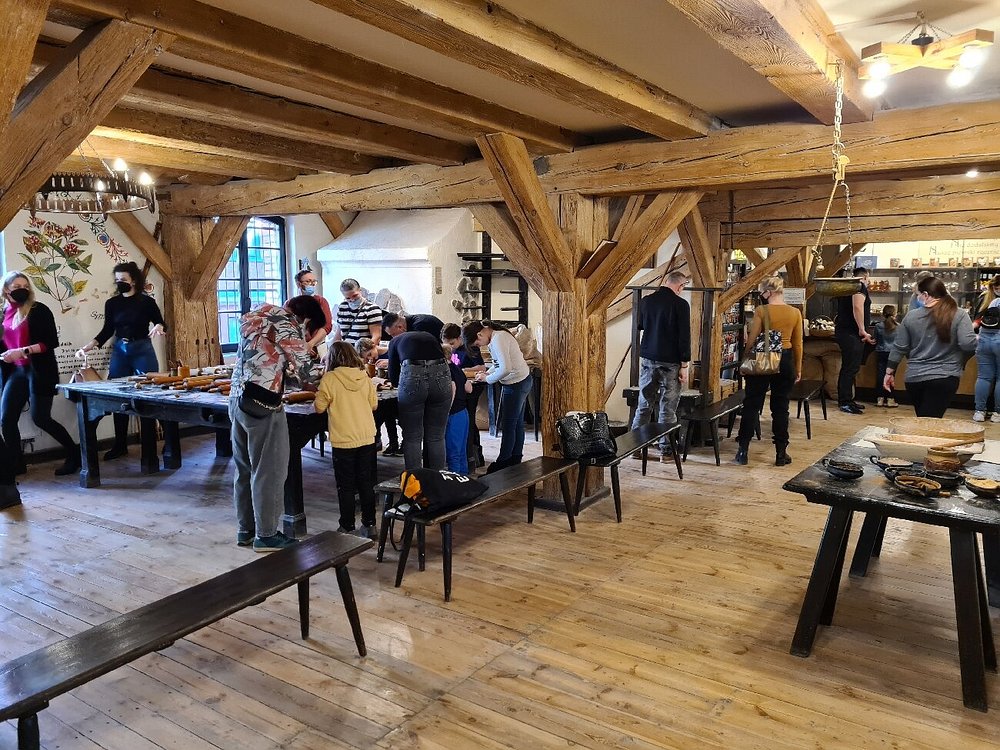
In the medieval city famous for Copernicus and gingerbread, this aromatic museum showcases edible art dating back 700 years. Master bakers demonstrate traditional techniques while visitors create their own spiced masterpieces using centuries-old wooden molds.
12. Museum of Illusions (Madrid, Spain)
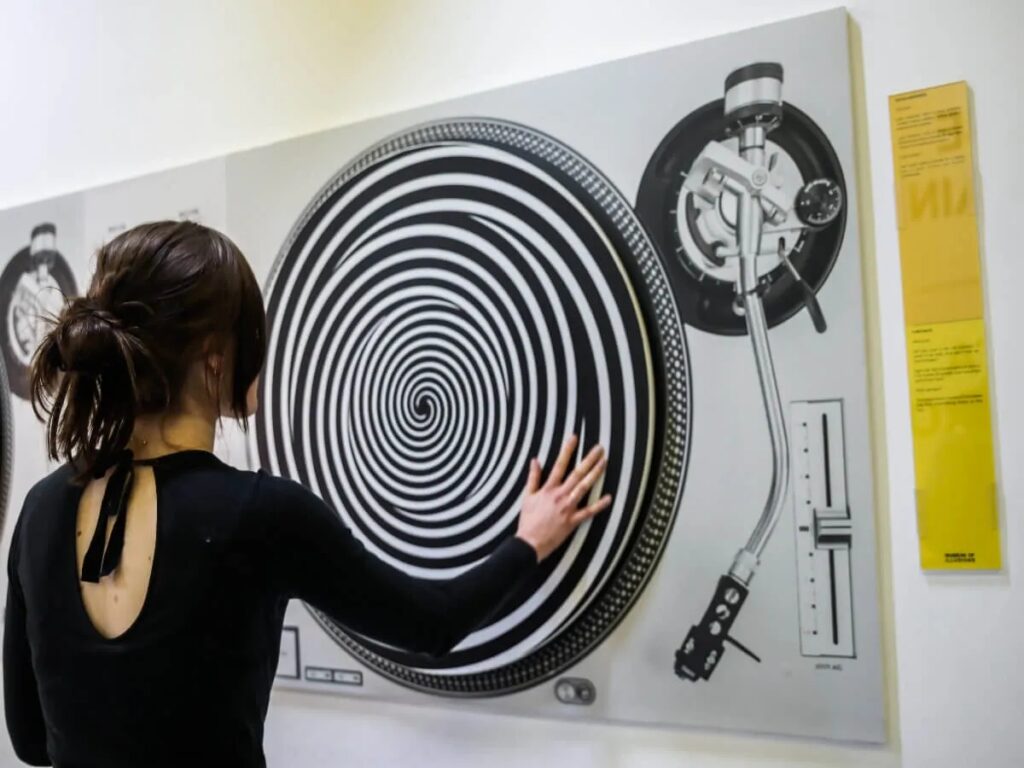
This mind-bending museum features 70+ exhibits challenging perception through holograms, optical illusions, and psychology. The Ames room shrinks and enlarges visitors, while the infinity tunnel creates endless reflections. Perfect for all ages, it combines education with Instagram-worthy photo opportunities.
13. Electric Ladyland – Museum of Fluorescent Art (Amsterdam, Netherlands)
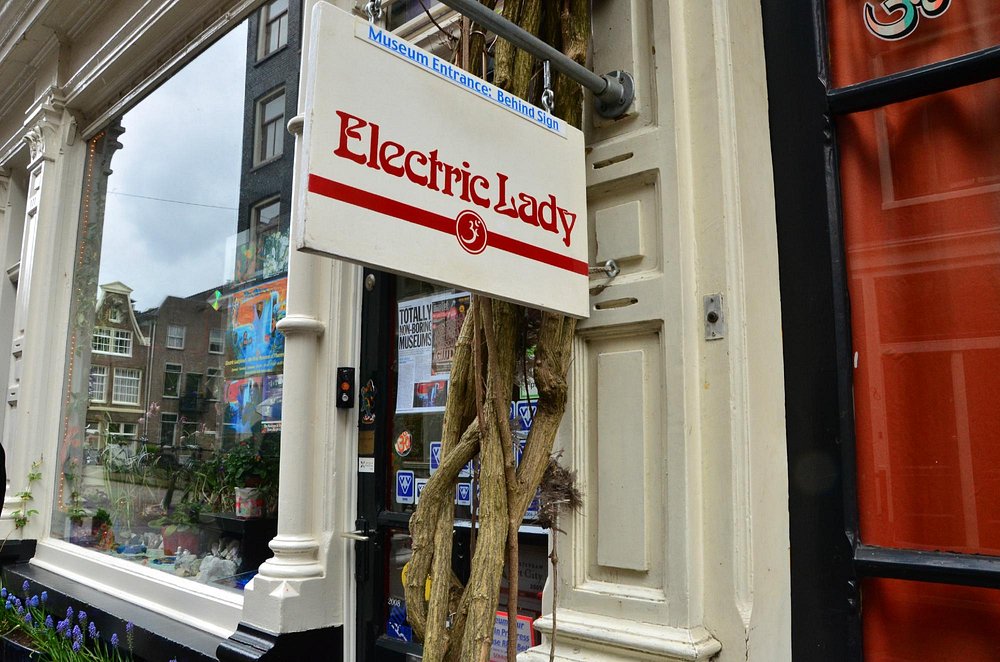
Hidden in a basement, this psychedelic museum glows under ultraviolet light. Owner Nick Padalino has collected fluorescent minerals, art, and everyday objects that transform into neon wonderlands. The participatory art environment encourages visitors to become part of the glowing exhibits.
14. Icelandic Elf School (Reykjavik, Iceland)
More educational center than traditional museum, the Elf School offers 4-hour courses on Iceland’s hidden people. With 54% of Icelanders believing in or remaining open to elf existence, the school provides serious cultural insights wrapped in folklore. Students receive diplomas certifying their elf studies.
15. Globe Museum (Vienna, Austria)
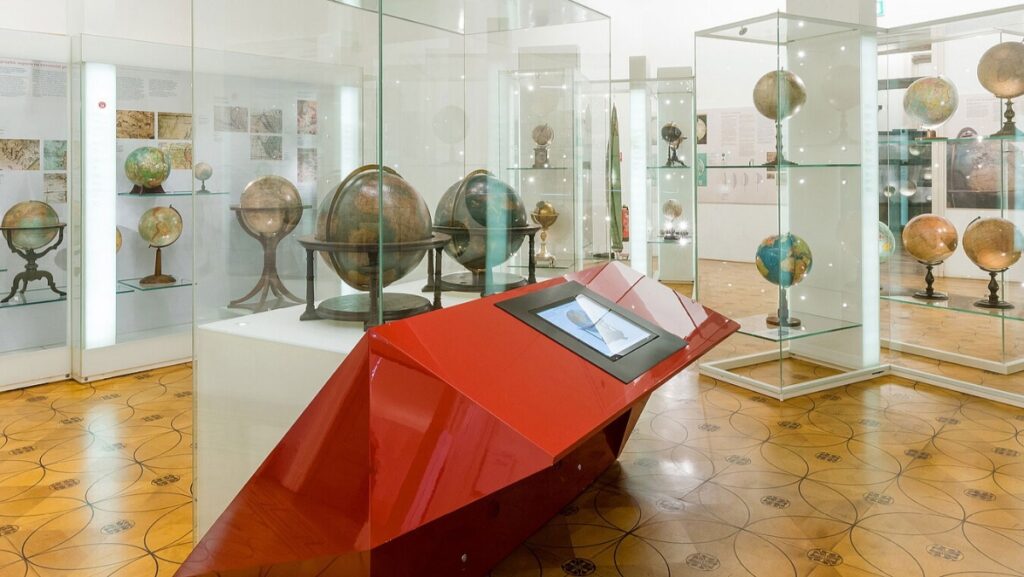
The world’s only museum dedicated entirely to globes houses 600+ terrestrial and celestial spheres spanning five centuries. Highlights include a 1541 Mercator globe and miniature pocket globes used by 18th-century travelers. The collection reveals how our understanding of Earth has evolved through cartographic art.
16. Museum of Alchemists and Magicians (Prague, Czech Republic)
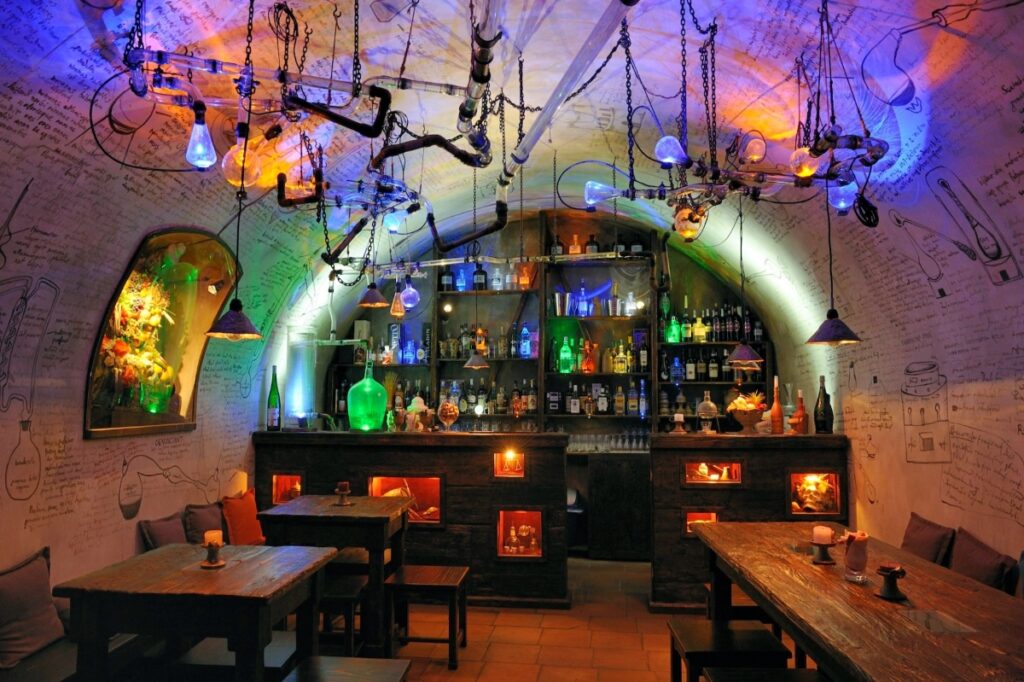
Located in a house where alchemist Edward Kelley allegedly lived, this atmospheric museum explores Prague’s mystical past. Original laboratory equipment, ancient manuscripts, and recreated workshops transport visitors to the 16th century when Emperor Rudolf II attracted mystics from across Europe.
17. Doll Hospital (Lisbon, Portugal)
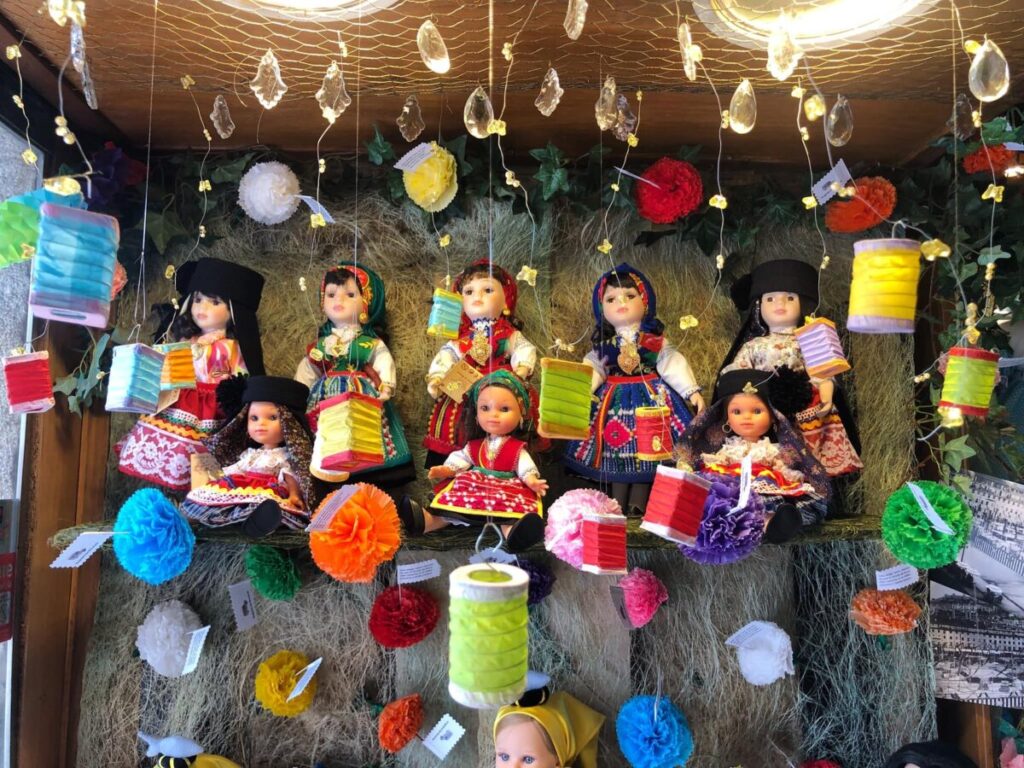
Operating since 1830, the Hospital de Bonecas repairs cherished toys while maintaining a museum of patients awaiting treatment. Shelves lined with doll parts, vintage toys, and restoration tools create an atmosphere that’s equal parts nostalgic and slightly unsettling.
18. The Fan Museum (London, UK)
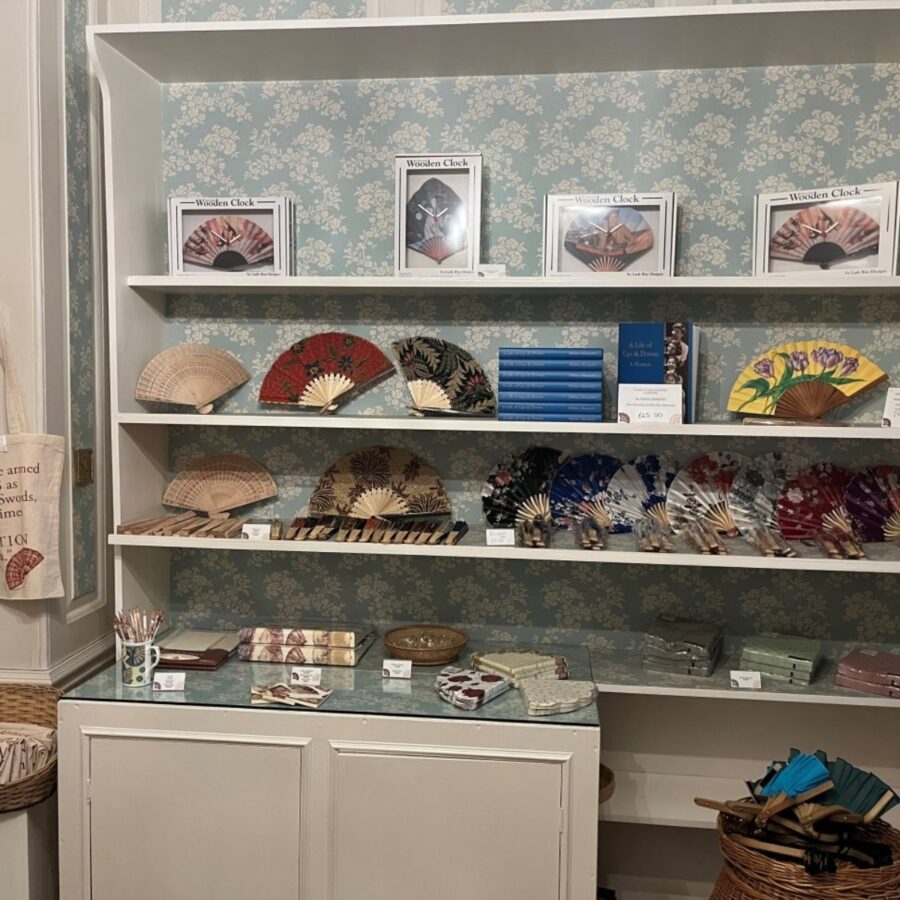
Housing 5,000+ fans from the 11th century onwards, this Greenwich museum elevates functional objects to art. Exhibits reveal fans’ roles in communication, fashion, and social status. The orangery serves afternoon tea with fan-making workshops on weekends.
19. Neon Museum (Warsaw, Poland)
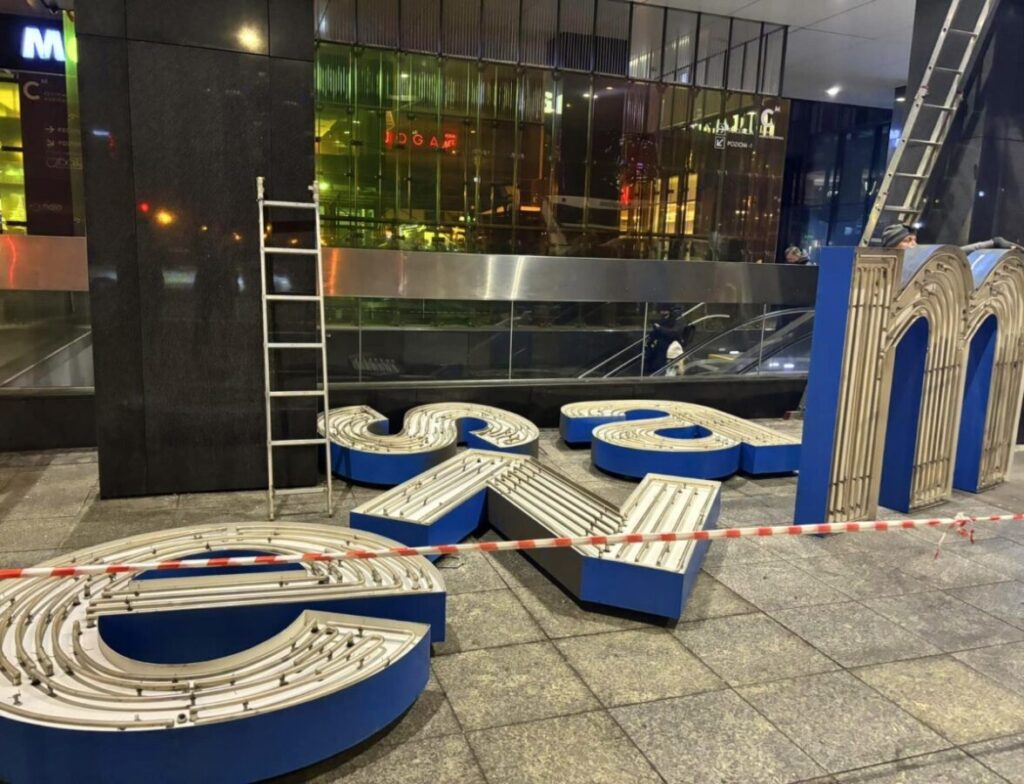
Preserving Cold War-era neon signs, this museum illuminates Poland’s post-WWII history through commercial art. Over 200 restored signs create an atmospheric journey through Communist-era design, when neon represented modernity and Western influence in Soviet-controlled Warsaw.
20. KattenKabinet (Amsterdam, Netherlands)
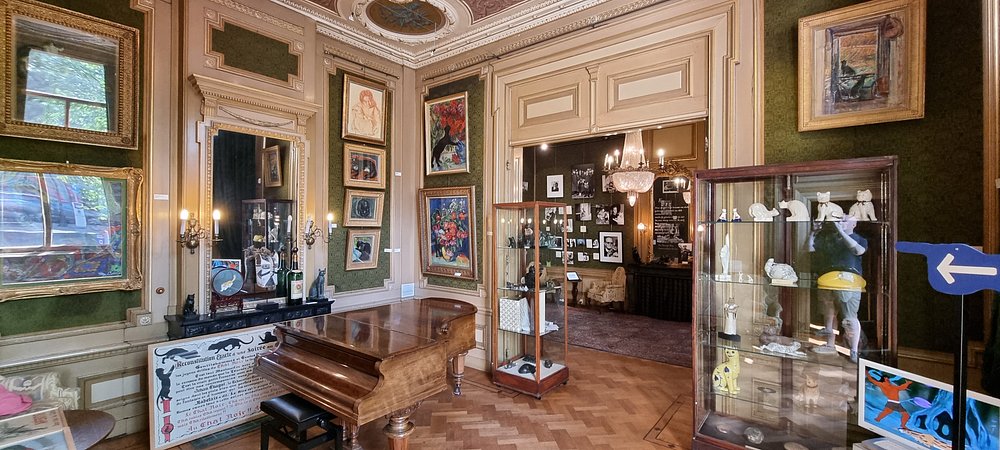
This canal house museum celebrates cats in art through works by Picasso, Rembrandt, and Toulouse-Lautrec. Founded in memory of a beloved ginger cat, the collection includes paintings, sculptures, and posters. Real cats roam freely, adding living art to the experience.
21. Designpanoptikum (Berlin, Germany)
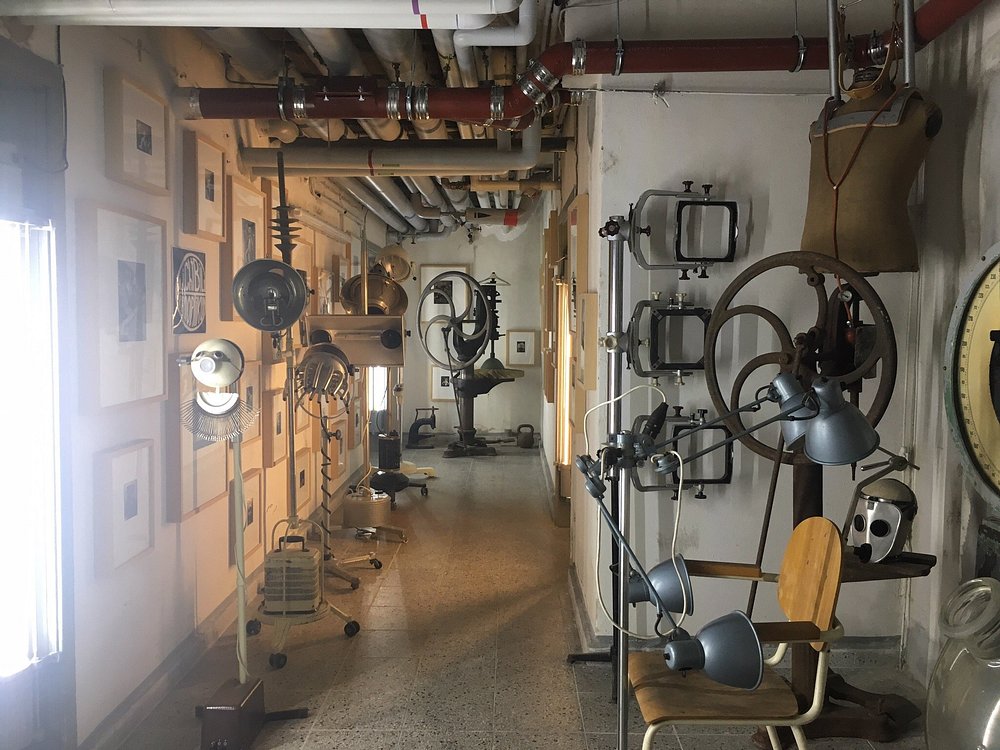
A surreal museum of industrial objects, this collection features medical equipment, aviation parts, and mysterious machines in artistic arrangements. The dystopian atmosphere feels like stepping into a steampunk novel where function meets artistic vision.
22. Museum of Innocence (Istanbul, Turkey)
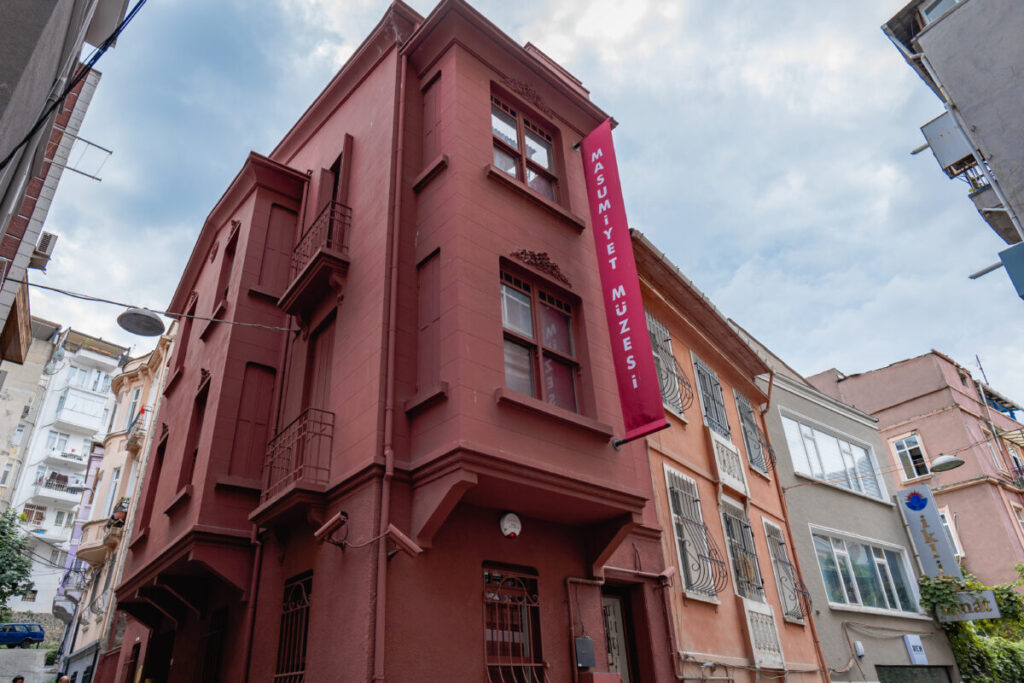
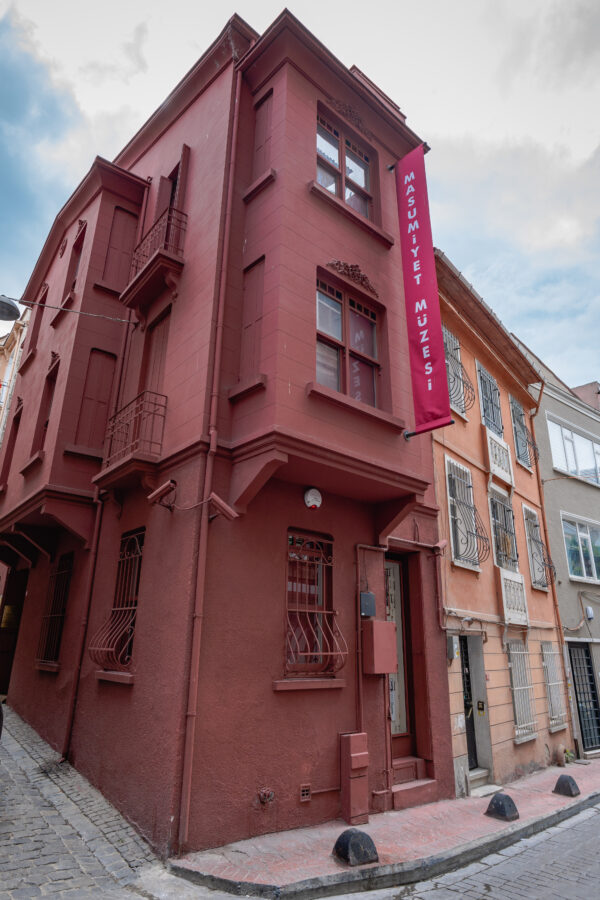
Created by Nobel laureate Orhan Pamuk to accompany his novel, this museum displays 83 vitrines corresponding to book chapters. Real objects tell a fictional love story set in 1970s Istanbul, blurring lines between literature and reality. Entry is free with a stamped book copy.
23. Antonio Pasqualino International Puppet Museum (Palermo, Italy)
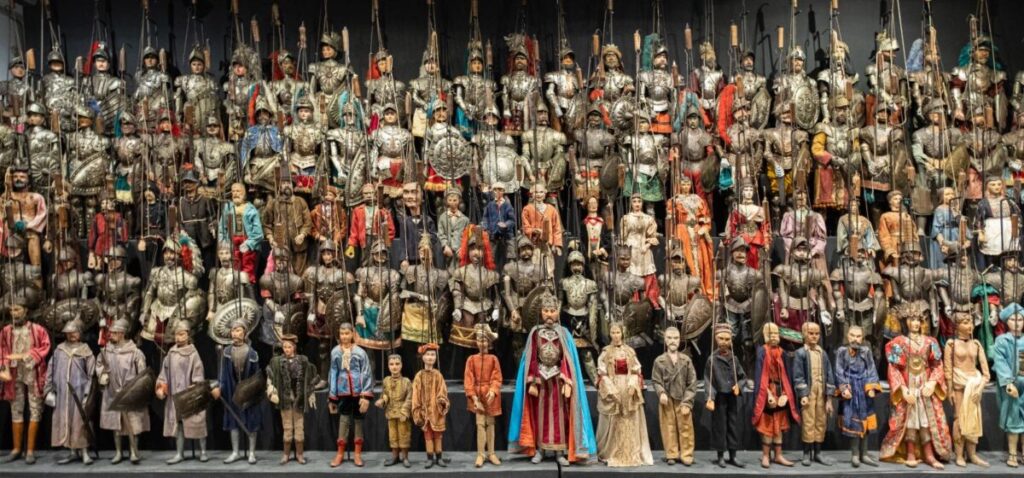
With 5,000+ puppets from global traditions, this museum preserves the endangered art of puppetry. Live performances showcase Sicilian opera dei pupi, while workshops teach traditional puppet-making techniques passed down through generations.
24. Spiritmuseum (Stockholm, Sweden)
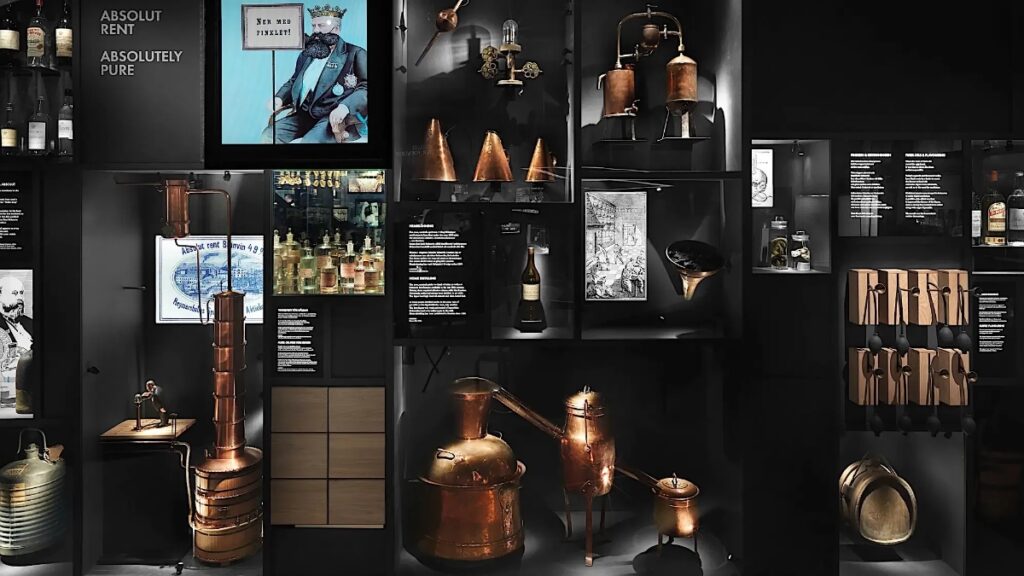
This museum explores Sweden’s complex relationship with alcohol through interactive exhibits simulating drunkenness and hangovers. Historical displays reveal how spirits shaped Swedish culture, from Viking mead halls to modern systembolaget monopolies.
25. Museum of Purgatory (Rome, Italy)
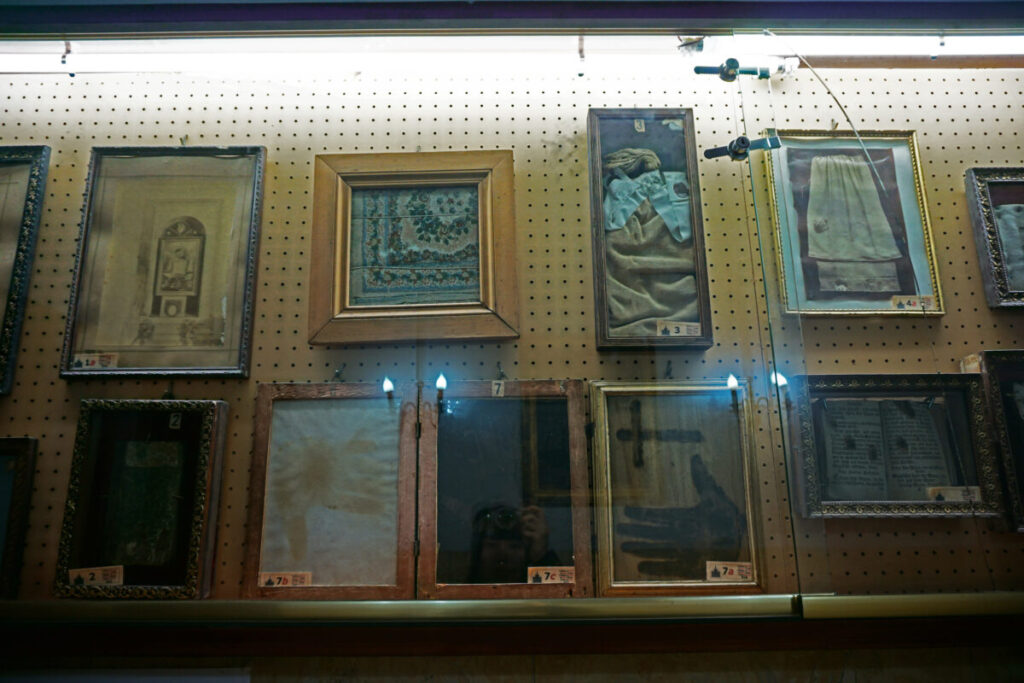
Located in a small church, this collection displays supposed evidence of souls in purgatory communicating with the living. Burn marks on prayer books, handprints on clothing, and other artifacts create a uniquely Roman blend of faith and supernatural documentation.
26. 3D Museum (Bruges, Belgium)
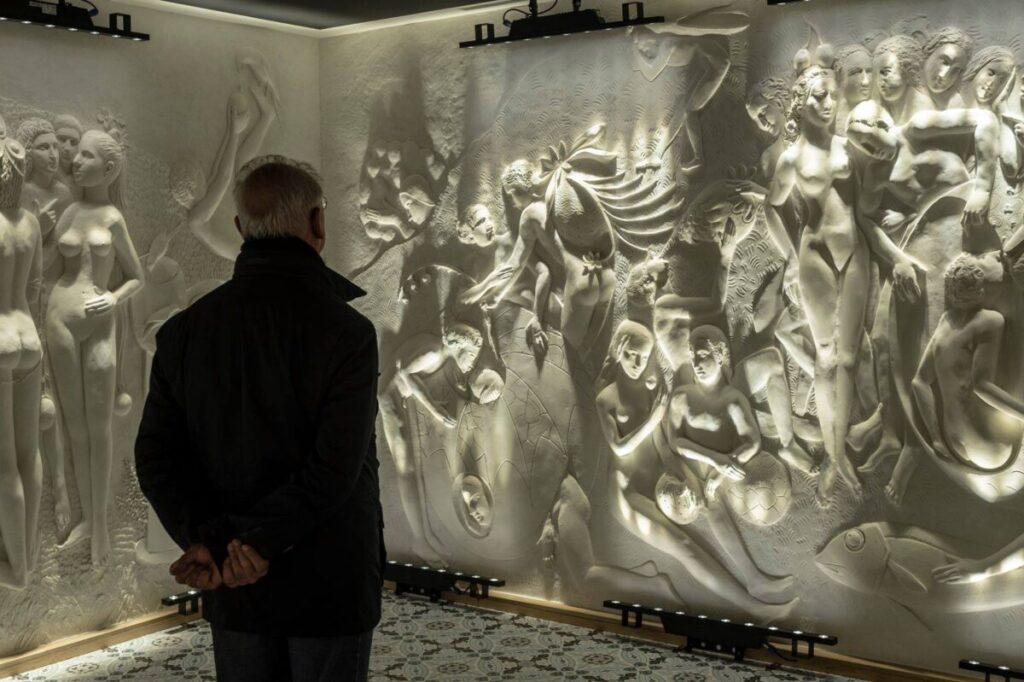
Famous paintings escape their frames as 3D sculptures in this innovative museum. Characters from Hieronymus Bosch’s Garden of Earthly Delights become tangible, while visitors can literally step into masterpieces for interactive photo opportunities.
27. Hunt Museum (Limerick, Ireland)
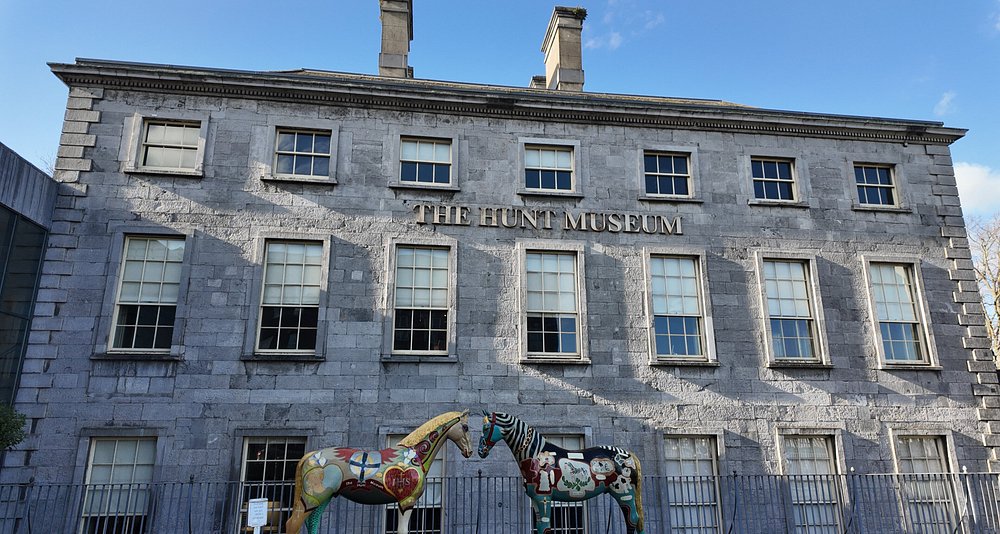
This eclectic collection assembled by antique dealers John and Gertrude Hunt spans prehistoric tools to Picasso sketches. The 2,000+ artifacts reflect personal passion rather than academic curation, creating intimate encounters with objects from across civilizations.
See Related: 25 Must-Visit Places in Europe That Live Up to the Hype
Essential Tips for Quirky Museum Adventures

Book ahead: Many quirky museums have limited capacity. The Museum of Miniatures in Prague only admits 20 people hourly, while London’s Magic Circle Museum requires advance event bookings.
Check unusual hours: The London Sewing Machine Museum opens only on first Saturdays. Iceland’s Elf School runs specific course times. Always verify schedules to avoid disappointment.
Photography policies vary: While most encourage photos (hello, Museum of Illusions!), others like the Sex Machines Museum restrict photography in certain areas. Ask before snapping.
Budget smart: Entry fees range from €5 (Museum of Miniatures) to €25 (Museum of Illusions). Many offer student, senior, and family discounts. City tourism cards often include quirky museums.
Language considerations: Smaller museums may have limited English materials. Download translation apps or book English tours where available. The passion of curators often transcends language barriers.
Allow extra time: These aren’t rushed experiences. The Museum of Broken Relationships averages 90-minute visits as people read every story. Build flexibility into your itinerary.
Combine with neighborhoods: Many quirky museums anchor interesting areas. The Neon Museum sits in Warsaw’s trendy Praga district, while Amsterdam’s KattenKabinet is perfectly placed for canal wandering.
See Related: Hidden Gems in Europe You Must Visit
Breaking Down Barriers to Quirky Museum Visits

Accessibility advances: Major quirky museums increasingly accommodate all visitors. The Museum of Illusions Madrid offers wheelchair routes, while Dublin’s Leprechaun Museum provides sensory-friendly sessions. Call ahead for specific needs.
Budget solutions: Visit during shoulder seasons (November-March) for lower accommodation costs. Many museums offer pay-what-you-wish hours or reduced evening rates. Student and under-26 discounts typically save 20-50%.
Solo traveler friendly: These museums attract curious individuals. Join museum-organized workshops or tours to meet like-minded explorers. The Museum of Broken Relationships even hosts singles events in some locations.
Family considerations: While some content suits adults (Sex Machines Museum), many offer family programs. The Nemo Science Museum and Museum of Illusions design experiences specifically for children, with hands-on activities keeping young minds engaged.
Digital resources: Most quirky museums now offer virtual tours or apps. While nothing replaces physical visits, these tools help plan visits and revisit favorite exhibits. Some, like the Museum of Miniatures, provide online microscope views of their tiniest art.
Your Next Quirky Adventure Awaits
These 27 unconventional museums prove that Europe’s cultural landscape extends far beyond famous galleries and historical exhibitions. Each offers unique perspectives on human creativity, obsession, and imagination. As traditional museums evolve to compete for attention, these quirky alternatives already mastered the art of memorable experiences.
Start planning your offbeat museum tour today. Pick a city, choose 2-3 unusual museums, and prepare for conversations that’ll last long after your trip ends. After all, everyone’s seen the Mona Lisa, but how many can say they’ve microscoped art inside a needle’s eye or earned an elf studies diploma?
See Related: Best Places to Visit in Europe
Frequently Asked Questions
How much time should I allocate for quirky museum visits?
Plan 1-3 hours per museum. Compact spaces like the Museum of Miniatures take 45 minutes, while interactive experiences like the Museum of Illusions deserve 2+ hours. The Icelandic Elf School’s full course runs 4 hours.
Are these museums suitable for children?
Many excel at engaging young visitors. The Museum of Illusions, Nemo Science Museum, and National Leprechaun Museum design experiences for families. However, some like the Museum of Witchcraft contain intense content better suited for teens and adults.
Do I need to book tickets in advance?
Increasingly, yes. Post-2020, many museums implemented timed entry systems. Popular spots like the Museum of Broken Relationships sell out during summer weekends. Book online 24-48 hours ahead for flexibility.
Which cities have the most quirky museums?
London leads with 20+ unusual museums, followed by Amsterdam (15+) and Prague (12+). However, smaller cities often house the most unique collections, like Boscastle’s witchcraft museum or Toruń’s gingerbread museum.
Are audio guides available in English?
Major quirky museums offer multilingual audio guides or apps. Smaller museums may only have native language materials, but passionate curators often provide impromptu English tours. The Museum of Broken Relationships offers guides in 15 languages.
What’s the best time of year to visit?
October-April offers smaller crowds and better curator interaction. Some seasonal considerations: Iceland’s Elf School is magical during winter darkness, while outdoor elements like Bruges’ Museum gardens shine in spring.
Can I take photos inside these museums?
Most encourage photography, especially interactive museums. However, always check policies. The Museum of Miniatures allows photos but prohibits flash to protect delicate pieces. Some museums sell photo permits for €2-5.
Are these museums accessible for visitors with disabilities?
Accessibility varies greatly. Modern museums like the Museum of Illusions Madrid offer full accessibility. Historic buildings housing collections may have limitations. Contact museums directly to discuss specific needs and available accommodations.
Leave a Reply